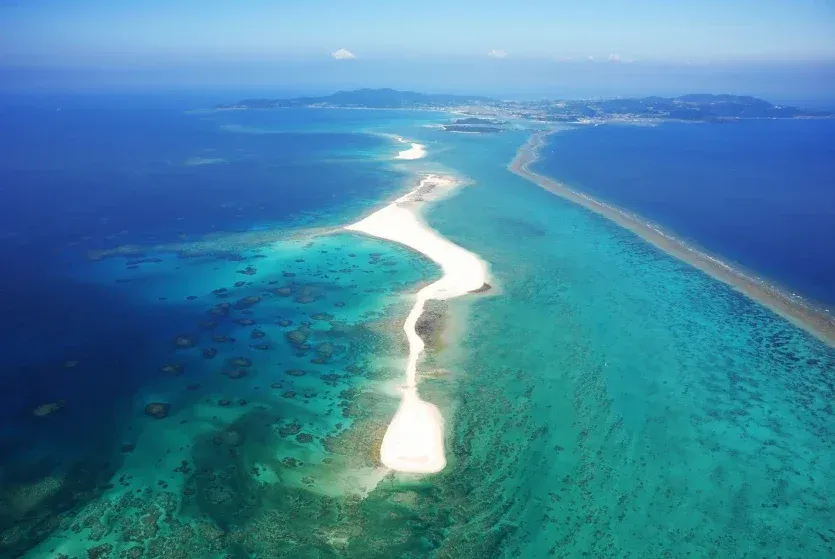
Fly far enough southwest of Naha and Japan starts to feel like somewhere else entirely. The Yaeyama Islands sit closer to Taiwan than to Tokyo, a scatter of coral islands where the jungle comes down to the water, red-tiled villages have barely changed in a century, and manta rays glide through channels between the reefs.
This is the part of Okinawa we love most, and it rewards a full week. Seven days exploring the Yaeyama archipelago is enough to settle into a rhythm rather than rush a checklist: one long jungle river day on Iriomote, a slow morning wandering Taketomi's sandy lanes, an afternoon over the coral reefs watching mantas, and a couple of days held loosely in reserve for whatever the weather decides.
Why the outer islands, and who this week is for
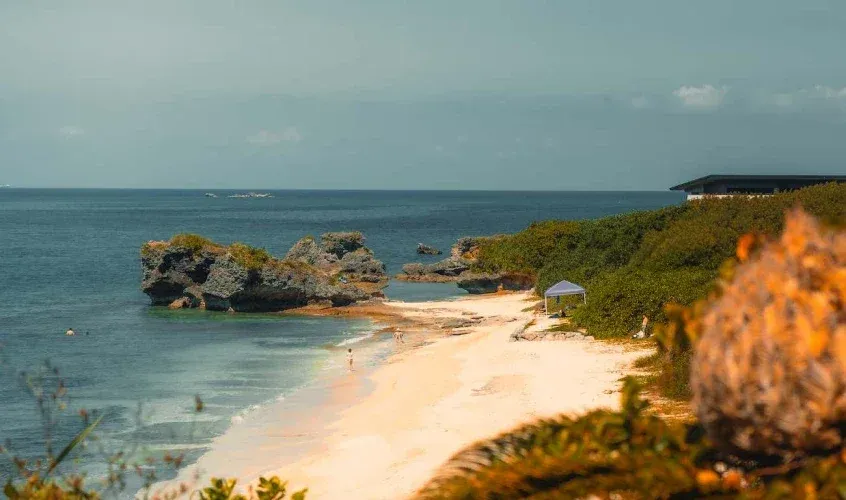
The Yaeyama group is wilder and quieter than the rest of Okinawa Prefecture. Ishigaki Island, Ishigakijima in Japanese, is the hub, the only town of any size, with the airport, the island terminal, and most of the accommodation and restaurants. Around it orbit a handful of surrounding islands, each with its own character: lush, jungle-covered Iriomote, storybook Taketomi, flat and cycle-friendly Kuroshima and Kohama, and, right at the edge of the map, Hateruma, the southernmost inhabited point in Japan.
This week suits travellers who want nature and slow culture over resort polish: mangrove kayaking, snorkelling, small villages, star-filled skies. It works beautifully for a second trip to the islands of Okinawa, once you've already done Naha and the north. Families do well here too, as long as you build in flexibility, the ocean sets the schedule out here, not the other way around.
The 7-day route at a glance
Here's the shape of the week. We explain each day in detail further down.
- Day 1 — Land on Ishigaki, ease in, eat well.
- Day 2 — Ishigaki by car: Kabira Bay and the north coast, plus a manta snorkel or dive.
- Day 3 — Iriomote: mangrove rivers, waterfalls, and jungle.
- Day 4 — Taketomi at dawn, then a small island (Kohama or Kuroshima).
- Day 5 — The flexible adventure day: Hateruma if the sea allows, or reef and beach time if it doesn't.
- Day 6 — Buffer day: weather insurance, or a second helping of your favourite island.
- Day 7 — Slow morning, souvenirs, and the flight home.
The single most useful thing to understand before booking: you reach Yaeyama by air only. There is no ferry between Yaeyama and the Okinawa main island, and none between Yaeyama and the Miyako Islands either. Once you're on Ishigaki, though, everything nearby is a short boat ride away.
Choosing your base: why Ishigaki, almost always
Our standard advice is simple, stay in Ishigaki the whole week and day-trip out. The crossings are short and frequent (Taketomi is barely ten minutes away), so you can be on a different island by mid-morning and back for dinner without ever repacking a bag. Hopping hotels every night sounds romantic and mostly just eats your time.
There are three good reasons to spend a night elsewhere. The first is Iriomote, if you want to do more than one big activity there — an overnight lets you start early, linger late, and shrug off a cancelled afternoon boat. The second is Hateruma, where the cancellation risk is high enough that an overnight is the only way to visit with any confidence. The third is a deliberate slow stay on Taketomi, waking up in the village after the day-trippers have gone. Otherwise, Ishigaki Island is home base.
Getting there and getting around
Flying to Ishigaki
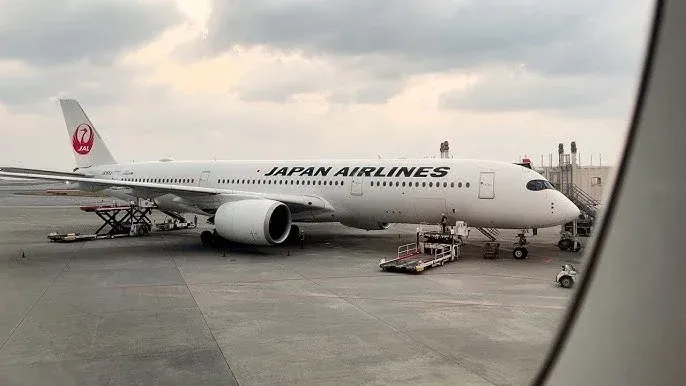
From Naha, Ishigaki is roughly a one-hour flight, operated by carriers including Japan Transocean Air, ANA and Solaseed Air, with departures throughout the day. There are also direct flights from mainland Japan, around three hours from Tokyo (Haneda and Narita), about two and a half from Osaka and Nagoya, and roughly two hours from Fukuoka. Routes, carriers and seasonal frequencies shift, so treat these as a starting point and confirm current schedules when you book.
You'll land at Ishigaki Airport, opened in 2013 and still widely called the New Ishigaki Airport, or Painushima, about half an hour from Ishigaki Port by bus or taxi.
The ferry network
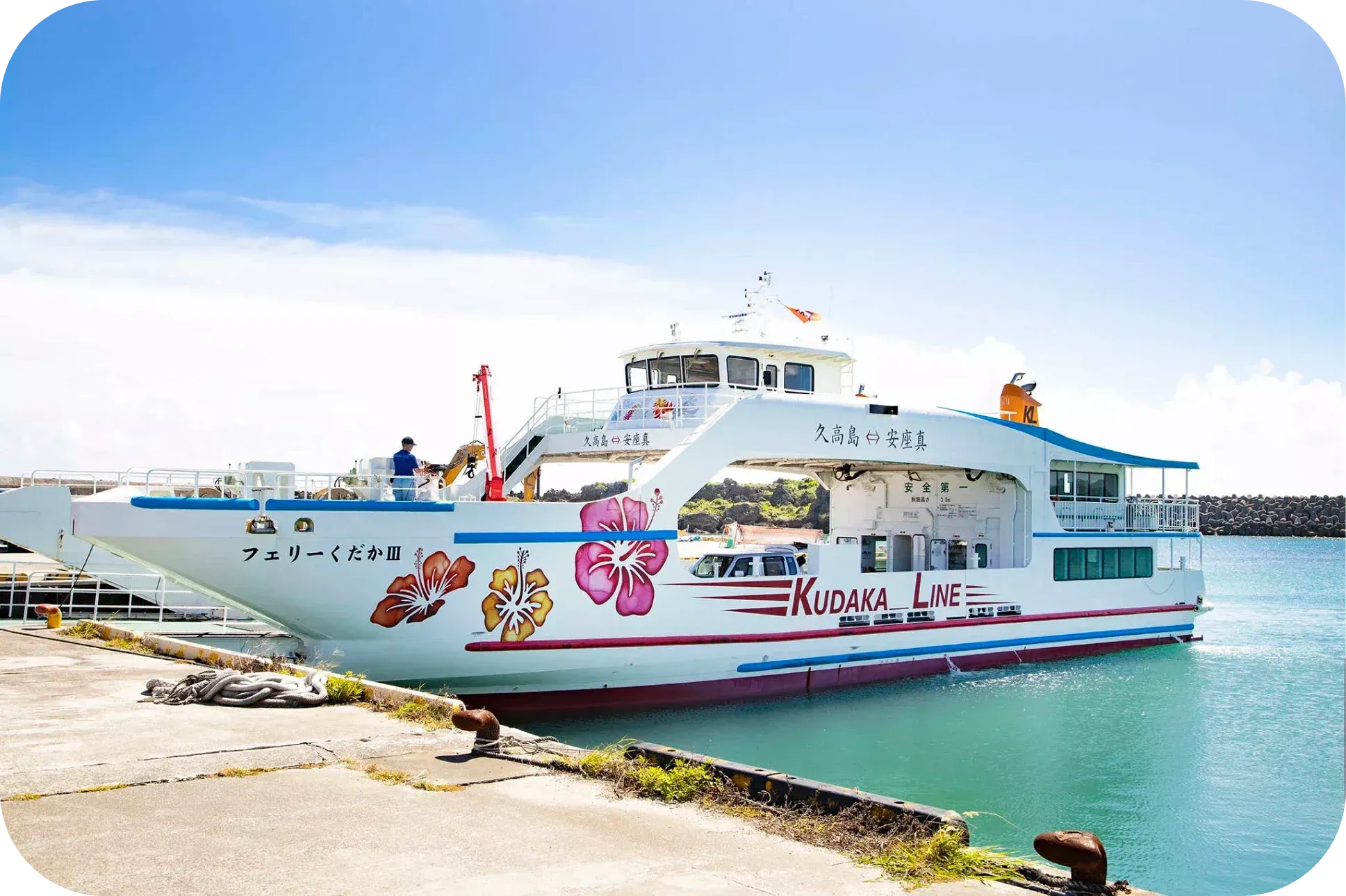
Every island boat leaves from the Ishigaki Port Remote Island Terminal in town. Two main high-speed operators run the routes, Anei Kanko and Yaeyama Kanko Ferry, and it's worth knowing that, apart from the Taketomi route, their tickets are no longer interchangeable. Buy a ticket with one company and you ride that company's boat.
Rough crossing times on the ferry from Ishigaki, as of early 2026 and always subject to weather: Taketomi is about 10–15 minutes; Kohama and Kuroshima around 25–30; Iriomote is roughly 35–45 minutes to the southern port of Ōhara and 45–55 to the northern port of Uehara; and Hateruma is a longer, open-ocean run of about 60–80 minutes, served by Anei Kanko only.
For the ferry to Taketomi Island, and for Kohama, Kuroshima and Iriomote, buying same-day at the counter in Ishigaki Port is usually fine, though booking online ahead saves you the peak-season queue. For Hateruma, and during busy stretches like Golden Week, Obon and the summer holidays, reserve in advance.
One route quirk to file away: the northern Uehara service on Iriomote cancels more often than the others, especially in winter. When it does, the operators typically reroute you to Ōhara and lay on a free shuttle bus up to the Uehara area — good to know so a cancellation doesn't sink your whole day.
Cars, bikes and buffalo carts
On Ishigaki, rent a car. Buses exist but they're sparse, and if you want to see the island's best corners — Kabira Bay, the north cape, the quiet east coast, a car is essential. Book your car rental early in summer, when stock sells out.
On Iriomote, you can rent a car once you arrive (you can't bring one over on the passenger boats). A single main road hugs the coast, so getting around is straightforward.
Taketomi Island is the charming exception: private vehicles aren't allowed, and there are no rental cars or scooters. You explore on foot, rent a bicycle and go around the white sand roads at your own pace, or ride from the back of a water buffalo cart as it ambles through the village to the sound of a sanshin. The smaller islands like Kohama and Kuroshima are flat and made for cycling.
The week, day by day
Day 1 — Land on Ishigaki and ease in
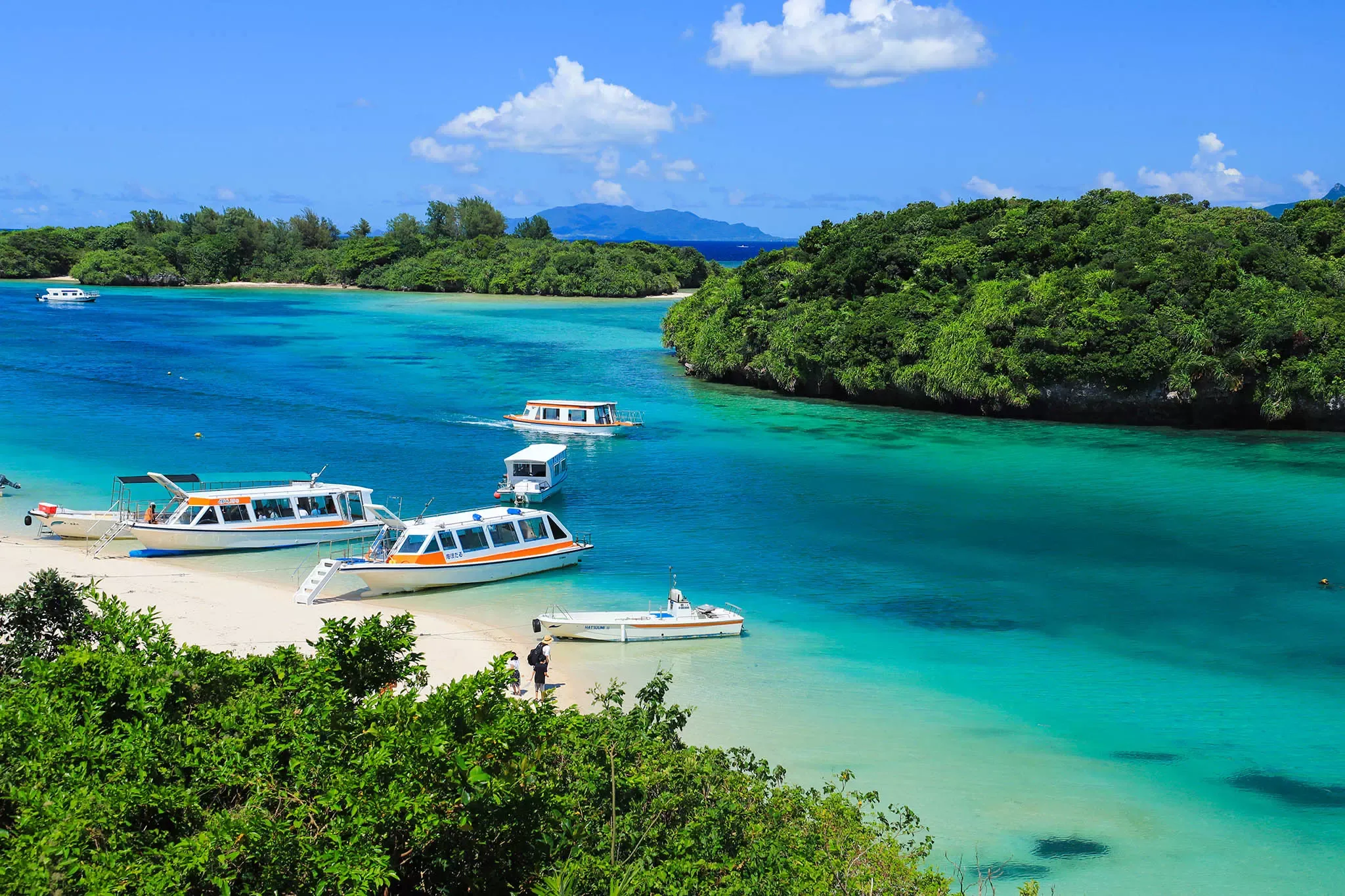
Arrive, collect your rental car, and drop your bags in town. Don't over-schedule the first day. Wander the covered arcade of Euglena Mall — the shopping heart of Ishigaki City, one of the southernmost cities in Japan — find your first bowl of Yaeyama soba, and if there's time before sunset, drive out to Kabira Bay for your first look at that impossibly layered blue.
A note on Kabira that surprises people: swimming is not allowed there. The bay is used for black-pearl cultivation and has strong tidal currents, so the way to explore it is from a glass-bottom boat, which drift out over the coral every fifteen minutes or so through the day. It's a landscape good enough to earn three stars in the Michelin Green Guide Japan — but save your swimming for the beaches elsewhere.
Day 2 — Ishigaki by car, and the mantas
Give the home island a full day before you start hopping. Ishigaki Island offers more than most people expect for its size: loop the north coast of Ishigaki Island to the ocean views at Tamatorizaki Observatory, stop for the shallow, family-friendly water at Yonehara Beach, and slow down for the scenery. Nearer Kabira, Sukuji Beach is a calm, gently shelving spot when the tide is right. If the weather turns, the Ishigaki Island Limestone Cave on the southern side of Ishigaki makes an easy indoor hour.
The headline, though, is underwater. The waters off Ishigaki Island are one of the most reliable places in the world to see manta rays, which gather around cleaning stations near Kabira from roughly early summer into late autumn, with the richest months typically midsummer through early autumn. You don't need to be a diver — several operators run a snorkelling boat tour out to the manta points. Sightings are never guaranteed with wild animals, but the odds here are genuinely good in season.
End the day back in town with local Ishigaki beef — the island's own wagyu beef, and the one splurge we'd never talk anyone out of. An Ishigaki beef burger at a casual spot does the job just as well as a steakhouse.
Day 3 — Iriomote: rivers, jungle and waterfalls
Iriomote is the reason many people come to Yaeyama at all. Ishigaki Island and Iriomote Island are barely forty minutes apart and belong to different worlds. The second-largest island in Okinawa Prefecture, it is around ninety percent protected jungle, laced with mangrove rivers and hidden waterfalls, and it feels a world away from anywhere else in Japan. Ishigaki and Iriomote could hardly be less alike, which is exactly why the third day of this trip lands the way it does.
The classic outing is a boat cruise up the Urauchi River, the largest river in Okinawa, followed by a jungle trek to Mariudo Falls and Kanpire Falls. The other signature adventure is kayaking toward Pinaisara Falls, the tallest waterfall in Okinawa at around 55 metres, with a climb to the top for the view back over the lush mangroves to the sea. The gentler Nakama River in the south is lovely for a mangrove cruise or paddle, and can be paired with a water buffalo cart ride across to tiny Yubu Island. If you have an hour spare near Uehara, Hoshizuna Beach, literally "star sand beach", is where the island's famous star-shaped grains wash up.
Here's the important part, and it's recent. Since March 2025, several of Iriomote's most sensitive natural areas, including the route to Pinaisara Falls, sit under a formal entry system run by the local town. In practice that means a daily visitor cap, an application made in advance, a small approval fee, and a requirement to go with a certified guide. The rules are still settling and the specifics can change, so check the current requirements well before your trip and book any permit-area activity early.
If you'd rather not overnight, Iriomote works as a long day trip. But if any island on this list tempts you to stay a night, make it this one.
Day 4 - Taketomi at dawn, then a smaller island
Catch one of the first boats to nearby Taketomi Island, before the day-trip crowds. This is a preserved Ryūkyūan village — coral-sand lanes, low houses under red tiles, a shīsā guardian on every rooftop, and it's designated for cultural preservation, so the whole island feels like a step back in time. Ishigaki and Taketomi Islands are barely ten minutes apart and yet centuries removed from one another.
Rent a bicycle and make a loop: Kondoi Beach for the island's best swimming, then Kaiji Beach, famous for its tiny star-shaped sand grains (look, admire, but leave them be). Take the water buffalo cart tour through the village if you'd like the sanshin soundtrack and a bit of traditional Ryukyu history.
Taketomi is a half-day well spent, which leaves the afternoon for a second, smaller island. Hop back and out again to Kohama, with its sugarcane roads and sea views, or flat, cycle-perfect Kuroshima, where the cattle famously outnumber the people. Either makes a relaxed, uncrowded close to the day.
Day 5 - The flexible adventure day
Keep this day loose on purpose, because the best of it depends on the sea.
If the water is calm and the forecast is kind, this is your window for Hateruma — Japan's southernmost inhabited island, home to a lonely southernmost-point monument, the clear water of Nishihama Beach, and, after dark, a starry sky so unpolluted you can pick out the Southern Cross low on the horizon. It's a magical place. It's also the riskiest crossing in Yaeyama: the run is long and exposed, cancellations are common, and the island can be cut off for a day or more when the weather turns. Treat Hateruma as a bonus you're lucky to catch, never as a fixed plan — and never schedule it the day before you fly home.
If the sea says no, don't fight it. Spend the day back over the coral reefs, on a snorkel or dive trip to the outer reef, or on a quieter beach closer to home. It's a good day for whatever the week has made you want more of.
Day 6 - Buffer day
This is the day that makes the whole plan work. Out here, boats get cancelled, by summer typhoons, by strong winter winds — and a week with no slack is a week that falls apart the first time a boat doesn't sail.
So Day 6 has no fixed job. If everything's gone smoothly, use it to explore Ishigaki properly, or go back and explore the island you liked best, take a lazy beach day, or enjoy Ishigaki after dark with a cooking class built on local ingredients or a slow crawl through the bars in town. If a crossing was cancelled earlier in the week, this is where that missed island quietly slots back in. Either way, you'll be glad it's there.
Day 7 - Slow morning and home
Ease out the way you eased in. A final swim, a last bowl of soba, some souvenirs, Yaeyama pottery, island salt, a bottle of the local awamori. Allow plenty of time to return the car and get to the airport, and fly back to Naha or onward from there.
Weatherproofing a ferry-dependent week
Everything in Yaeyama runs on boats, and boats answer to the weather, so a little planning saves a lot of heartache.
The rough seasons: the rainy spell usually falls across May and June, high summer (July through September) is hot, humid and the peak of typhoon season, autumn is warm and a touch calmer, and winter is mild but breezy, with northerly winds that can stop the more exposed sailings. On average, several typhoons approach the Okinawa region each year, most of them from August into September.
A few habits make the difference. Keep your remote-island days early in the week, not stacked against your departure. Build in that buffer day, two if you're travelling in typhoon season or chasing Hateruma. And each morning, check the operators' sailing status, which they post first thing. The short, sheltered Taketomi run rarely stops; it's Uehara and Hateruma that go first. Plan around that and a cancelled boat becomes an inconvenience, not a crisis.
Adding Miyako, if you want to
Some travellers want to pair Yaeyama's jungle with Miyako's postcard beach scenery. It's a lovely combination, just remember there's no ferry between the two island groups, so linking them means flying. There are short direct flights between Ishigaki and Miyako, though at limited frequency, and the fallback is to route back through Naha. Confirm current schedules, since these thinner routes change.
Where to stay by island
Ishigaki offers the full range of accommodation, beach resorts, some with private beach access, plus boutique hideaways, business hotels near the port, and guesthouses for tighter budgets. As your week's base, this is where most of your nights should be, and it's the easiest island for a comfortable stay.
Iriomote keeps things simpler: a few eco-lodges and resorts plus a scattering of minshuku and small pensions, so book ahead if you're overnighting. Taketomi has a handful of lovely traditional Okinawan inns inside the village and one high-end resort, but very few rooms in total, reserve early. On the smallest islands, accommodation is minimal and often cash-only.
What a week costs
Prices below are rough guides as of early 2026, always confirm before booking, not least because fares move with a fluctuating fuel surcharge.
One-way high-speed fares from Ishigaki run from under ¥1,000 to Taketomi up to roughly ¥3,600 or more to Hateruma, with the nearer islands somewhere in between. If you're visiting three or more islands, look at the multi-day island-hopping passes both operators sell; they usually pay off once you're making more than a couple of round trips. A compact car tends to fall somewhere around ¥3,000-¥6,000 a day including insurance, higher in peak season and worth booking early.
For daily spending per person, a rough frame: budget travellers using guesthouses, boats and casual eats might manage around ¥8,000–¥12,000 a day; a mid-range trip with a comfortable hotel and a paid activity or two lands closer to ¥15,000–¥25,000; and a resort-and-guided-tours week runs from roughly ¥30,000 upward. Flights are on top of all of this.
Variations on the week
Short on time (5 days): Skip Hateruma and trim one buffer day, base on Ishigaki, do Iriomote, Taketomi and one small island, and keep a single flex day.
Ten days: Add a Miyako leg by air, or slow everything down with two nights on Iriomote and a proper stay on Taketomi.
Diving-focused: Anchor the week around the manta season and the outer reefs, and treat the village islands as rest days between dives.
Families: Lean on the short, calm crossings, keep the buffer day sacred, and don't overreach for Hateruma with young kids.
Frequently asked questions
Is seven days enough for the Yaeyama Islands?
Yes. Seven days comfortably covers Ishigaki Island and Taketomi Island, a full Iriomote day, and one or two smaller islands, with a buffer day for weather. It's enough to enjoy the islands at a relaxed pace rather than rush them.
Can you take a ferry from the Okinawa main island or Miyako to Yaeyama?
No. There is no ferry between Yaeyama and either the Okinawa main island or Miyako. The only way to reach Yaeyama is to fly into Ishigaki. Boats operate only between the islands within the Yaeyama group.
Should I base on Ishigaki the whole time or change hotels?
For most travellers, basing on Ishigaki Island and taking day trips is the easiest and most efficient plan, because the crossings are short and frequent. Consider a night on Iriomote if you want multiple jungle activities, or on Hateruma given its cancellation risk.
How do you get from Ishigaki to Iriomote and Taketomi?
By high-speed passenger boat from the Ishigaki Port terminal. Taketomi is about 10–15 minutes away; Iriomote is roughly 35–55 minutes depending on which of its two ports you use. Times and fares vary and should be confirmed before travel.
Do you need a rental car in Yaeyama?
A car is very useful on Ishigaki Island and available on Iriomote. Taketomi does not allow private cars — you get around by bicycle, on foot, or by water buffalo cart. The smaller islands are best explored by bicycle.
Do you need a permit or guide for Iriomote?
As of March 2025, several of Iriomote's most sensitive natural areas, including the route to Pinaisara Falls, require advance entry approval, a small fee, and a certified guide, with a daily visitor cap. The rules are evolving, so confirm current requirements and book any permit-area guided tour well in advance.
Can you swim at Kabira Bay?
No. Swimming is not permitted at Kabira Bay due to pearl cultivation and strong currents. Visitors experience the bay by glass-bottom boat instead.
When is the best time to see manta rays off Ishigaki Island?
Manta rays are most reliably seen from around early summer into late autumn, with midsummer through early autumn generally considered the peak. Sightings are never guaranteed, but the season improves the odds considerably.
Is it realistic to visit Hateruma in a week?
It's possible but not guaranteed. Hateruma has the longest, most exposed crossing in Yaeyama and the highest cancellation rate, and the island can be cut off for a day or more in poor weather. Keep it flexible, allow a buffer, and never schedule it right before your departure flight.
When is typhoon season, and how much does it affect the boats?
Typhoon season runs roughly July through October and peaks around August and September, though sailings can also be disrupted by strong winter winds. Cancellations are common on the exposed routes, which is why a buffer day is strongly recommended.
Should I fly into Ishigaki or Naha first?
You can fly direct to Ishigaki from mainland Japan or connect through Naha. If Yaeyama is your whole trip, flying straight to Ishigaki saves time; if you're combining it with Okinawa's biggest island, routing through Naha makes sense.
A week that's better for the slack in it
The Yaeyama Islands reward travellers who plan the framework and then leave room to breathe. Pick your anchors, an Iriomote jungle day, a dawn on Taketomi, an afternoon with the mantas and a sunset over the water, build a base on Ishigaki Island, and hold a day or two in reserve for the sea to have its say. Do that, and a cancelled crossing or a rainy morning becomes part of the trip rather than the ruin of it.
Evertrail Tours · July 17, 2026