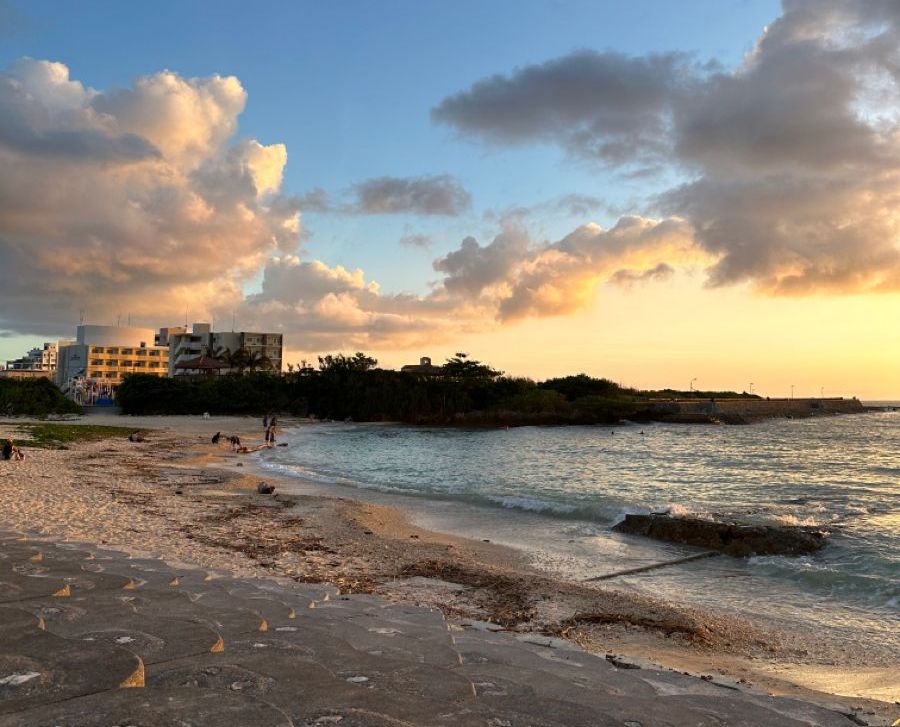
If you're standing in Naha with a free day (or three) and the Kerama Islands on your list, you're going to hit this question fast: do you catch a ferry out and back in the same day, or do you actually stay the night?
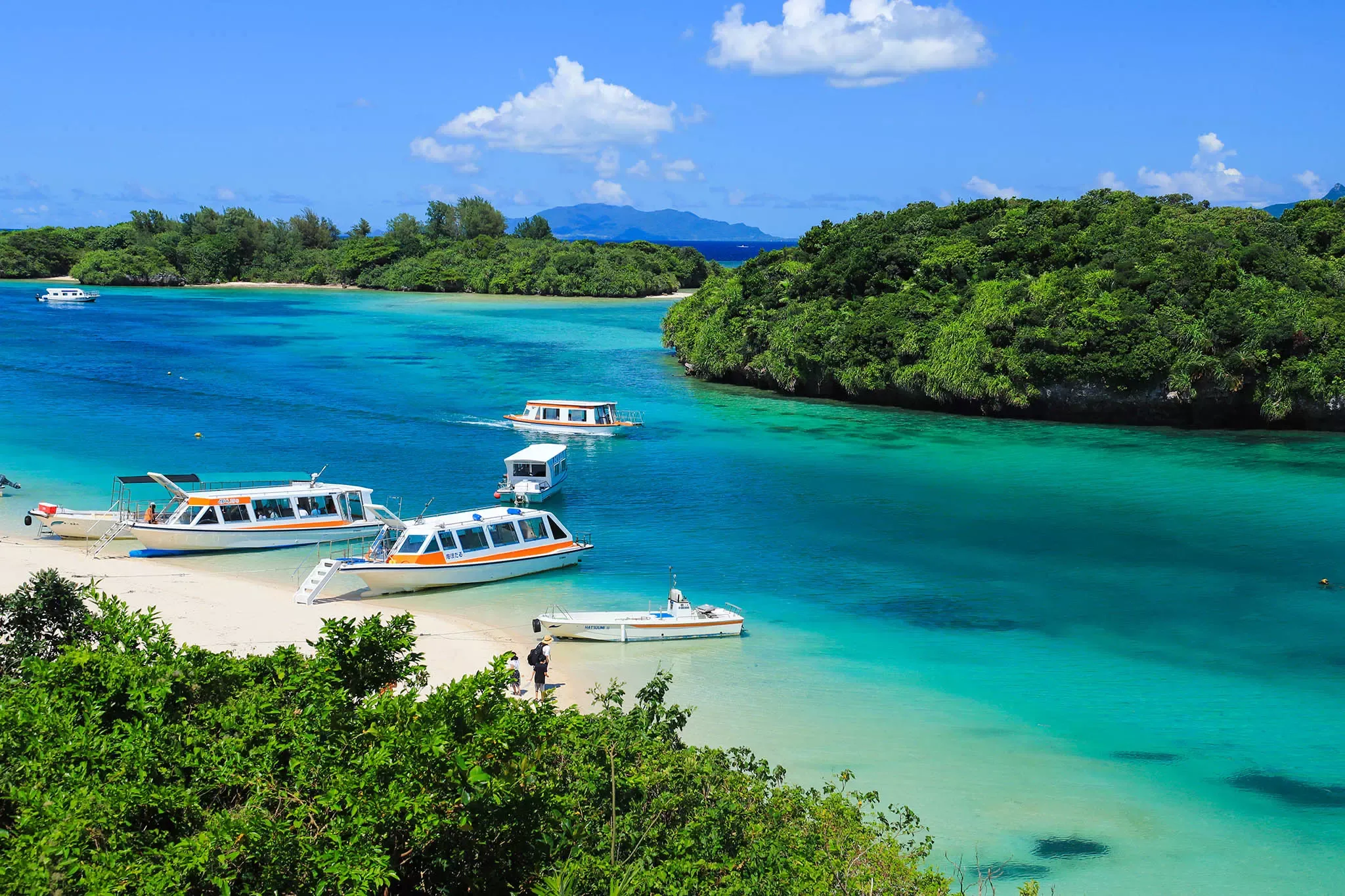
Okinawa's own tropical paradise sits about 40 kilometers west of Naha: more than 30 small islands and islets, most of them uninhabited, scattered around Tokashiki Island, Zamami Island, Aka Island, and Geruma. Every Kerama Island offers its own version of the same draw, colourful coral reefs, world-class snorkel and dive sites, and marine life that ranges from year-round turtle sightings to a migrating whale watching season each winter. These islands offer a very different experience depending on whether you day-trip or stay the night, which is exactly what this guide covers.
We get asked this more than almost anything else about Kerama Islands travel. And the honest answer is, it depends on what you actually want out of the trip. So instead of just listing beaches (we've done that elsewhere), this guide is built entirely around helping you make that one call, then showing you exactly what changes depending on which way you go.
The short version
- A day trip to Tokashiki or Zamami is completely doable, you'll get somewhere around 7 hours of actual island time out of a 10-hour round trip once ferry timing eats into your day.
- Staying overnight roughly triples your usable time on the islands, and it's the only way to catch sunrise light, empty beaches, stargazing, and a second snorkel session timed to the tide.
- Tokashiki and Zamami both work fine as day trips. Aka and Geruma make much more sense as an overnight, since they're quieter, smaller, and built for slowing down rather than rushing through.
- The whole archipelago sits inside Keramashotō National Park, so swimming zones and reef rules apply no matter which option you choose.
- Ferry seats, not island choice, are usually the real bottleneck, the high-speed boats sell out fast in peak season regardless of your plan.
Day trip or overnight, how to actually decide
Here's the math nobody tells you upfront. A day trip to Zamami or Tokashiki typically runs something like this: an early ferry out (board by 9am), a fast boat over, a full afternoon on the island, and a return ferry that gets you back to Naha by early evening. Total door-to-door time is close to 10 hours. Actual time with your feet in the sand is closer to 7, once you subtract walking to the port, waiting at the dock, and the bus or bike ride to the good beaches.
An overnight stay flips that ratio completely. You arrive in the early afternoon with nowhere to rush to, wake up the next morning with the whole island still quiet, and don't leave until the following evening. You're not getting an extra few hours, you're getting an entirely different kind of day, one that starts before the day-trippers arrive and ends after they've gone home.
So the real question isn't "which island" first, it's "what do I actually want."
Pick the day trip if:
- You're short on time or your itinerary is tight elsewhere on Okinawa
- You mainly want to swim, snorkel, and see Kerama Blue water for yourself
- You'd rather sleep in a proper hotel in Naha than a simple guesthouse
- You're traveling in typhoon season and want a plan you can easily reschedule
Pick the overnight if:
- You want to actually slow down, not just check a box
- Snorkeling with sea turtles matters to you, tide timing is everything, and a day trip locks you into whatever the tide happens to be doing at noon
- You're into stargazing, sunrise or sunset light, or just quiet beaches
- You're comfortable with simple, family-run guesthouse accommodation rather than resort comforts (because that's genuinely all that exists out here, there are no big international hotel chains in the Keramas)
Tokashiki, Zamami, Aka, and Geruma, run through that same lens
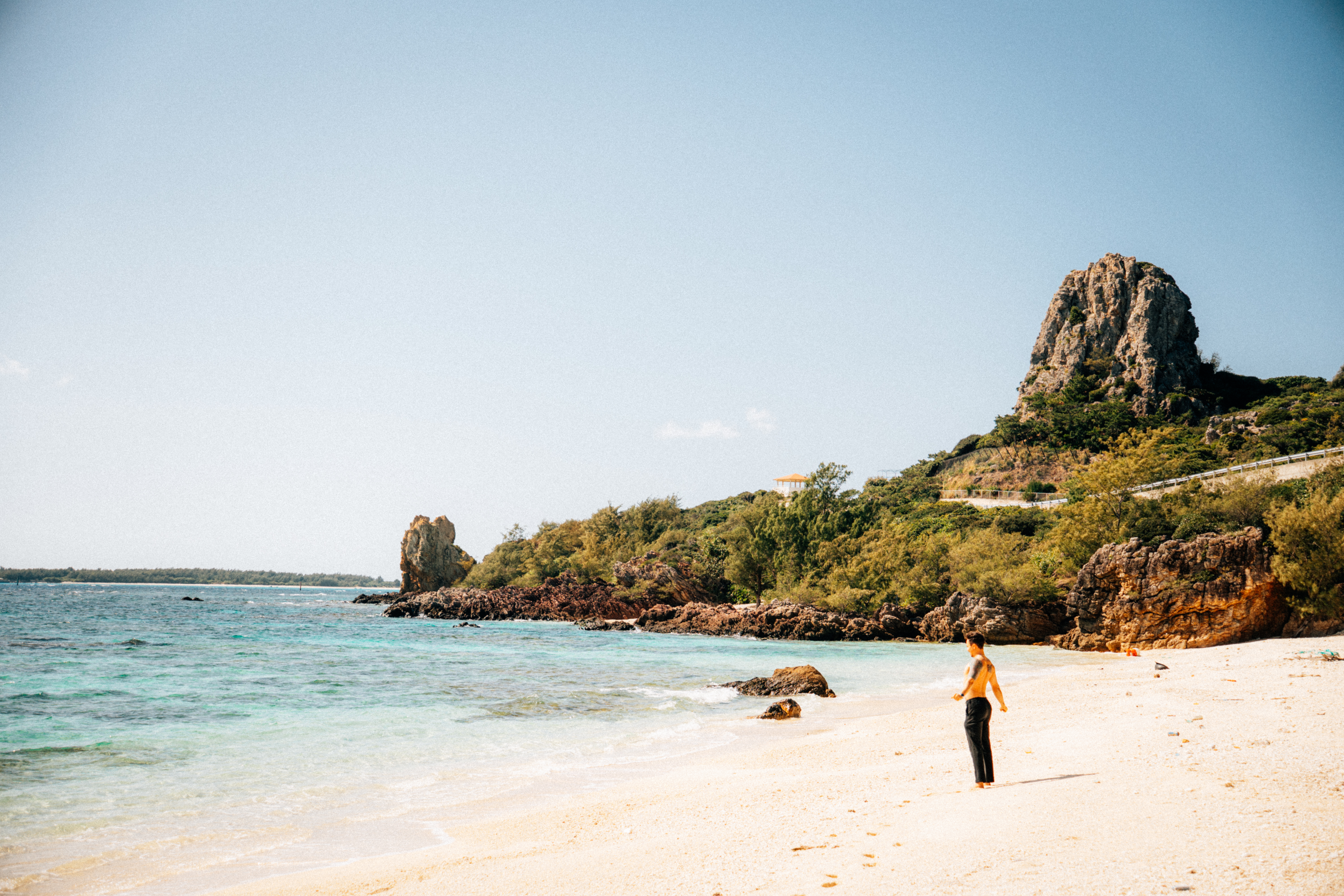
Tokashiki Island is the largest of the four inhabited islands, and it works well either way. The catch is that the ferry drops you at Tokashiki Port, while the best beaches — Aharen Beach and Tokashiku Beach, are on the other side of the island, so day-trippers need to hop a bus or rent a bicycle as soon as they land. Nearby, the Kubandaki Observatory is worth the short detour for breathtaking views over the coastline. Do that, and a day trip here is comfortable. Stay overnight in one of Tokashiki Village's guesthouses, and you get a second, quieter pass at Aharen Beach before the crowds arrive.
Zamami Island is the easiest island for a day trip, full stop. Its two main beaches, Furuzamami Beach and Ama Beach, are each roughly a 20-minute walk from the port — no bus, no bicycle required. It's also the most popular Kerama Island for dining and lodging, which makes it a solid overnight choice too, especially if you want a wider range of guesthouses and at least one good eatery within walking distance.
Aka Island is small, quiet, and genuinely local, this is where the "overnight over day trip" case is strongest. There isn't much to rush to Aka for and then rush away from. It rewards the traveler who wants to cycle or scooter around, watch the Kerama deer come out at dusk, spot the occasional turtle offshore, and see a properly dark, unlit sky at night. The main beach, Nishibama Beach, gets most of the attention, but the beaches on the island reward going further, the more remote Kushibaru Beach, out at the western tip, is worth the ride for snorkelers who don't mind a longer approach. A day trip is possible, but you'll spend a good chunk of it just getting there and back for what the island is best at.
Geruma Island is connected to Aka Island by a bridge you can cycle across, and in practice it functions less like a standalone destination and more like a quiet extension of an Aka overnight. Lodging here is extremely limited, expect essentially one option, so this is squarely an "add it onto an Aka stay" island rather than a trip of its own.
Getting there: ferries, ports, and timing
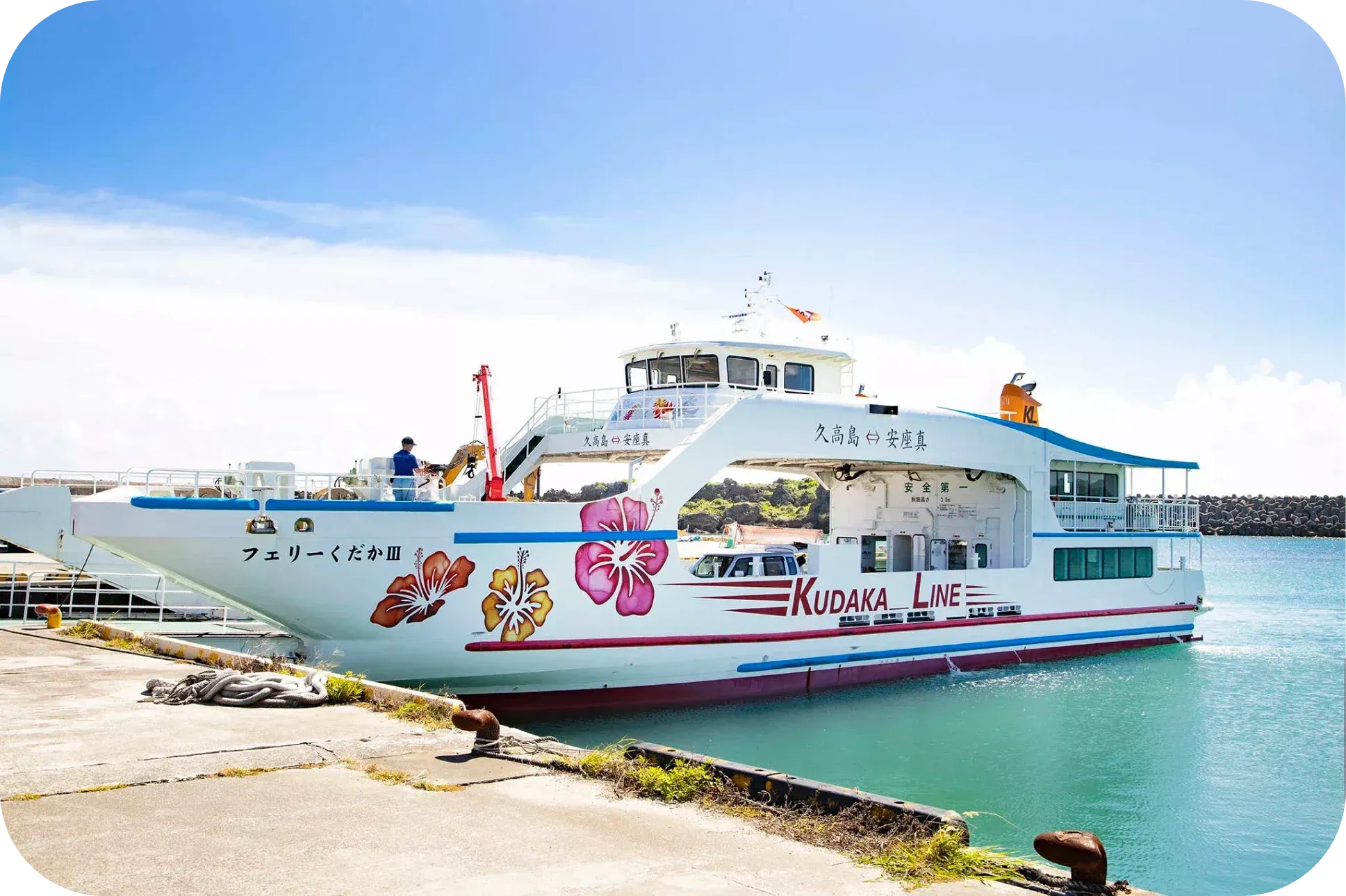
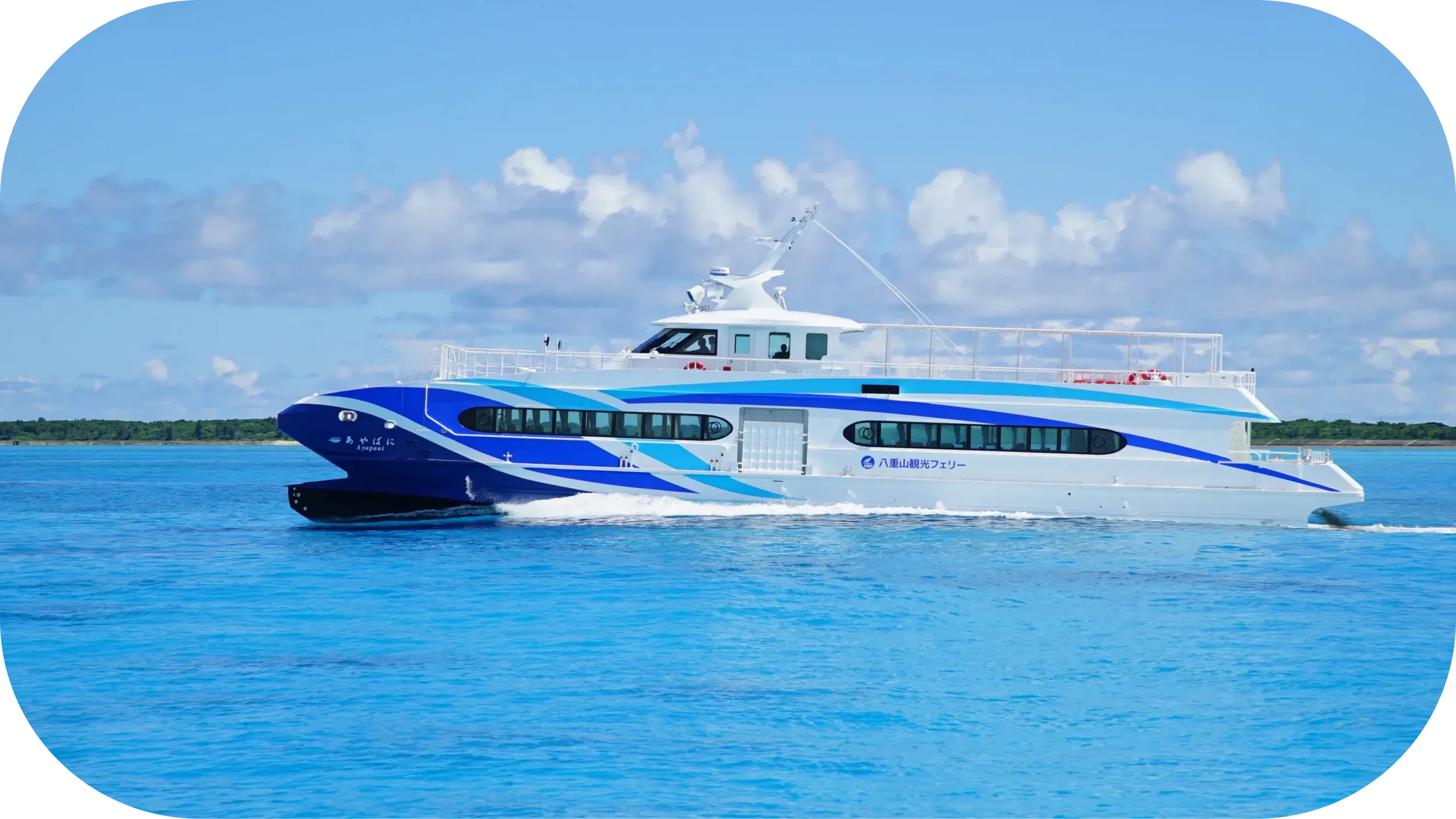
Whichever Kerama Island you're headed to, every boat leaves from Tomari Port (locals call it Tomarin) in Naha, though the routes split by island and operator. If you're trying to work out how to get to Zamami specifically, note that boats to Tokashiki and boats to Zamami/Aka depart from different piers within the same port in Naha, so double-check which one you need at the ferry terminal's ticket office when you arrive, it's an easy thing to get wrong on your first visit.
For Tokashiki, you're choosing between the faster, passenger-only Marine Liner Tokashiki catamaran (around 35–40 minutes each way) and a slower ferry that also carries vehicles (around 70 minutes). For travel between Zamami and Aka, it's a similar split: the high-speed Queen Zamami in the 50–70 minute range, or the slower Ferry Zamami, which takes closer to two hours.
The fast boats — Queen Zamami and Ferry Zamami both included, are the ones that sell out, especially through Golden Week, the summer months, and Obon in mid-August, so it's worth booking your ferry tickets several months in advance if your travel dates are fixed. Online booking windows and exact fares do shift, we've seen fare adjustments as recently as this year — so treat any specific yen amount you read (including here) as a starting point, and confirm the current fare directly at the ticket office or with the ferry operator before you lock in a date. If the fast boat is full, the slower ferry is almost always still available and simply adds travel time to your day.
If you want to island-hop between Zamami, Aka, and Tokashiki without going back through Naha, there's a small local boat, the Mitsushima, that connects the three. This inter-island route between Zamami and Tokashiki (via Aharen Port) is reservation-only and on-demand, so you'll need to call ahead the day before; the shorter hop between Zamami and Aka runs on a fixed daily schedule with no reservation needed. This is really only worth building into an overnight or multi-day plan, moving island to island rather than back through Naha each time, it doesn't fit inside a single day trip.
One more thing worth knowing regardless of which option you pick: the Keramas are frequently affected by rough seas and typhoons, especially from summer into autumn. For a day-tripper, a ferry cancellation is a mild inconvenience — you find out that morning and simply stay on the mainland instead. For an overnight guest, a multi-day weather system can mean an extra night or two you didn't plan for, since there's no air link back to Naha. It's worth building a buffer day into your schedule if you're staying overnight during typhoon season.
What each option actually costs
A day trip's only real cost is the ferry round-trip fare, which varies by island and by which boat you take. Nothing else to budget beyond food and any gear rentals.
An overnight stay adds a night (or more) of accommodation, and here's the honest picture: there are no large resorts anywhere in the Kerama Islands. What you'll find instead is a low-key, laid-back mix of family-run guesthouses and minshuku, with a small number of nicer boutique options on Tokashiki Island and Aka Island at the higher end. Budget-minded guesthouses can run quite affordably; the boutique options cost noticeably more. Because this is a small, seasonal market, treat any specific price range you see, including in this article, as a rough guide rather than gospel, and check current rates directly before booking. For a deeper look at specific places to stay by island and budget, see our full Kerama accommodation guide.
Who should pick which
If you're short on time, a cruise stop, a tight layover, or just one spare day in your Okinawa itinerary, a day trip to Zamami is your easiest option, purely because of how walkable it is from the port.
If you're traveling with young kids and want to keep things simple, a day trip usually beats an overnight, unless your family is already comfortable with basic guesthouse living.
If you're a diver or snorkeler chasing sea turtles or the best of the reef, staying overnight is genuinely the better call, turtles feed in the shallows at high tide and retreat when the tide drops, and a day trip locks you into whatever the tide happens to be doing during your few hours on the island. An overnight lets you actually plan around it.
And if you're the kind of traveler who wants a quiet beach at 7am with nobody else on it, or a properly dark sky at night, that's simply not available to a day-tripper. That one belongs to whoever stays.
Frequently asked questions
Can you visit the Kerama Islands as a day trip from Naha?
Yes. High-speed ferries from Naha reach both Tokashiki and Zamami in under an hour, departing from Tomari Port, which makes a same-day round trip realistic if you catch an early boat.
Is it better to stay overnight in the Kerama Islands?
It depends on your priorities. Staying overnight gives significantly more usable time on the islands and access to quiet mornings, sunset and stargazing, and tide-timed snorkeling. A day trip is simpler and cheaper, and suits travelers short on time or accommodation flexibility.
Which Kerama island is best for a day trip - Tokashiki or Zamami?
Zamami is generally the easier day trip, since its two main beaches are each about a 20-minute walk from the port. Tokashiki also works as a day trip but requires a bus or bike to reach its best beaches from the port.
How long is the ferry from Naha to the Kerama Islands?
High-speed ferries typically take around 35–40 minutes to Tokashiki and 50–70 minutes to Zamami or Aka. Slower regular ferries take roughly 70 minutes to Tokashiki and up to two hours to Zamami or Aka.
Do you need to book Kerama ferry tickets in advance?
It's strongly recommended, especially for the high-speed boats during Golden Week, summer, and the Obon holiday period, when seats sell out. Regular ferries tend to have more availability if the fast boat is full.
Is there accommodation on Aka Island?
Yes, though options are limited to small, family-run guesthouses and a couple of higher-end boutique properties — there are no large resorts anywhere in the Kerama Islands.
Can you visit multiple Kerama islands in one day?
It's technically possible using the local Mitsushima inter-island boat, but it's a tight squeeze and works far better as part of an overnight or multi-day itinerary than a single day trip.
What happens if the ferry is cancelled due to weather?
Day-trippers are simply notified before departure and stay on the mainland instead, a minor inconvenience. Overnight guests caught in a multi-day weather suspension can be stuck on the islands longer than planned, since there's no air link back to Naha, so building in a buffer day during typhoon season is worth considering.
Evertrail Tours · July 10, 2026