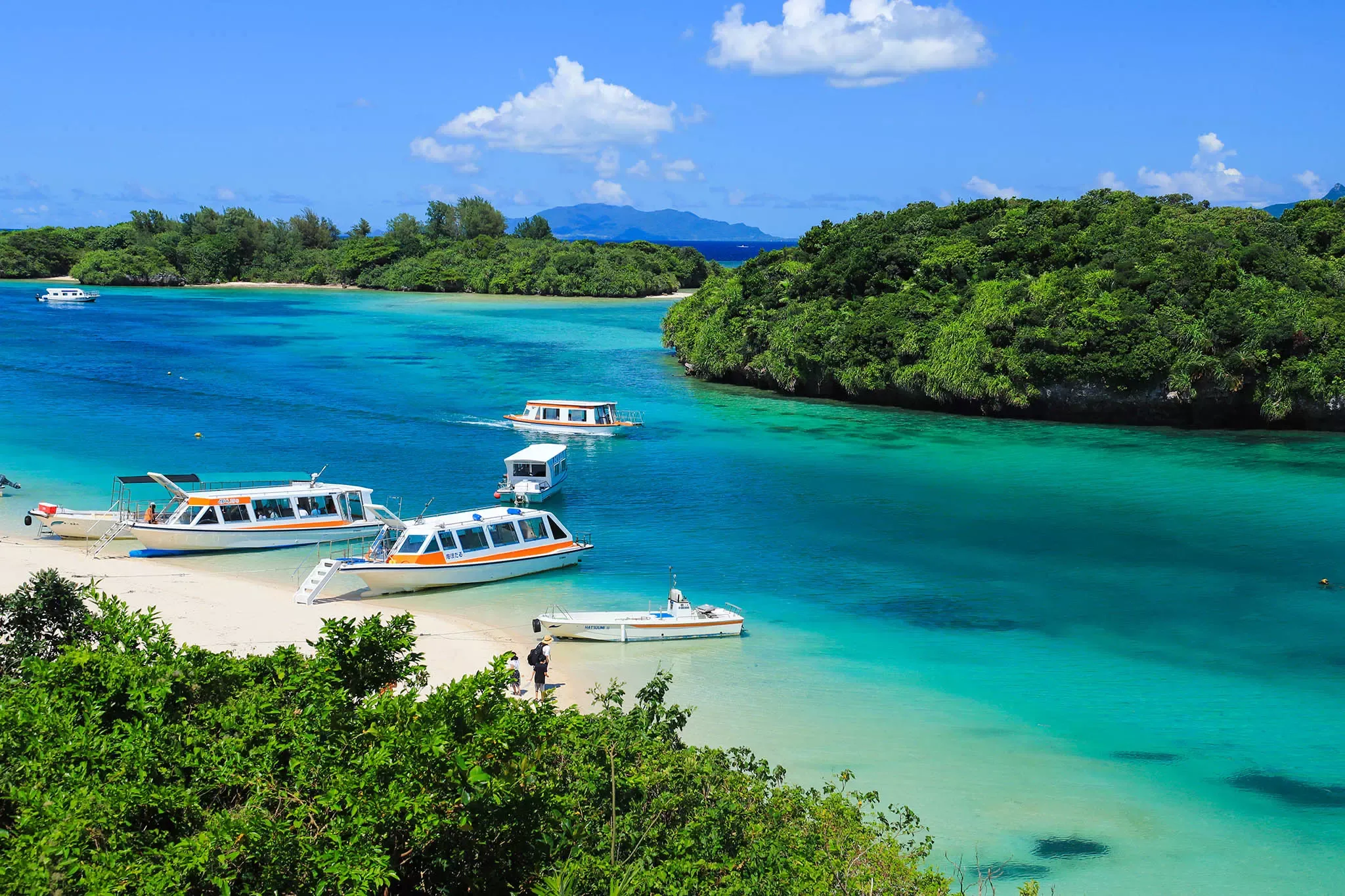
Okinawa Water Sports: Parasailing, Wakeboarding, and Every Way to Ride the Waves
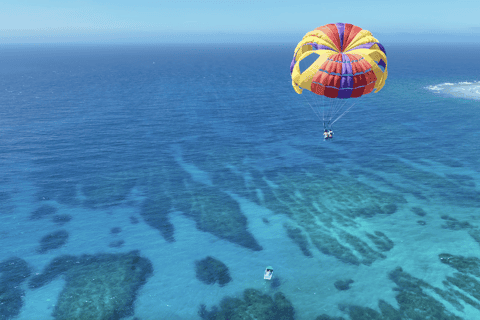
There's a moment, hanging under a parachute a couple of hundred metres above the reef off Chatan, when the engine noise fades and the whole west coast of Okinawa just opens up beneath you, the water shading from turquoise to deep blue, the surf line, the little boats leaving white threads across the bay.
Okinawa is one of the best places in Japan to get out on the water and go fast, or go up. The warm blue ocean, the crystal-clear waters, the sheltered bays, and the sheer density of marine sport operators mean you can be strapped into a harness or bouncing across a wake within an hour of landing at Naha Airport. This Okinawa water sports guide is the one we'd give a friend: what each activity actually feels like, where to do it, when to go, what it costs, and how to book without overpaying.
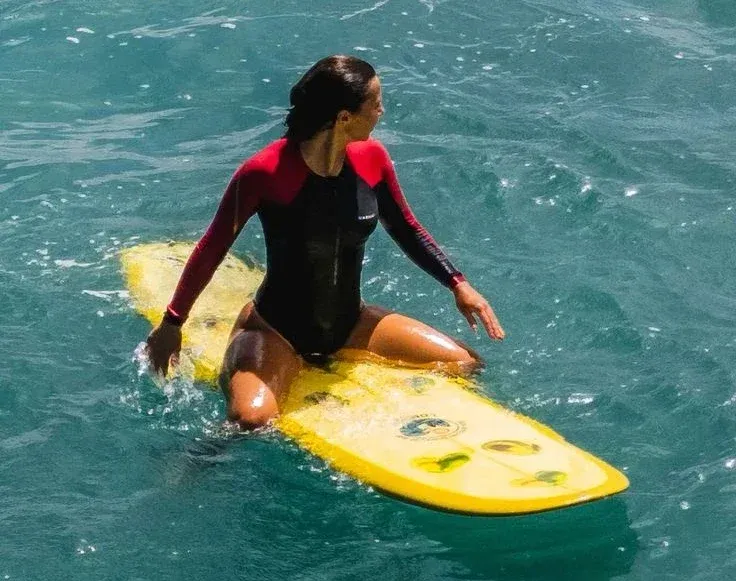
What this guide covers (and what it doesn't)
Okinawa's ocean is a playground for two very different kinds of travellers, and it's worth being clear about which one you are today.
If you want the fast, powered, airborne stuff, parasailing, flyboarding, jet skis, banana boats, and the towable tubes that fling you around behind a speedboat, you're in the right place. That's what this guide is about.
If you're after the quiet water, snorkelling over a coral reef, a dive down to the seabed, paddling a clear SUP or trying stand-up paddleboarding through mangrove forests, or catching your first wave, we've written separately about those, and we'll point you to them along the way. There's plenty here for the calm-water paddler; trying to cover everything in one place does none of it justice.
So: motors, ropes, and adrenaline. Let's go.
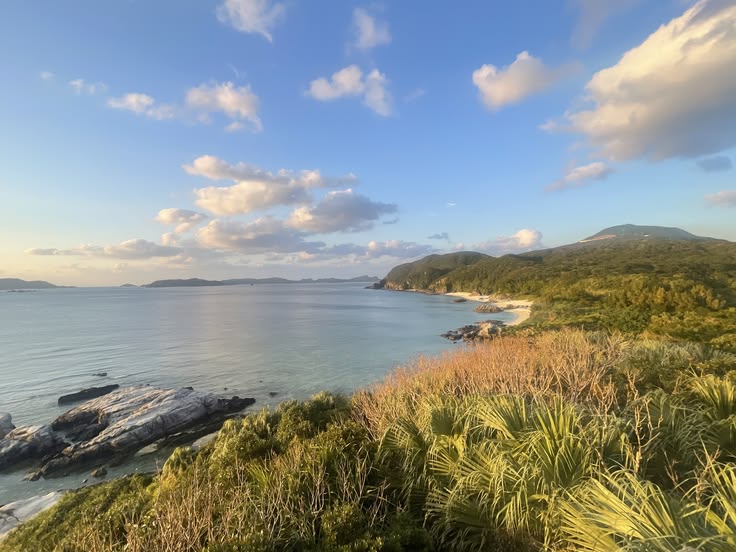
The aerial thrills: parasailing and flyboarding
Parasailing: the one everybody can do
If you only do one water activity in Okinawa, make it this. Parasailing is the gentlest possible way to get a genuine thrill, which is exactly why it's perfect for beginners, nervous flyers, non-swimmers, and kids alike.
Here's the part people don't expect: you never touch the water. On the boats here, you take off and land right from the back deck. You sit down, they clip you into the harness, the boat accelerates, and you soar into the air on a long rope. When it's time to come down, you settle back onto the deck. Dry the whole time. No swimming required, no fitness needed, you just sit there and take in the view.
Most operators let you choose your height. The short course runs roughly a 60-metre rope and puts you around 30 metres up. The middle option uses a 120-metre rope for about 60 metres of altitude. And the big one, a 200-metre rope, the longest on the island, floats you up to around 90 metres, high enough that the reef turns into a map. You usually go up in pairs or threes, so it's a shared moment rather than a solo dare.
The flight itself is only seven to ten minutes, but the whole outing, boat ride out, everyone's turn, boat ride back, takes an hour or two. Kids can typically fly from around age four, and older travellers are welcome too. Bring a phone strap or let the crew film you; a lot of shops throw in the photos.
Flyboarding: the show-off's choice
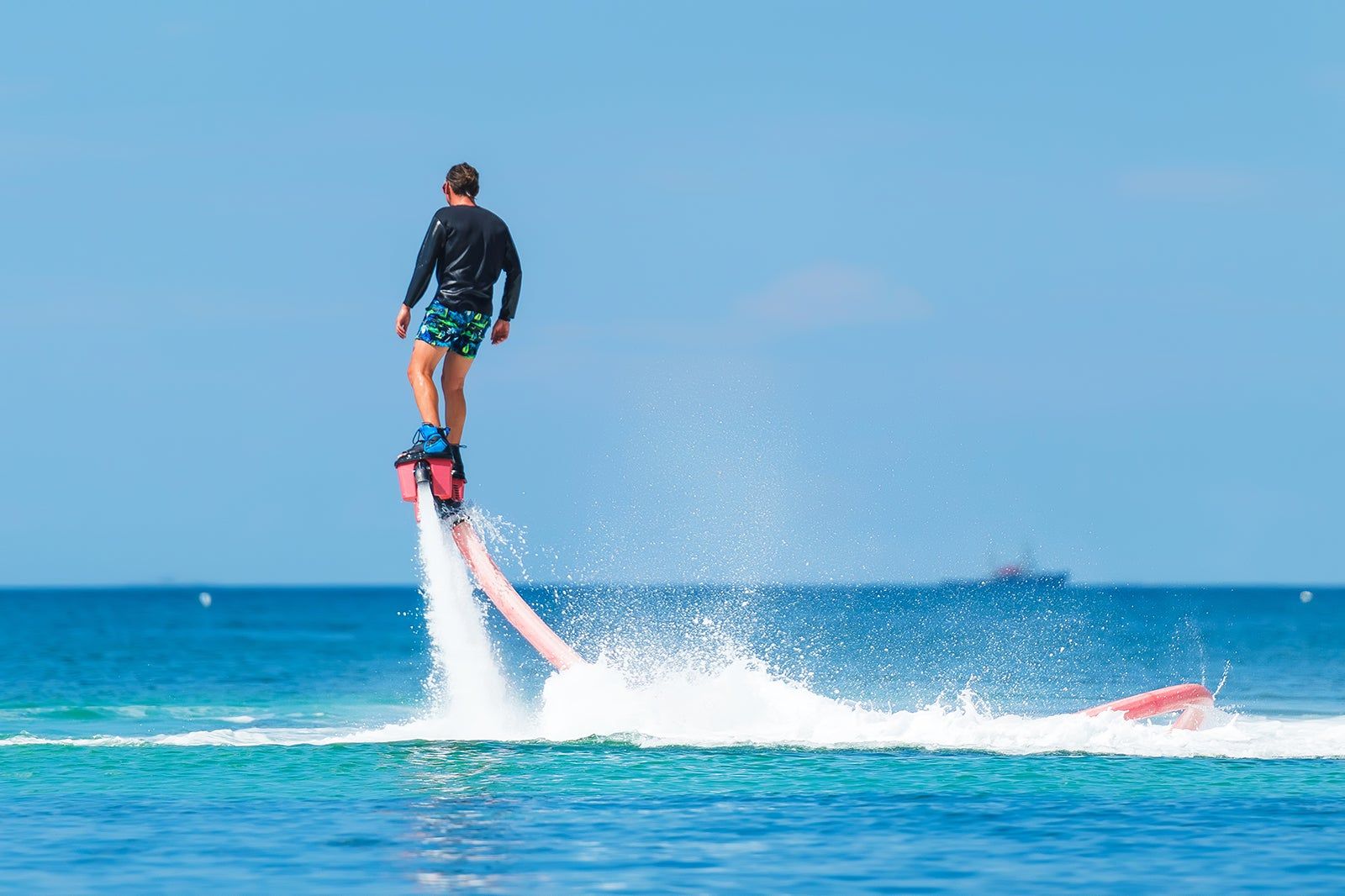
Flyboarding is the opposite energy. A jet ski pumps water through a long hose to a fly board strapped to your feet, and the pressure launches you up off the surface. Get it right and you're standing on a column of water like something out of a superhero film. There's a hoverboard version too, where you lie across the board and swoop around more like a surfer.
It looks impossible. It isn't. Every session starts with a land briefing and some shallow-water practice, and most beginners are hovering — wobbly, delighted, within a few tries. You will get wet, you will fall in, and you'll want a rest afterward because it works muscles you forgot you had. Sessions run about half an hour including the lesson, with roughly fifteen minutes of actual airtime.
One thing to know: the minimum age is higher, usually around twelve, and there's often a weight minimum too. This is the one for teens and adults who want the story to tell back home.
Towed and towable: banana boats, tubes, and wakeboarding
The towables, pure, silly fun
This is the category families come back to. A speedboat tows an inflatable, you hang on, and the driver does his best to make you scream.
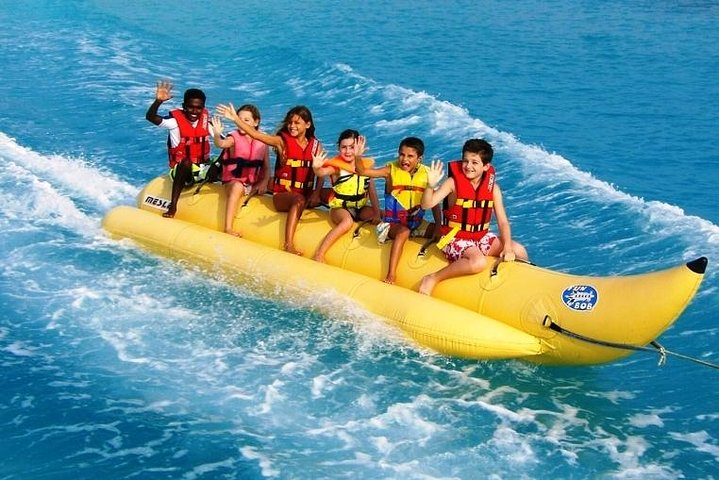
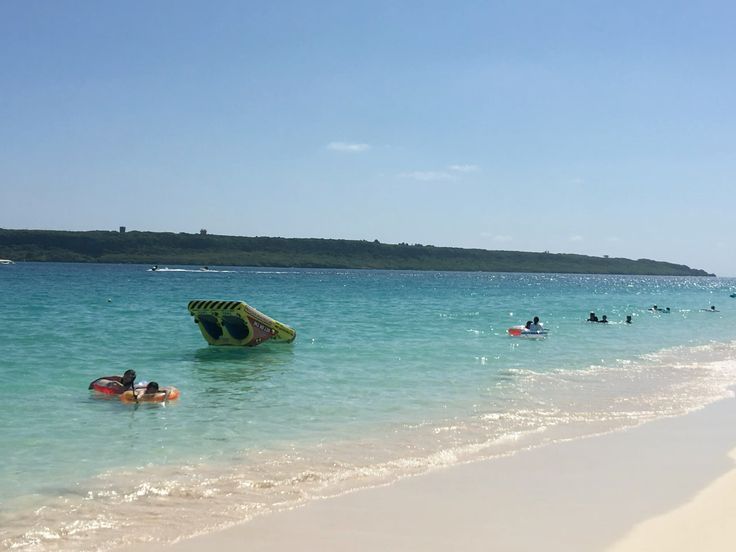
The banana boat is the classic, a long inflatable that seats anywhere from three to ten people. You straddle it, grab the handles, and the captain decides whether today is a gentle sightseeing cruise or a "hope you're holding on" special. A life jacket keeps non-swimmers perfectly safe, and yes, you might get bounced off, that's half the point.
Beyond the banana, there's a whole zoo of towables. The marble (sometimes called a sofa) has a backrest and is the most stable of the lot, the one we steer younger kids and anyone nervous toward. The four-person disc, often marketed as a "biscuit," spins and skips. And the wilder tubes, the flyfish that catches air, the lie-down "screamer" rides, are built to rattle your nerves in the best way. Most of these welcome kids from around age four on the calmer models.
The smart buy for groups is an unlimited-play package: 60 to 120 minutes where you rotate through everything the shop has, often priced per boat rather than per head. If there are four or more of you, it's the best value on the water.
Wakeboarding (and a note on waterskiing)
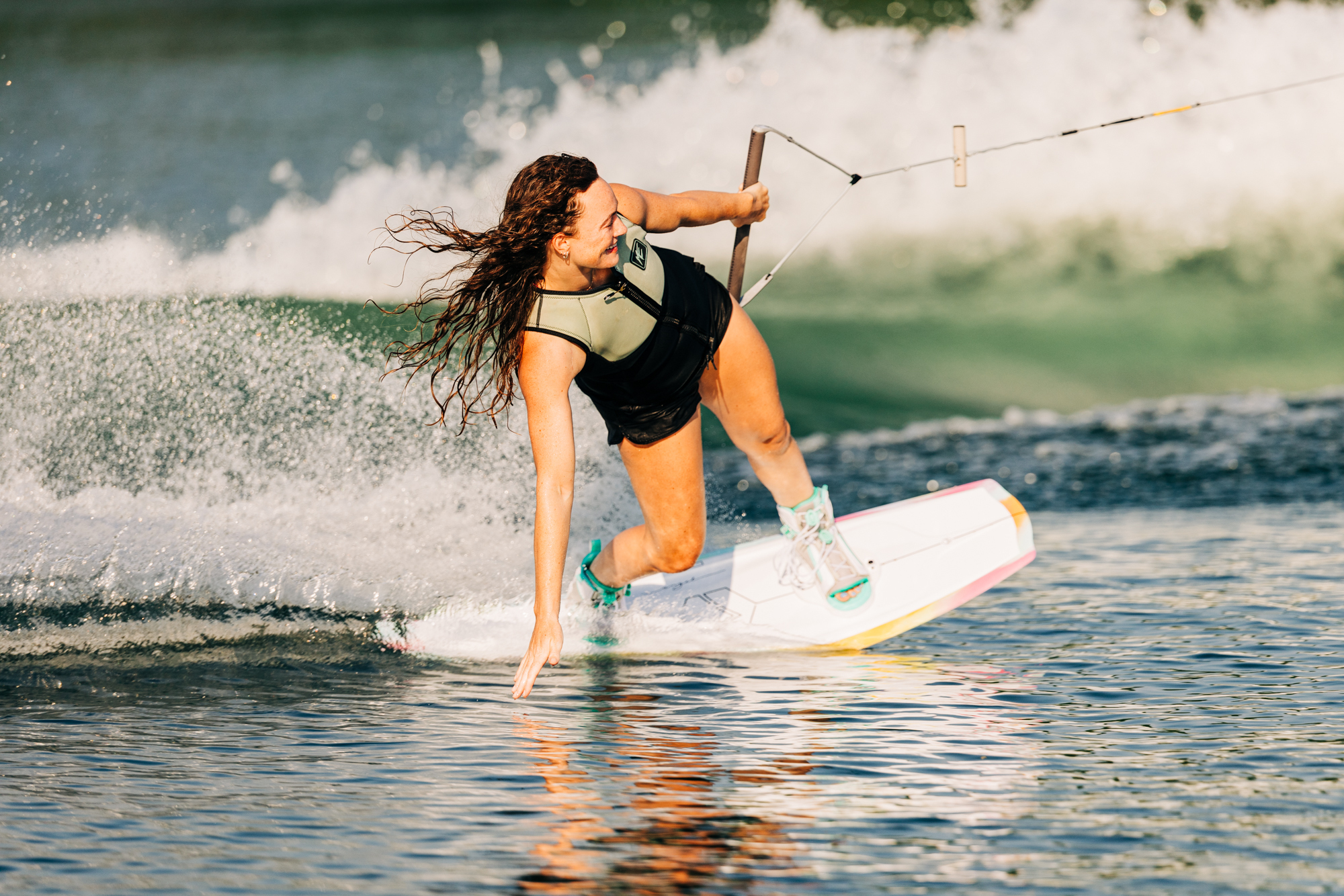
If you'd rather build a skill than just hang on, wakeboarding is the one. You strap onto a wakeboard, the boat tows you up, and you carve across and over the wake. It's harder than the towables, expect to fall a lot at first while the instructor coaches you up, but standing up for the first time is a genuine rush. Most operators take riders from around ten to twelve and up.
A quick heads-up so you don't waste time searching: traditional waterskiing, the two-ski, slalom kind, has basically vanished from Okinawa's menus. Operators have swapped it out for wakeboarding, which is easier to learn and more fun to watch. If a listing says "water ski," it almost always means wakeboarding or a towable ride. Don't go hunting for something the island no longer really offers.
Jet skis : driven or ridden
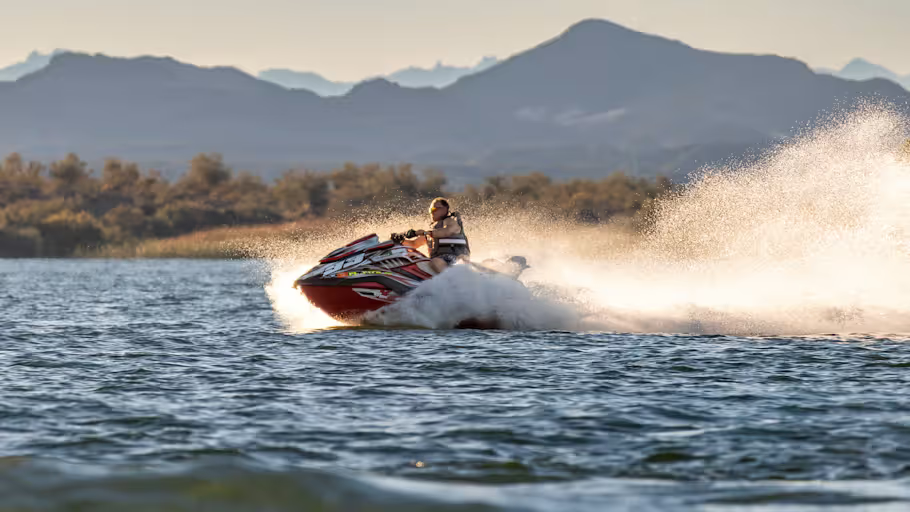
You've got two ways to do a jet ski here. The easy one is the experience ride: you hop on behind a staff driver in a marked-off sea area, no licence needed, and even young children can ride pillion. The other is renting one to drive yourself, and that requires a Japanese personal-watercraft licence. Foreign and international boating certificates don't count, so unless you've got the local paperwork, the guided ride is your route. Either way, expect to get splashed and to grin the entire time.
Jet skis also double as the workhorse for combo days, ferrying you out to snorkel spots and quiet coves between rides.
Where to go: Okinawa's water sports hubs by region
Okinawa's operators cluster along a handful of coasts. Where you're staying largely decides where you'll play.
Chatan and American Village (central, about 40 minutes from the airport). The most convenient all-rounder. Araha Beach and the Chatan Fisherina marina put parasailing, banana boats, flyboarding, glass-bottom boats, underwater scooters, and ocean walking a short walk from the shops, cafés, and hotels of American Village. If it's your first day and you want a variety of marine activities without a long drive, start here.
Ginowan Port Marina (central, about 20 minutes from the airport). The closest serious hub to Naha City and one of the densest, parasailing, flyboard, jet skis, and towable packages, some of Ginowan City's most popular marine activities, all launch from the prefecture's largest yacht harbour. If you're short on time, this is the efficient choice.
Onna Village (west coast, about an hour out). The combo capital. Onna sits next to the famous Blue Cave, so operators here love to pair a parasailing flight or banana ride with a snorkel session in one half-day outing. Beautiful coastline, Cape Manzamo is right up the road, and lots of choice.
Motobu, Sesoko, and Minna (north, about 90 minutes to Churaumi's neighbourhood). The scenery pick. Parasailing over the Sesoko Island and Minna waters is some of the prettiest on the island, and it pairs naturally with a trip up to the aquarium. Boats often leave from Toguchi Port. Worth the drive if you're already heading north past Nago City.
Itoman and Nanjo (south, about 20 minutes from the airport). The quiet, quick option. Bibi Beach Itoman and the nearby fisherina run parasailing, banana boats, big-marble tubes, and wakeboarding, with fewer crowds than the central beaches and an easy hop from the airport, good for a first or last day.
Uruma, Tsuken, and Henza (east coast, about an hour to 75 minutes out). The local's secret. The sheltered islands strung along the sea road stay calmer and more workable in more weather conditions, and operators here run everything from 200-metre parasailing to jet-ski trips out to uninhabited islands, often with a beach barbecue thrown in. Fewer tourists, more space.
Which activity is right for you?
If you're a nervous first-timer or afraid of heights, parasailing. It's calm, it's dry, and people who swore they'd hate it come down asking to go again.
If you've got young kids or non-swimmers in the group, parasailing, the banana boat, the stable marble tube, and a staff-driven jet ski ride. All of them keep you in a life jacket with a pro in charge.
If you're an adrenaline chaser, flyboarding first, then a fast jet-ski experience and the wildest towable the shop has.
If you want to learn a skill, wakeboarding. Give it the full session; the falls are the tuition.
Season, weather, and safety
Okinawa's marine-sports season runs roughly April through late October. Most beaches close down for the season sometime in the second half of October, when the beach huts shut and the lifeguards go home.
The towable and swimsuit-only activities, banana boats, tubes, mostly follow that beach calendar. Parasailing is the exception: because it launches from a boat and keeps you dry, a handful of operators run it much closer to year-round, though winter's north winds and rougher seas still cancel plenty of days. If you're visiting in the cooler months, parasailing is your best bet for getting out on the water.
Typhoons are the wild card, most likely from June through October and peaking in late summer. Okinawa handles them well and life carries on, but marine operators will automatically cancel when a storm or high-wave warning is issued, safety isn't negotiable out here. The upside: things usually settle within a day or two once a system passes. A little rain, on the other hand, rarely cancels anything; if the sea is safe, the boats run.
A few safety notes worth taking seriously:
Look for Maruyū-certified operators, that's Okinawa's official "safety-measures-excellent" marine-leisure certification, and it's a genuine signal that a shop meets the prefecture's standards for staff, rescue readiness, and accident reporting. The good operators are proud of it.
Life jackets are mandatory for every towed and powered activity, no exceptions. Pregnant travellers are not permitted on these rides, and anyone under twenty typically needs a guardian's signed consent. Most operators fold insurance into the price, but many also carry liability disclaimers, so travel insurance of your own is a smart backstop.
Finally, if you're in the water in summer, respect the box-jellyfish (habu) season, which the prefecture flags from June through September. Swim inside the netted areas at managed beaches, and remember that 118 is Japan's sea-emergency number if anything ever goes wrong offshore.
Costs and how to book smart
Prices move with the season and the shop, so treat these as ballpark rather than gospel, and confirm before you book.
A single parasailing flight usually runs around ¥7,000, give or take, with the longer-rope courses at the higher end. A flyboard session lands around ¥7,000 to ¥8,500. A one-off banana boat ride is cheap, roughly ¥2,200 to ¥3,500, while a staff-driven jet-ski experience runs about ¥3,500 to ¥6,000 depending on length. The best-value option for a group is an unlimited-play towable package, often priced per boat (frequently in the ¥15,000 range for an hour, split among everyone).
What's usually included: the gear, life jacket, insurance, and a safety briefing. Many shops also throw in free photos or GoPro footage, ask. Showers and changing rooms are common, sometimes for a small fee. Hotel pickup varies a lot, and a wetsuit, if you want one, is often a small extra.
On booking, you've got two routes. The big platforms, Veltra, KKday, GetYourGuide, give you English (and other languages), card payment up front, reviews, and, crucially, free cancellation up to a cutoff. That convenience is worth a lot if you don't speak Japanese. Booking direct with a local shop can be cheaper and sometimes allows same-day sign-ups, but English support is hit or miss.
One rule that saves heartbreak: book ahead in peak season. Mid-July through August, Golden Week, and the September holidays fill up fast, and the best morning slots go first. A few weeks' notice is not overkill.
Making a day of it
Half a day on the water leaves plenty of room to build something bigger, and this is where Okinawa rewards a little planning.
The classic move on the west coast is the combo: pair a parasailing flight or a towable session in Onna with a Blue Cave snorkel, and you've filled a morning with both a thrill and a swim. Up north, the same logic pairs Sesoko or Minna watersports with an afternoon at Churaumi. On the east coast, the island-hopping day trips out to Tsuken often bundle marine sports with a beach barbecue. In every case, the watersports are the fast half and the snorkelling is the slow half, we cover the underwater side in its own guides.
If the crowded beach-shop scene isn't quite your speed, there's a quieter way to spend a day on the water with us. Our Island Hopping Experience trades the jet-ski queues for a private charter boat out to Izena, a remote island where the fishing boats outnumber the tourists, a river trek and waterfall swim in the morning, then out to sea for snorkelling, fishing, and a dinner cooked with locals from the day's catch. It's the antidote to a busy beach day.
And if it's the catch that appeals more than the speed, our Catch & Cook Tour leaves from Ginowan Harbour, the same stretch of coast as the central watersports hubs, and puts a rod in your hand before putting your fish on the table. Two very different ways to be out on the same blue water.
Frequently asked questions
Is parasailing in Okinawa safe?
Yes. Reputable operators are licensed and insured, launch and land you from the boat, and keep you in a harness and life jacket the whole time. Choose a Maruyū-certified operator, and note that tours are cancelled automatically in unsafe weather.
What's the best time of year for water sports in Okinawa?
The main season runs from April to late October, with the warmest, most reliable conditions in early summer and autumn. Peak summer brings the best water but also the highest typhoon risk and the biggest crowds.
Can children do water sports in Okinawa? What's the minimum age?
Many activities welcome children from around age four, including parasailing, banana boats, stable towable tubes, and staff-driven jet-ski rides. Flyboarding and wakeboarding have higher minimums, usually around ten to twelve.
Do you need to know how to swim to go parasailing?
No. Parasailing takes off and lands from the boat, so you stay dry and never enter the water. A life jacket is worn throughout as standard.
How much does parasailing cost in Okinawa?
A single flight typically costs around ¥7,000, with longer-rope, higher-altitude courses costing more. Prices vary by season and operator, so confirm at the time of booking.
Where's the best place for water sports near Naha?
Ginowan Port Marina is the closest major hub, about 20 minutes from the airport. Chatan and American Village, about 40 minutes away, offer the widest variety alongside shops and restaurants.
Can you do water sports in Okinawa in winter?
Some. Parasailing runs closer to year-round because it's boat-based and keeps you dry, though rough winter seas cancel some days. Most swimsuit-only towables pause outside the April-to-October beach season.
Do I need to book in advance, or can I just show up?
In quieter months, same-day booking with a local shop is often possible. In peak season, summer holidays and major Japanese holiday weeks, book several weeks ahead, especially for morning slots.
What should I bring or wear?
A swimsuit, a towel, a change of clothes, sunscreen, and a secured phone or camera. Gear and life jackets are provided; wetsuits are often available to rent for a small extra fee.
What happens if the weather is bad on my booking day? Operators cancel automatically when storm or high-wave warnings are issued, and you're generally refunded or rescheduled. Light rain usually doesn't stop a tour if the sea is safe.
The last word
Okinawa's water is the whole reason people come here, and there's no better way to meet it than head-on, swinging under a parachute, skimming across a wake, or hanging onto a banana boat with your family screaming behind you. Start with parasailing if you're unsure, save flyboarding for when you're feeling brave, and build a combo day if you want the best of both the fast and the slow.
Whatever you choose, book a certified operator, watch the weather, and give the ocean the respect it deserves. Then let it do the rest. We'll see you out there.
Evertrail Tours · July 12, 2026