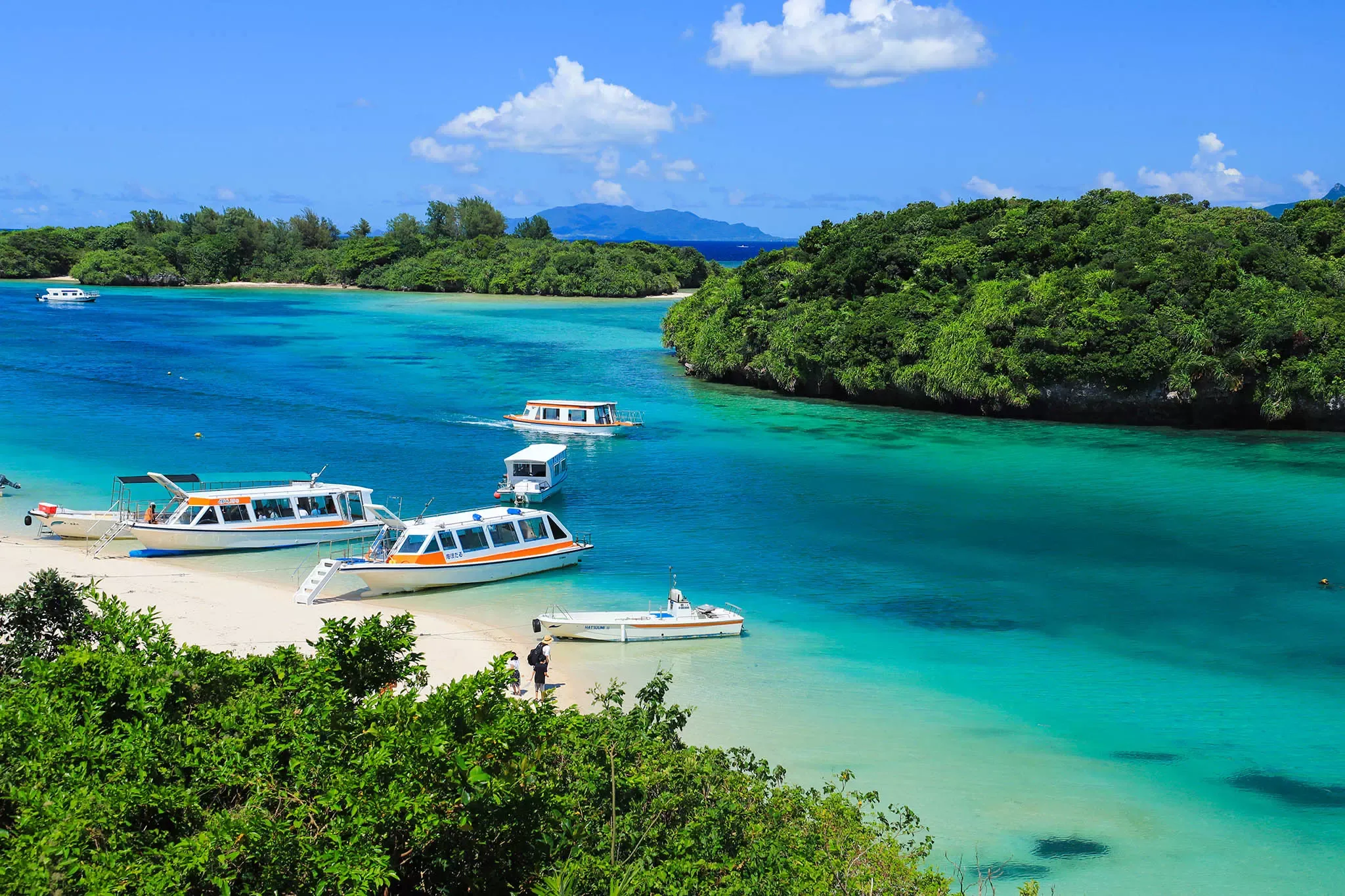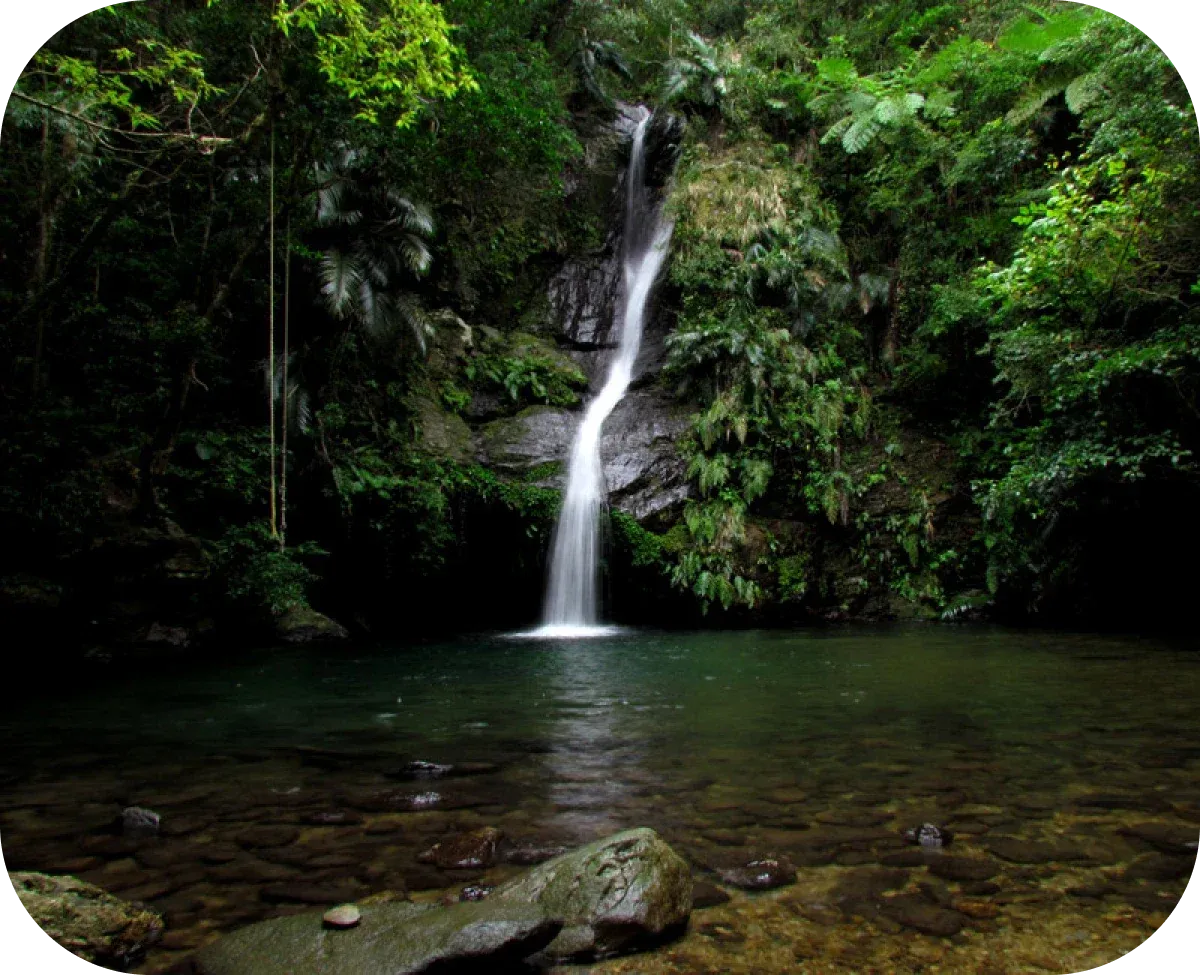
Most people come to Okinawa for the beaches. Fair enough, they're some of the best in Japan. But spend a few days up north, where the coastline gives way to dense subtropical forest, and you'll understand why locals talk about Yanbaru the way other people talk about a favorite hiking trip they haven't stopped thinking about.
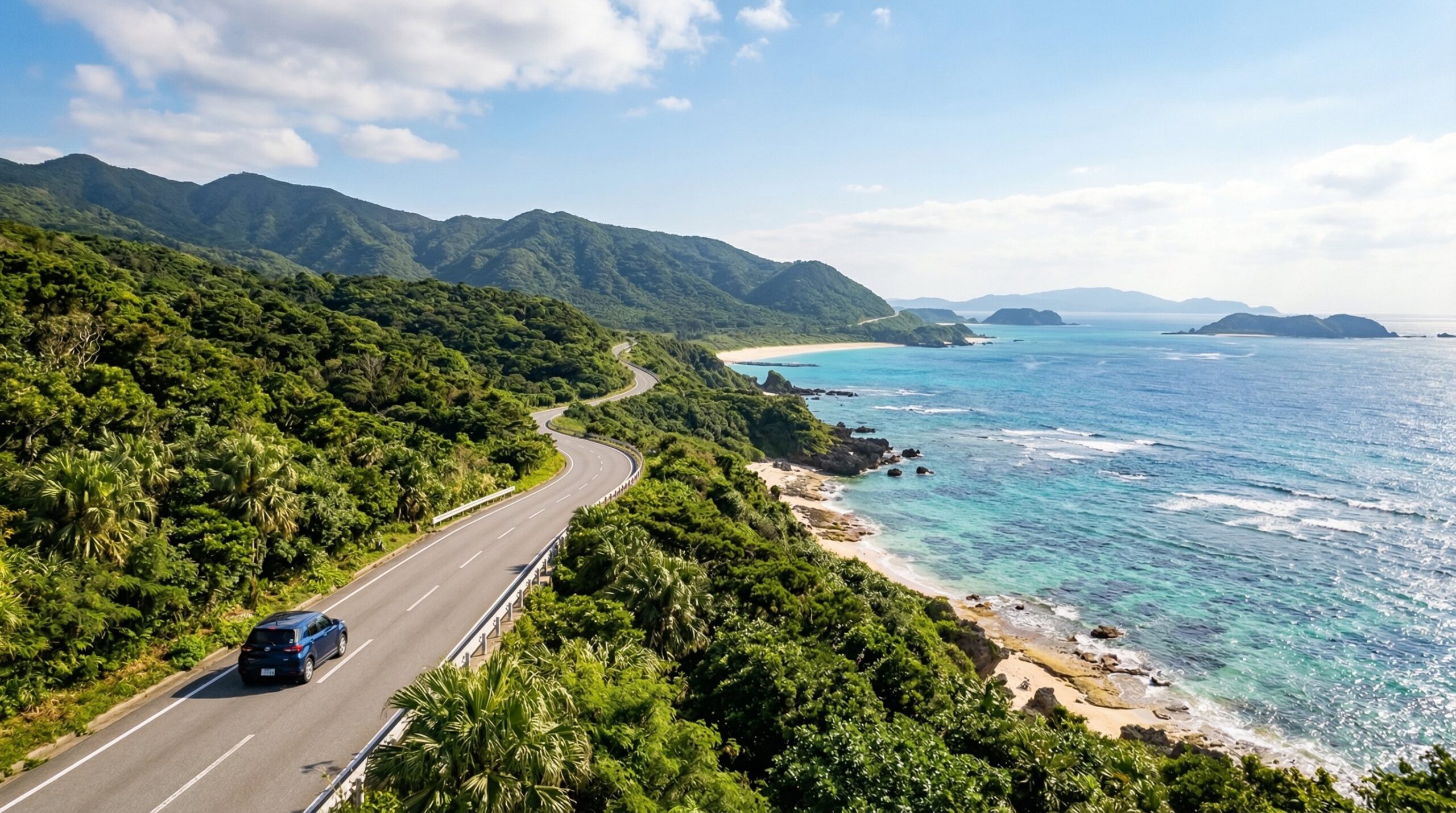
This isn't a place with dramatic alpine peaks. What Okinawa offers instead is something quieter, ancient forest, waterfalls tucked behind curtains of vine, coastal cliffs that drop straight into the East China Sea. The hiking here rewards people who slow down.
Below are the trails we'd actually send a friend to, based on what's open right now, what's genuinely worth the drive, and what fits your fitness level and timeline. We've also flagged the one hike that's currently closed, because pretending otherwise would waste your morning.
Key Takeaways
- Best for beginners: Cape Hedo, a paved, easy clifftop walk with some of the best coastal views on the island.
- Best for a big payoff: the Ta-taki river trek in Ogimi, where you wade upstream to a waterfall pool.
- Best for cherry blossom season: Mt. Yaedake, especially mid-January to early February.
- Skip for now: Hiji Ōtaki Falls, Okinawa's tallest waterfall trail has been closed since a major storm in November 2024, with no confirmed reopening date.
- Permits: you don't need one for general daytime hiking in Yanbaru National Park. The one real restriction is a nighttime closure on certain forest roads (7 p.m. to 5 a.m.), mainly to stop poaching of protected wildlife.
- Best season overall: November through May, before typhoon season brings heavier rain and higher closure risk.
Why Hike in Okinawa?
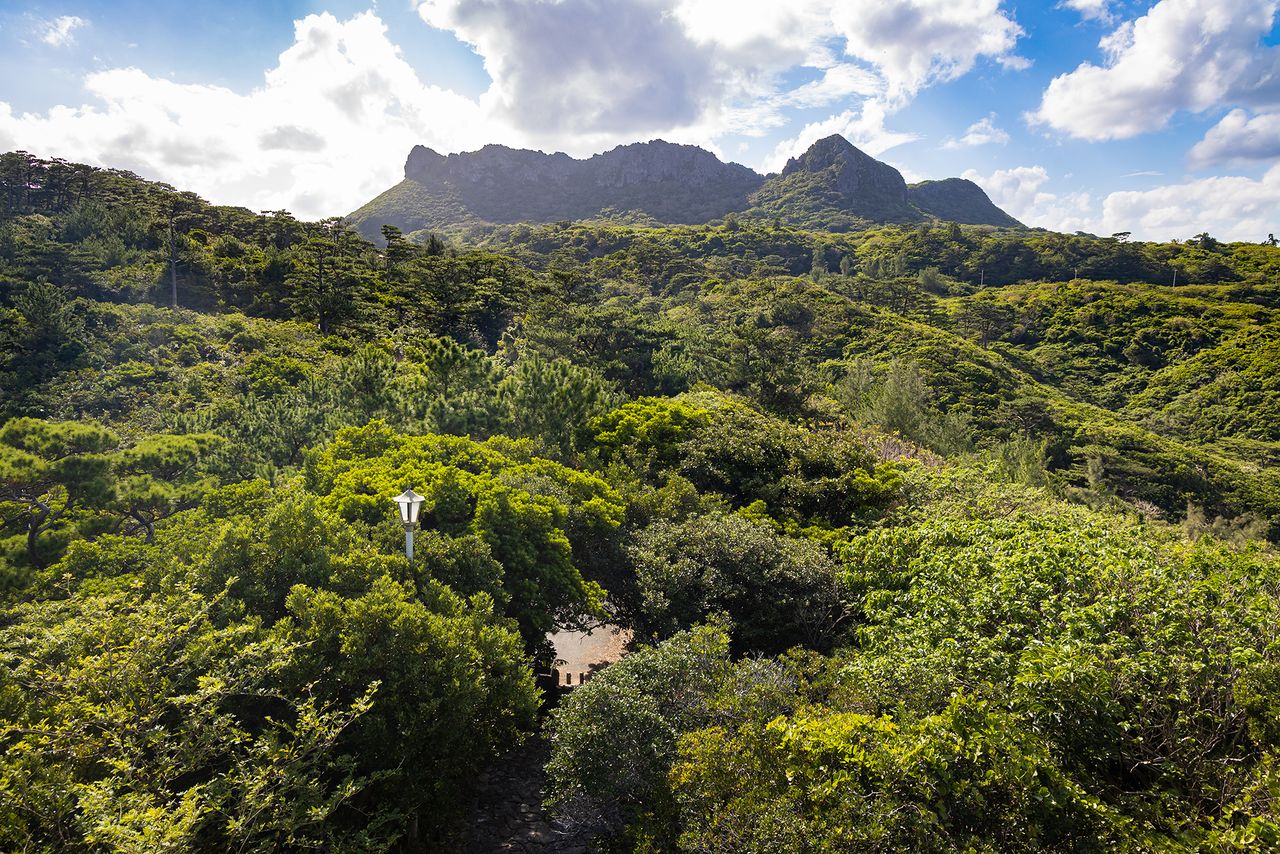
If your mental picture of Okinawa is all sand and turquoise water, the north will catch you off guard. Yanbaru — the forested region covering the northern third of the main island — is one of the most biodiverse patches of subtropical forest in Japan, home to species found nowhere else on Earth, like the flightless Okinawa rail. It's rugged, humid, alive with sound, and about as far from a beach resort as you can get while still being on the same island.
We've written a full guide to exploring the Yanbaru wilderness if you want the bigger picture — parks, wildlife, where to stay. This article zooms in on the trails themselves: which ones to actually explore, and what to expect when you get there.
A Quick Note on How We Picked These
We tried to cover a mix — easy and strenuous, waterfall and coastline, north and central — rather than just ranking the most Instagrammed spots. Distances and difficulty for a few of these trails come from trail-mapping platforms rather than an official government source, since Okinawan municipalities tend to publish admission fees and hours more reliably than exact trail statistics. We've noted where that's the case.
The Trails
1. Hiji Ōtaki Falls (currently closed)
Difficulty: Moderate | Distance: ~3 km round trip | Time: 1.5–2 hours (when open)
We're leading with this one because it's the hike everyone searches for — and right now, you can't do it. Hiji Ōtaki, Okinawa's tallest waterfall at 25.7 meters, sits at the end of a well-built boardwalk trail through Kunigami Village, about a 40-minute walk each way under normal conditions.
A record rainstorm in November 2024 flooded the Hiji River, tore out sections of the boardwalk, and damaged the campground nearby. The trail and campground have been closed ever since, and as of our last check, Kunigami Village hasn't announced a reopening date — some reports suggest repairs could take years.
We're keeping this entry in the article because it's genuinely the best waterfall hike on the island when it's open, and because searching for it and finding nothing useful is worse than searching and getting a straight answer. Check the Kunigami Village Tourism Association's site before you plan a trip around this one — and if it reopens, we'll update this.
2. Mt. Yaedake: best for cherry blossoms and easy summit views
Difficulty: Easy at the summit, strenuous on connecting ridges | Elevation: 453.4 m | Time: 10–30 minutes from the upper parking area
Mt. Yaedake, near Motobu, is the second-highest peak on Okinawa's main island — and unlike most "hikes" on this list, most of the elevation is handled by your car. A paved road climbs about 4 km toward the summit, with parking near the top and short walking trails and stairs leading to the viewpoints.
That makes it one of the easiest "big view" payoffs on the island — Motobu Peninsula spreads out below you, ocean on multiple sides. It's also home to one of Japan's earliest cherry blossom festivals, with around 7,000 kanhizakura (Taiwan cherry) trees lining the summit road. If you're visiting in mid-January through early February, this is worth building a day around.
Want more of a workout? The ridge trails connecting toward Mt. Katsuu and Mt. Awadake are considerably harder — steep, technical, and best for experienced hikers with proper footwear.
3. Cape Hedo : easiest hike on the list, best coastal views
Difficulty: Easy | Distance: 20–30 minute loop | Access: Free parking
Cape Hedo sits at the literal northern tip of Okinawa, and it's less a hike than a scenic clifftop path — paved, mostly flat, and accessible enough for strollers and wheelchairs on the maintained sections. On a clear, sunny day, you can see toward Yoron Island across the water.
There's a visitor center nearby called HEAD LINE with a café and rooftop observation deck, plus free parking with room for around 80 cars. It's also the symbolic starting point of Japan's nationwide "Japan Trail," if you want a bit of trivia to go with your photos.
This is the one to bring family members or less mobile travel companions to — nobody leaves disappointed, and nobody's out of breath.
4. Ta-taki Falls river trek : best for a real forest adventure
Difficulty: Moderate | Distance: ~2.3 km round trip | Time: ~30 minutes each way, plus swim time
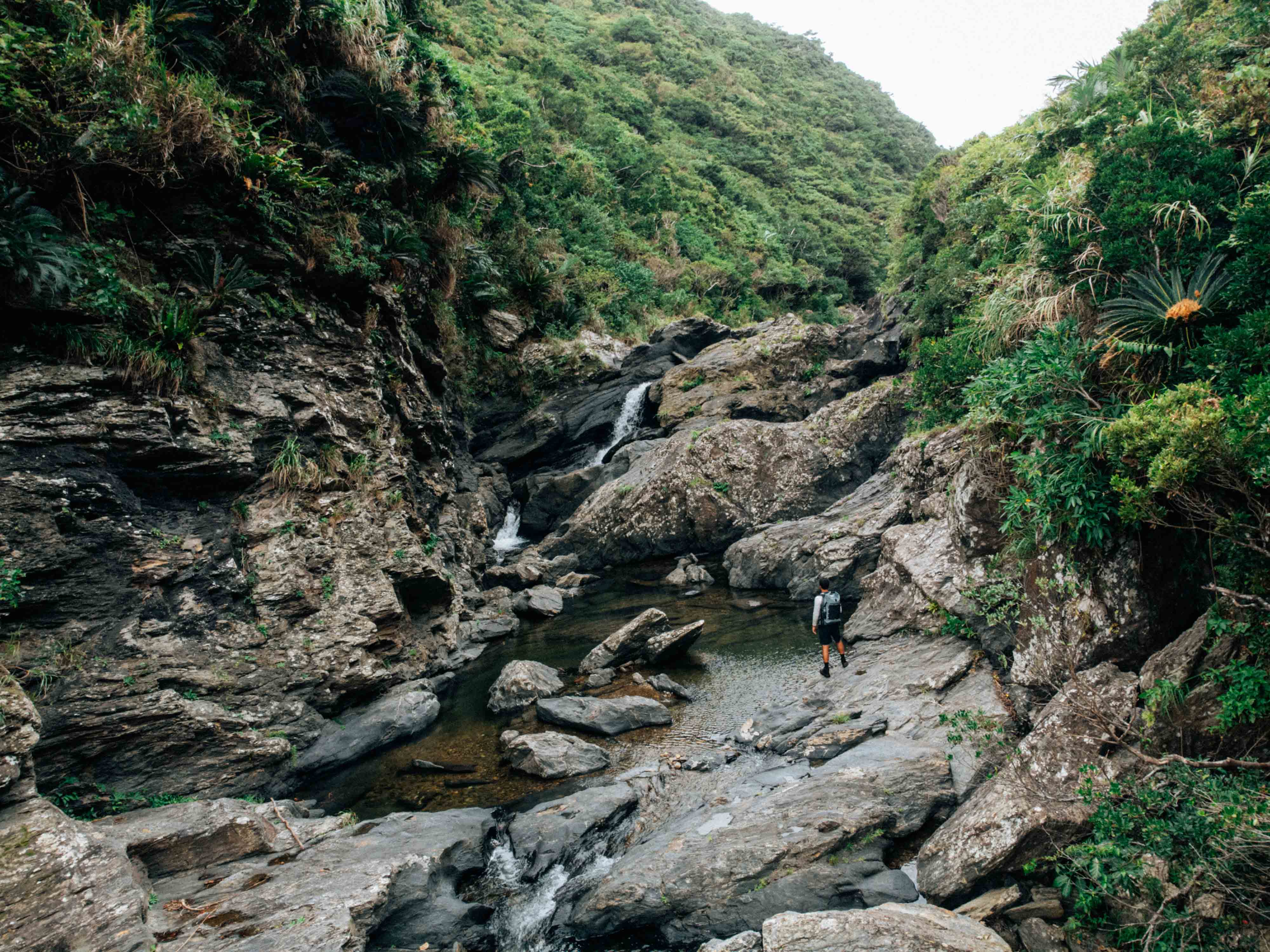
If you want the version of Yanbaru that involves actually getting wet, this is it. The Ta-taki river trek in Ogimi has you wading and rock-hopping upstream through a jungle valley to a waterfall pool — bring water shoes with good grip, because the streambed is uneven.
This one's guide-led, not self-guided, and for good reason: river conditions shift fast on rainy days, and licensed operators know when to turn back. Book ahead, especially on weekends. If a self-guided option sounds better for your trip, the Yanbaru Learning Forest nearby has gentler boardwalk trails you can walk on your own.
This is close to the kind of terrain we run our own Jungle River Trek through — a half-day trip that follows a jungle stream out toward the coast, wading and swimming along the way. If a guided river day appeals to you more than a self-guided walk, it's worth a look.
5. Mount Ishikawa : best hike for central Okinawa
Difficulty: Moderate, steeper than its elevation suggests | Elevation: 204 m | Time: 1–1.5 hours for most hikers
We considered including Nakagusuku Castle here for a central-island option, but honestly, it's a historical site with a golf cart ride up the hill — not a hike, and it wouldn't be fair to call it one. Mount Ishikawa, straddling Uruma City, Onna, and Kin Town, is the real thing: three graded loop trails from the Ishikawa Youth Center, with steep, sometimes muddy sections, a fixed rope, and a river crossing on the hardest route.
The Youth Center posts hiking hours (8:30 a.m.–3 p.m., gate closes at 5 p.m.) and requires a sign-in and sign-out at reception — not a permit, just a safety check so someone knows you're up there. It's closed Mondays and around New Year's. Reachable by public bus from Naha if you don't have a rental car, which is rare for hikes on this island.
6. Building your own multi-hike day
If you're only in Yanbaru for one day, Cape Hedo and Mt. Yaedake pair naturally, both are easy, both are car-accessible, and together they cover the northernmost tip and one of the best viewpoints on the island without requiring much fitness. Add a stop at a roadside spot for Okinawa soba in between and you've got a full, relaxed day without ever feeling rushed.

Packing and Prep
Yanbaru trails are humid, buggy, and often muddy, even the "easy" ones. We've put together a full Okinawa packing guide, but the short version for hiking: quick-dry clothing, real hiking shoes or water shoes depending on the trail, sun protection even in the forest canopy, and more water than you think you'll need.
Safety and Seasonal Timing
Typhoon season runs roughly June through October, peaking in August and September, this is when trail closures and road washouts are most likely, including the storm that shut down Hiji Falls. If you're hiking during these months, check conditions within 48 hours of your trip, not the week before.
Outside of typhoon season, the biggest thing to know about Yanbaru is the nighttime forest-road closure, most forest roads in Kunigami and Ogimi are closed to both vehicles and pedestrians from 7 p.m. to 5 a.m., mainly to protect wildlife from poaching. If you want to experience the forest at night, you'll need to go with a certified guide who holds the proper permit, it's not something you can do solo after dark.
Frequently Asked Questions
What is the best hike in Okinawa for beginners? C
ape Hedo is the easiest, with paved paths and minimal elevation change. For a bit more nature without much difficulty, Mt. Yaedake's summit-area trails are also beginner-friendly since most of the climb is done by car.
Do you need a permit to hike in Yanbaru?
No general permit is required for daytime hiking on public Yanbaru trails. The main restriction is a nighttime closure on certain forest roads, from 7 p.m. to 5 a.m., aimed at preventing poaching of protected species. Guided night tours operate under a separate permit held by certified guides.
What is the best season for hiking in Okinawa?
November through May offers the most reliable trail conditions, cooler temperatures, and lower typhoon risk. Mid-January to early February is uniquely good if you want to catch cherry blossoms at Mt. Yaedake.
Are Okinawa's hiking trails well-marked and safe for solo hikers?
Popular trails like Cape Hedo and the Mt. Yaedake summit paths are well-maintained and safe for solo visitors. River treks and forest trails are better done with a guide, since conditions can change quickly and cell signal is unreliable in parts of Yanbaru.
How difficult is hiking in Okinawa compared to mainland Japan?
Okinawa doesn't have the high-altitude, multi-day mountain hikes found on the mainland. Most trails here are shorter, lower-elevation, and more about humidity and terrain (mud, river crossings, uneven ground) than sheer physical exertion, with a few exceptions like the Katsuu-Awadake ridge routes.
Can you hike in Okinawa during typhoon season?
It's possible but riskier. Typhoon season runs roughly June through October, and trail closures, flooding, and road damage are more common during this window. Check official trail status shortly before you go, and avoid river treks entirely if heavy rain is forecast.
Trail conditions, closures, and hours can change with little notice — especially after typhoons. Always check with the relevant village tourism office or park authority before heading out, and never enter a trail marked as closed for repairs.
Evertrail Tours · July 6, 2026