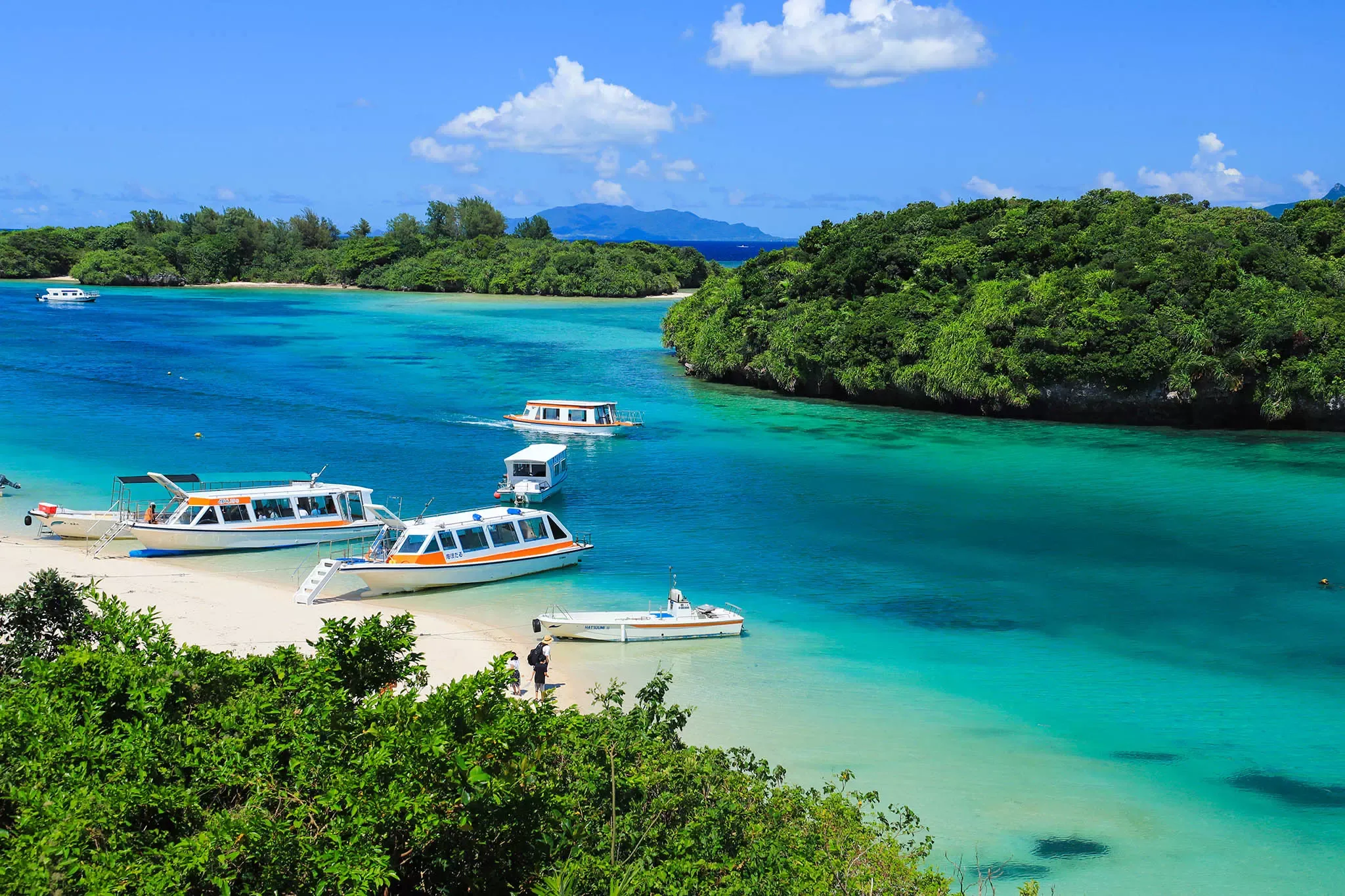
Most people come to Okinawa for the beaches, but few realize that the islands offer some of the most unique Okinawa fishing opportunities in Japan. Unlike much of mainland Japan, Okinawa is surrounded by coral reefs and warm tropical waters. That means the fish you catch here often look more like something from an aquarium than a traditional fishing trip.
Before you grab a rod and head to the nearest harbor, there are a few things every visitor should know. Okinawa's reefs, tides, and tropical marine life create opportunities that are exciting but sometimes unfamiliar to first-time anglers.
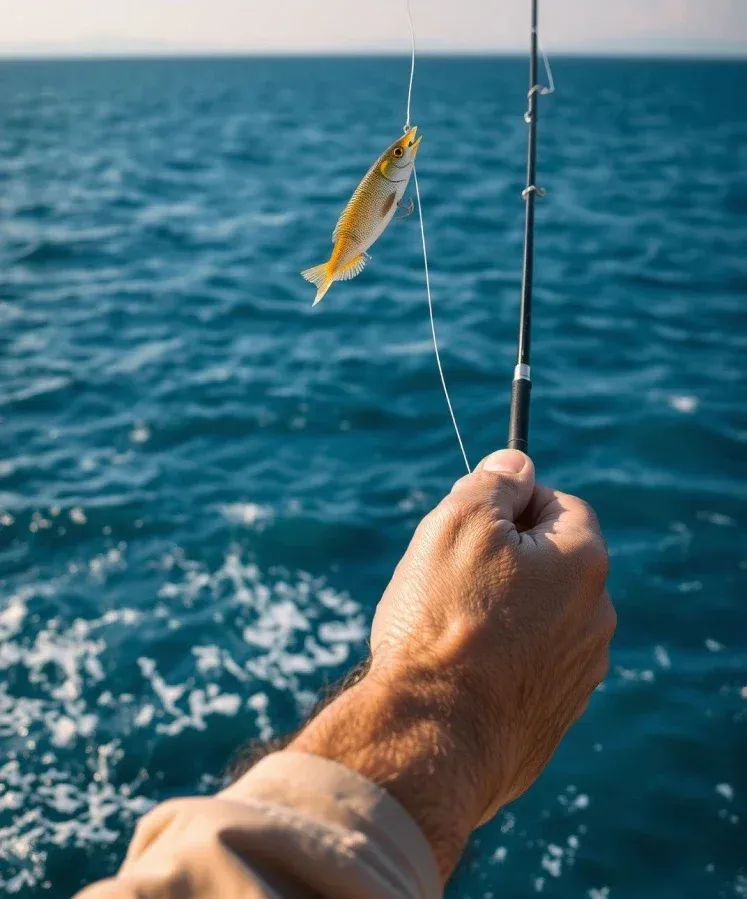
Why Fishing in Okinawa Is Different
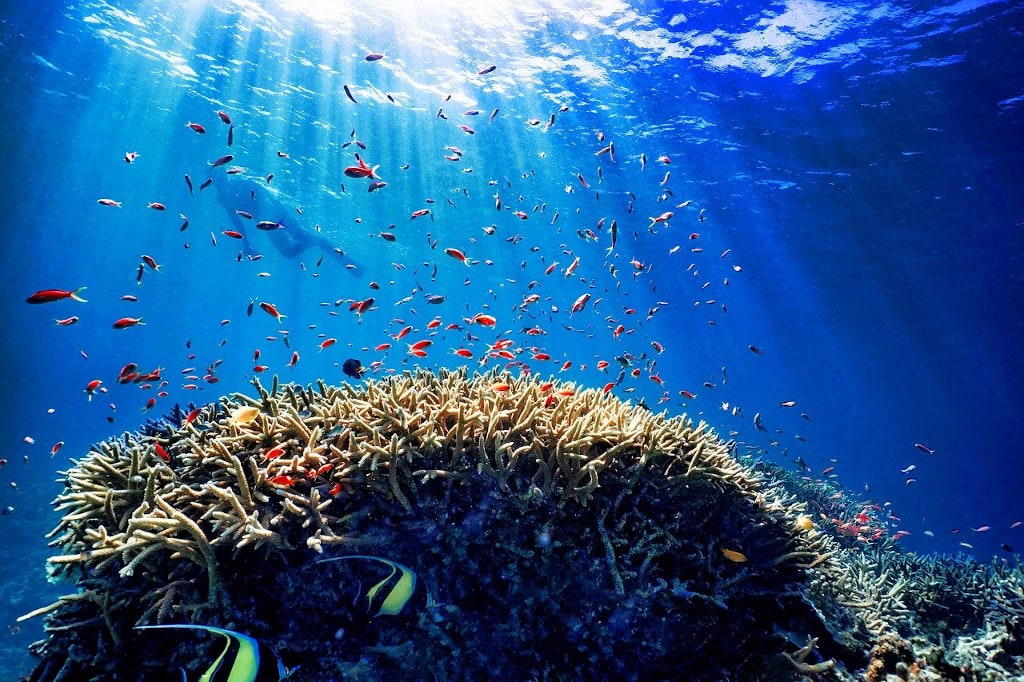
Okinawa Is Surrounded by Coral Reefs
The first thing that surprises many visitors is how close the coral begins to shore.
Large portions of Okinawa's coastline are protected by fringing reefs that create shallow lagoons before the seabed drops into deeper water. These reefs support an incredible variety of marine life and are the reason Okinawa's fish populations look so different from those found elsewhere in Japan.
Because of these coral ecosystems, shore anglers regularly encounter:
- Grouper (mibai)
- Coral trout
- Parrotfish (irabucha)
- Emperor fish (taman)
- Reef squid
- Barracuda
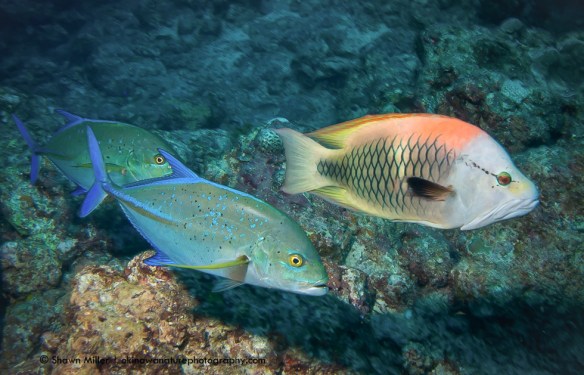
- Trevally species
Many of these fish spend their entire lives around coral structures, making reef edges and channels some of the most productive fishing spots on the island.
The Deep Blue Starts Surprisingly Close to Shore
While coral fish dominate the shallows, Okinawa's geography also allows access to larger pelagic species.
The seafloor drops away quickly around many parts of the island, meaning blue water species can sometimes be found surprisingly close to land.
Depending on the season, anglers may encounter:
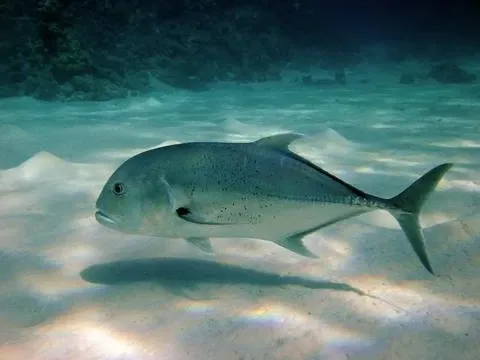
- Giant trevally
- Tuna
- Mahi mahi
- Wahoo
- Amberjack
- Skipjack tuna
This combination of reef fish and blue water species is one reason Okinawa is considered one of Japan's most exciting fishing destinations. It helps attract anglers looking for both reef species and blue-water action without traveling far offshore.
Safety First: Things Visitors Should Know
Don't Walk on Coral
Many visitors mistake coral reefs for rock formations.
In reality, coral is a living organism that can be permanently damaged by a single careless step. Walking on coral can also be dangerous, as sharp edges easily cut through sandals and bare feet.
If you plan to fish in Okinawa from shore:
- Stay on designated paths
- Avoid standing on exposed coral
- Wear proper footwear
- Watch your footing on wet rocks
Watch the Ocean, Not Just Your Rod
Okinawa's waters can appear calm while strong currents move through reef channels.
Sudden waves are common around rocky points, especially during windy conditions or changing tides.
Never turn your back on the ocean, and avoid fishing alone in remote areas.
Be Careful Around Harbors and Breakwaters
Fishing from ports is extremely popular in Okinawa because it is accessible, free, and often productive.
However, breakwaters can become slippery from algae and sea spray.
Bring:
- Non-slip shoes
- A hat
- Polarized sunglasses
- Plenty of drinking water
During summer, heat exhaustion is often a bigger risk than rough seas.
.webp)
Don't Copy Everything the Locals Do
Visitors are often impressed by local anglers standing on exposed reef edges or fishing from seemingly inaccessible rocks.
What many tourists don't realize is that local fishermen often have years or decades of experience with the specific tides, currents, and weather patterns of that location.
They know:
- Which tides are safe
- Where hidden drop-offs are located
- How wave patterns change throughout the day
- Which areas become dangerous when the tide rises
Just because you see someone fishing somewhere does not mean it is safe for a visitor to do the same.
If you're unfamiliar with the area, stick to ports, marinas, designated fishing spots, or guided fishing trips. A local charter can also help visitors enjoy a safer and more memorable experience.
Understanding Okinawa's Tides
Many experienced Okinawan anglers plan their entire fishing schedule around the tides.
Fish often become more active when water begins moving through reef channels, bringing baitfish and oxygen-rich water onto the reef.
Locals carefully monitor:
- High tide
- Low tide
- Tide changes
- Moon phases
For visitors, the lesson is simple: checking the tide chart before fishing is often more important than checking the weather forecast.
However, never chase fish into unfamiliar areas simply because the tide looks favorable.
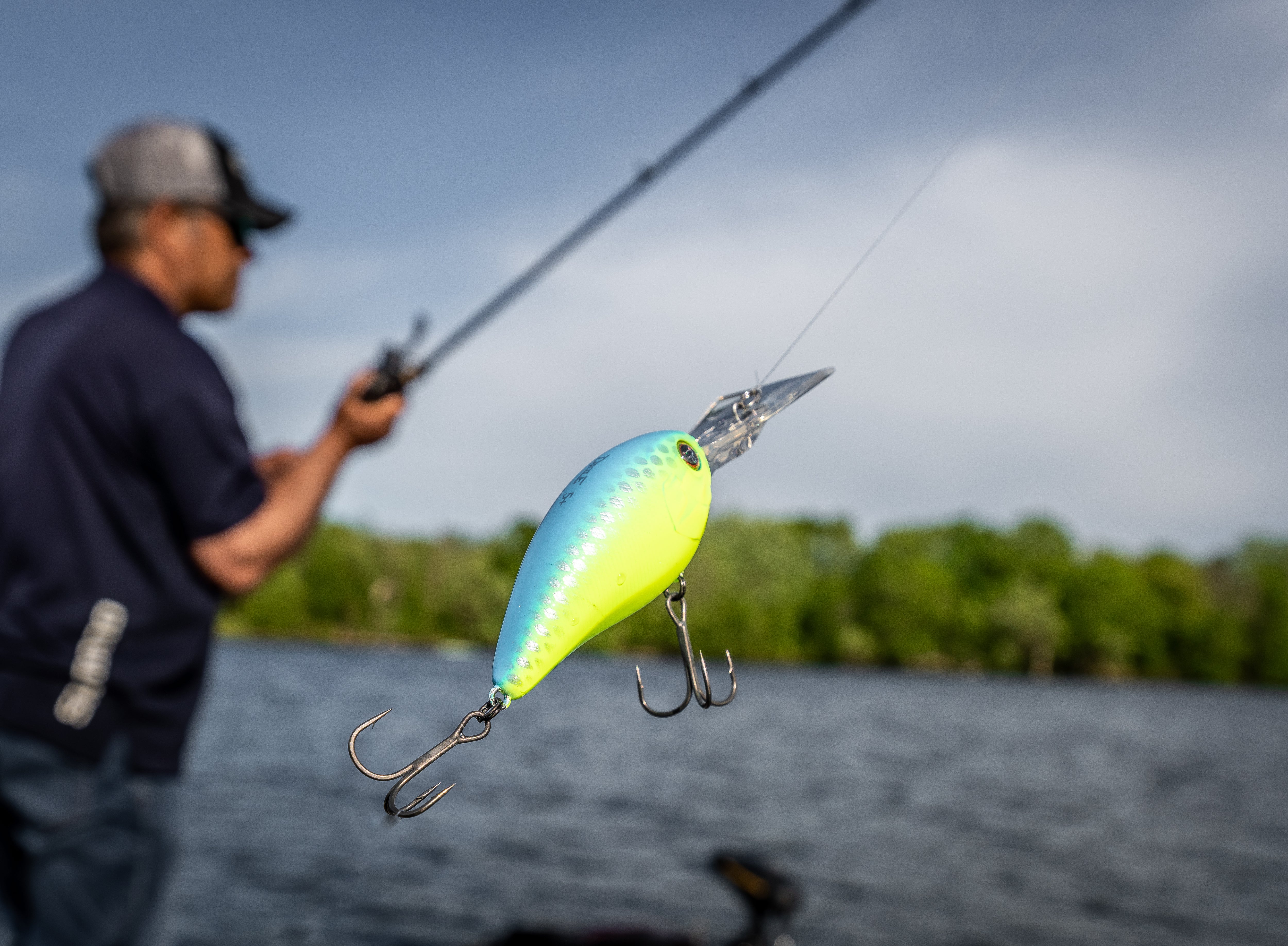
Best Places for Beginners
If you're visiting Okinawa for the first time, start somewhere simple.
Good beginner-friendly locations include:
- Tomari Port (Naha)
- Ginowan Marina area
- Chatan fishing areas
- Public breakwaters
- Designated harbor fishing spots
These locations provide easier access, safer footing, and a higher chance of encountering other anglers who can help if needed. They are also ideal for a casual day fishing outing.
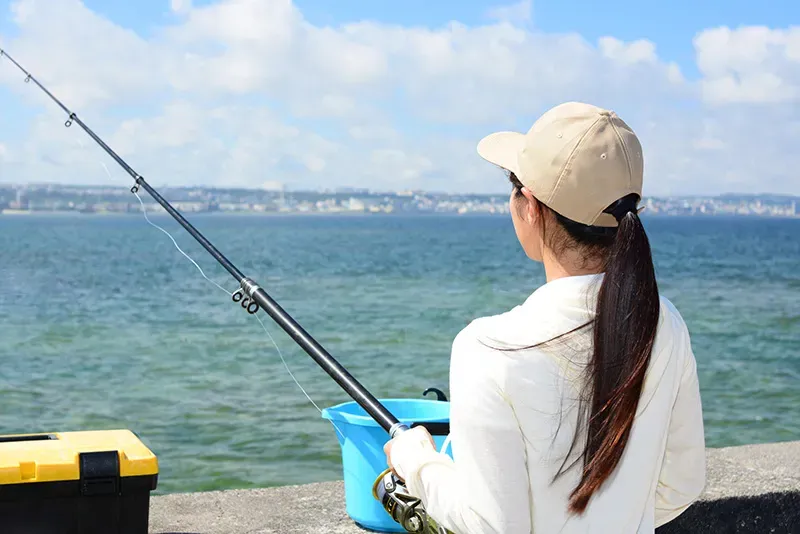
Where to Buy or Rent Fishing Equipment
You don't need to bring a full tackle box from home.
Several fishing shops around Okinawa cater to both residents and visitors.
Popular options include:
- Sealand Okinawa
- Fishing Max
- Sanno Fishing Gear
- Local tackle shops around Naha and Ginowan
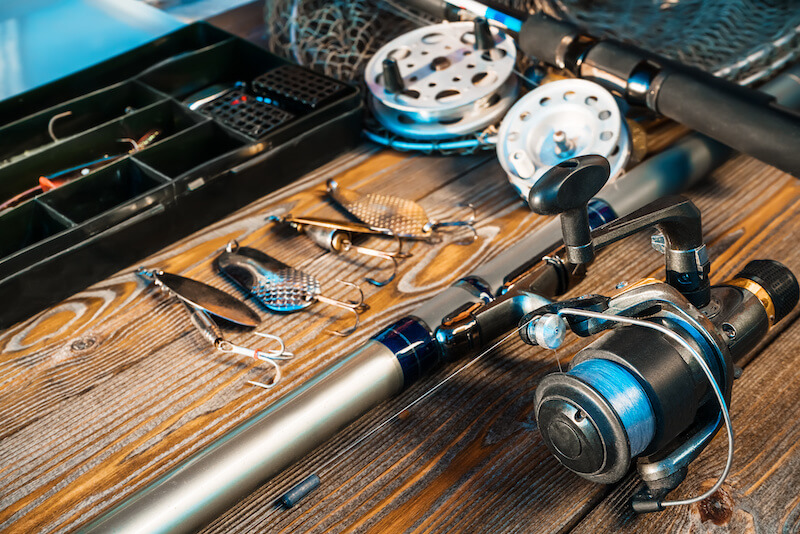
Most stores carry:
- Rods and reels
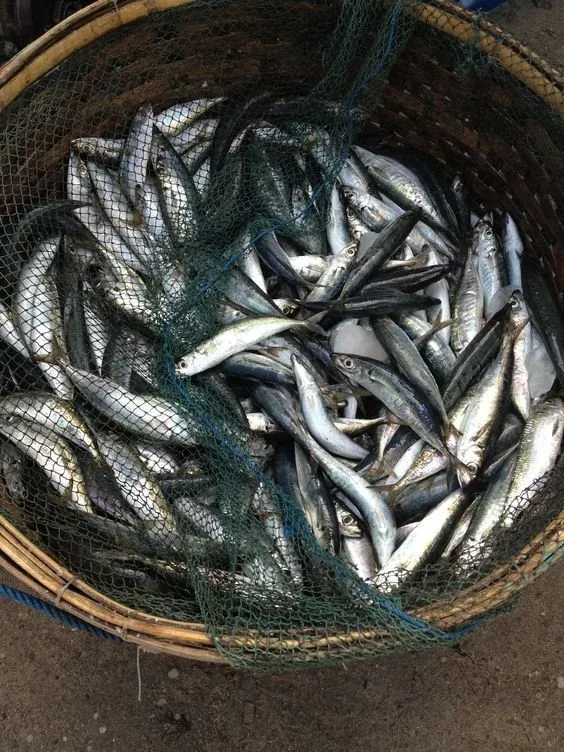
- Sabiki rigs
- Lures
- Bait
- Line
- Landing nets
If you're joining a charter, equipment is usually included in the price.
For visitors planning only a day or two of fishing, renting equipment through a charter operator is often the easiest and most economical option. Many fishing charters also offer tackle, bait, and local advice.
What Fish Can You Expect to Catch?
One of the best parts of fishing in Okinawa is that you never know exactly what will be on the end of your line.
Near coral reefs, catches often include brightly colored tropical species that many visitors have only seen while snorkeling.
Around deeper water and harbor entrances, larger predators regularly patrol looking for baitfish.
Even a short fishing session from a port can produce a surprising variety of fish.
Visitors who book an offshore charter may also target tuna, mahi mahi, wahoo, and even marlin depending on the season.
Respect the Reef
Okinawa's coral ecosystems are the foundation of the island's fishing culture.
Avoid damaging coral, take all trash home, and follow local regulations regarding protected species.
Healthy reefs support healthy fisheries, and preserving them ensures future visitors can enjoy the same fun and rewarding experience.
Some visitors choose catch and release, while others legally keep a catch to prepare for dinner. Remember that certain species are protected and that recreational fishing differs from commercial fishing activities.
Frequently Asked Questions
Do I need a fishing license in Okinawa?
No. Recreational saltwater fishing does not require a license, but local regulations still apply.
What fish can I catch?
Common catches include grouper, coral trout, trevally, barracuda, squid, and emperor fish. Offshore anglers may target tuna, mahi mahi, and giant trevally. Some deep-sea trips may also pursue marlin.
Is shore fishing good in Okinawa?
Yes. Many visitors fish successfully from ports, breakwaters, and harbors without needing a boat.
Is it safe to fish on the reef?
Not always. Coral can be sharp, slippery, and exposed to strong currents. Beginners should stick to ports and designated fishing areas.
Why do locals pay so much attention to the tides?
Tidal movement often triggers feeding activity around Okinawa's reefs. Many experienced anglers plan their trips around the tide schedule.
Can I copy where local fishermen are fishing?
It's best not to. Local anglers often know the tides, currents, and hazards of a specific area. What looks safe may not be safe for a visitor.
Where can I buy fishing gear?
Fishing tackle is available at stores such as Sealand Okinawa and other tackle shops in Naha, Ginowan, and Chatan.
Can I rent equipment?
Yes. Most fishing charters provide rods, reels, bait, and safety gear, making it easy for visitors to fish without bringing their own equipment. Some charter operators also run deep sea and offshore trips where anglers can troll for tuna, mahi mahi, and marlin.
Evertrail Tours · June 20, 2026