Okinawa's best souvenirs aren't the generic keychains and Japan-anywhere snacks you'll find in any airport. The genuinely authentic ones carry Ryūkyū heritage in them, Ryūkyū glass, bingata textiles, yachimun pottery, chinsukō shortbread, and awamori rice liquor. These are the best things to buy in Okinawa, made here, sold here, and worth the space in your suitcase.
The trick is knowing how to tell the real Okinawan piece from the mass-produced filler sitting next to it on the same shelf. That's what this guide to the best Okinawa souvenirs is for. Whether you're planning your first trip to Okinawa or already shopping in Okinawa's markets, we'll help you discover what to buy in Okinawa, the crafts, foods, drinks, and skincare that actually come from these islands, plus where to find the authentic versions and how to get everything home in one piece.
What Makes a Souvenir "Authentic" in Okinawa
Here's a simple test: would a shop anywhere else in Japan carry the exact same item? If yes, it isn't really an Okinawan souvenir, it's a Japanese one that happens to be for sale here.
Authentic Okinawan souvenirs are rooted in the Ryūkyū Kingdom, the islands' own royal heritage, with crafts and foods that trace back to the Ryukyu era, made locally rather than imported. The strongest signals to look for are simple. Yachimun pottery often carries a kiln's stamp on the base. Kariyushi shirts are labeled as Okinawa-made. And the surest bet of all is buying directly from the studio, market stall, or maker who produced the piece.
This matters more than it might seem, because gift-giving in Japan rewards thoughtfulness. A genuinely local gift says you paid attention. That's the spirit this whole guide is built around.
Traditional Crafts Worth Buying
The crafts are what Okinawa is known for, and where its identity really shows. Each one is a traditional craft with deep roots, the kind of keepsake you'll still have years from now.
Ryūkyū Glass
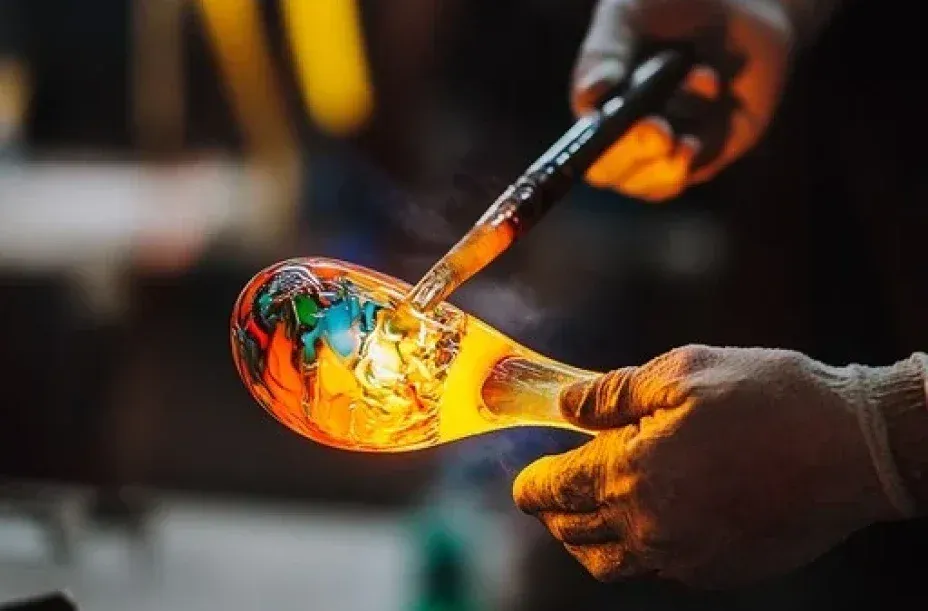
Ryūkyū glass is the island's signature. It's thick, hand-blown, and glows with color, often made using recycled bottles, which gives it those distinctive trapped bubbles and "ice-crack" fissures running through the surface. The craft took root in Naha in the early twentieth century and became a recognized prefectural craft in the late 1990s.
Small everyday tumblers are affordable and easy to pack; larger artisanal vases climb into the tens of thousands of yen. Prices shift with the maker and the piece, so it's worth comparing a few before you commit. Some studios even release limited edition runs. A pair of glasses that catch the light on your kitchen shelf is one of the most satisfying things you can carry home from here.
Bingata
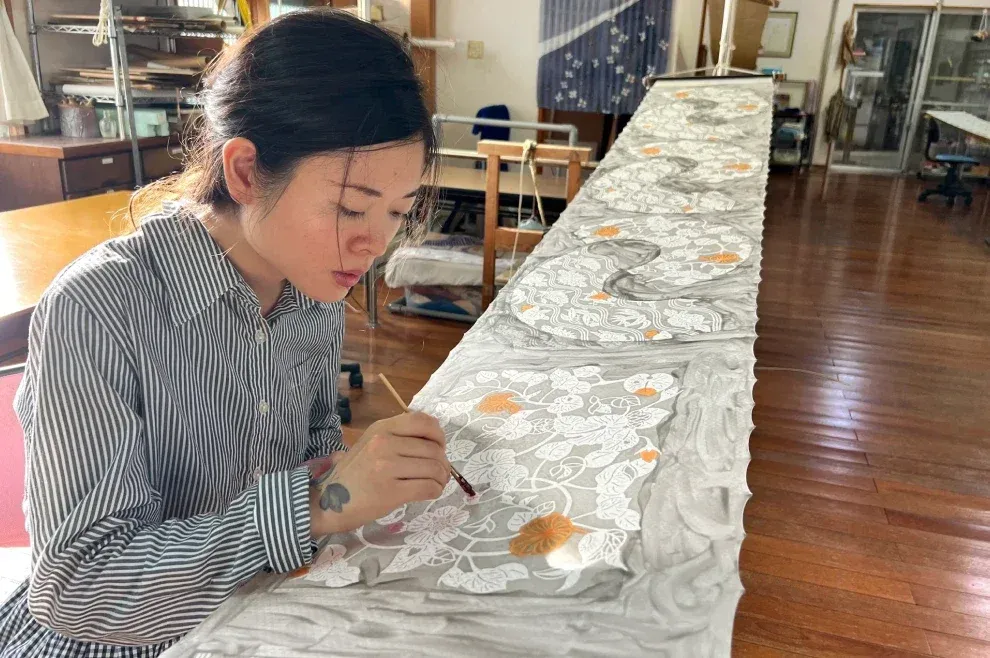
Bingata is a traditional dyeing craft, Okinawa's own stencil-dyed textile, bright, bold, and covered in nature-inspired motifs. It was historically used for kimono and obi worn by Ryūkyū royalty, but today the patterns live on scarves, pouches, coasters, and shirts. Those smaller fabric goods are the easiest to bring back, and they fold flat into a bag without any risk of breaking.
Yachimun (Tsuboya Ware)
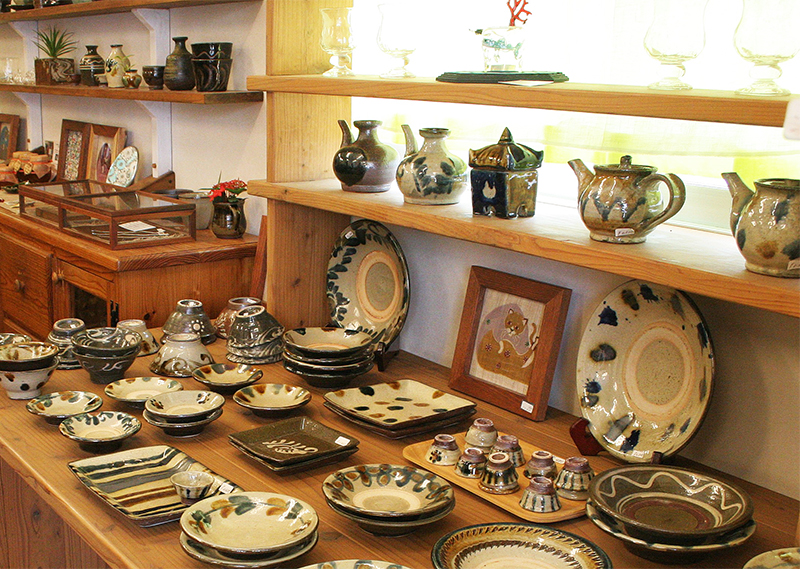
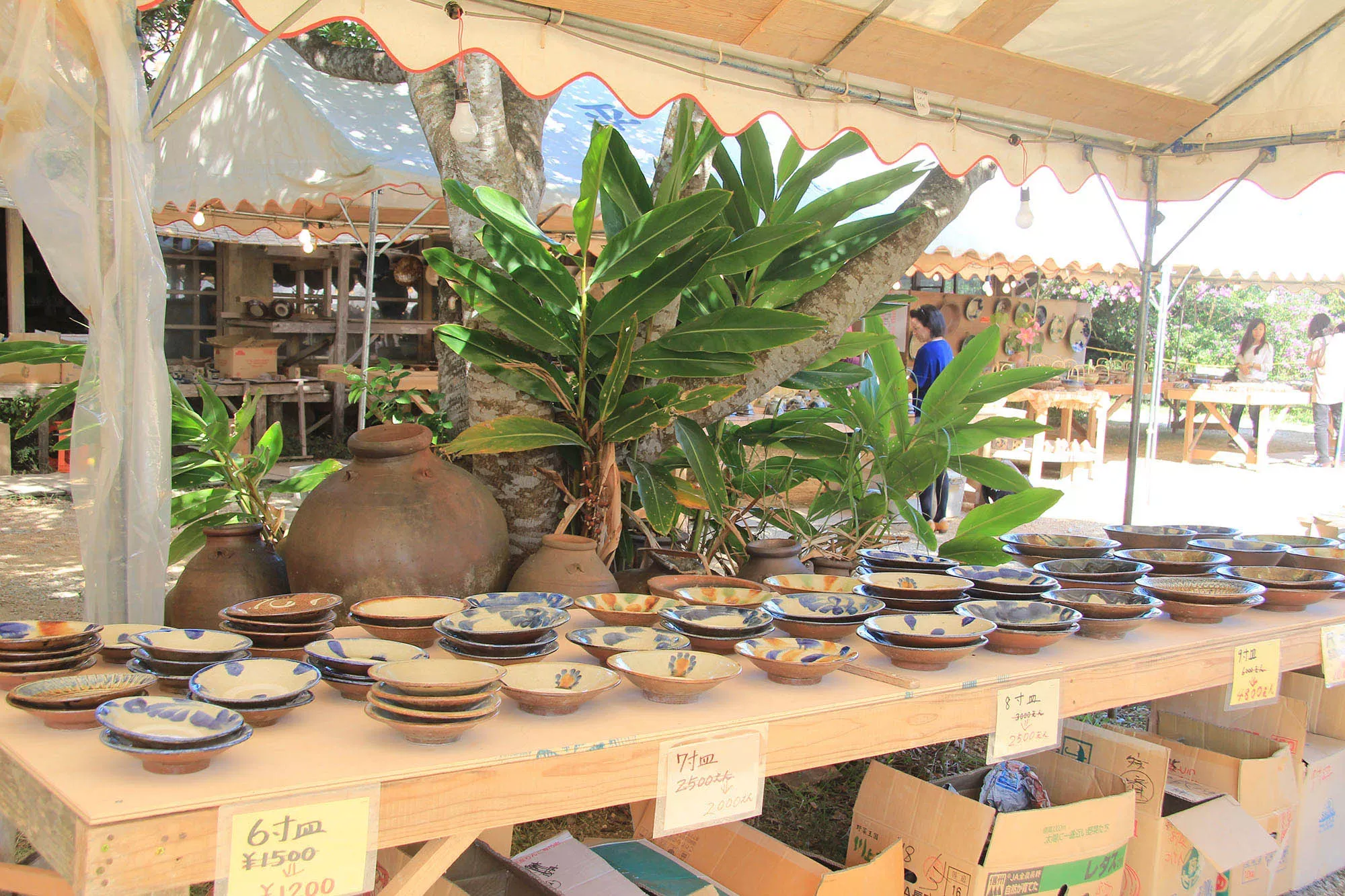
Yachimun is the Okinawan word for pottery, and the tradition centers on Naha's Tsuboya district and the village of Yomitan. The classic look is warm red clay under a white glaze, often hand-painted with fish, flowers, or bold brushstrokes.
Genuine pieces usually carry a kiln's stamp on the base. Buying inside the Tsuboya district or from a certified ceramic shop is the reliable way to know you're getting the real thing rather than a factory copy. Cups, small plates, and single dishes travel best.
Shīsā
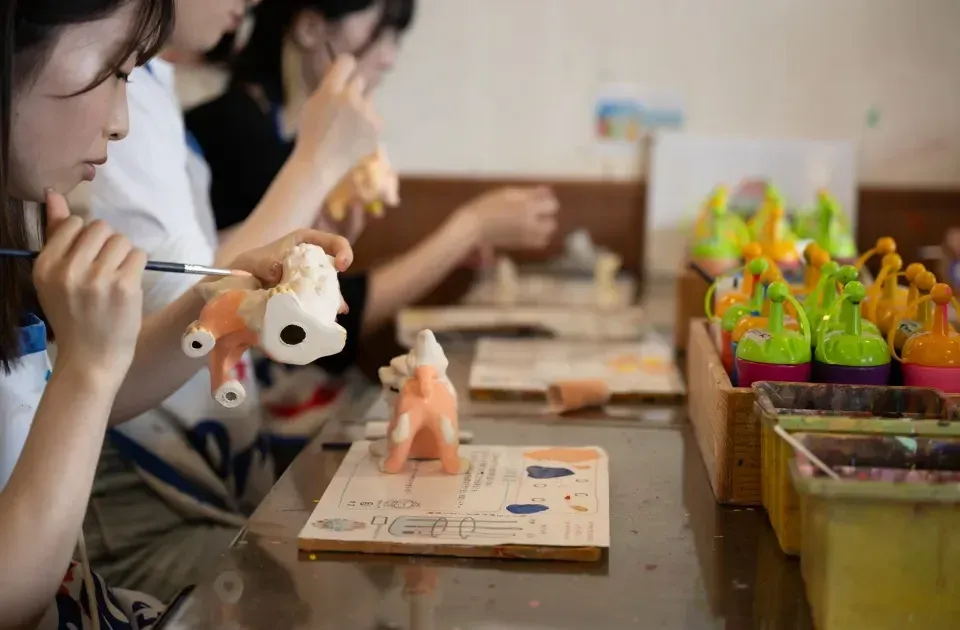
The shīsā, Okinawa's guardian lion-dogs, might be the single most recognizable symbol of the islands. You'll see them perched on rooftops and flanking doorways everywhere. These lion-dog figures are traditionally sold as a pair: one with its mouth open to ward off evil spirits, the other with its mouth closed to keep good fortune from slipping away. A small ceramic shisa pair makes a meaningful gift with a story attached.
Minsā Weaving
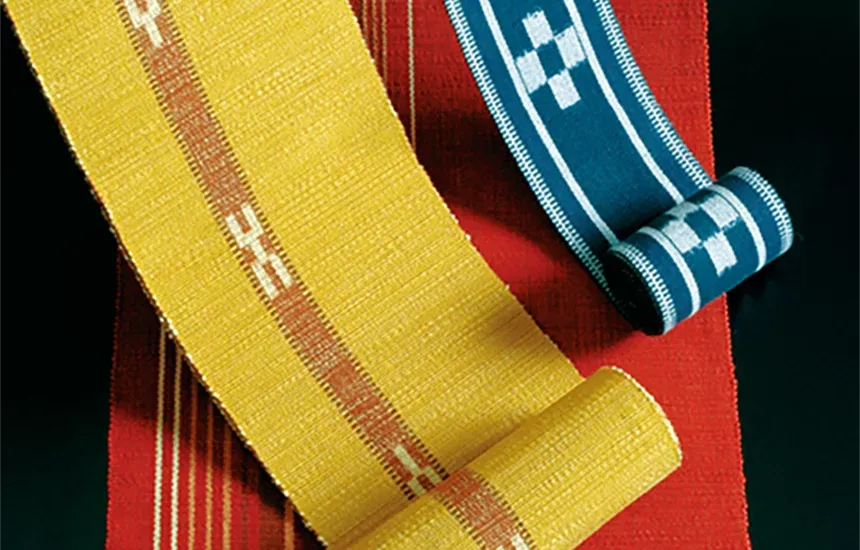
From the Yaeyama Islands comes minsā, a fine cotton ikat weave built around an alternating five-box and four-box pattern. The design carries a quiet romance: the "five and four" is a play on words meaning something close to "forever," historically woven by women for the men they loved. Small woven bands and belts are affordable and easy to tuck into a bag.
Kariyushi Wear
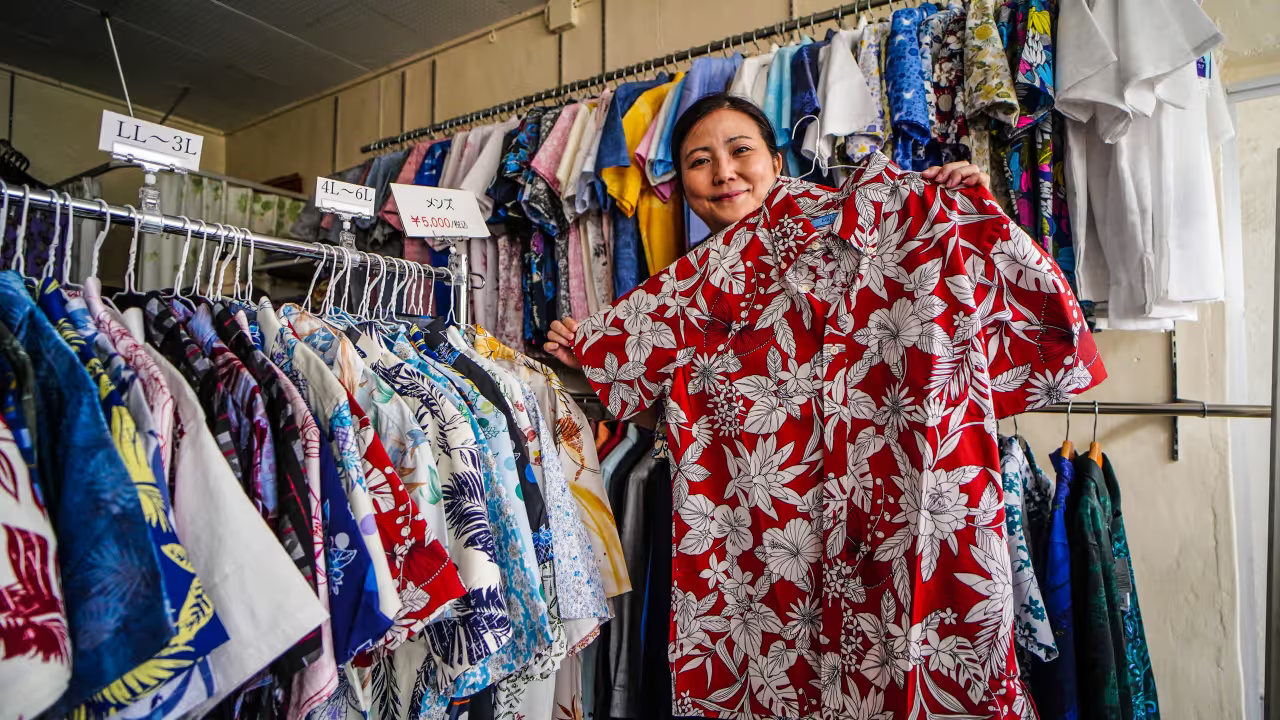
Kariyushi wear is Okinawa's answer to the Hawaiian shirt, short-sleeved, breezy, and printed with island motifs like hibiscus and shīsā. One thing to know before you buy: only shirts actually made in Okinawa Prefecture and featuring Okinawan designs can be sold as official kariyushi wear. Plenty of lookalikes exist, so check for the Okinawa-made label if authenticity matters to you.
Ryūkyū Lacquerware and Bashōfu
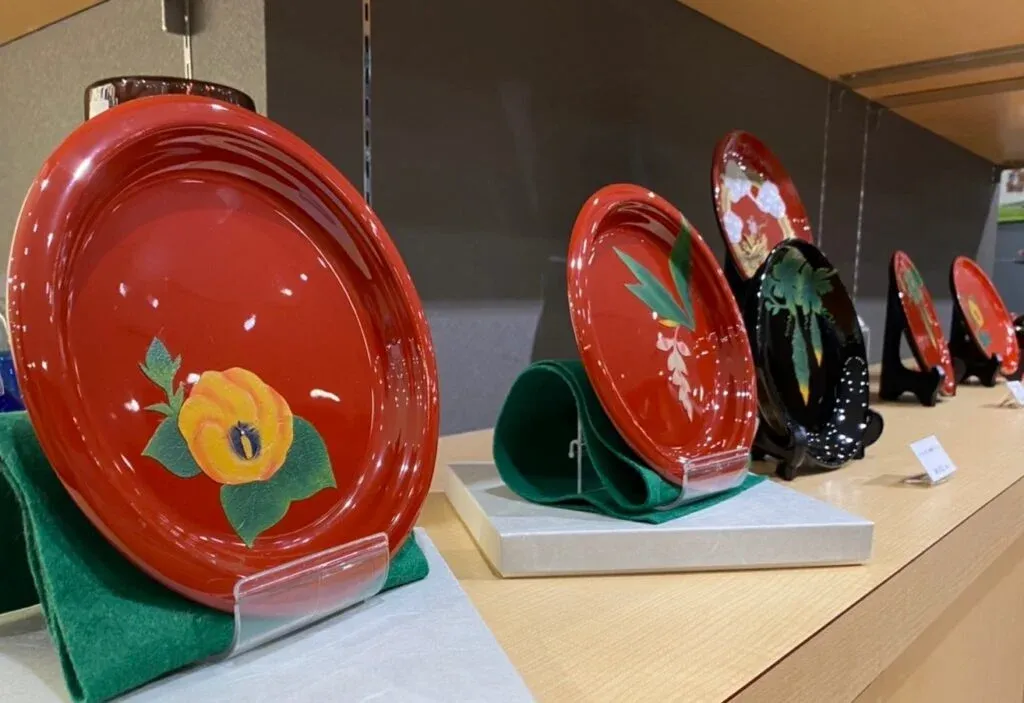
For something more special, two heritage crafts stand out. Ryūkyū lacquerware (shikki) is known for striking black-and-vermilion contrasts, sometimes finished with gold inlay or mother-of-pearl. And bashōfu, a breathable cloth hand-woven from banana-plant fiber, is one of the islands' most labor-intensive textiles, a single kimono's worth of cloth can take months to spin and weave. The protected Kijōka bashōfu of Ōgimi, in the north, is the tradition's living heart.
Food and Edible Omiyage
Food gifts are the backbone of Japanese omiyage culture, and Okinawa is famous for its rich food culture. These edible souvenirs are the shareable, easy-to-hand-out gifts for coworkers, friends, and family.
Chinsukō is the classic. Chinsuko is a traditional Okinawan shortbread cookie with a sweet, crumbly, melt-in-the-mouth texture, usually boxed as individually wrapped pieces made for sharing. These chinsuko cookies come in flavors such as brown sugar and beni imo, and kept cool and dry they keep for a couple of months, one of the most travel-friendly gifts on the island.
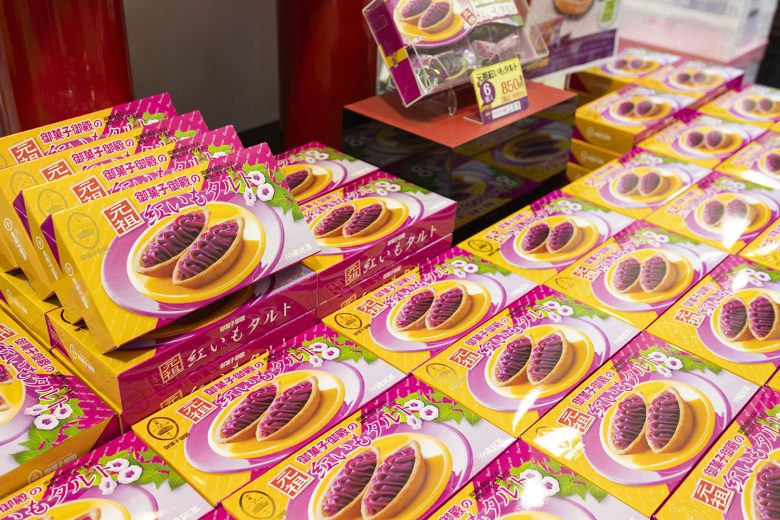
Beni-imo sweets are made from Okinawa's vivid, naturally sweet purple sweet potato. The famous beni-imo tart is the icon here, though the potato turns up in cakes, candies, and pastries too. Cured tarts last a few weeks; fresher desserts spoil faster, so check the date on the box.
Shīkuwāsā is a native Okinawan citrus, tart and fragrant, sold as juice, candy, jam, and liqueur. Bottled juice is the popular pick, just keep it cool and check the label, since 100% juice doesn't last forever once opened.
A few more pantry-friendly snacks that are made across the islands round things out. Okinawan sea salt like Nuchimāsu is prized for its mineral content and keeps indefinitely if it stays dry. Kokutō, the dark Ryukyuan brown sugar pressed from local sugar cane, is equally shelf-stable. And sātā andagī, the island's deep-fried sugar doughnuts, are best eaten fresh, though many shops sell frozen versions if you want to take some home.
One item to admire but leave behind: umi-budō, the "sea grapes" seaweed with its tiny popping beads. It's wonderful, but it's extremely perishable and really should be eaten the day you buy it. It doesn't survive a long trip home.
Drinks: Awamori and Beyond
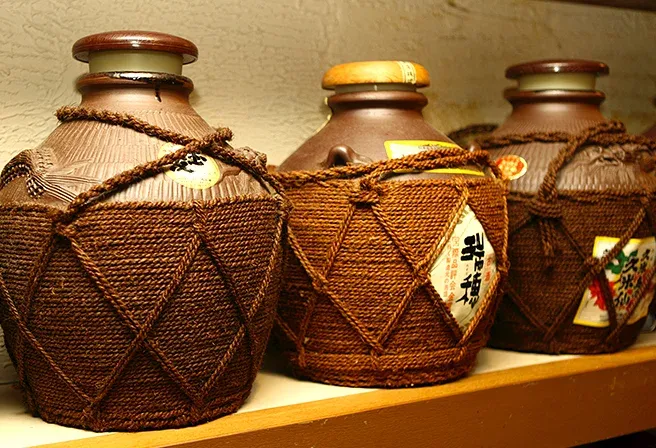
Awamori is Okinawa's traditional distilled spirit, made from long-grain rice and black koji mold, usually landing somewhere between 30 and 43% ABV. It carries a protected geographic designation as "Ryūkyū Awamori," and it's lovely sipped over ice or cut with water. A bottle makes a distinctive gift you won't find back home. And if you'd rather keep things casual, Orion beer, the island's homegrown lager, and its branded merch make a fun, lighter pick, with Orion T-shirts and glassware sold all over.
For something more refined, look for kūsu, aged awamori. By law, kūsu has been matured for at least three years, which smooths the spirit and deepens its color. The longer the aging, the smoother and pricier it tends to be.
Then there's habushu, the famous awamori with a habu viper coiled inside the bottle. It's a striking novelty, but travel with caution: snake liquor counts as an animal product and typically has to be declared at customs when you fly home. Some countries inspect it to confirm the species isn't endangered. If you're carrying it across a border, always declare it and check your destination's current rules before you buy.
Cosmetics and Wellness Finds
This is one of Okinawa's under-appreciated souvenir categories, and it's worth knowing about.
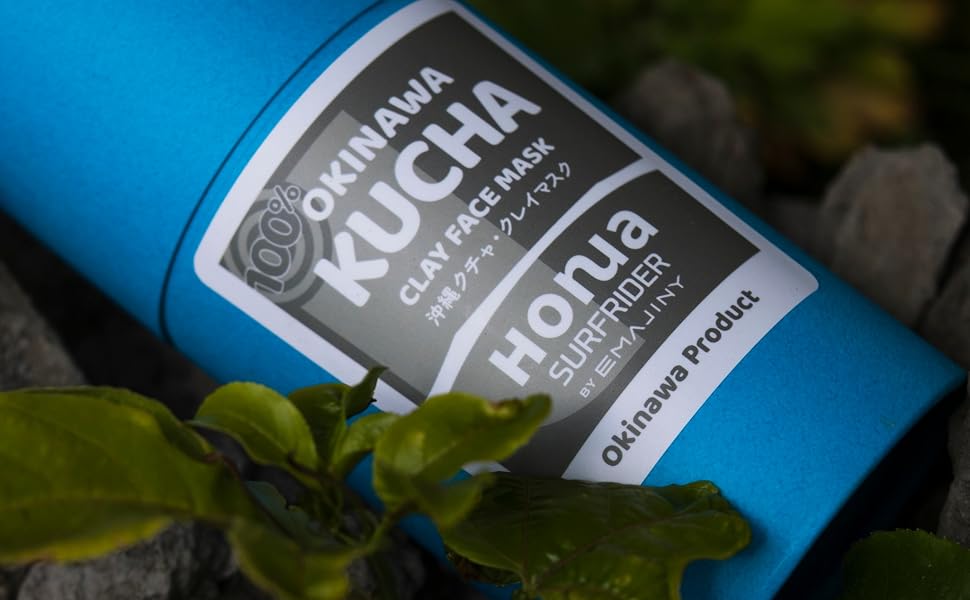
Kucha is a marine clay found only in Okinawa, used in face and body masks to draw out impurities and gently exfoliate. Locals have used it for generations, and it now shows up in a range of skincare products. There's also shīkuwāsā oil, cold-pressed from the citrus peel and rich in vitamin C, and gettō (shell ginger), whose leaves yield a soothing oil used in soaps and lotions. Camellia oil, popular for hair and skin, is widely sold by local brands too. These are lightweight, packable, and a little unexpected, which makes them memorable gifts.
Where to Buy Authentic Souvenirs
The single most important shopping tip in Okinawa: don't stop at the first tourist street. The best souvenirs in Okinawa reward a little wandering, and the right place to discover them often isn't the obvious one.
Kokusai-dōri (Kokusai Street) in Naha is the obvious starting point, the busiest shopping street in Okinawa, packed with souvenir shops and some of the best souvenir stores in Okinawa, selling everything from glassware to snacks. It's convenient and great for variety, though you'll pay tourist prices and you'll need to look past the generic stuff to find the real makers.
Just off it, Makishi Public Market is a warm, chaotic hall of fresh produce, spices, and local snacks, with small eateries tucked between the stalls. Right beside it sits the Tsuboya pottery quarter and its Yachimun Street in Naha, where family-run kilns and galleries let you buy yachimun straight from the people who made it, make sure to look for the shops marked Tsuboya-yaki.
Head up to Yomitan, on the main island of Okinawa, and you'll find Yachimun no Sato, a village of pottery and glass studios clustered together, ideal for buying directly from artists. It's worth checking studio schedules and market-event dates before you go.
For food and produce, the michi-no-eki roadside stations scattered throughout Okinawa are a hidden gem, stops like Kyōda Yanbaru and Motobu Ufugi-no-Sato carry local salt, sugar, snacks, seasonal fruit, and sometimes crafts, and they often come with easy parking. And many makers, from glassblowers to distilleries, sell on-site at their own studios, sometimes with tours attached.
If you're down to your last hours, Naha Airport has a solid cluster of souvenir shops stocking popular souvenirs from Okinawa, snacks, crafts, and awamori, so you can still buy something worth taking home. Prices tend to run a little higher than in town, so it's better as a backup than a plan. Traveling to the outer islands? Miyako and Ishigaki Island have their own specialties, Miyako-jōfu textiles, island mango products, local sugar and awamori, usually found at island shops and airports.
Bringing It All Home
A few practical notes so you can bring home from Okinawa everything you bought without anything breaking or getting held up at the border.
For fragile crafts like glass and pottery, wrap each piece individually in bubble wrap or paper, pad the box well, and carry the smallest, most delicate items in your hand luggage if you can. If you've bought more than fits, Japan Post can ship crafts and non-food gifts overseas with tracking, the local post office can help with packaging.
For awamori and other bottles, remember the carry-on liquid limit means they have to go in checked baggage. Sealed bottles are fine there, but stay within your destination's duty-free allowance and declare anything over it.
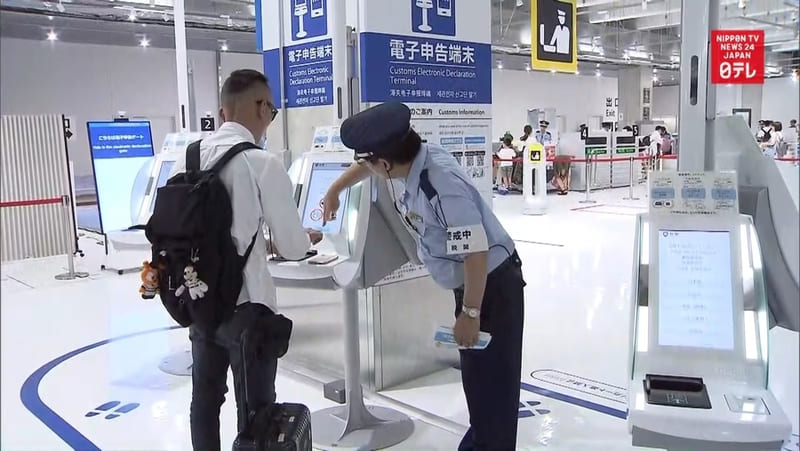
Food, plants, and animal products are the trickiest category. Japan requires you to declare plant and animal goods on the way out, and your home country may restrict certain foods, fresh items, or biological products entirely. These rules change often and vary by destination, so check both Japan's and your own country's current customs guidance before you buy anything perishable, and definitely before you buy habushu.
A Note on Omiyage Etiquette
If you're bringing gifts back for coworkers or friends, a little cultural context helps. In Japan, food omiyage is usually given as individually wrapped portions so it's easy to hand out one per person, which is exactly why boxed chinsukō and beni-imo tarts are so popular. Aim for enough servings to cover your group, and lean toward sturdy, shareable snacks over anything fragile or quick to spoil. The thought behind the gift matters more than the price tag.
Buy Responsibly
Okinawa's reefs and wildlife are protected, and some "souvenirs" are illegal to buy or take home. Coral and certain shells can't be removed from the islands, and products made from endangered species, sea turtle shell (tortoiseshell jewelry, combs) and anything involving dugongs, are banned under international and Japanese law.
If a souvenir looks like it's made from coral, turtle shell, or any wild animal, skip it. Okinawa offers plenty of lawful, beautiful, handmade alternatives, so there's never a reason to risk it. When in doubt, buy from established makers, certified craft shops, or stalls that can tell you exactly where the piece came from.
Frequently Asked Questions
What is the most popular souvenir from Okinawa?
Chinsukō shortbread and Ryūkyū glass are the two most popular. Chinsukō is the go-to edible gift because it's individually wrapped and travels well, while Ryūkyū glass is the signature craft keepsake.
What are traditional Okinawan crafts to buy?
The main traditional crafts are Ryūkyū glass, bingata stencil-dyed textiles, yachimun (Tsuboya) pottery, shīsā guardian statues, minsā woven bands, kariyushi shirts, Ryūkyū lacquerware, and bashōfu banana-fiber cloth.
What food souvenirs should I bring back from Okinawa?
Good options include chinsukō shortbread, beni-imo (purple sweet potato) tarts, shīkuwāsā citrus products, Okinawa sea salt, and kokutō brown sugar. These are shelf-stable and easy to share.
Where is the best place to buy authentic Okinawan souvenirs?
For crafts, buy directly from makers in the Tsuboya pottery district in Naha or at Yachimun no Sato in Yomitan. Kokusai-dōri and Makishi Public Market are convenient for variety, and roadside michi-no-eki stations are great for local foods.
Can I bring awamori or habushu home on a plane?
Awamori must go in checked luggage and stay within your destination's duty-free allowance. Habushu (snake liquor) counts as an animal product and usually must be declared at customs. Rules vary by country and change often, so check current guidance before you buy.
What is omiyage, and how much should I buy?
Omiyage is the Japanese custom of bringing back gifts, usually food, for friends and coworkers. Buy individually wrapped items and enough servings for one per person in your group.
What souvenir best represents Okinawa?
The shīsā, Okinawa's guardian lion-dog, is the most iconic symbol. A ceramic pair, one mouth open, one closed, is a classic representative gift.
What souvenirs should I avoid buying?
Avoid anything made from coral, sea turtle shell, or other protected wildlife, as these are illegal to buy or export. Also be cautious with highly perishable items like fresh umi-budō, which won't survive the trip home.
Evertrail Tours · July 26, 2026