It's the question almost every first-time visitor wrestles with when planning a trip to Okinawa: how many days do I really need in Okinawa? And too often, the answer people land on is a rushed two-night stopover, because the flights were cheap and the map made everything look close together.
Here's the thing the map won't tell you: Okinawa is longer and slower than it looks. Plenty of people who visit Okinawa arrive treating it as a quick beach add-on to a bigger trip to Japan, then spend half of it stuck in traffic on Route 58, realizing too late that the island doesn't reward rushing.
So let's answer the question honestly, not with a single magic number, but with the number that actually fits your trip. Because the right length for Okinawa depends far less on how much there is to see, and far more on how you like to travel and what you came here for.
The short answer
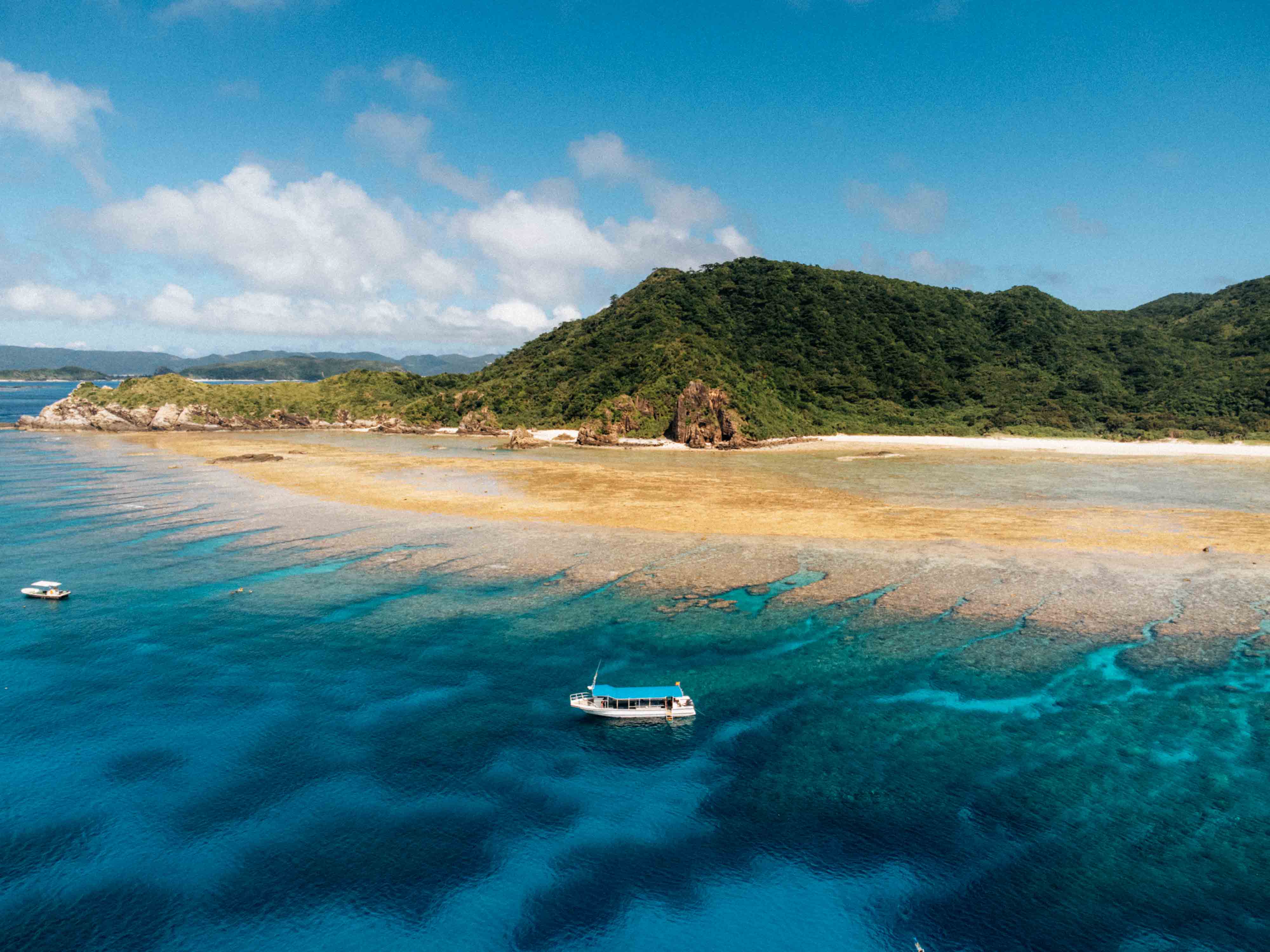
For Okinawa's main island on its own, three full days is the realistic minimum, four to five days is the comfortable sweet spot, and seven days lets you slow down and add a taste of a nearby island without rushing.
If you want to properly explore the outer islands, the Kerama Islands, Miyako, or Ishigaki and the wider Yaeyama group, treat that as its own trip and budget seven days or more. A full main-island-plus-one-island-group adventure realistically needs ten days.
And if all you have is two days? That can work as a stopover, but only if you stay in Naha and keep your expectations in check.
That's the headline. Now here's how to choose the number that's right for you.
Why Okinawa takes longer than you'd expect
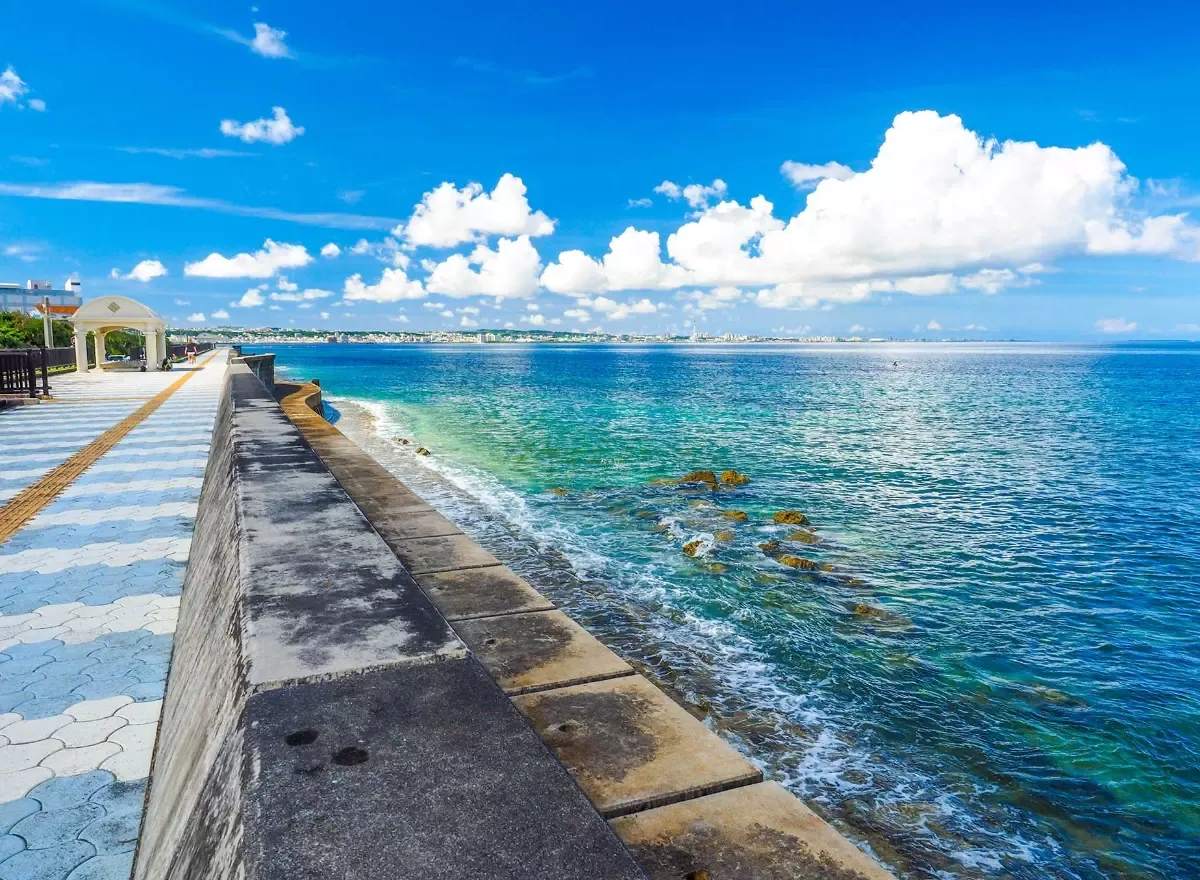
The single biggest planning mistake is treating Okinawa like Kyoto or Osaka. On the mainland, in cities like Tokyo, a train whisks you between sights in minutes. Here, that logic falls apart.
There's no train beyond Naha, the prefecture's capital city. The Yui Rail monorail runs a single line of nineteen stations from Naha Airport through downtown and up to Shuri, about thirty-seven minutes end to end, and that's it for rail in the entire Okinawa Prefecture. It's genuinely useful for the airport, Kokusai-dōri, the museum district, and Shurijō Castle (Shuri Castle), the UNESCO World Heritage Site at the heart of the old city. But it doesn't reach the beaches, the aquarium, the Blue Cave, or the war memorials in the south. For everything else that makes Okinawa Okinawa, and to sightsee much beyond the capital, you're relying on a car, a bus, or a tour, which is where how you get around Okinawa starts to matter.
And the distances are deceptive. On a map, the drive from Naha up to the Okinawa Churaumi Aquarium in Motobu looks like a hop. In reality it's around an hour and a half to two hours each way, the aquarium sits roughly 2 hours from Naha by car, and that's before you hit the evening crawl on Route 58, which can quietly double your return leg. (Treat all drive times here as estimates; traffic around Okinawa is the wildcard.)
There's also the pace itself. Okinawa moves slower than mainland Japan, and that's not a flaw to engineer around, it's the whole point. The best days here are the ones where you do one thing well: a long snorkel, a slow lunch, an afternoon that drifts. Cram your schedule and you'll spend the trip in the car, watching one attraction after another blur past the window.
So when we talk about "how many days," we're really talking about how many days it takes to stop rushing.

How many days for your kind of trip
Here's the honest breakdown by trip length. These are sketches of what each length feels like, for the actual day-by-day, our detailed Okinawa travel guides pick up where this leaves off, including a full 3-day Okinawa itinerary and a seven-day Okinawa itinerary.
Two days, the stopover. This only makes sense if you're already passing through, visiting friends, or bolting a tropical coda onto a longer Japan trip. Stay central in Naha, lean on the monorail, and pick one focus: the castle and the city, or a single guided day north. Honestly, if your Japan itinerary is already tight, those two days might serve you better in Kyoto or somewhere else in Japan. Okinawa rewards people who give it room.
Three days: the realistic minimum. With three full days you can see Naha and Shuri, spend one day up north around the aquarium, the castle ruins at Nakijin, and Kōri (Kouri) Island, and keep a beach or central day. It's enough for a genuine first impression. What you'll miss is depth, the southern sites that tell the history of Okinawa, a proper snorkel, and any buffer if the weather turns.
Four to five days: the sweet spot. This is where most first-timers land happiest. You get the north, a real beach day, Blue Cave snorkeling or scuba diving, the sobering southern sites like the Peace Memorial Park, which honors the Battle of Okinawa, and Okinawa World, and, crucially, a little slack in the schedule for weather or a lazy morning. If there's one number to give a first main-island trip, it's this one.
Seven days, slow and complete. A week lets you settle in. Base yourself up north for a couple of nights instead of driving back to Naha every evening, spread the beaches across several days, and add an overnight or day trip to the Kerama Islands. Seven days is the length where Okinawa stops being a checklist and starts being a place you're living in for a while.
Eight to fourteen days: the island-hopper. If you've been to Japan before, or you simply want a tropical, ocean-focused trip, two weeks lets you pair the Okinawa main island with a genuine outer-island leg. This is for beach lovers, divers, and slow travelers, not for first-time Japan visitors also trying to fit in Tokyo and Kyoto.
How long you need for the outer islands
Here's the rule worth hearing before you book: the outer islands are a separate trip, not a bolt-on. A five-day main-island plan does not leave room for a worthwhile island escape, no matter how the map tempts you.
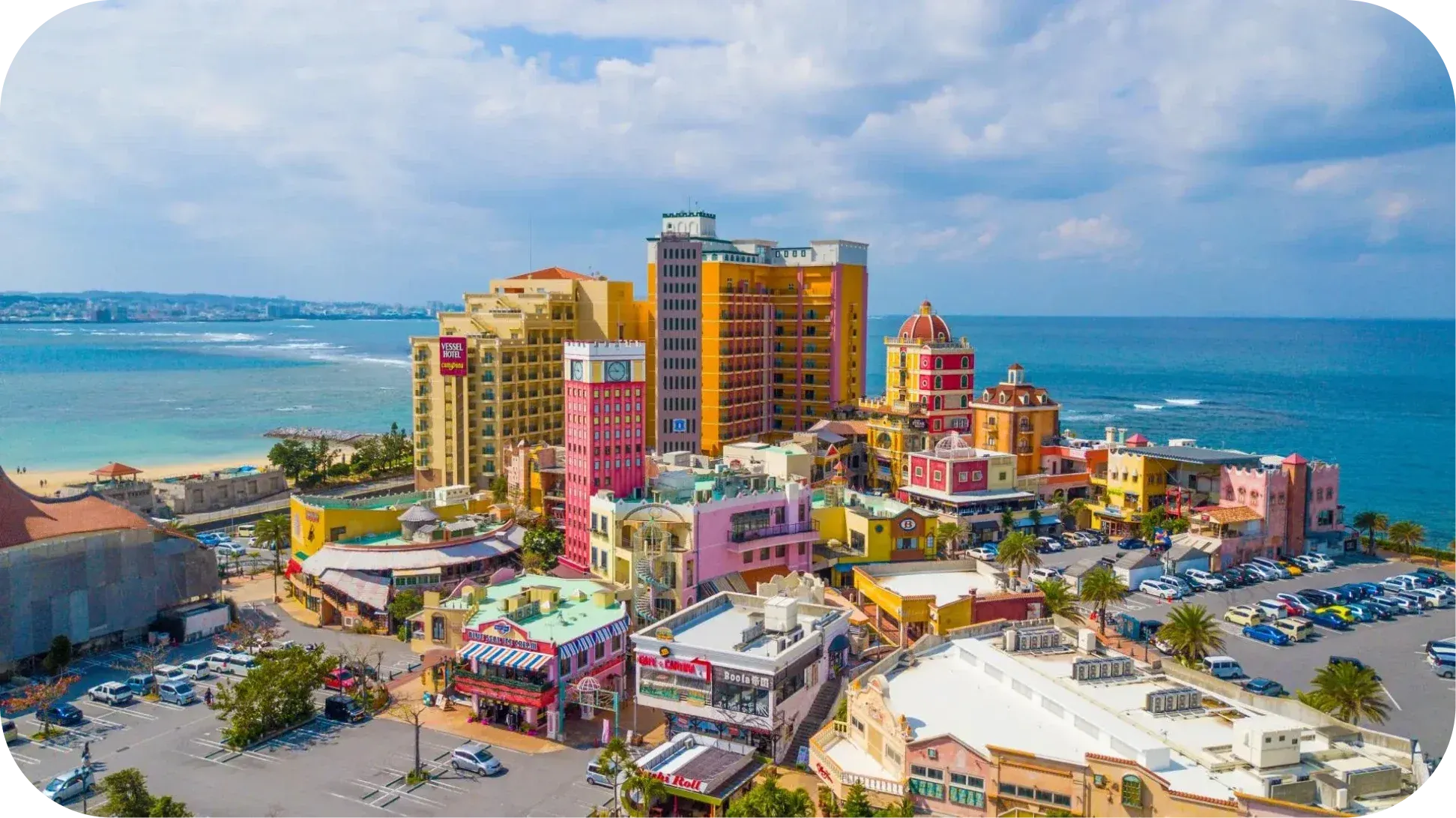
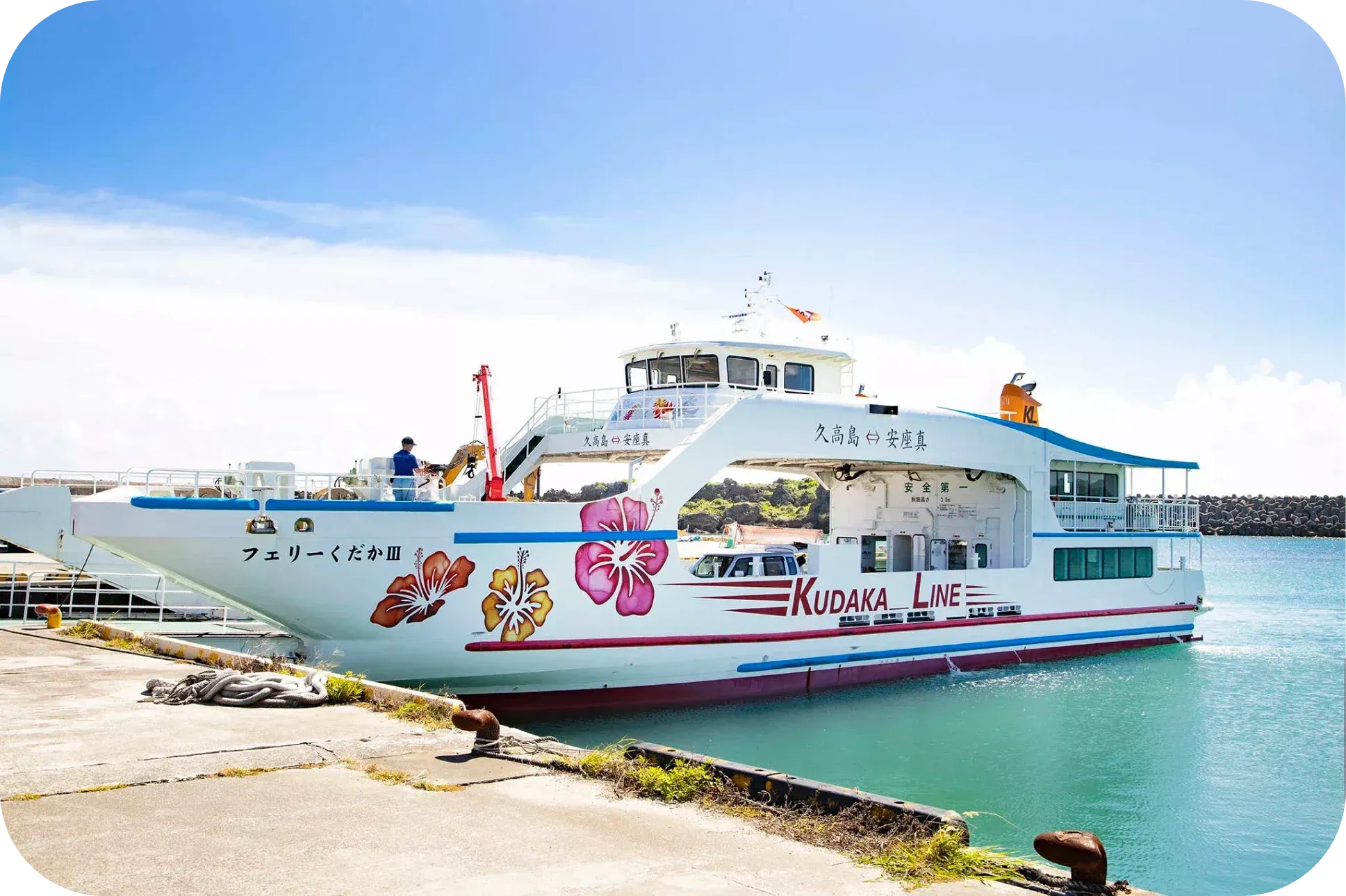
The Kerama Islands are the exception that proves the rule. Tokashiki, Zamami, and Aka are reachable by boat from Tomari Port in Naha, a short walk or taxi from downtown, and easy to confuse with the main Naha Port, so double-check which one your ticket says. In summer, the high-speed boats put you on the island in roughly forty minutes to just over an hour, with last returns in the early evening. That makes a Kerama day trip genuinely doable, you'll get around seven hours ashore on that famous "Kerama blue" water, some of the best reef snorkeling in the country.
But the boats sell out in summer, so book ahead, and if you want beach time on some of the best Okinawa beaches and the slow village atmosphere, stay a night. (Ferry fares and timetables change by season, so confirm the current schedule before you commit your day to it.)
Miyako is a different commitment. It's flight-only from Naha, about an hour in the air, and its beauty is spread across several bridge-linked islands. Plan at least three days, and ideally four or five, to enjoy it without treating it like a race. A same-day round trip from Naha is possible on paper and a waste of a place like this in practice.
Ishigaki and the Yaeyama Islands are also flight-only, around fifty-five minutes from Naha, and Ishigaki works as your hub for ferries onward to Taketomi, Iriomote, and the smaller islands. Taketomi is a quick ten-to-fifteen-minute hop; Iriomote is more like forty minutes to an hour depending on the port. Because it's a hub-and-spoke system, plan on three or four nights on Ishigaki minimum to do Taketomi plus a day on Iriomote, more if the wild interior of Iriomote, with its mangrove kayak routes and jungle rivers, is your reason for coming.
For which Okinawa island suits which kind of traveler, our island-decision guide goes deep, this piece is about how long, not which one.
Build in a buffer, the weather math
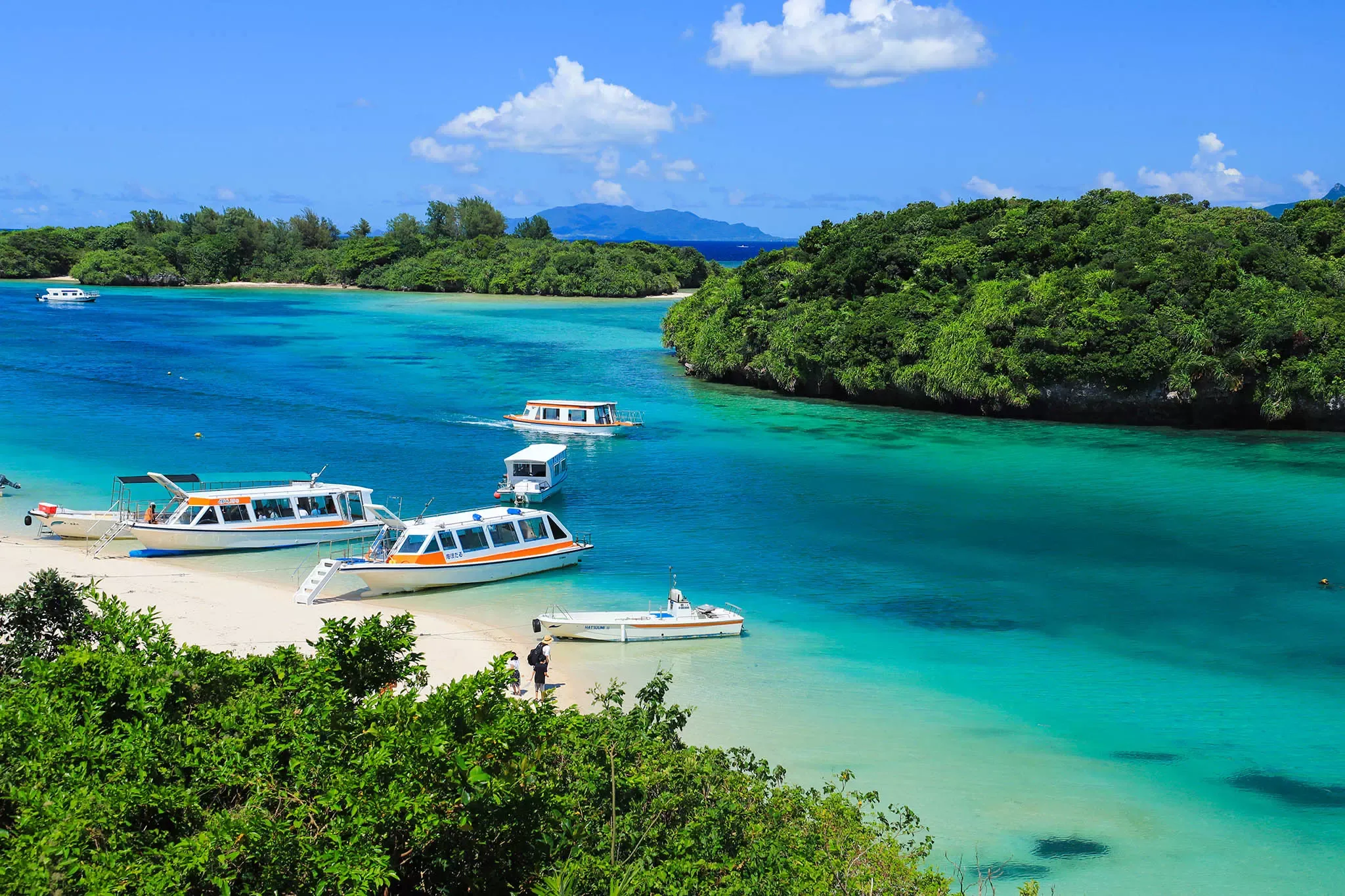
Okinawa is subtropical, which is a polite way of saying the sky has opinions and doesn't always share them in advance.
The rainy season here runs roughly from the middle of May into late June, earlier than mainland Japan. Typhoon season peaks from summer into autumn, with the highest disruption risk in the late-summer months and things calming down again by mid-autumn. (Our guide to the best time to visit Okinawa has the full seasonal breakdown; here, what matters is only what it means for your day count.)
What it means is this: if you're traveling any time from May through October, add a flex day. Make it two if your whole trip hinges on a specific marine activity or an outer-island crossing, because boats to the Kerama Islands and Yaeyama cancel first when the wind picks up, and Blue Cave tours get called off in rough seas.
A buffer day isn't wasted time. It's the difference between "the ferry was cancelled and that was our only shot" and "no problem, we'll go tomorrow." In peak typhoon months, it's the smartest single day you'll add to the trip.
Should you even add Okinawa to your Japan trip?
If this is your first time in Japan and you've got a week, here's the honest take from a lot of Japan travel: spend it on Tokyo and Kansai. Okinawa is a two-and-a-half to three-hour flight from Tokyo, figure about 3 hours from Tokyo Haneda, or a little less from Osaka, and squeezing it into a packed one-week debut means two of those precious days evaporate in transit.
But if you can stretch to ten days or more, or if you've done the mainland before, Okinawa gives your trip a completely different flavor. Slower, warmer, more ocean than city, with its own history as the old Ryukyu Kingdom that feels distinct from the rest of the country. In that case, four to five days here is a beautiful change of gear from the pace of Tokyo or Osaka and the crowds of Kyoto.
Think of it less as "Japan plus a beach" and more as a second, quieter country you're visiting on the same passport, and however you get to Okinawa, plan your trip to Okinawa around slowing down.
How you get around decides how much you fit
This is the practical hinge that most trip-length questions actually turn on: are you renting a car?
With a car, four days feels generous. Without a car, four days can feel like two, because you're at the mercy of sparse buses, the odd resort shuttle bus, and long waits for anything beyond the monorail line. Plenty of visitors give up on carless travel after a single frustrating day and rent a car for the rest of the trip.
If you can drive, rent a car, reserve it early, especially in summer, and avoid returning south through the Route 58 corridor during the evening rush. It's the thing that unlocks the north, the hidden beaches, and the scenic coastal detours that make people fall in love with the island.
If you can't or won't drive, don't despair, just plan differently. Base yourself in accommodation near the airport or along the Yui Rail in Naha, Okinawa, and hand the hard part to a guided day tour that handles the long northern run and the best things to do in Okinawa for you.
.webp)
Making the most of a short stay
Locked into two or three days and can't change it? You can still have a wonderful trip, you just have to plan like a local.
Stay central in Naha so you're not losing an hour to transfers each morning. Pick one region and go deep rather than trying to sweep the whole island. And here's the mistake to avoid most of all: don't save your one must-do ocean activity for the final day. If Blue Cave snorkeling or a Kerama boat trip is the thing you'll remember, schedule it early, on your first full day rather than the day you depart, so that if the weather cancels it, you've still got a second chance before your return flight home.

A quick word on the "longevity island" story
You've probably read that Okinawa is a "Blue Zone" where people live extraordinarily long lives, and that a visit is somehow a dose of that magic. It's worth holding that story loosely.
The idea has come under serious scrutiny in recent years, with researchers questioning how reliable the original longevity data ever was. The generation that gave Okinawa its reputation ate and lived very differently from Okinawans today. The northern village of Ōgimi still proudly carries its "village of longevity" name, and there's real culture and history from the days of the Kingdom of Ryūkyū worth experiencing, but come for the Okinawan food, a bowl of Okinawa soba noodles, and the warmth of the place, not for a promise of extra years. That part is a lovely legend, and best enjoyed as one.

FAQ
How many days do you need in Okinawa?
For the main island, three full days is the minimum and four to five is the sweet spot for most first-time visitors. Add more if you plan to visit the outer islands.
Is two days in Okinawa enough?
Two days works only as a stopover based in Naha. It is not enough to see the north, the beaches, and the south properly, so it suits a short add-on to a longer Japan trip rather than a standalone visit.
Is three days enough for Okinawa?
Three days is enough for a solid first impression of the main island, Naha, a northern day around the aquarium and Kōri Island, and one beach day. You will miss depth and won't have a weather buffer.
How many days do I need for the outer islands?
The Kerama Islands can be done as a day trip from Naha in summer, though an overnight is better. Miyako needs at least three days, and Ishigaki with the Yaeyama Islands needs three to four nights or more.
Is a week too long in Okinawa?
No. Seven days lets you slow down, base yourself up north, spread out the beaches, and add an island escape. It is an ideal length for a relaxed first trip.
Should I add Okinawa to my Japan itinerary, and for how long?
If it is your first time in Japan and you only have a week, focus on the mainland. If you have ten days or more, four to five days in Okinawa makes a comfortable change of pace.
Do you need a rental car in Okinawa?
For anything beyond central Naha, yes, public transport is limited outside the monorail line. If you can't drive, stay in Naha and use guided day tours for the north.
How much buffer time should I leave for weather?
Add one flexible day if you're traveling from May through October, and two if your trip depends on a marine activity or an outer-island ferry, since those cancel first in bad weather.
Evertrail Tours · July 27, 2026