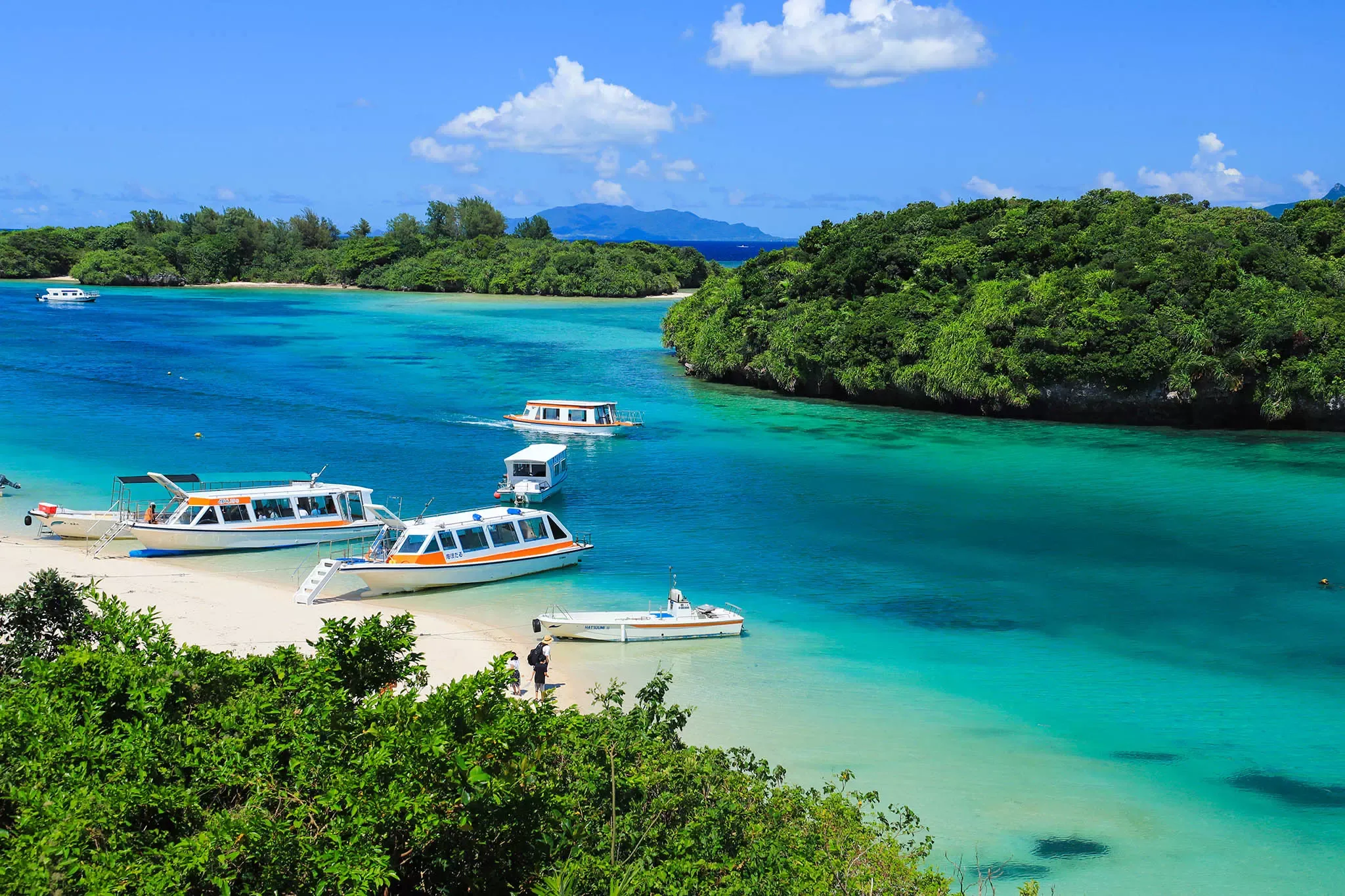
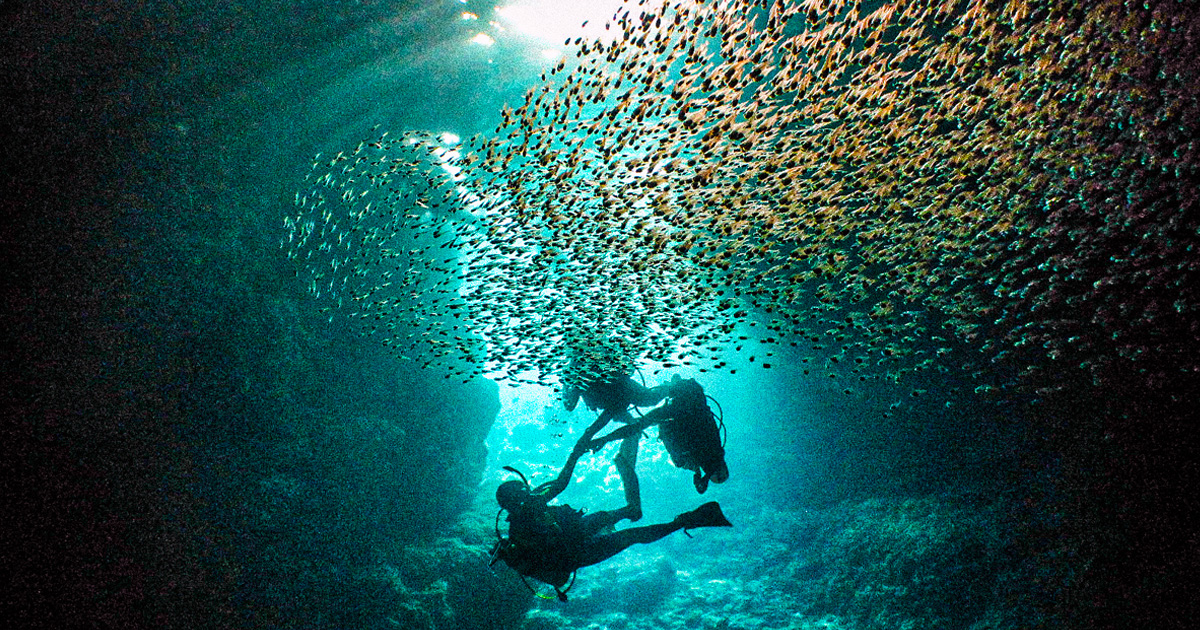
If you're bracing for Okinawa in summer the way you'd brace for a heatwave in Tokyo or Kyoto, take a breath. The islands don't actually roast you with record-breaking temperatures. What they do instead is wrap you in warm, sticky air that never quite lets go-not at noon, not at midnight. Learning to survive summer heat in Okinawa is less about enduring extreme numbers and more about pacing yourself, staying hydrated, and dressing for humidity, and it's the easiest part of summer Okinawa travel to get right once you know the rhythm.
Here's the short version of Okinawa's summer weather: from roughly May through October, expect daytime highs around 31–32°C, humidity often between 70 and 90 percent, strong sun, and warm nights that hover near 27°C. You beat it by timing your day around the midday peak, drinking water with electrolytes, covering up against UV, and paying attention to Japan's official heat alerts. Do those few things and Okinawa's summer becomes what it should be: gloriously blue and completely manageable.
Let's get you ready.
Key things to remember
Okinawa's heat is a humidity problem, not a temperature record-plan for endurance, not extremes. Rhythm beats willpower. Front-load your mornings and evenings, and treat midday as shade-and-air-conditioning time. Hydrate with electrolytes, not just water. Plain water alone won't cut it on a full day outdoors. Learn the WBGT heat alert. Japan's warning system is built around humidity, which is exactly Okinawa's issue. Dress the local way: breathable shirts, UV-cut fabrics, sunscreen, and a hat or parasol. Swim smart. Stay inside jellyfish nets during the summer season, and go early or late in the day. Know the signs of heatstroke and how to call for help.
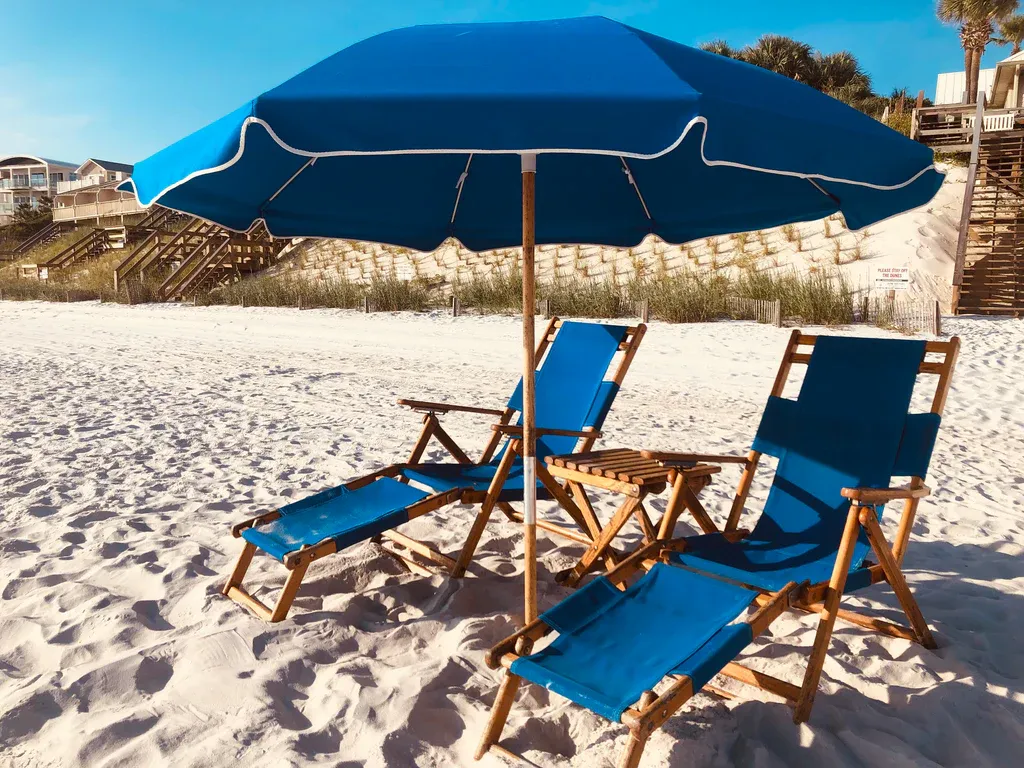
Why Okinawa's heat feels different
Mainland Japan's summer story is about extremes. Cities like Kyoto and Nagoya routinely rack up dozens of days above 35°C, and a handful of inland spots have pushed past 40°C in recent years. Okinawa doesn't play that game. Despite its subtropical latitude, Okinawa's summers are gentler than the mainland's on the thermometer, the ocean keeps the islands warm year round but rarely lets them turn brutally hot.
Surrounded by ocean, the islands rarely see the thermometer climb that high. In a typical year, Naha, Okinawa's capital—barely registers any days at or above 35°C at all. Its all-time record high sits at just 36.0°C, set in July 2024. Compared to the mainland, that's remarkably mild.
So why does everyone talk about the heat? Because raw air temperature isn't the point here. The point is humidity, sunshine, and the sheer, oppressive heat of days that simply never let up.
According to Japan Meteorological Agency climate norms, Naha in July and August typically sees highs around 31 to 32 degrees Celsius with humidity near 78 percent. June is often the stickiest stretch of all, with humidity climbing into the low 80s while the rainy season lingers into late June. And crucially, the nights barely cool off, lows tend to sit around 27°C, so you rarely get the evening relief that makes hot days elsewhere bearable.
The outer islands feel similar. Ishigaki and Miyako run a touch warmer during the day in midsummer, but steady sea breezes take some of the sting out, and the pattern holds on the smaller escapes too, from the Kerama Islands to Ie Island. Wherever you are in the Ryūkyū chain, though, the formula is the same: warm around the clock, humid, and bright.
Once you stop expecting a dry, scorching heat and start treating it as a warm, wet, all-day condition, everything about your packing and planning falls into place.
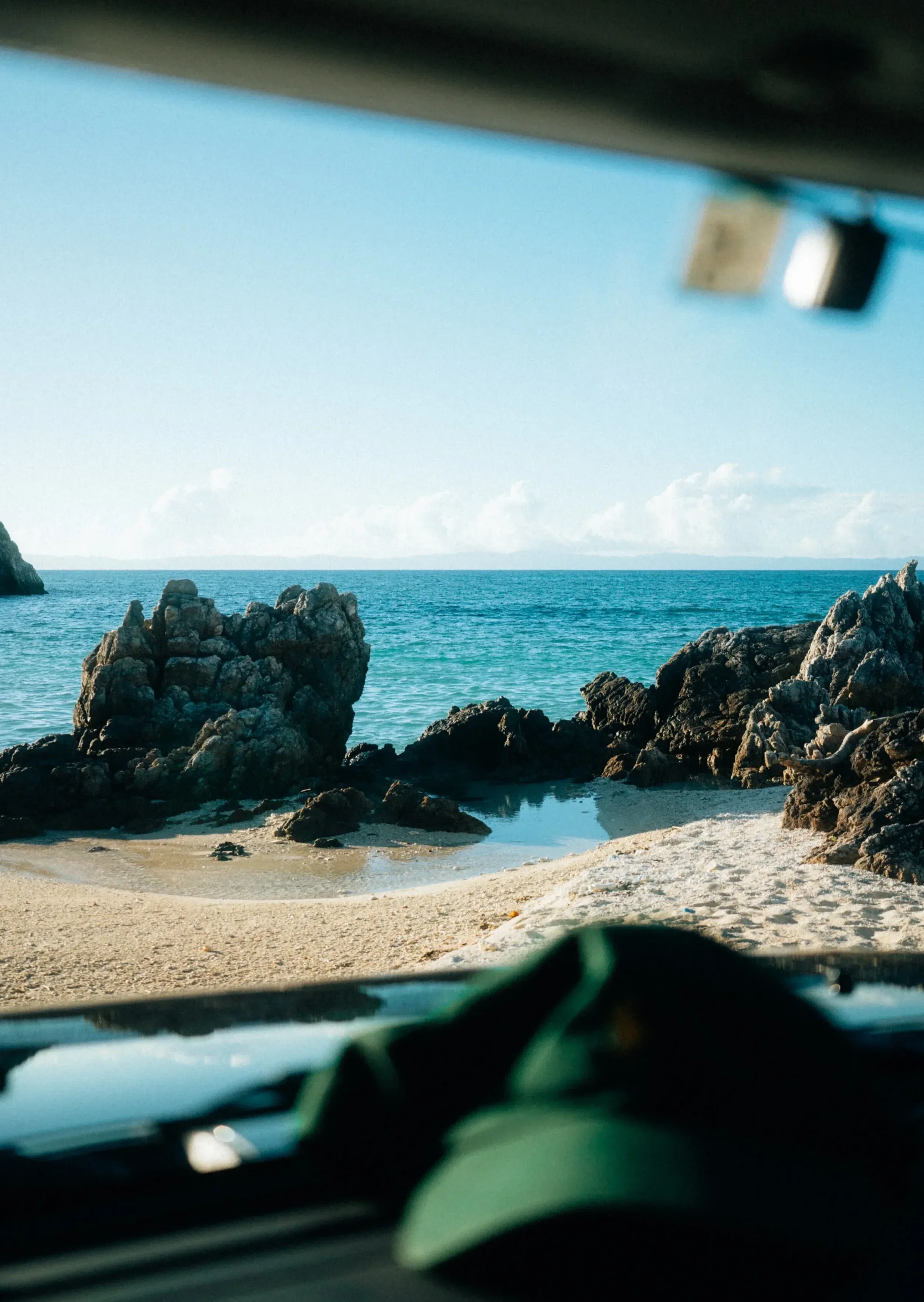
Read the heat alerts like a local
Japan takes heat seriously, and it has an official warning system worth understanding before you arrive.
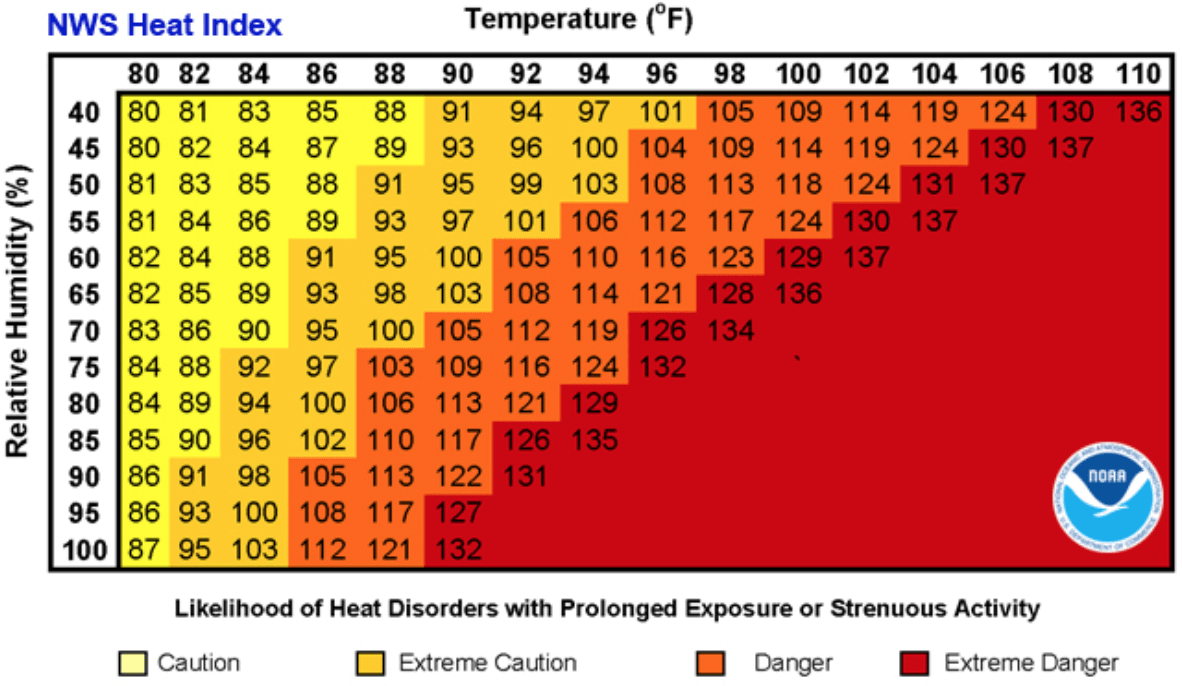
The key term is WBGT, the Wet-Bulb Globe Temperature, sometimes called the "heat index." Unlike a normal temperature reading, WBGT blends air temperature, humidity, and radiant heat from the sun into a single risk score. That's why it's the perfect tool for Okinawa: it captures the muggy discomfort that a plain thermometer misses.
Two alerts run off this number, issued jointly by Japan's Ministry of the Environment and the Meteorological Agency:
A Heatstroke Alert goes out when the day's WBGT is forecast to reach 33 or higher. It's a signal to take real precautions, hydrate, seek shade, and skip strenuous activity in the sun.
A Special Heatstroke Warning, a newer and rarer alert, is issued when conditions are forecast to be dangerously hot everywhere across a prefecture at once. If you ever see one for Okinawa, treat it as a stay-indoors day and reshuffle your plans.
Because Okinawa is spread across so much ocean, alerts are issued separately for different zones, the main island, the Daito Islands, Miyako, and the Yaeyama group around Ishigaki, so check the one that matches where you actually are.
The easiest place to look is the Ministry of the Environment's heat-illness site, which has an English version. It's worth a glance each morning, check the weather forecast and the day's WBGT together before you head out. Japan's national tourism organization also pushes English-language heat alerts through its "Japan Safe Travel" social feed, and mainstream Japanese weather apps display the daily WBGT alongside the regular forecast.
None of this is meant to scare you, it's meant to help you plan. And the scale of the issue is real: across Japan in 2025, more than 100,000 people were taken to hospital by ambulance for heat illness over the summer, a record. Okinawa's own share ran into the low thousands, and interestingly, the worst month there tends to be June, proof that it's the humid, early-summer stickiness, not just peak-August sun, that catches people out.
Build your day around the heat
The single most effective trick isn't a gadget. It's timing.
Okinawa's sun is at its most punishing from roughly late morning to mid-afternoon. So flip your schedule and plan around the heat rather than fighting it. Do your beaches, hikes, gardens, and castle walks in the cooler light of early morning or late afternoon, and treat the middle of the day as a deliberate pause. An early start, in particular, buys you the best light before the heat builds.
That pause is a feature, not a failure. Duck into an air-conditioned café, a shopping mall, a museum, or an aquarium, any indoor attraction with a wave of cool air, and let your body genuinely cool down for an hour or two. Okinawans do exactly this, and it's why they still look fresh at sunset while unprepared visitors are wilting by lunch.
Evenings are Okinawa's secret weapon. Once the direct sun drops, the islands come alive, markets, seawalls, and open-air restaurants are far more pleasant at 6 p.m. than at noon. Summer evenings are also when the season's celebration calendar fills up with seasonal events: Eisā drumming, hari dragon-boat races, a neighborhood festival, and firework displays, with fireworks lighting up the bay long after the heat has broken. A slow evening stroll turns the cooler hours into the best part of the day, so lean into that rhythm and you'll see more, not less. Build your itinerary around these cooler windows and the heat never runs your trip.
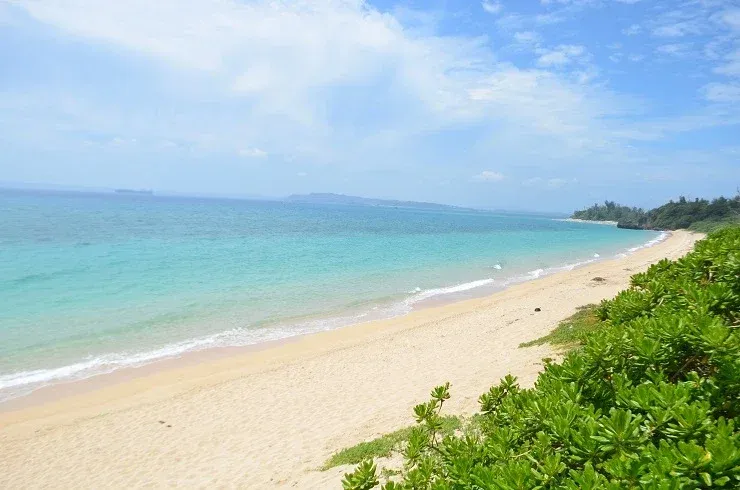
Hydration: water is only half the job
Here's the mistake that lands people in trouble: drinking plenty of water and nothing else.
When you sweat as much as Okinawa's humidity makes you sweat, the heat can drain you faster than you notice, and you lose salt along with the water. Replace only the water and you dilute your body's sodium, which can actually make heat illness worse. Japanese health guidance is clear on this, you need water plus electrolytes.
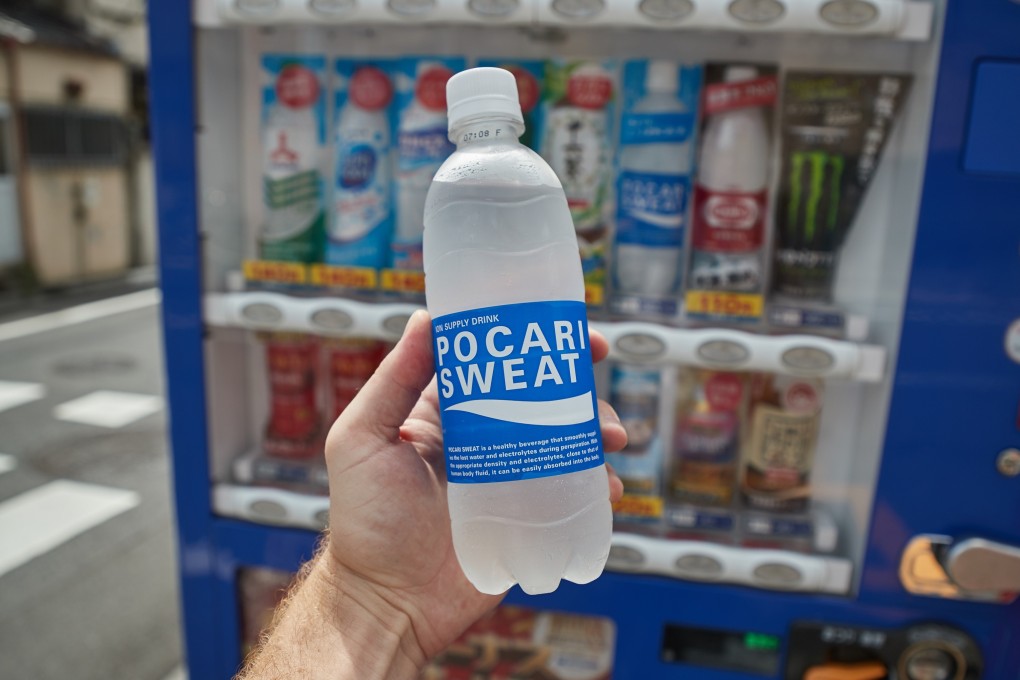
The good news is that Japan makes this effortless. Every convenience store sells sports drinks like Pocari Sweat and Aquarius, oral rehydration solutions, and even salt tablets designed for exactly this purpose. On a hot, active day, alternate plain water with one of these electrolyte drinks rather than relying on water alone.
A few simple habits go a long way:
Sip steadily throughout the day instead of gulping a lot at once. Keep a cold bottle on you and top it up, vending machines are everywhere. Go easy on alcohol and heavy caffeine during peak heat, since both work against you.
One caveat: if you're on a salt-restricted diet for blood pressure, heart, or kidney reasons, talk to your doctor about how to handle electrolytes before you travel. For most healthy visitors, though, the water-plus-salt rule is the one to live by.
Dress for humidity, not just sun
What you wear in Okinawa in summer matters more than you'd think, and the local wardrobe has this figured out.
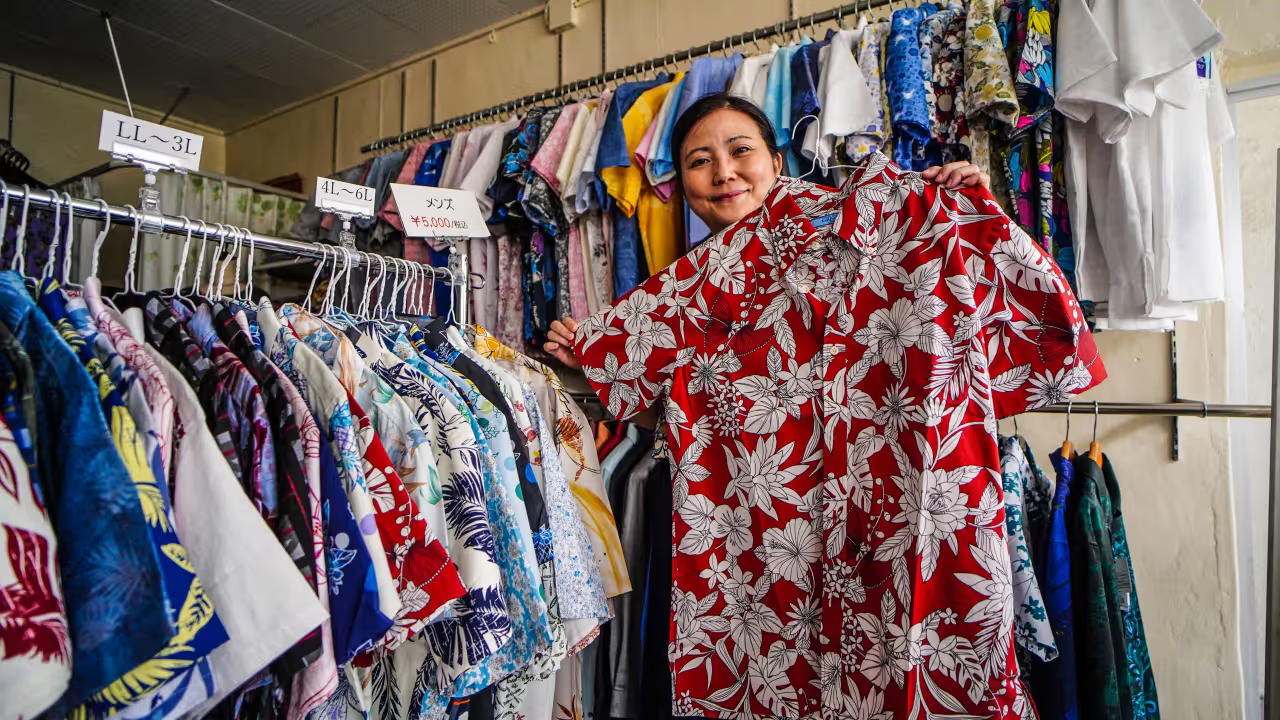
The islands' signature garment is the kariyushi shirt, Okinawa's answer to the aloha shirt. These breathable, collared short-sleeves are light, airy, and accepted even as summer business wear here. They make an easy, cool, distinctly local souvenir, and you'll find them all over Naha's shops and department stores.
Beyond that, think coverage rather than exposure. UV-cut clothing, light long sleeves, rash guards, arm covers, and breathable technical fabrics like UNIQLO's AIRism, actually keeps you cooler by blocking the sun without trapping heat; every ray you block is heat your body doesn't absorb. Add a wide-brimmed hat or a parasol (carrying a sun umbrella is completely normal in Japan), and a compact umbrella in your bag doubles as shade and typhoon-season rain cover. Round it out with breathable footwear, sandals for the beach, light sneakers for the days you plan to sightsee on foot.
Sunscreen deserves special attention. Japanese sunscreens are excellent and widely loved, typically going up to SPF50+ with the highest PA++++ rating for UVA protection. For the beach, choose a water-resistant one and, this is the part people forget, reapply every two to three hours, and again after swimming or toweling off. A high SPF number is not an all-day pass. Reef-safe formulas are increasingly available too, which is worth choosing if you're heading out over coral.
Cooling gear worth carrying
A few small, cheap items make a genuine difference, and you can pick them all up after you land.
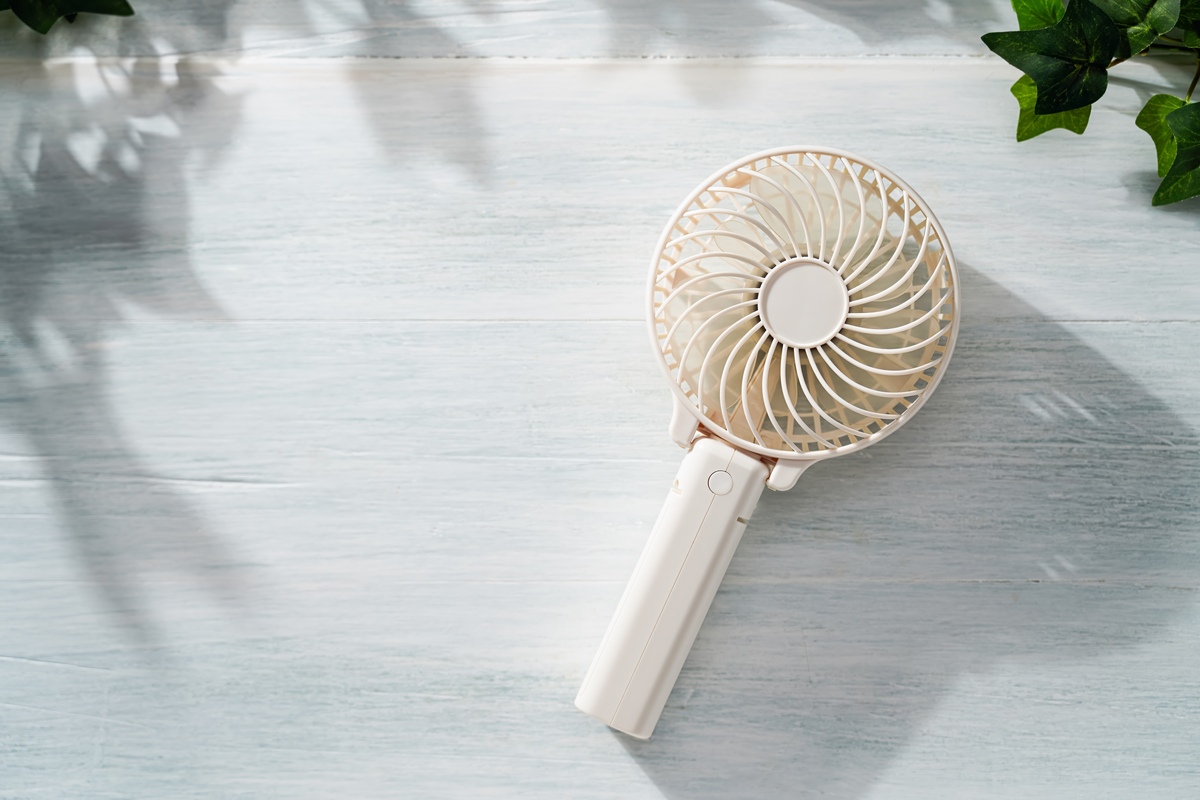
A handy fan, the little rechargeable handheld kind, is practically standard summer equipment in Japan. A cooling towel that you wet and snap to activate will drop your neck temperature fast. And cooling sprays, mists, and body wipes, the menthol kind that leave your skin tingling and cold, are a small miracle on a sweaty afternoon. A quick spray or a cooling mist on the back of the neck resets you fast.
You'll find all of these at Don Quijote, drugstores, 100-yen shops, variety stores like Loft, and the big AEON and San-A malls. Convenience stores stock a summer heat-countermeasure corner in season too. There's no need to haul any of it from home, buying on-island is easy and cheap, and any large mall doubles as a cool place to duck into when the heat peaks.
Beach and water safety in the heat
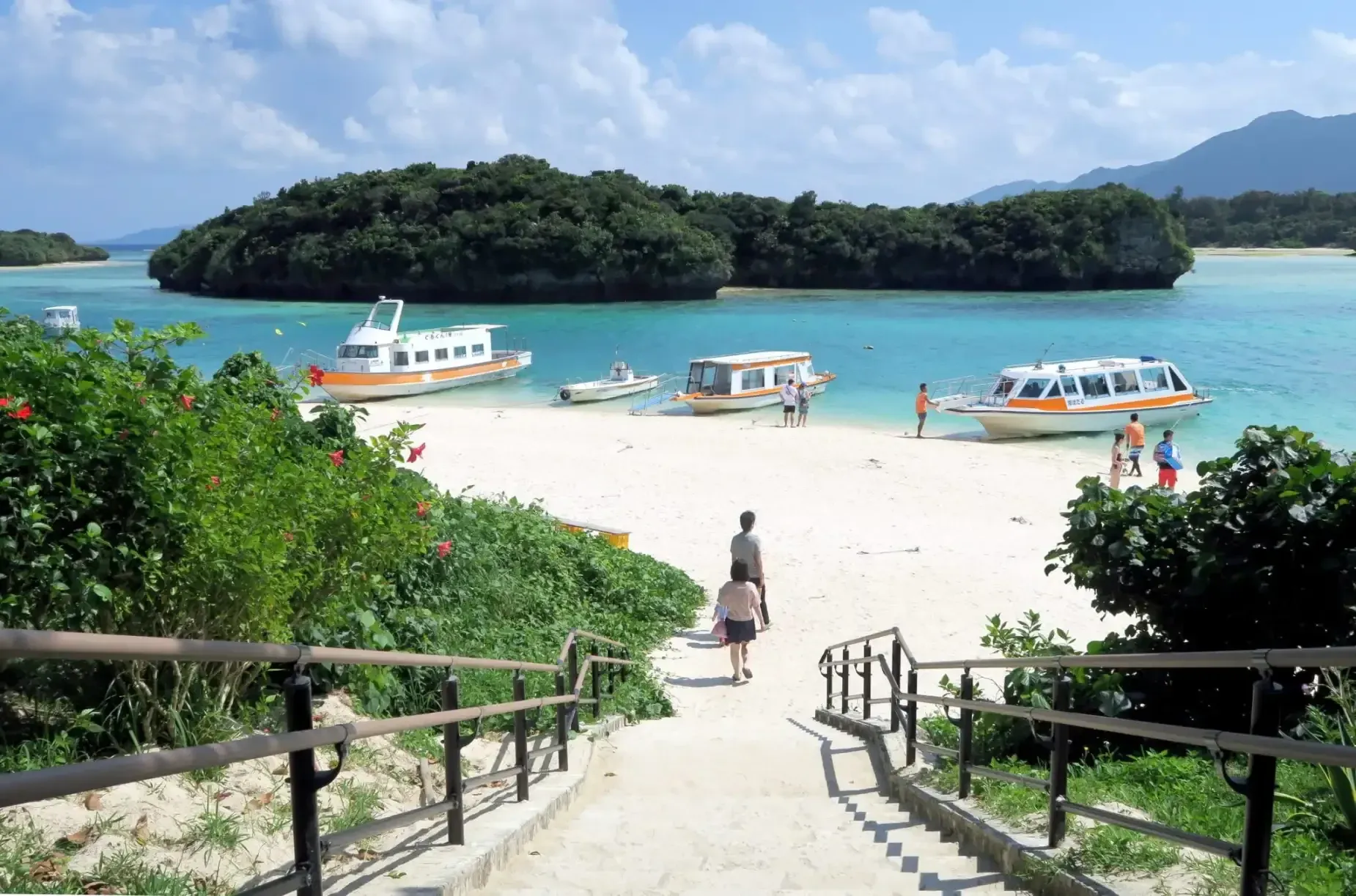
The ocean is the obvious way to cool off, and Okinawa's water is stunning. Just swim smart.
Summer is jellyfish season. The dangerous one to know is the habu-kurage, or box jellyfish, and Okinawa Prefecture issues an annual advisory that typically runs from the start of June through the end of September. Its sting is no joke.
The rule is simple: swim inside the netted zones at managed beaches, which are set up specifically to keep jellyfish out. Many beaches also fly safety flags, and a red flag means the water is closed, respect it. A rash guard adds a useful extra layer even inside the nets.
It's smart to carry a small bottle of vinegar to the beach in summer. If someone is stung, get them out of the water, don't rub the area, pour plenty of vinegar over the sting to neutralize it, then cool it and seek medical help. That vinegar step is specific to Okinawa's box jellyfish and genuinely helps.
Beyond jellyfish, the same timing logic applies: the sea is far more pleasant, and safer for your skin, early or late in the day rather than under the full midday glare.
Heatstroke: know the signs and what to do
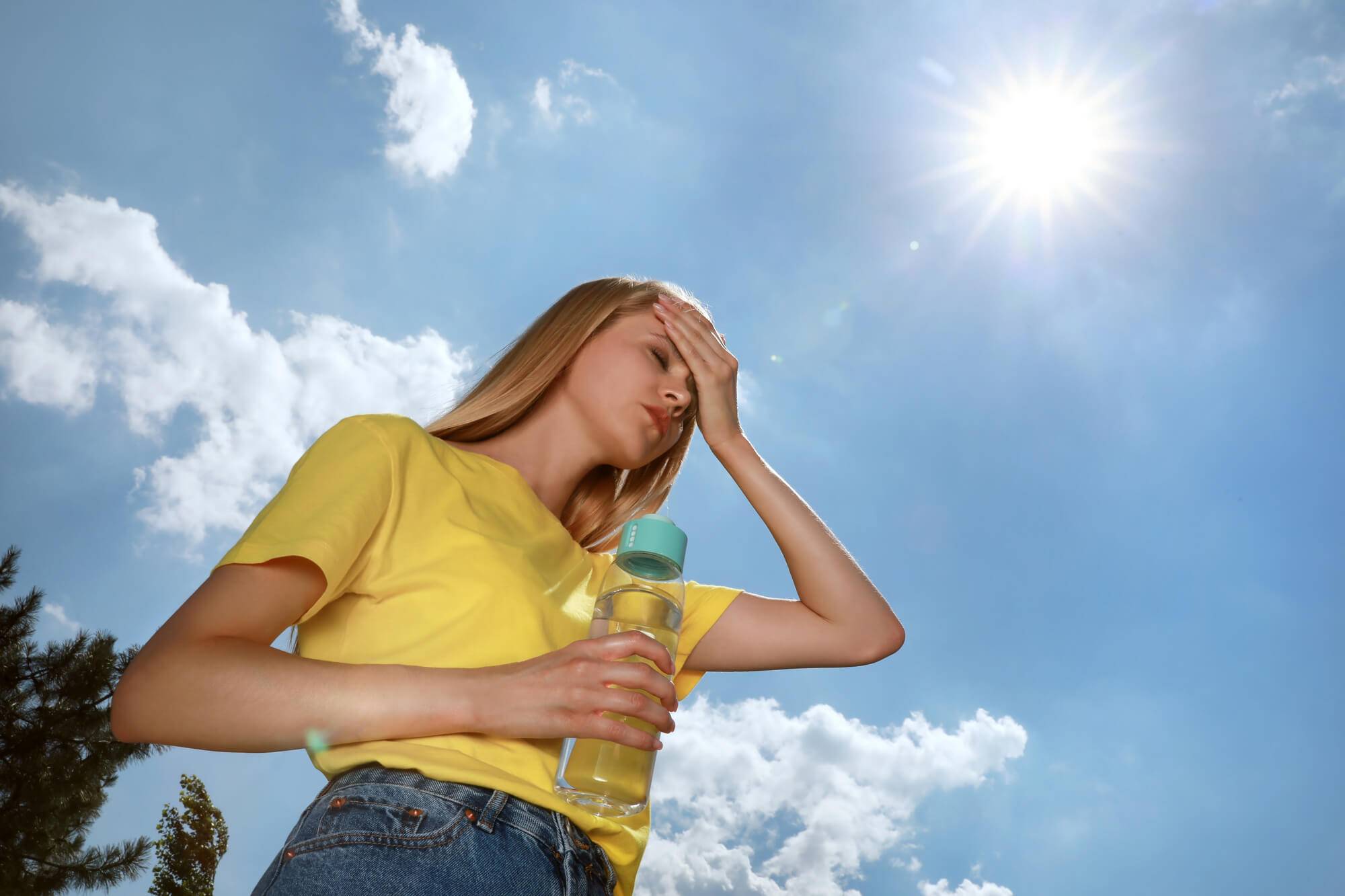
Most visitors never have a problem. But heat illness, from mild heat exhaustion up to full heatstroke, is common enough in Japan's summer that it's worth knowing the warning signs, for yourself and for the people you're traveling with.
Early signs include dizziness or light-headedness, muscle cramps, headache, nausea, heavy sweating, and fatigue. The signs that mean act now are confusion, strange or slurred responses, an inability to drink, no sweat despite the heat, or collapse.
If someone starts to struggle, the response is straightforward. Move them into shade or air-conditioning. Loosen their clothing and cool them aggressively, the fastest results come from cooling the neck, armpits, and groin, where big blood vessels run close to the skin—and douse them with water and fan them. Give water with salt or an electrolyte drink only if they're fully conscious and able to swallow; never force fluids on someone who's confused or vomiting.
If they don't improve quickly, or they can't drink on their own, don't wait. Call for an ambulance.
In Japan the emergency number is 119 for fire and ambulance. It's free, ambulance transport included (hospital treatment is not, so travel insurance matters). When the call connects, say "kyūkyū desu", "it's an emergency, ambulance", then give your location and a nearby landmark and stay on the line. Many fire departments can bring an English interpreter onto the call, so ask.
Two more numbers are worth saving.
Japan's tourism hotline at 050-3816-2787 offers 24-hour help in English and can assist with medical situations and interpretation.
And in many areas, #7119 is a medical advice line if you're unsure whether a situation warrants an ambulance at all.
A cooler, more local way to refresh
Finally, the fun part. Okinawa has its own delicious ways of taking the edge off the heat.
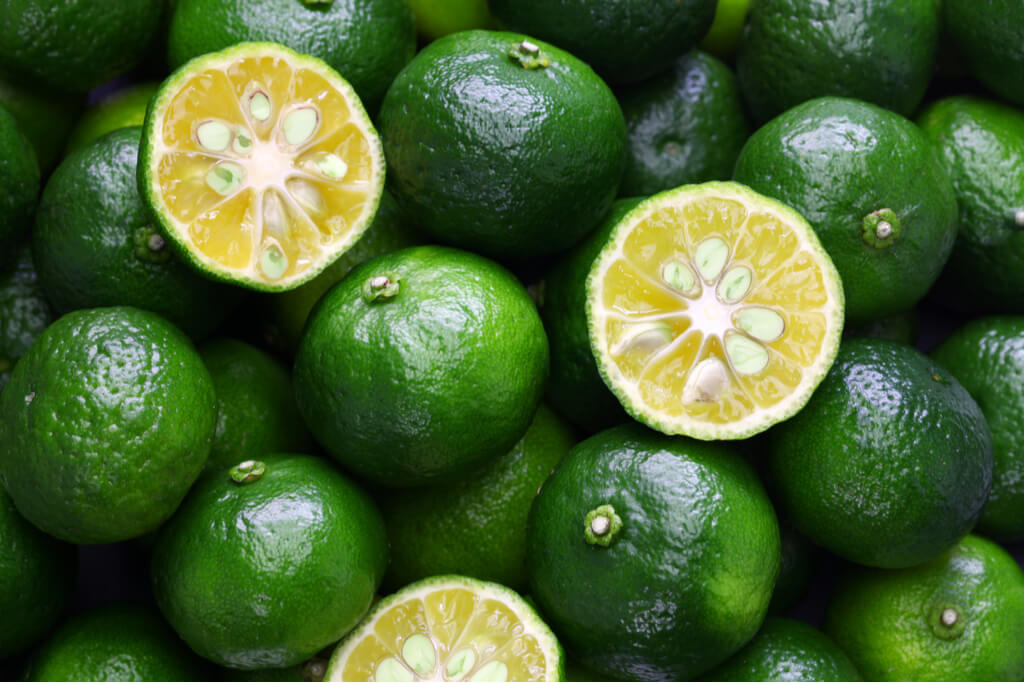
Look for shīkuwāsā, a small, tart native citrus grown in the north. Served as a chilled, diluted juice or soda, it's sharp, refreshing, and unmistakably Okinawan, the local equivalent of reaching for a cold lemonade.
Then there's sanpin tea, Okinawa's everyday jasmine tea. It's in every convenience store, supermarket, and vending machine, served ice-cold and lightly fragrant, and it pairs perfectly with the islands' rich summer food. Grabbing a cold can of sanpin is about the most local thing you can do on a hot afternoon. And when the heat calls for food that cools you down, locals reach for shaved ice heaped with syrup or a bowl of cold ramen, hiyashi chūka, both summer staples.
Frequently asked questions
Is Okinawa too hot to visit in summer?
Not at all. Summers are hot and humid, but daytime highs typically stay around 31–32°C, milder than many mainland Japanese cities. With sensible timing, hydration, and sun protection, summer is a great time to enjoy the islands' beaches and blue water.
How hot does Okinawa actually get in summer?
Naha usually sees highs around 31–32°C in July and August, with humidity near 78 percent and warm overnight lows around 27°C. Its record high is about 36°C. Outer islands like Ishigaki and Miyako run slightly warmer by day but catch cooling sea breezes. (Figures are typical ranges and shift year to year.)
What months are the hottest in Okinawa?
July and August bring the highest temperatures, while June often feels the most oppressively humid as the rainy season winds down. Expect hot, sticky conditions from roughly May through October.
What should I wear in Okinawa in summer?
Light, breathable clothing, local kariyushi shirts are ideal, plus UV-cut layers, a hat or parasol, sunglasses, and plenty of sunscreen. Coverage that blocks the sun keeps you cooler than bare skin.
What's the best time of day to be outside?
Early morning and late afternoon into evening. Aim to spend the late-morning to mid-afternoon peak in shade or air-conditioning.
What is a WBGT heat alert and how do I check it?
WBGT is a heat index combining temperature, humidity, and radiant heat. Japan issues a Heatstroke Alert when it's forecast to reach 33 or higher. Check the Ministry of the Environment's heat-illness site (available in English) or a Japanese weather app for your specific area of Okinawa.
What should I drink to avoid heatstroke? Water plus electrolytes. Alternate plain water with a sports drink or oral rehydration solution, both are sold in every convenience store. Water alone isn't enough for a full day of sweating.
Is it safe to swim in Okinawa in summer?
Yes, with care. Summer is box jellyfish (habu-kurage) season, roughly June through September, so swim inside the netted zones at managed beaches, watch for safety flags, and consider a rash guard.
What are the signs of heatstroke, and what do I do?
Watch for dizziness, cramps, headache, nausea, and, more seriously, confusion or an inability to drink. Move the person to a cool place, cool their neck, armpits, and groin, and give fluids only if they're conscious. If they don't improve or can't drink, call 119.
Is Okinawa hotter than mainland Japan?
Usually the opposite. Okinawa rarely reaches the extreme highs common in mainland cities, thanks to the surrounding ocean. What makes it feel intense is the humidity and the lack of overnight cooling, not record temperatures.
Do that, and the heat fades into the background, leaving you free to enjoy summer here: the turquoise water, the slow island evenings, and the easy warmth that makes an Okinawan summer worth showing up for.
Evertrail Tours · July 28, 2026