The first thing I noticed was the noise.
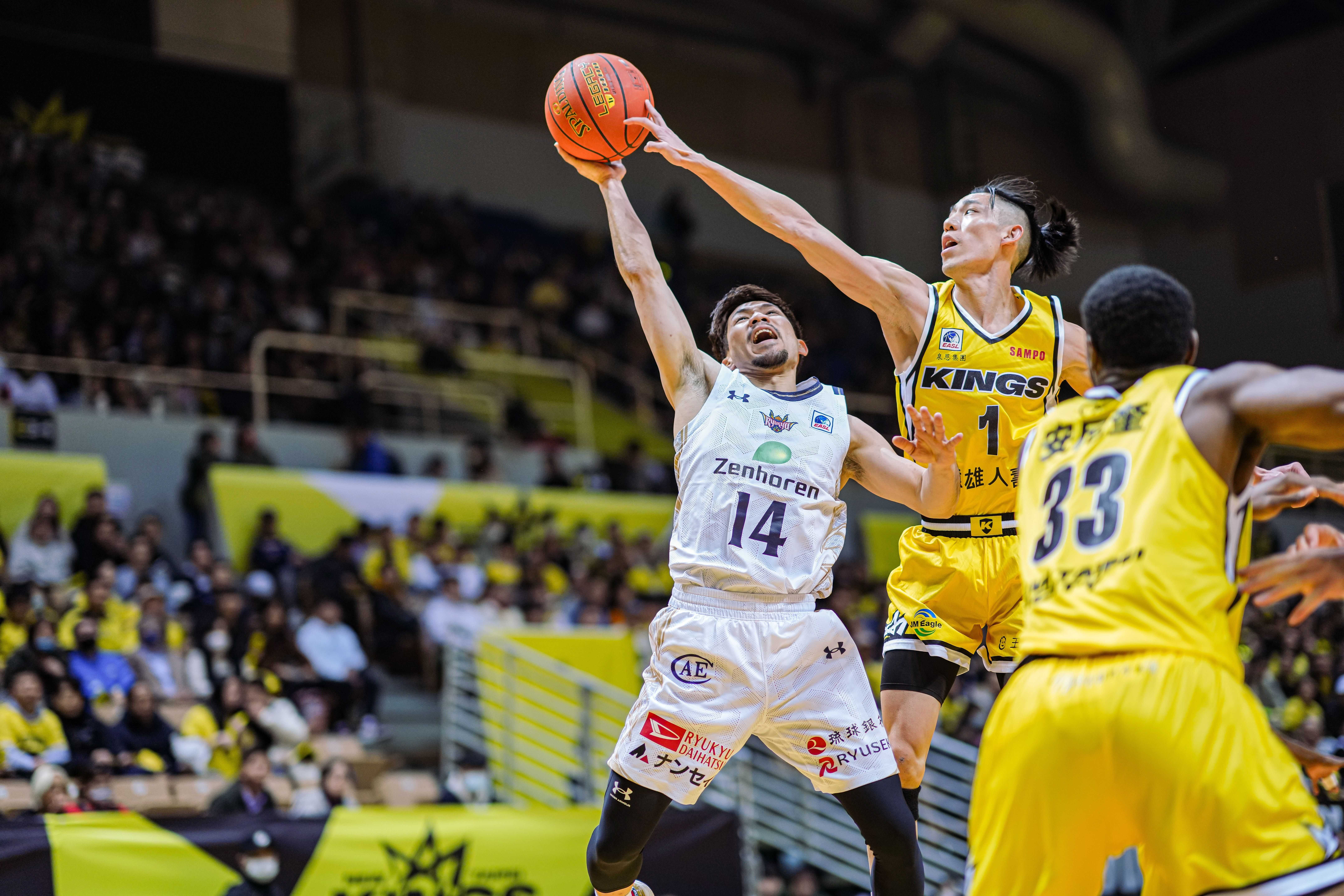
I had come to Okinawa for the usual reasons, the reefs, the soba, the slow afternoons, and ended up, almost by accident, inside a sold-out arena in the middle of the island, surrounded by ten thousand people who had clearly done this many times before. Somewhere below us, the Ryukyu Golden Kings were running the floor. Above us, a vast circular scoreboard threw light across the whole bowl. And around me, strangers were drumming, chanting, cheering, and waving champagne-gold towels in a rhythm I didn't know yet but picked up within minutes, because that's what a good crowd does to you.
I had not expected to love it. I had expected to tolerate it for an hour and slip out early. Instead I stayed until the final buzzer, walked out into the warm night still half-deaf, and thought: why does nobody tell visitors to do this?
So here I am, telling you.
Why bother watching sport in Okinawa at all?
Most guides to Okinawa send you to the same handful of places, and they're not wrong to, the islands are genuinely beautiful. But there's a particular kind of travel experience that beaches and castles can't give you, and that's the feeling of standing inside something local while it's actually happening.
A live game does that better than almost anything. You're not looking at Okinawa through glass. You're in a crowd of people who live here, watching the thing they care about, eating the food they eat, making the noise they make on a normal evening. For a couple of hours you stop being a visitor and become, briefly, just another person in the stands.
It also happens to be one of the few plans that works in any weather and any season. The basketball is indoor, so a typhoon warning or a wet afternoon doesn't touch it. The baseball arrives in the cool, clear heart of winter. And the football runs quietly in the background almost all year. Whatever month you land in, there's usually something to catch.
Here's how the sporting year actually breaks down, and how to be there for the best of it.
The Ryukyu Golden Kings: Okinawa's team
Who they are, and why the island loves them
If Okinawa has a heartbeat in the world of sport, it's the Golden Kings.
They were the island's first professional sports team, founded in 2007, and that history matters. For a place that has always sat a little apart from the rest of Japan, its own language, its own kingdom once, its own long memory, having a team that wins on the national stage means something more than wins and losses. People here grew up with this club. You feel that in the building.
And they win. The Kings took four national titles in the old bj-league era, 2009, 2012, 2014 and 2016, then claimed their first top-flight B.League championship in the 2022–23 season. They've reached the national final five years running, including a heartbreakingly close series in the spring of 2026 that went the full distance before slipping away. This is not a team you watch out of pity, the speed and physicality on the floor make that obvious within minutes. It's one of the best teams in the country, and its popularity here is no accident.
There's a bigger shift coming, too. From the 2026–27 season, the top division is being rebuilt as the B.League Premier, a 26-club elite tier with no relegation, designed to raise the standard of the whole league. The Kings open that new era as one of its marquee names, tipping off the inaugural schedule with a high-profile road game against Alvark Tokyo in Tokyo. If you're reading this with a trip on the horizon, you're catching them at an interesting moment.
The arena experience
The home stadium deserves its own paragraph, because it's a destination in its own right.
The Okinawa Suntory Arena — still widely known by its old name, the Okinawa Arena, so don't be thrown if your map app shows both — sits in Okinawa City, in the central part of the island. It holds up to 10,000 people, and the venue was built to feel like a North American arena rather than a municipal gym. That intention shows everywhere: a suspended 510-inch scoreboard hanging over center court, ribbons of LED light wrapping the bowl, theatrical lighting that drops the house to black before the players come out. It was good enough to host games at the 2023 FIBA Basketball World Cup, which tells you the level we're talking about.
But the part I remember isn't the technology. It's the texture of the night.
Hours before tip-off, the plaza outside fills with food trucks, draft beer, snack and popcorn stands, and merch stalls — a small festival that you can wander through whether or not you've even thought about the game yet. Inside, the pre-game show leans full theatrical: projection mapping across the court, a thumping introduction, cheerleaders and a dance troupe. And then, threaded through all of it, the Okinawan part, Ryuukyuan drumming behind the chants, and when the winning team seals the night, the kachaashii, a loose, joyful island hand dance that players and fans do together. It's modern American sports presentation wearing Okinawan clothes, and the mix is the whole charm of it.
It's also genuinely easy as a family outing. Younger children get discounted tickets, the smallest ones can sit on a lap for free, and there's playground equipment in the surrounding park for anyone who runs out of patience by halftime.
Season, tickets, and getting there
The basketball season runs from early October to early May, which lines up neatly with the cooler, drier half of the year — the same window a lot of people visit anyway. The league playoffs land in May. One thing worth knowing: the new league schedule has added a lot of weekday games, so don't assume basketball only happens on weekends. Always check the live fixture list before you build your trip around a date.
Tickets are refreshingly painless for overseas visitors. The club runs a fully bilingual English ticketing portal, the signage inside is in English, and the staff are used to helping foreign guests, the language barrier is, in practice, almost nonexistent. Buy early, though. The Kings draw some of the most passionate fans in the league, and the big games sell out weeks ahead, so book your tickets in advance.
Prices scale with the seat and the opponent. Upper-tier seats tend to run around ¥1,500 to ¥2,000, the mid-level "Arena A" and "Arena B" sections sit roughly between ¥3,500 and ¥6,000, and courtside and premium tables climb past ¥10,000. For a first visit, the mid-tier seats give you plenty of atmosphere without the splurge.
Getting there takes a little planning, because Okinawa has no passenger rail beyond the Naha monorail, everything else is road. From central Naha it's a drive of roughly 22 to 40 minutes via the expressway to the Okinawa-Minami interchange, though rush hour can stretch that past an hour. From the west-coast resort hotels it's a straightforward 20 to 35 minutes south down the expressway. There are also direct express buses from the Naha area if you'd rather not drive.
One practical warning that trips up a lot of travelers: on game days the parking right at the arena is reserved for pass holders. The local move is to park at the AEON MALL Okinawa Rycom a few kilometers away and ride the free shuttle bus straight to the gates.
February: when pro baseball comes to Okinawa
How spring training works, and why it's worth your time
If you visit in February, the island belongs to baseball.
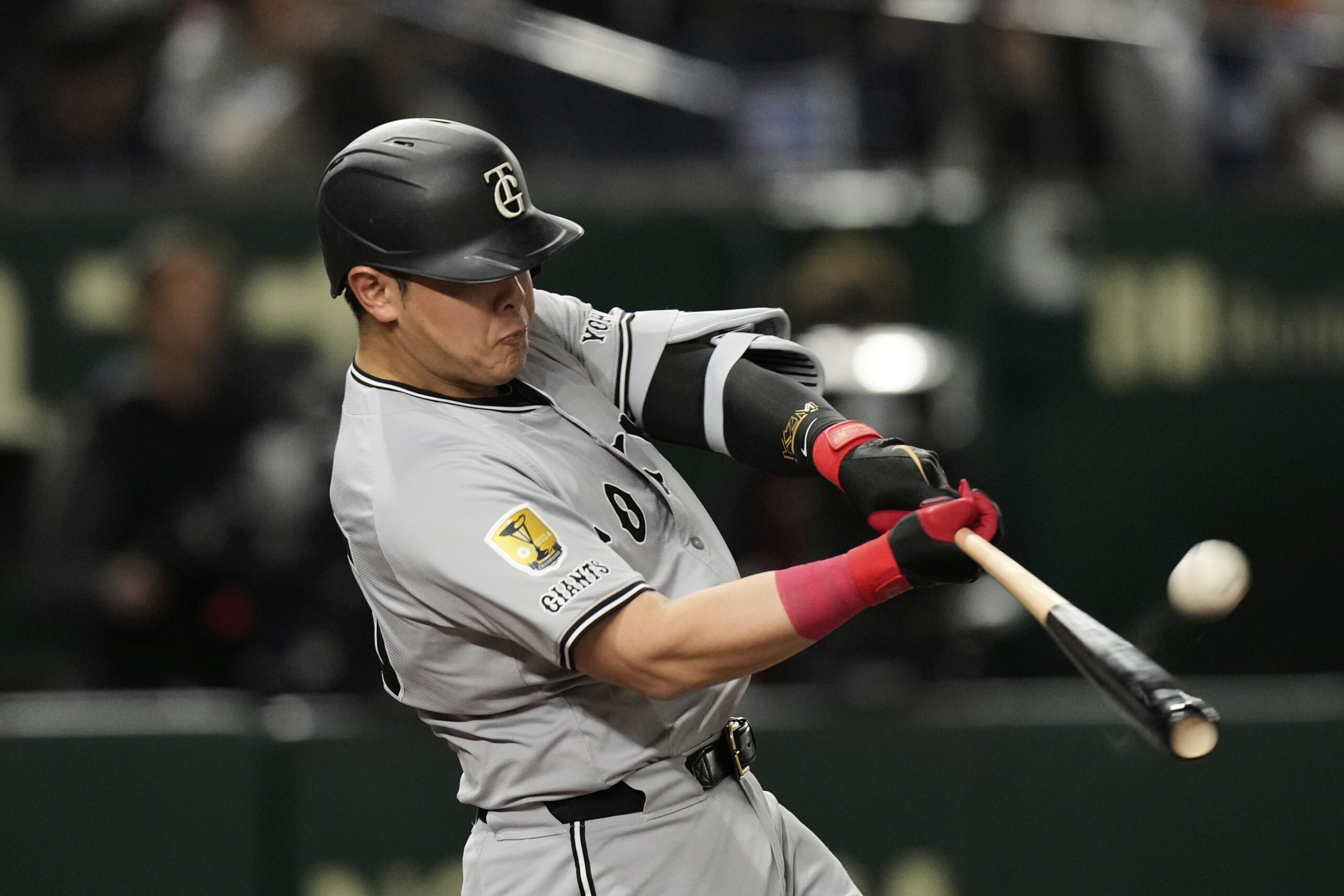
This is when most of Japan's professional baseball teams, the clubs of Nippon Professional Baseball, the country's equivalent of Major League Baseball, come south to escape the mainland winter, starting their preseason camps in the Okinawan sun weeks before the baseball season proper begins. Daytime temperatures sit around a mild 20°C, and the experience is unlike almost any other way of watching baseball in Japan, because it has barely been commercialized at all.
You can walk straight into most camps and watch morning workouts, batting practice, bullpen sessions, and intra-squad scrimmages completely free. No ticket, no gate, no fuss — just families with bento boxes settling in along the fences. Because the atmosphere is so relaxed, the players are extraordinarily approachable, stars wander the fan pathways between fields, signing autographs and posing for photos in a way that simply doesn't happen during the regular season. If you've only ever seen professional baseball from a distant stadium seat, this closeness is a small revelation.
Which teams train where
Nine of Japan's twelve top-flight teams hold their spring camp on Okinawa's main island. The other three, the Fukuoka SoftBank Hawks, Seibu Lions, and Orix Buffaloes, head to Miyazaki on Kyushu instead, so don't go looking for them here.
The nine teams are spread across town stadiums up and down the island. The Yomiuri Giants set up right in the capital at Okinawa Cellular Stadium Naha, a short walk from the monorail, the easiest camp of all to reach. The Hanshin Tigers are up north in Ginoza, the Chunichi Dragons in Chatan, the Yokohama DeNA BayStars in Ginowan, and the Tokyo Yakult Swallows in Urasoe, all within a comfortable drive of Naha. Further afield, the Nippon-Ham Fighters camp up in Nago, the Hiroshima Carp in Okinawa City, the Rakuten Golden Eagles in Kin, and the Chiba Lotte Marines down south in Itoman.
A quick heads-up for navigation: several of these grounds have picked up new commercial names, the Ginowan ballpark is now Union Desukara Stadium, and the Ginoza one is Entry Ginoza Stadium — so search by town if the name on an old blog doesn't match your map.
Watching a camp as a visitor
There's an international layer to all this, too. Several top Korean professional teams — the Kia Tigers, Samsung Lions, and Doosan Bears among them — run their own camps here at the same time and play friendly scrimmages against the Japanese teams. Watching Japanese baseball go up against the Korean clubs in a half-empty stand on a warm February morning is one of those quietly memorable travel moments you can't really plan for.
The free part covers practices and informal scrimmages. Toward the end of February, the teams play more formal preseason baseball games, and those do need a ticket — but only a cheap one, usually somewhere between ¥1,000 and ¥2,500, available online or from convenience stores. Either way, it's some of the best baseball played in Japan at pocket-money prices.
FC Ryukyu and the rest of the island's sport
Okinawa has a football club, too, and I'll be honest with you about it — because honesty is more useful than hype.
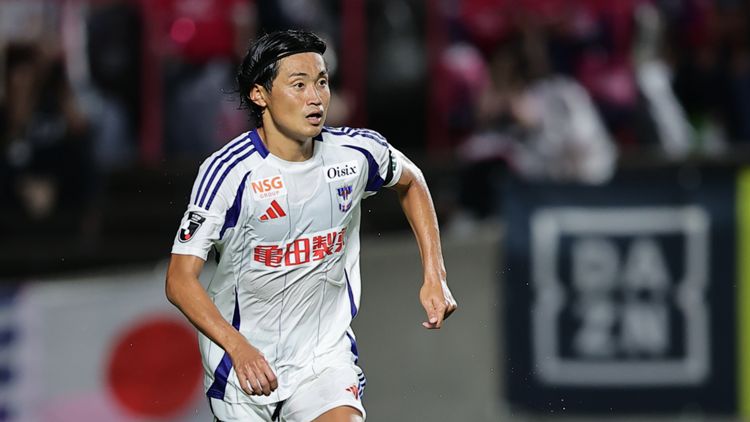
FC Ryukyu plays in the J3 League, the third tier of Japanese professional football. You'll find plenty of outdated articles online still placing them in J2 or referring to a "100 Year Vision League" — ignore those; the club is firmly in J3. They play at Tapic Kenso Hiyagon Stadium — officially the Okinawa Prefecture Athletic Stadium — in Okinawa City, a multi-purpose ground with a running track around the pitch. That track means you sit further from the action than you would in a dedicated football stadium, and J3 matches don't have the huge choreographed displays of the top division.
What you get instead is charm, intimacy, and the passionate support of a small but devoted local crowd. It's among the most affordable pro sport anywhere in Japan — adult tickets run roughly ¥1,500 to ¥2,500, and children pay around ¥500. The lively matchday food plaza, the Yataimura, opens a couple of hours before kickoff with taco rice, Okinawa soba, and local craft beer, plus stage performances and autograph sessions. First-timers are welcomed by the enthusiastic regulars, and buying a club scarf or a replica uniform is an easy, low-effort way to belong for an afternoon.
Beyond the three big professional sports, Okinawa keeps some wonderful traditional spectacles alive. There's Okinawan bull sumo — a non-lethal test of strength between two enormous bulls locking horns in a dirt ring, with the biggest championships held in May, August and November. There's the Naha Great Tug-of-War each October, a 250,000-strong street festival pulling a Guinness-record 40-ton rope along Route 58. And every February the Okinawa Marathon sends runners on a route that passes through the interior of Kadena Air Base, a genuinely unusual cross-cultural detail. If your timing lines up with any of these, they're worth building a day around.
Building a game into your trip
So when should you come, if sport is the hook?
February is the obvious answer, the one month where everything overlaps. The baseball camps are in full swing, the Golden Kings are deep in their home schedule, FC Ryukyu's season is getting going, and the marathon runs; the whole island runs a low sports fever. If you only get one shot at a sports-themed itinerary, this is it.
May is the other strong window, for the postseason: the basketball playoffs peak, the football season is in its prime, and the spring bull sumo championship lands in Uruma. And October is a lovely third option, with the basketball season kicking off and the great tug-of-war filling the streets of Naha.
A word on pacing, though. A game is an evening, not a whole day, and the island around the arena is worth far more than the drive there and back. The festival food at these grounds, the taco rice and the draft beer and the soba, is really just a doorway into Okinawan cooking, and it's a shame to stop at the doorway.
Whatever you do, don't treat the game as a filler. Some of my clearest memories of Okinawa aren't of a beach at all. They're of a drum line in a dark arena, a champagne-gold towel spinning over my head, and the strange, happy feeling of belonging somewhere I'd only just arrived.
Go catch a game.
Frequently asked questions
Can tourists watch the Ryukyu Golden Kings, and how do you get tickets?
Yes, it's one of the easiest pro sports experiences in Japan for overseas visitors. Buy tickets in advance through the club's official English-language portal, which is fully bilingual. Big games sell out weeks ahead, so book early rather than relying on the door.
When is the Golden Kings basketball season in Okinawa?
The top-tier season runs from early October to early May, with playoffs in May. The schedule now includes a significant number of weekday games, so check the official fixture list rather than assuming weekend-only play.
Where is the arena, and how do you get there from Naha?
The Okinawa Suntory Arena (formerly the Okinawa Arena) is in Okinawa City, in the central island. From Naha it's about 22 to 40 minutes by car via the expressway, longer in rush hour, plus express bus options. On game days, park at AEON MALL Okinawa Rycom and take the free shuttle, as arena parking is reserved for pass holders.
Can you watch Japanese pro baseball spring training in Okinawa, and is it free?
Yes. From February 1 to late February, nine of Japan's twelve top teams hold camp here, and watching daily workouts and informal scrimmages is completely free — about the most relaxed way to catch a baseball game in Japan. Only the formal preseason games at the end of the month need a ticket, and those are cheap, roughly ¥1,000 to ¥2,500.
When is baseball spring training in Okinawa?
Camps open on February 1 and typically run until around February 23–26, after which the teams return to the mainland. February is the single best month on the Japan baseball calendar for fans visiting the island.
Is there a professional football team in Okinawa?
Yes, FC Ryukyu, currently in the third-tier J3 League. They play in Okinawa City at Tapic Kenso Hiyagon Stadium. It's low-key and affordable rather than a big-stadium spectacle, but warm, family-friendly, and one of the cheapest ways to watch pro sport in Japan.
What's the best month to visit Okinawa for sports?
February, comfortably. Baseball camps, Golden Kings home games, the start of the football season, and the Okinawa Marathon all overlap. May (basketball playoffs and bull sumo) and October (basketball kickoff and the Naha tug-of-war) are strong runners-up.
Do you need to speak Japanese to enjoy a game in Okinawa?
No. The Golden Kings ticketing system and arena signage are in English and staff are used to foreign visitors. Baseball camps require nothing but turning up, and football tickets can be bought through an English portal. A live game is one of the most language-proof things you can do here.
Evertrail Tours · June 17, 2026