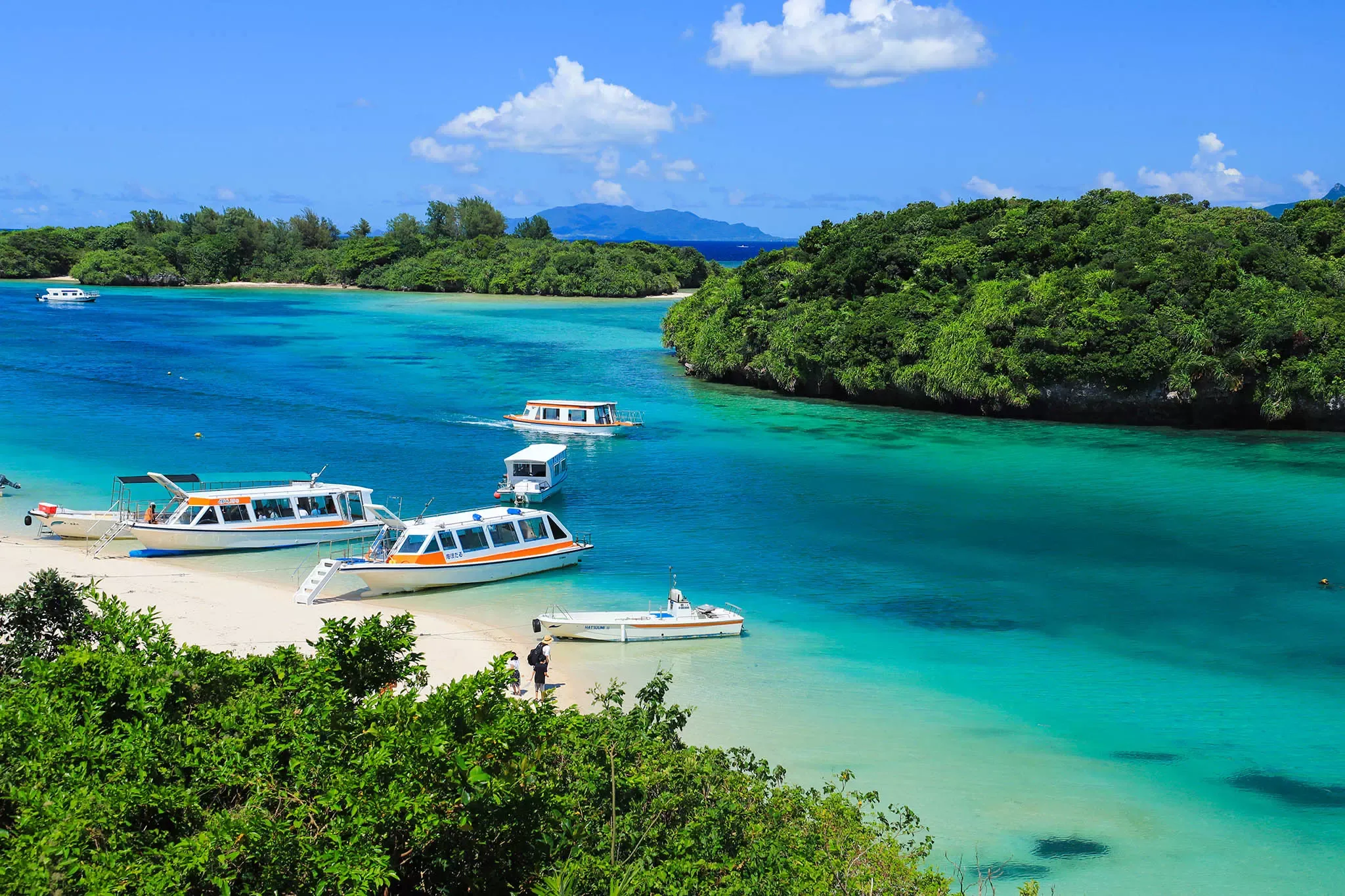
Everyone knows Okinawa, Japan for its beaches. The turquoise water, the coral reefs, the long lazy afternoons on Emerald Beach, it's all real, and it's all worth it. But if that's all you do here, you're only seeing half the island.
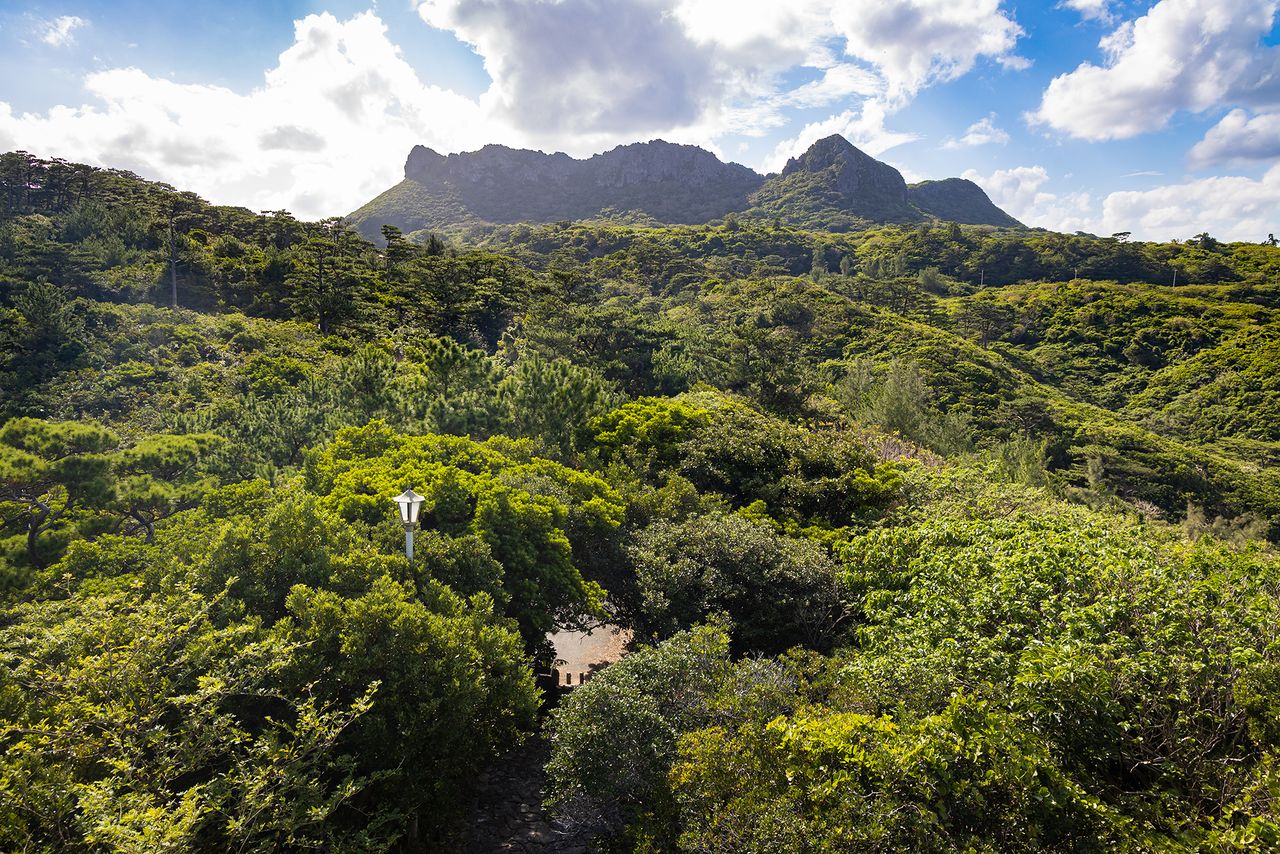
Drive 20 kilometres north of the resort strip and the coastline disappears behind a wall of green. Suddenly you're in Yanbaru, a dense, ancient subtropical forest that covers the entire northern third of Okinawa's main island. In 2021, UNESCO inscribed this region as a World Natural Wonders Heritage Site, recognising it as one of the most biodiverse subtropical forests on the planet. It's home to flightless birds found nowhere else on Earth, ferns that look like they belong in the Jurassic, and limestone ridges with views that will stop you mid-scramble.
This guide covers the best way to explore Okinawa jungle trails on the main island, which ones to hike, what to expect on each, what wildlife to watch for, how to get there, and how to choose between going solo or booking a guided tour experience.
Why Okinawa's Jungle Is One of Asia's Best-Kept Trekking Secrets
Here's the thing about Yanbaru: it doesn't look like a hiking destination at first glance. There are no alpine drama peaks, no obvious mountain town at the base, no cable cars. The highest point on the main island, Mount Yonaha, is only 503 metres. But height isn't the point here.
What makes this place extraordinary is density. More than 4,000 species have been recorded in Yanbaru, including 11 endemic animals and 12 endemic plants. The forest canopy is short and tightly packed, the understorey is choked with flying spider-monkey tree ferns (Cyathea lepifera), and the landscape's limestone skeleton, pushed up from the ocean floor around 250 million years ago, breaks through the surface as jagged crags and ridges above the green.
Yambaru National Park was officially established in 2016, covering over 13,600 hectares of land. UNESCO World Heritage inscription followed in July 2021, shared with Iriomote, Amami-Oshima and Tokunoshima, a recognition of just how rare and irreplaceable this ecosystem is.
For adventure travellers, the appeal is simple: genuine wilderness within 90 minutes' drive of Naha. No crowds, no English signage past the parking lot, no resort hotels at the trailhead. Just forest, limestone, and hiking trails that ask something of you.
Hiking in Okinawa has grown quietly over the past decade, but the forest trails of Yanbaru still see a fraction of the visitor numbers that Yakushima or the Japan Alps draw. If you're looking for the kind of experience that feels earned, this is the best place to find it.
Top Jungle Trails on Okinawa's Main Island
The main island has dozens of marked routes, ranging from gentle boardwalk nature walks to full-day ridge scrambles. These five are the ones worth building a trip around.
Hiji Waterfall Trail: moderate — 3 km return — subtropical forest leading to a 25.7m waterfall. Currently closed, see latest updates before planning.
Jawbone Ridge Loop: hard — 11.3 km — limestone scrambling with 360° summit views.
Mount Katsuu (Katsuudake): moderate to hard — 1.6 km — a fast, rugged climb with panoramic sea views.
Ta-Taki Falls Trail: moderate — 2.3 km — river trekking ending at a swimmable waterfall pool.
Mount Ishikawa C-Course: moderate — 2.7 km — varied forest terrain with river crossings, accessible by bus.
Hiji Waterfall Trail, Current Closure Notice
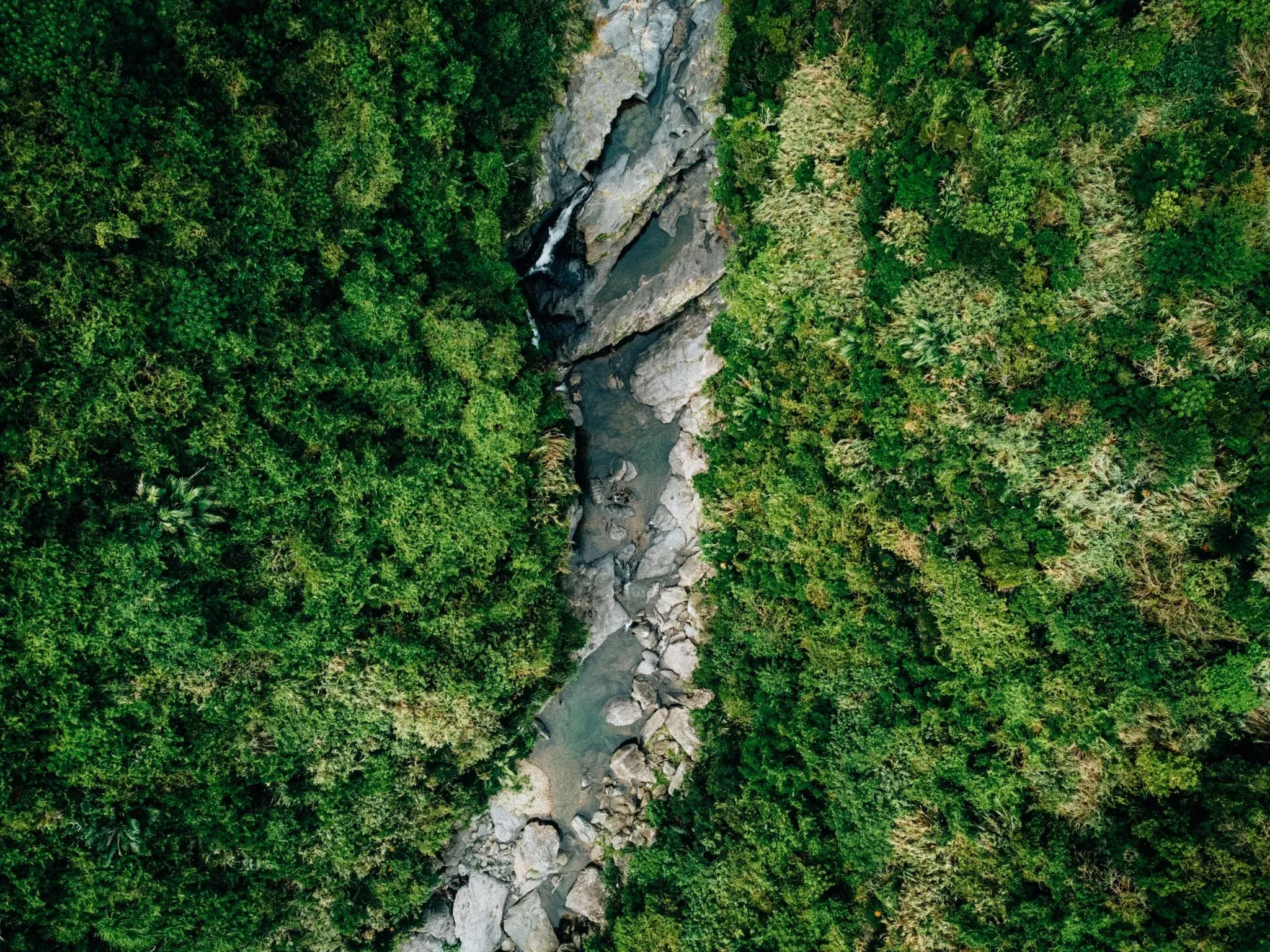
In normal times, Hiji Otaki is the trail everyone visits first. It leads 1.5 kilometer through dense subtropical forest along the Hiji River, crossing a 17-metre suspension bridge before climbing a final staircase to the island's tallest waterfall, a 25.7-metre drop into a dark jungle pool.
But as of early 2026, the trail is closed and has been since November 2024. Heavy rains that month caused significant damage to the trail infrastructure and adjacent campground. The Kunigami Village Tourism Association confirmed the closure in an official notice updated in August 2025, noting that "reopening is expected to take several years." No confirmed date has been set.
If you've seen the Hiji Waterfall on older Okinawa guides or travel blogs, set that plan aside for now. Check the Kunigami Village Tourism Association website before your trip, things could change, but budget for an alternative. The good news is that the trails below are just as impressive, and most of them are far less known.
Jawbone Ridge Loop
This is the one locals and expats living on the island of okinawa come back to again and again. Known locally as Mt Awa-dake, hikers call it Jawbone Ridge for the row of sharp, jagged rock teeth at the summit, and once you see them, the name makes complete sense.
At around 11.3 kilometer with 580 metres of elevation gain, it's the most demanding day hike on the main island. You'll climb steeply through humid subtropical evergreen forests, using fixed ropes on the muddier sections, before the trail emerges onto an exposed limestone ridge. The geological story here is remarkable: these rock formations are the remains of a 250-million-year-old coral reef, pushed up from the ocean floor over millions of years.
The summit rewards you with a clean 360° panorama, Nago city, the East China Sea, Kouri Island, Okuma Beach. On a clear morning, it's one of the spectacular views in all of Okinawa.
Plan for four to four-and-a-half hours for the full loop. Bring grippy hiking shoes, gloves for the rocky scramble, and at least two litres of water. And don't do it after rain, the mud sections become treacherous and the limestone turns glassy underfoot.
Mount Katsuu (Katsuudake)
If Jawbone Ridge is the full day out, Mount Katsuu is the trail for when you want maximum reward with minimum time commitment. The summit push from the trailhead car park takes around 25 to 40 minutes one way, but don't let the brevity mislead you.
At 452 metres, Katsuu-dake is the third-tallest peak on the Motobu Peninsula, and the trail is steep, root-covered and muddy. There are rope-assisted rock sections midway and a cave-like drop that demands your full attention. It's a short hike that earns its description as one of the most challenging per-kilometer climbs on the island.
The reward at the top is a sweeping panoramic view across the East China Sea to Kouri-jima, and just past the summit, a famous overhanging rock that looks terrifying in photographs. The rock formation here is the same ancient reef rock you'll find across the Motobu Peninsula.
The trailhead is a gravel parking lot with pit toilets, no vending machines, no facilities. Bring water, pack your kit, and go early to catch the sunset or clear morning light.
Ta-Taki Falls Trail
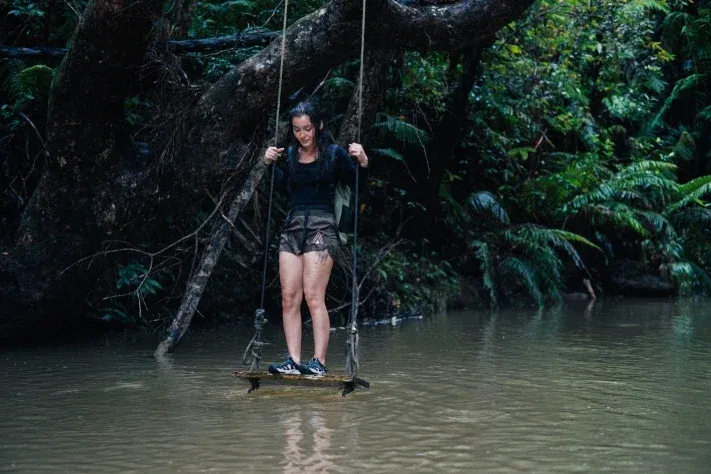
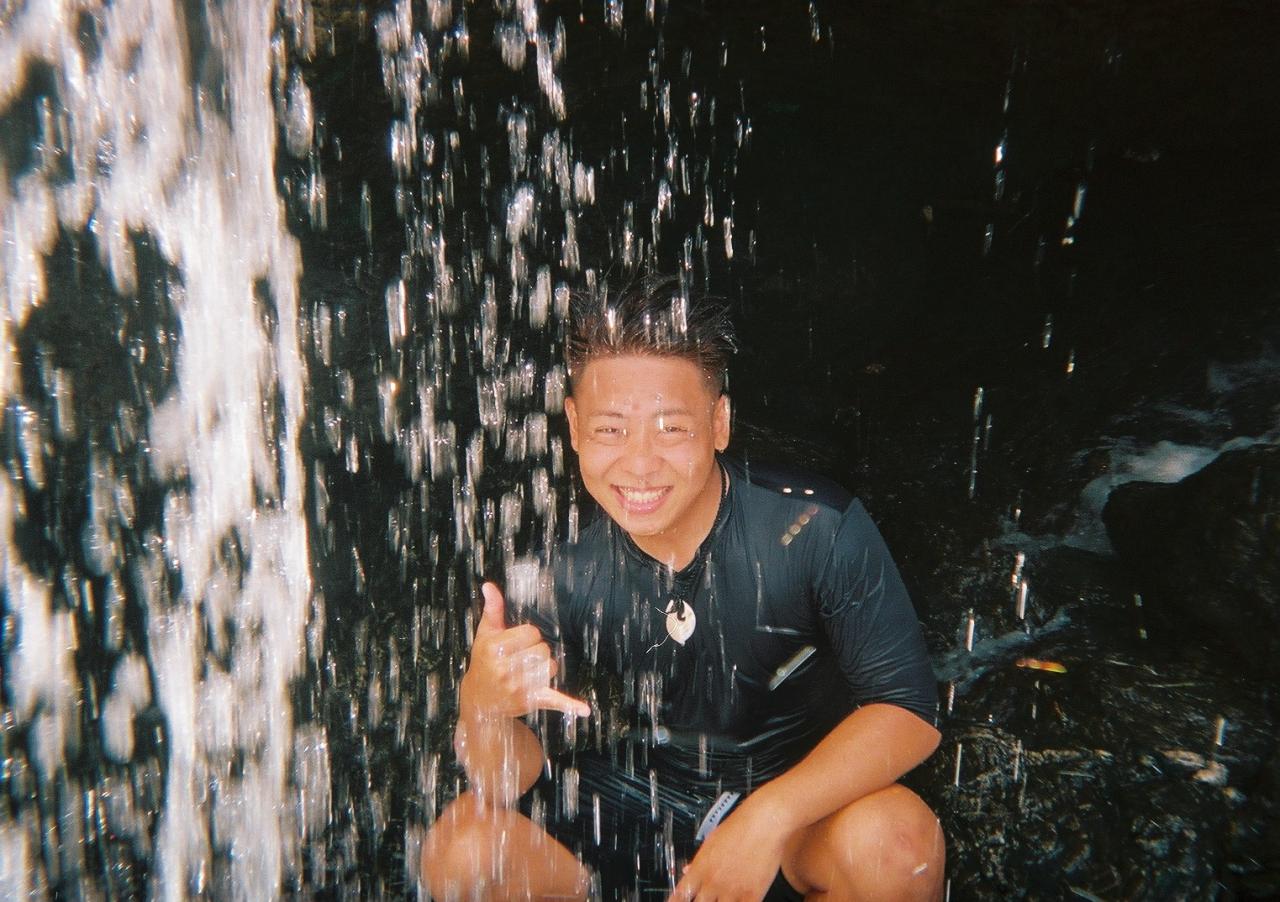
Ta-taki (ター滝) in Ogimi Village is not a hike you do with dry shoes. From the small, locally run parking lot, open 08:30 to 17:30, cash only, you follow the Hiranan River upstream for around 900 metres. That means wading through knee- to hip-deep pools, scrambling up mossy boulders using fixed ropes, and passing a genuinely fun Tarzan rope swing before reaching the falls themselves: a stocky 10 to 15-metre double plunge into a swimmable pool.
The whole round trip is about 2.3 kilometer and takes 30 to 45 minutes each way. It's moderate in difficulty, but the river conditions change everything, after heavy rain, the operators close it for safety, and that call is the right one. A hiker lost their life here in 2017 after crossing a rope barrier into a restricted area above the falls. Respect the signage, and only go in good weather.
Water shoes are not optional. The parking attendants rent them on-site, along with a coin shower at the end. This trail has become the de facto replacement for the closed Hiji route, and for good reason, it's genuinely brilliant.
Mount Ishikawa C-Course
For a traveler staying in central Okinawa, around Onna, Yomitan or Uruma, Mount Ishikawa is the most practical jungle hike on the island, and one of the few you can reach by public bus (route 117 from Naha, around 90 minutes).
The mountain straddles Uruma City, Onna Village and Kin Town, and the trail network is managed by the Okinawa Prefectural Ishikawa Youth Center. You must register at the reception desk before setting out, a simple sign-in process. There are three loop options: A (shortest), B (intermediate), and C, which is the one to choose.
The C-Course is about 2.7 kilometer with 175 metres of gain, winding through varied subtropical forest, a river crossing where the path actually drops into a shallow stream, and a final ridge with views over central Okinawa. The Youth Center estimates two to five hours depending on pace; fit hikers do it in 90 minutes. It's the most beginner-friendly proper jungle experience on the island.
River Trekking and Waterfall Adventures
One of the most exciting things happening in Okinawa's adventure scene right now is river trekking, and if you haven't heard of it, you're in for something special.
Rather than following a trail through the forest, you follow the river itself. You wade upstream through clear, cold water, scramble over boulders, jump off ledges into plunge pools, and work your way to waterfalls tucked deep inside the Yanbaru forest, places that aren't marked on any map and aren't accessible by trail. It's wet, physical, and completely absorbing.
A typical Okinawa river trekking tour runs three to four hours. Operators provide wetsuits, helmets, life jackets and water shoes. You bring a swimsuit and a towel. At the wilder end of the spectrum, canyoning adds rope-rappelling down waterfall faces, shower-climbing up cascades, and wire crossings, proper technical adventure sport. For beginners, the gentler river treks are exhilarating enough without any rope work at all.
This is the array of activities that most rewards booking a guide. The river routes are unmarked and change with rainfall, and the best spots are known only to people who've spent years in the forest. A good guided Okinawa river trekking tour doesn't just take you up a stream — it shows you a version of Yanbaru that solo hikers will never find.
Jungle Wildlife : What You Might Spot on the Trail
Yanbaru's UNESCO status was awarded for its wildlife, and the species list reads like a natural history museum's greatest hits. But most of these animals are dawn, dusk or fully nocturnal, walk a trail at 10am and you'll hear the forest humming without seeing much of its main characters. The trick is timing.
Here's who you might encounter:
- Yanbaru kuina (Okinawa rail, Hypotaenidia okinawae): A small, flightless rail first formally described to science only in 1981. It exists nowhere else on Earth. The total population is estimated at around 720 individuals, making every sighting a genuine event. You're statistically more likely to see one on a road-warning sign (they're everywhere in Yanbaru) than on a trail, but dawn drives along the Oku river valley give you a real chance. For an educational look, you can also stop by the Okinawa Rail Learning Center.
- Noguchi woodpecker (Dendrocopos noguchii): Considered by many ornithologists to be the world's rarest woodpecker. Endemic to Yanbaru's broad-leaf forest and listed as Endangered on the IUCN Red List. Listen for a sharp, tern-like "kit-kit-kit" call along forest roads near Hiji and around forested reservoirs. Total population: fewer than 600 birds.
- Ryukyu robin (Larvivora komadori): Bright orange-and-grey, common but shy. Hops along the edges of boardwalks at dawn, often close enough to photograph if you move slowly.
- Ryukyu scops owl (Otus elegans): The voice of the Yanbaru night. During breeding season, you can hear dozens per night if you're in the right part of the forest.
- Flying spider-monkey tree fern (Cyathea lepifera): Not an animal, but the visual signature of the Yanbaru forest. The unfurling fronds genuinely look prehistoric. Every trail in the national park passes through stands of these.
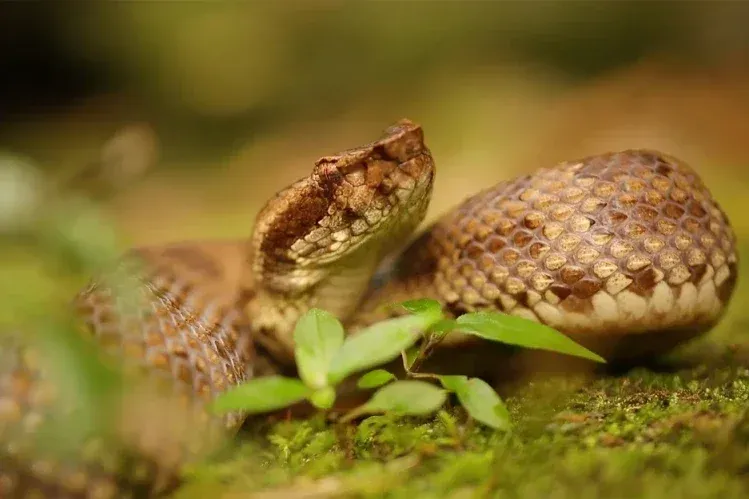
- Habu (Protobothrops flavoviridis): Okinawa's pit viper. Up to two metres long, yellow-green with dark patterning, primarily nocturnal. Active from March through October. Bites are uncommon on maintained trails, but stay on the path, don't reach into grass or rock piles, and avoid night hiking without a guide and a good headtorch. Major hospitals in Okinawa carry antivenom.
For serious wildlife watching, particularly the rail, the woodpecker and the owls, a guided dawn or night walk is worth every yen. Most specialist tours run from 19:00 to 22:00 and use spotlights to locate animals in the habitat.
Self-Guided vs. Guided: How to Explore Okinawa's Jungle
Both approaches work, and the right one depends on what you're after.
Going self-guided is straightforward for Ta-taki Falls, Mount Ishikawa and (when it reopens) Hiji Waterfall. All three have ticketed entry, some English signage, and either road access or public transport. For Jawbone Ridge and Mount Katsuu, you'll need a car, the access roads are narrow and unsigned in English, but the trails themselves are marked well enough for an experienced hike enthusiast with the AllTrails app downloaded offline.
Booking a guide makes the most sense when you want to go deeper: into unmarked river routes, endemic wildlife territory, or parts of the forest that aren't on any public map. It also removes the logistics headache of navigating rural northern Okinawa with limited japanese.
Two Okinawa-based operators are worth knowing about.
Evertrail Tours (evertrailtours.jp) runs small-group and private experiences led by local bilingual guides who genuinely know the north. Their Northern Okinawa Full Day is a standout, a beginner-friendly river trek through dense canopy, 30 to 40 minutes each way, with swim time at the falls and lunch laid out on the rocks beside the water. It's the kind of day that looks effortless but only works because someone spent years working out exactly where to take you. Groups are capped at six people, tours are fully licensed and insured under Okinawa Prefecture regulations, and transport from your accommodation is available for private bookings.
For the truly independent explorer, Evertrail Okinawa (evertrailokinawa.com) offers something different: custom-modified Suzuki Jimny Sierra camping cars with rooftop tents, built-in fridges, solar panels and all the gear you need to sleep at a trailhead. Renting a car like the Jimny means you have a compact enough setup to reach gravel forest roads that a normal rental car won't touch, and the team builds bespoke itineraries around your chosen trails. Airport delivery is available, they'll bring the camper rental to you when you land, and the whole setup is designed for multi-day loops through the north: climb Katsuu in the morning, drive to Jawbone Ridge for sunset, sleep above the forest, repeat.
The ideal combination? A guided waterfall day with Evertrail Tours to learn how the forest works, followed by a Jimny rental for the rest of the week to explore hideaway paths on your own.
Best Time to Visit + Practical Packing Guide
Okinawa's trekking calendar is shaped by three things: rainy season (tsuyu), typhoon season, and the island's warm, mild winters.
Best windows:
- Late October to early December: The forest is at its greenest after typhoon season, the air has cooled down, and the trails are quiet. The sweet spot.
- Late February to early May: Warm enough to swim at Ta-taki, cool enough to push hard on Jawbone Ridge without overheating. Crowds start to build in May.
Avoid if possible:
- July to September: Typhoon risk is real, and the subtropical heat and humidity make any serious climb genuinely exhausting. If you're locked in, start every hike before 7am and finish by 11am.
- Rainy season (mid-May to mid-June): The forest looks extraordinary, but trails become slippery and river routes are frequently closed.
What to pack:
Trail footwear with aggressive tread is non-negotiable. The combination of mud, tree roots and wet limestone punishes smooth soles. Long quick-dry trousers protect against the large but harmless banana spiders strung across trails and, more importantly, bring your lower legs out of habu strike range. A lightweight rain shell should live in your day pack regardless of the forecast.
Bring two litres of water minimum per person per hike. There are no streams safe to drink untreated and no vending machines past the main roads.
For river trekking, water shoes (Tevas or Chacos, not flip-flops) and a dry bag are essential. Cash matters more in Yanbaru than almost anywhere else in Japan, trailhead parking, Ta-taki entry and the Mt Ishikawa Youth Center fee are all cash-only.
Mobile coverage in deep Yanbaru is patchy. Download offline trail maps before you leave Naha, and tell your accommodation or rental operator where you're going each day.
Frequently Asked Questions
Are Okinawa's jungle trails open year-round?
Most are, but closures after heavy rain or storm damage happen regularly. The Hiji Waterfall Trail has been closed since November 2024, with no confirmed reopening date, the Kunigami Village Tourism Association noted in August 2025 that repairs are expected to take several years. Ta-taki Falls closes temporarily after heavy rain. Always check official village tourism pages within 48 hours of your planned hike.
What is the best jungle trail for first-time visitors?
Ta-taki Falls in Ogimi is the strongest entry point, a 2.3 kilometer river-trek round trip with rope-assisted scrambles, a swimmable waterfall pool, and water-shoe rental at the trailhead. If you prefer a dry trail, Mount Katsuu gives you a fast, rugged 40-minute climb and one of the best panoramic views on the island.
Do I need a guide to hike in Yambaru National Park?
No, the main public trails are self-navigable. But a guide unlocks things you simply won't find on your own: unmarked tributary waterfalls, endemic wildlife correctly identified, and access to the kind of river canyoning that isn't listed anywhere publicly. For dawn wildlife walks and night safaris, a local guide is essentially essential.
How do I get to northern Okinawa from Naha?
By car, take the Okinawa Expressway to Kyoda IC, then Route 58 north. Budget about 90 minutes to Nago and two hours to Kunigami. By bus, the Yanbaru Express or routes 111/117 reach Nago in about 90 minutes; local bus connections continue north from there. Without a car, you'll cover one or two trails per day at most.
Are there venomous snakes on the trails?
Yes. The habu pit viper is endemic to Okinawa, active between March and October, and primarily nocturnal. Bites on well-maintained trails are rare, but they happen. Stay on the path, don't reach into rock piles or thick grass, and avoid solo night hiking without a torch and a guide. Major hospitals in Okinawa carry antivenom.
What's the best Okinawa river trekking tour for beginners?
Look for a guided small-group tour that includes wetsuit and equipment rental and runs three to four hours through a shaded forest river. Evertrail Tours' Northern Okinawa Full Day offers exactly this, a beginner-level river trek, swim time at a waterfall, and lunch by the water, with bilingual guides and small group caps.
Can I camp near the trails in Yanbaru?
The Hiji Otaki campground has been closed since November 2024. Working alternatives include Okuma Beach Camping Ground, Yona Campground, and Kunigami Forest Park. For maximum flexibility, the Jimny camping-car rental from Evertrail Okinawa, with a rooftop tent and built-in fridge, lets you sleep at whichever trailhead you've chosen that day without needing a fixed reservation, making it a true paradise for outdoor enthusiasts.
Start Planning Your Jungle Adventure
Okinawa's reputation is built on its coastline, and that reputation is deserved. But the forested north is the other Okinawa, quieter, wilder, a place of tradition and tranquil natural beauty that is genuinely surprising to any traveler who arrives expecting nothing but beach views.
The trails here ask more of you than a morning snorkel: you'll get muddy, you'll wade through cold river water, you'll scramble over rock formations using your hands. In return, you'll see a subtropical mangrove and evergreen ecosystem that UNESCO decided was worth protecting for the world, hear birds that exist nowhere else, and climb to viewpoints where the entire island spreads out below you.
Whether you want to explore the jagged karst peaks of Daisekirinzan at the northernmost point, walk along a picturesque cliff overlooking the coast, or kayak through a quiet mangrove forest or islet ecosystem, the north has it all. Start with a guided river trek if you're new to the forest, Evertrail Tours' full-day northern experience is a brilliant introduction, then grab a Jimny rental and go exploring. The trails won't disappoint.
Always check current trail conditions before heading out. Trail statuses in Yanbaru can change quickly after heavy rain or storm events. For the latest on Hiji Waterfall Trail, check the official Kunigami Village Tourism Association website.
Evertrail Tours · May 24, 2026