A complete travel guide to snorkeling for beginners in Okinawa — covering the best snorkel spots, diving and snorkeling tours, the best season to go snorkeling, mask and snorkel gear, and how to make the most of your time snorkeling on Okinawa's main island and beyond.
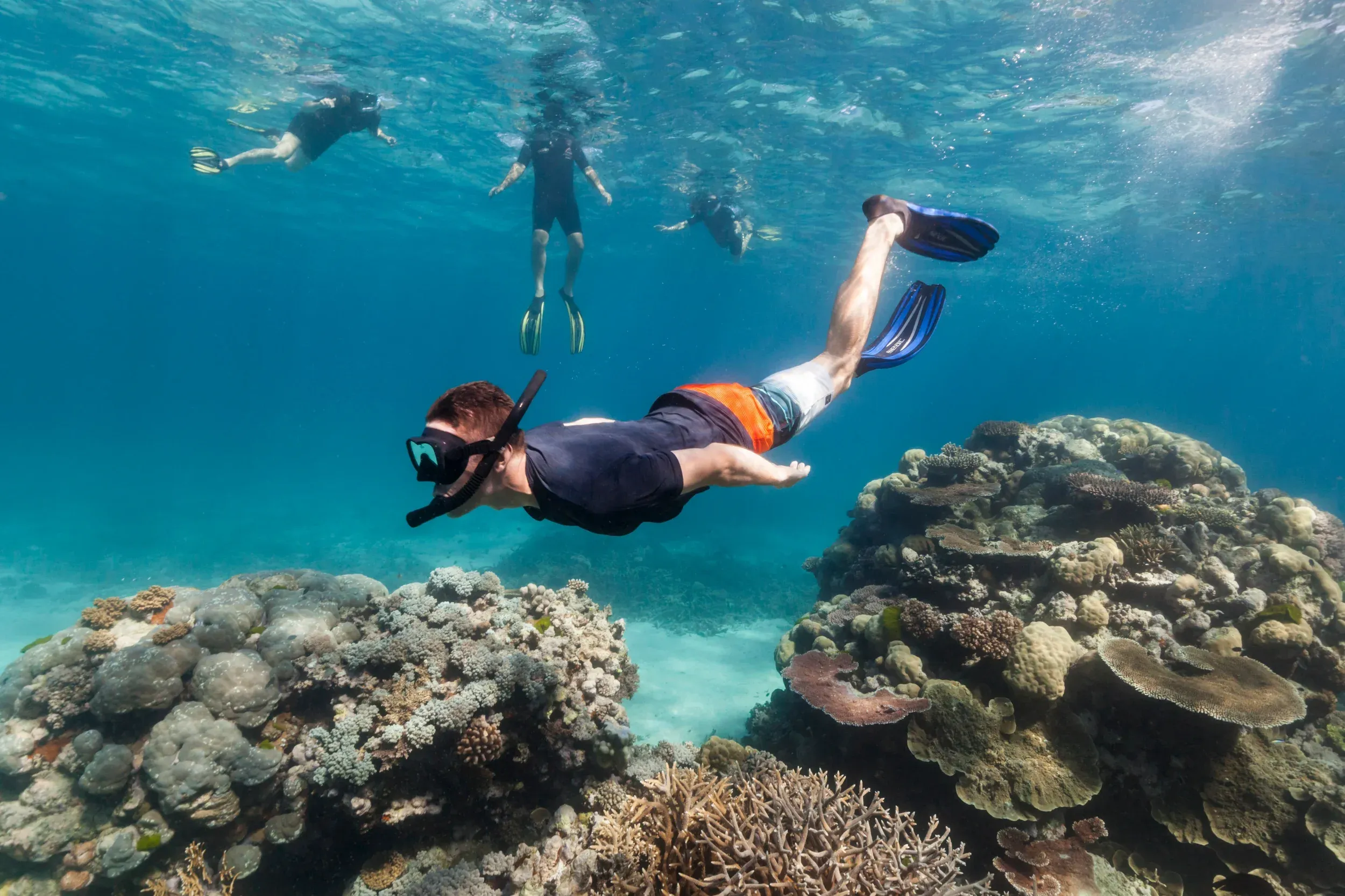
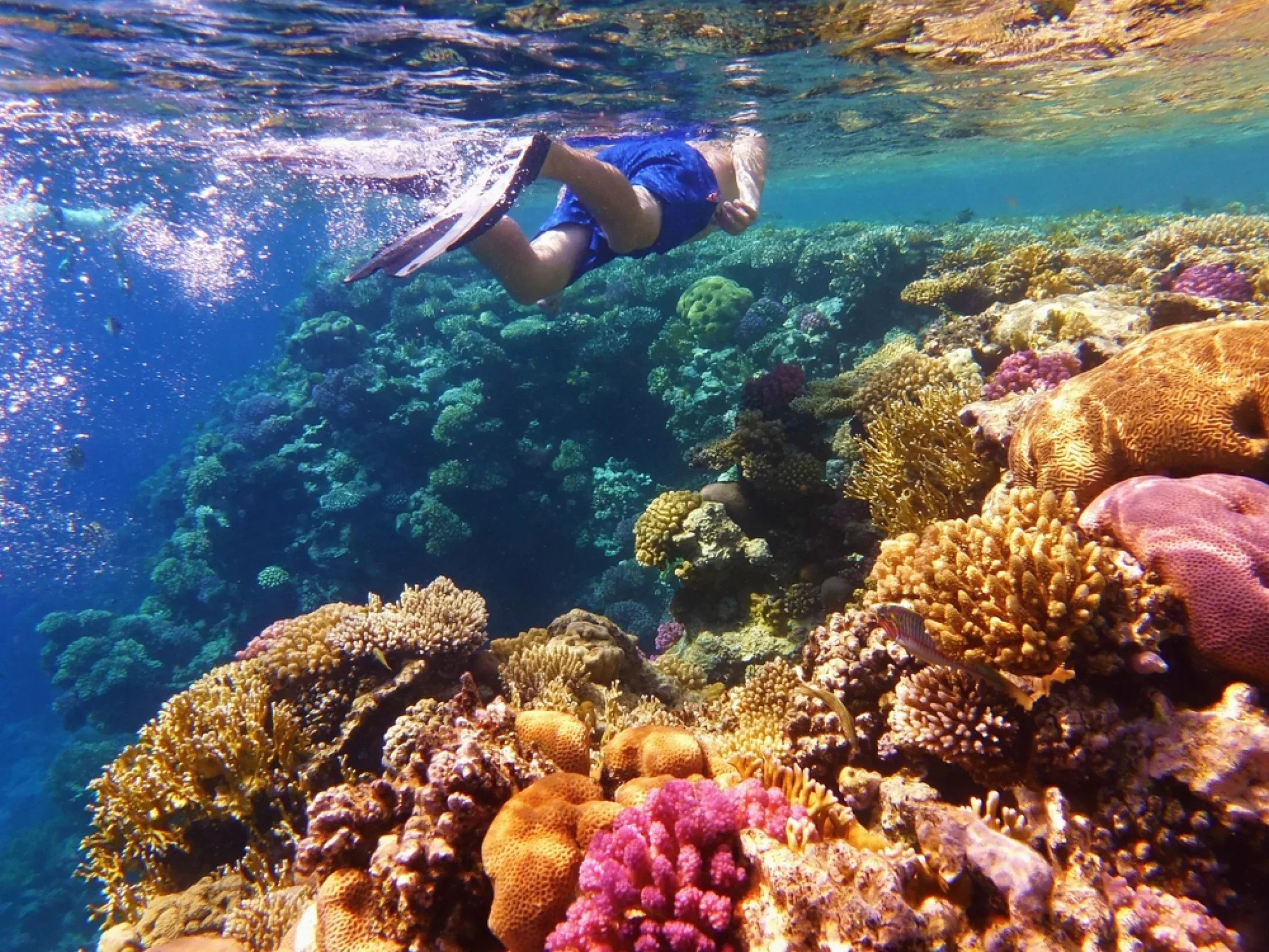
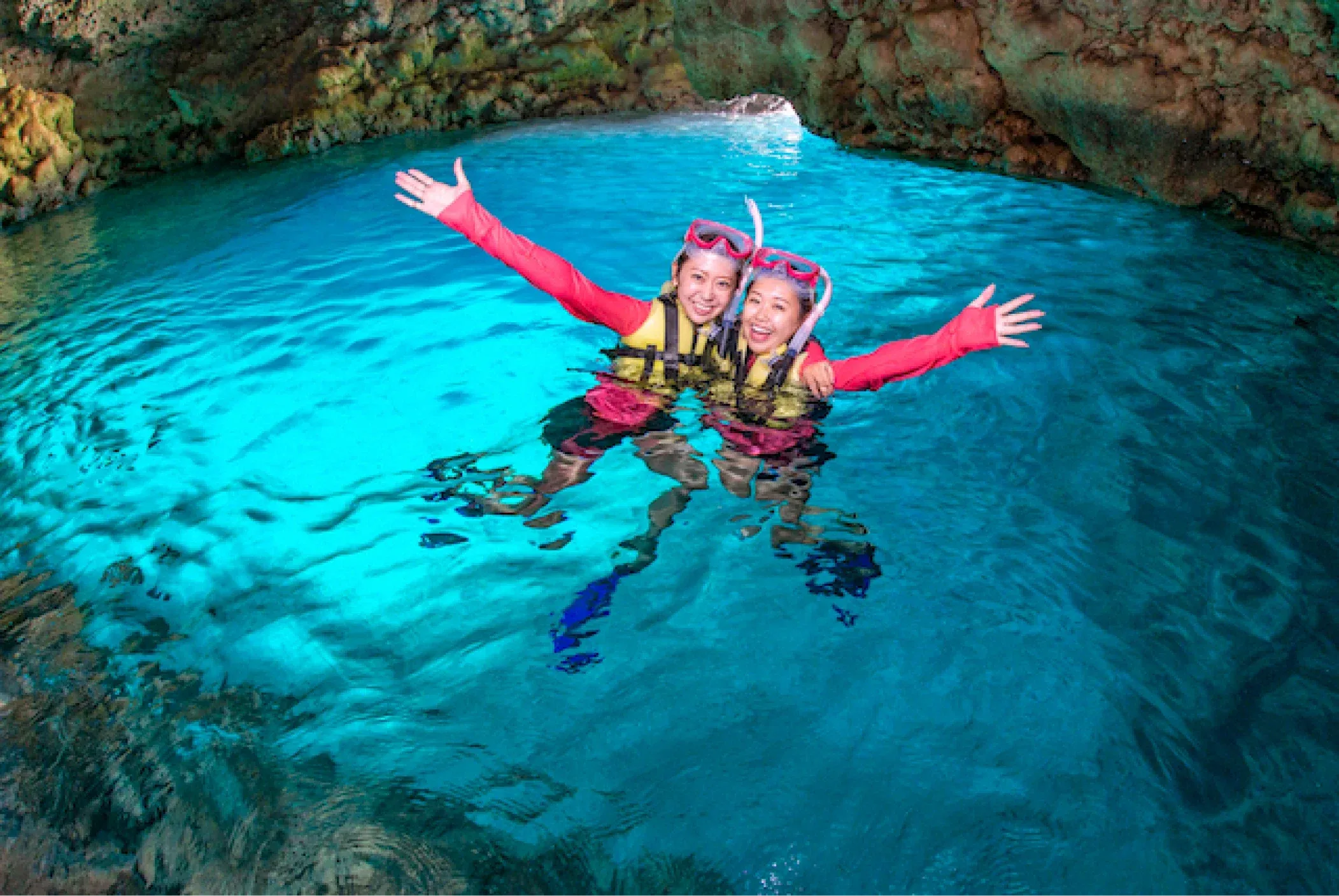
Okinawa is one of the world's great snorkeling destinations — alive with colorful tropical fish darting through coral reefs, sea turtles gliding through crystal-clear water, and the ethereal blue glow of the famous Blue Cave at Cape Maeda, where sunlight streaming into the cave creates an underwater spectacle unlike anything else in Japan. And yes, you absolutely don't need to be a strong swimmer to experience any of it.
Whether you're a nervous first-timer looking for snorkeling for beginners or planning a family trip to Okinawa's main island, the snorkeling tours here are designed with beginners in mind. This Okinawa snorkeling guide covers everything — from what snorkel gear is included in your tour to the best places to go snorkeling around Okinawa — so you can book with confidence.
~2–3 hrs
Typical snorkeling tour length
40–60 min
Time snorkeling in the water
Age 2+
Many tours — beginners can enjoy
Can Anyone Go Snorkeling in Okinawa? (Yes, really)
One of the most common questions from first-timers: Do I need to be able to swim to snorkel in Okinawa? The short answer is no. All reputable tour operators provide life jackets and buoyant snorkel vests, meaning even complete non-swimmers can float comfortably on the surface and observe colorful tropical fish and coral below. Wear a life jacket and you're set — guides also carry floats and kickboards for extra peace of mind.
Beginners can enjoy snorkeling tours across Okinawa's main island with very few prerequisites. Children are welcome from around age 2–4 upward (some operators offer toddlers free entry). Older children aged 6 and above can join virtually any snorkeling tour on the main island. Seniors are also welcome, though those aged 60+ may be asked to provide a doctor's certificate depending on the tour operators — worth checking in advance.
Health note: Pregnant guests are generally not permitted on snorkeling tours for safety reasons. Those on heavy medication or with serious respiratory or cardiac conditions should consult a doctor and confirm with the tour operators before booking.
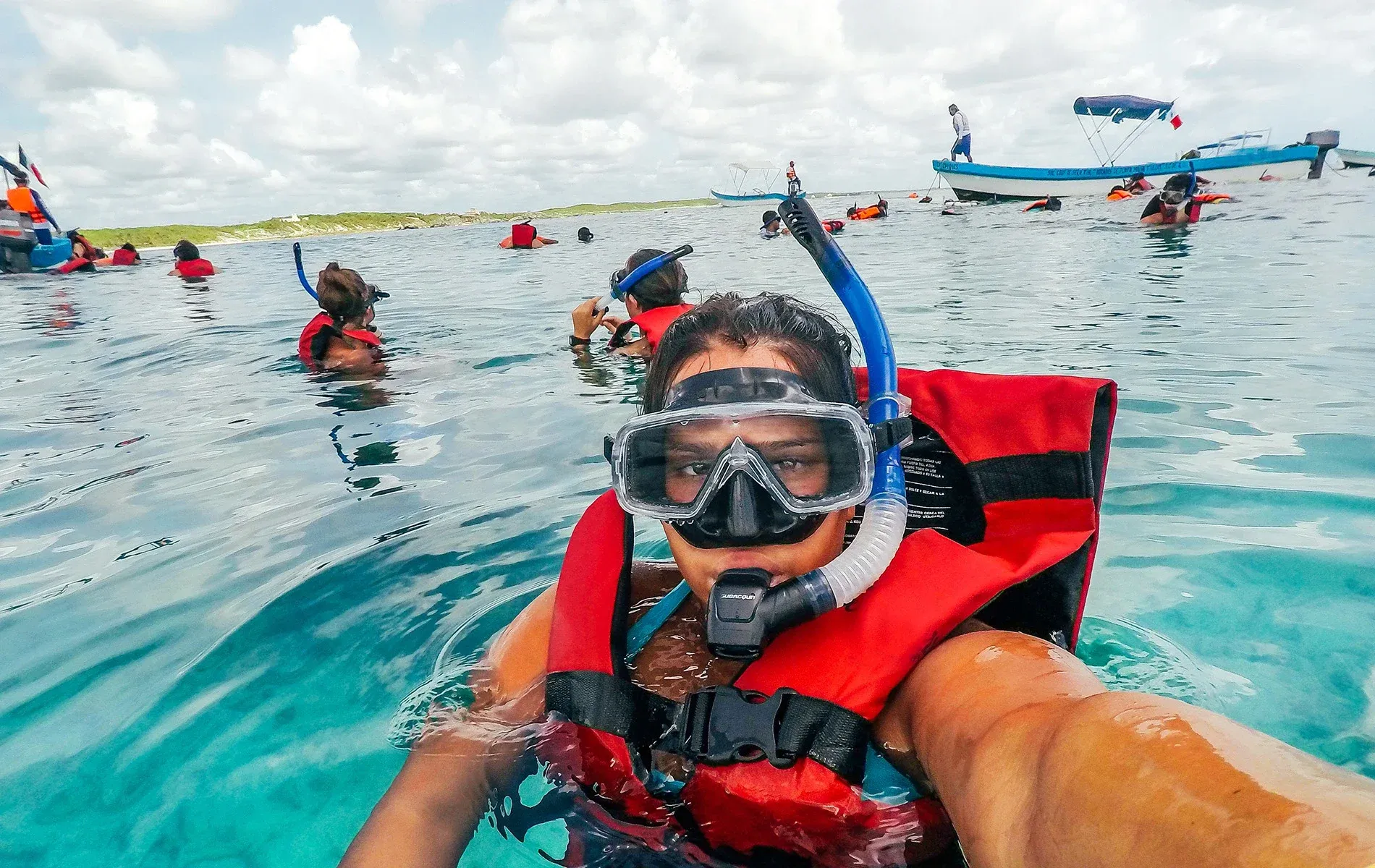
Snorkel Gear: What's Included in Your Tour
Most reputable snorkeling tours around Okinawa supply all the essential snorkeling equipment — you just need to show up in your swimsuit. Here's what's typically included:
What's IncludedStatus
Mask, snorkel & fins
Always included
Life jacket / snorkel vest
Always included
Wetsuit or rash guard
Often included
Instructor guide
Often included
Underwater photo service
Sometimes included
Shower & locker access
Sometimes included
Tip: Always ask the operator to confirm exactly what snorkeling equipment is included versus optional extras. Common add-on fees at many dive shops include boat landing charges (¥1,000–2,000), beach parking (around ¥1,000), shower or locker use, and optional photo services. Ask the tour operators for a complete cost breakdown.
What to bring yourself
- Swimsuit (worn under clothes or quick-dry layers)
- Towel and change of clothes
- Reef-safe sunscreen (non-nano zinc)
- Flip-flops or aqua shoes
- Water and snacks
- Hat and UV-protective rash guard
- Waterproof camera (optional)
- Extra cash for parking or snacks
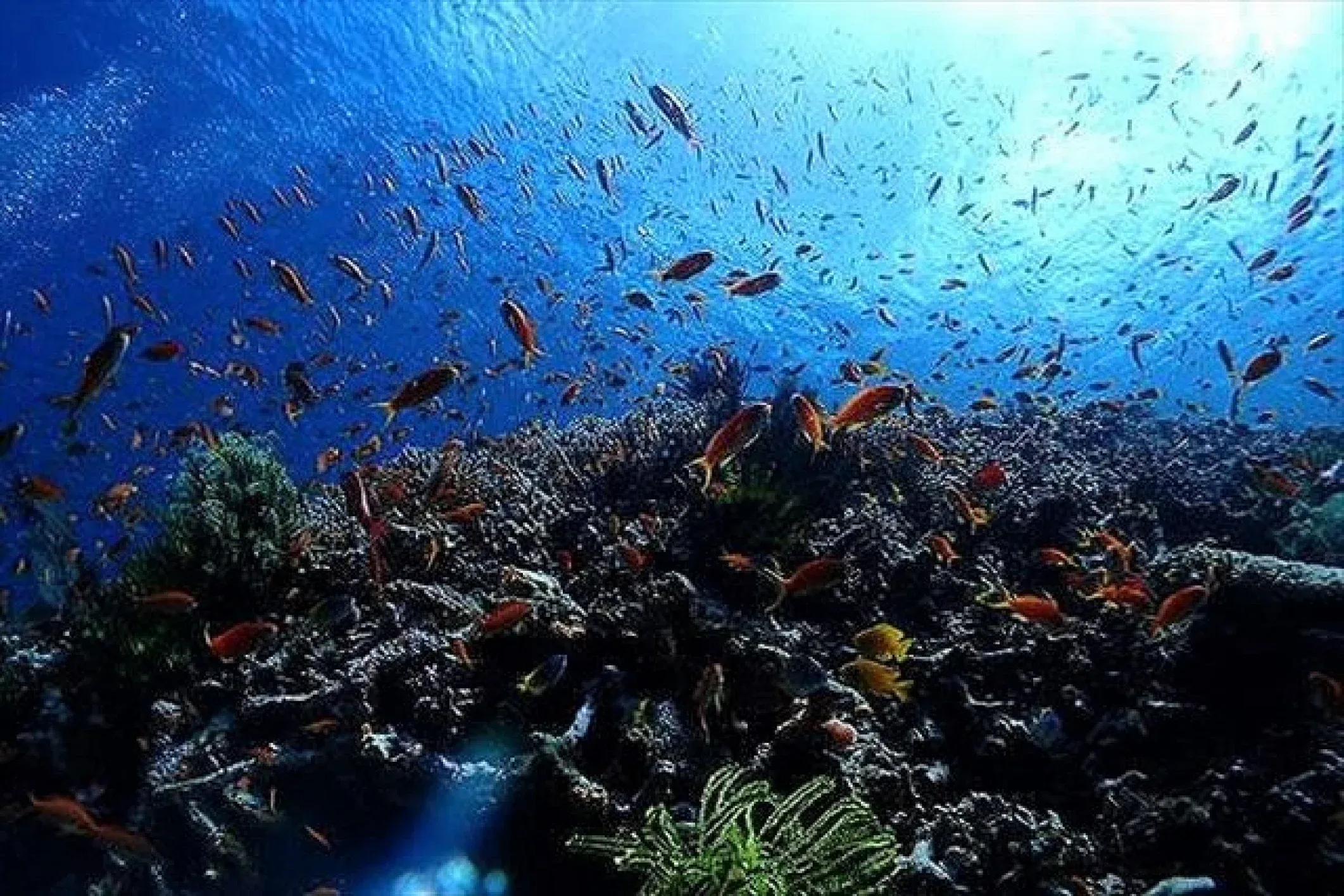
Boat Tour vs Beach Entry: Choosing Your Snorkeling Tour
This is one of the most important decisions when booking a snorkeling tour in Okinawa, and it's worth understanding the difference — especially at popular snorkel spots like Cape Maeda and the Blue Cave, where sea conditions can vary.
Boat Tour Entry
- ~90% chance of running in marginal sea conditions
- No stair climbs in gear
- Usually more expensive
- Extra boat landing fee (¥1,000–2,000)
- Best for lower fitness levels
Beach Entry Tours
- ~60% chance of running in bad weather
- Stairs at Cape Maeda (tiring with gear)
- Generally cheaper
- More flexible access points
- More cancellation risk
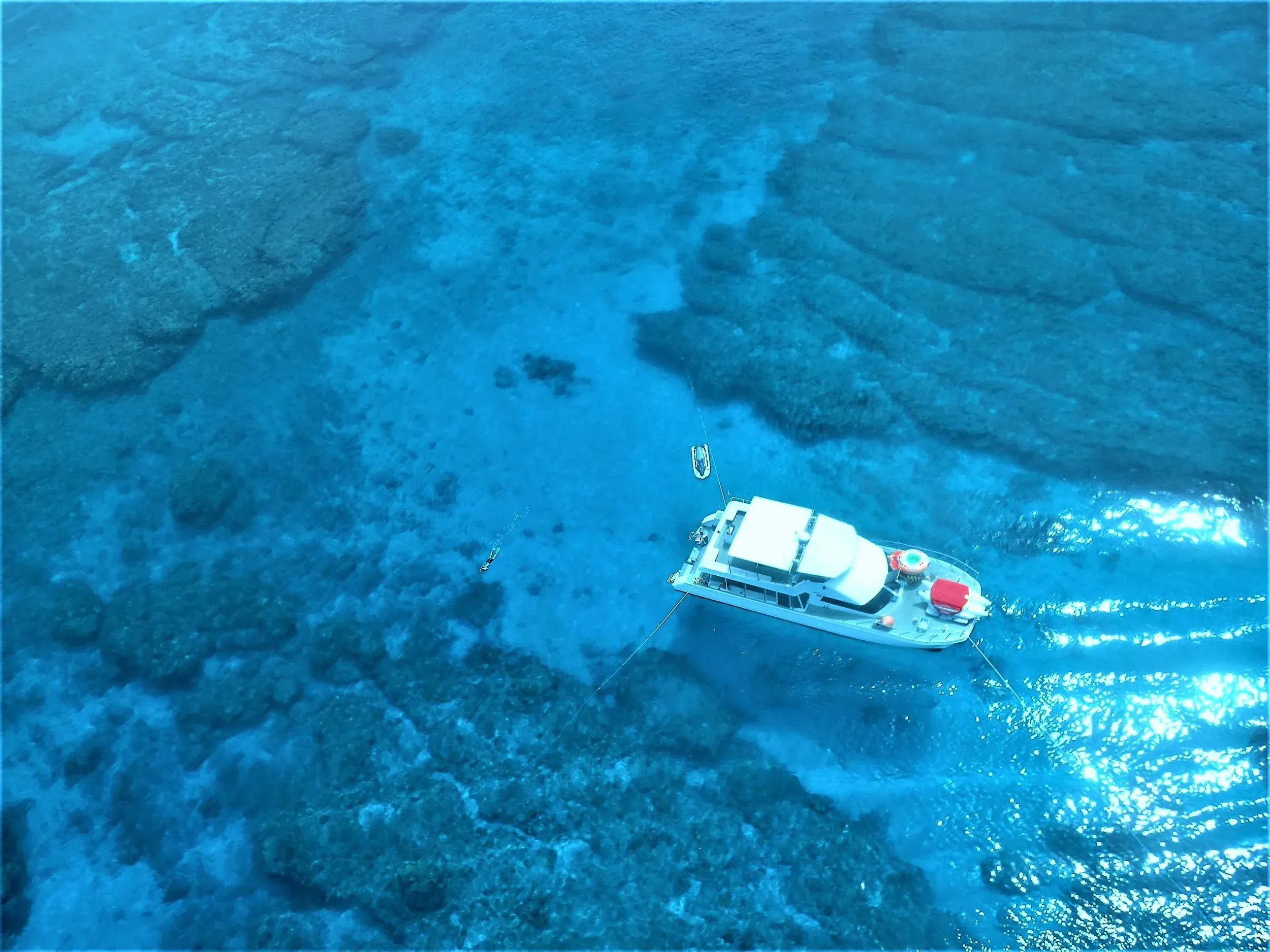
For beginners especially, boat tours offer a more reliable and relaxed snorkeling experience. Many boat tours depart from Naha or nearby ports, making them accessible from central Okinawa. The climb down the steps to the Blue Cave's beach entry at Cape Maeda with fins and a life jacket is surprisingly exhausting — something many reviews warn first-timers about.
Private vs Group Diving and Snorkeling Tours
Private tours offer one-on-one attention and a relaxed pace — ideal for nervous beginners, families, or anyone who wants to move at their own speed. Group snorkeling tours (typically 5–20 people) are more affordable. Small-group options of up to 10 are an excellent middle ground. Larger groups can make safety briefings harder to follow and increase waiting time at popular snorkel spots like Onna Village and Cape Maeda.
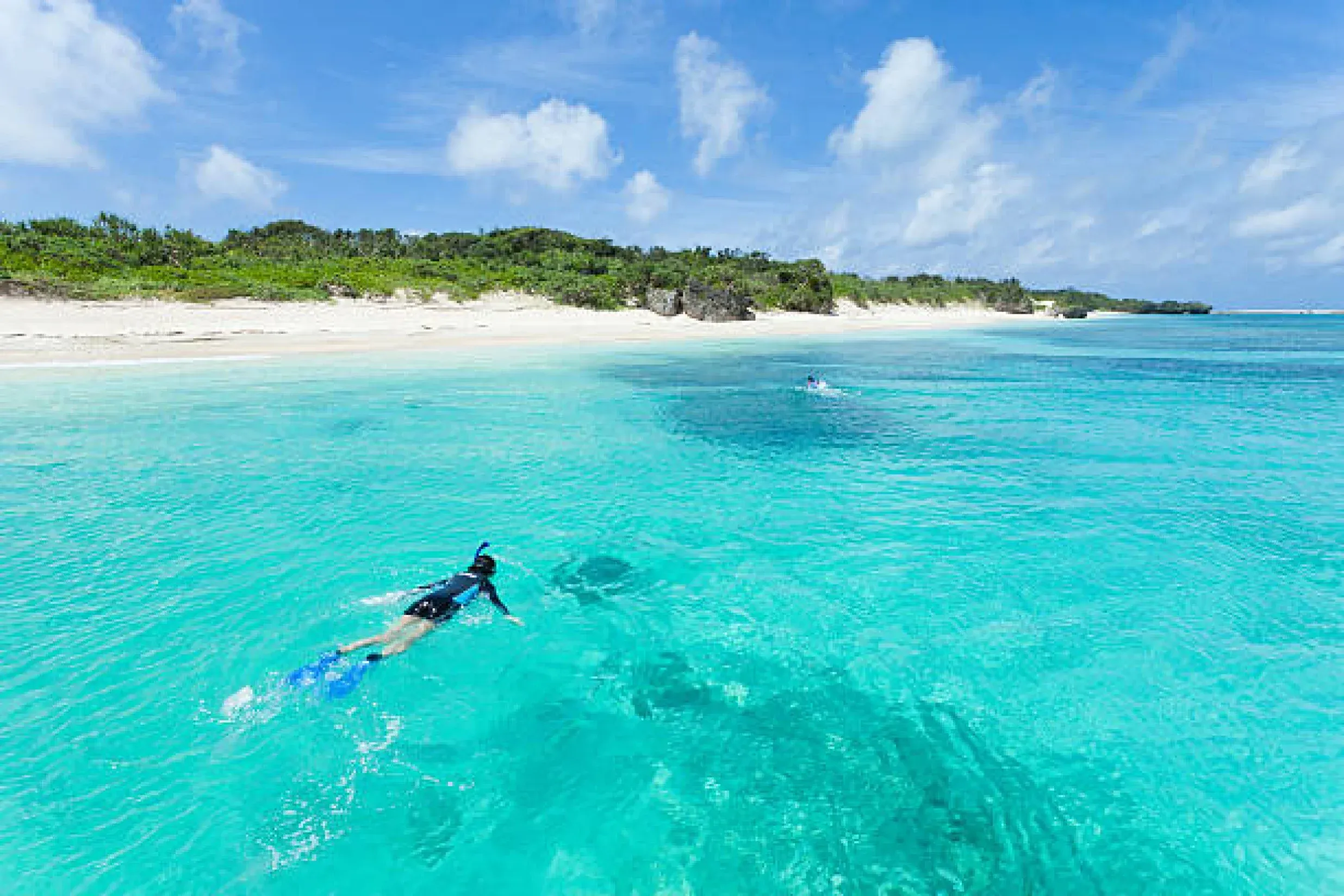
Safety & Sea Conditions: What Underwater Snorkelers Need to Know
Okinawa's waters offer crystal-clear water visibility and are warm and welcoming, but reef and rip currents exist beyond designated swimming zones. Official guidance from the Okinawa Prefecture recommends always snorkeling within marked areas, using the buddy system, and wearing a life jacket at all times. Your tour guide is your best resource — they're trained to read sea conditions and will brief you before entering the water.
Watch out for sea urchins, jellyfish, and the occasional venomous stonefish on the reef — most tour operators recommend wearing fins and reef shoes or staying on sandy bottoms. And importantly: never touch or stand on coral. Okinawa's coral reefs are protected, and they deserve to stay that way. Guided snorkeling tours are especially helpful here, as guides actively point out marine life hazards.
Sun safety: Okinawa's UV index is often very high. Apply reef-safe sunscreen before you arrive (not in the water), take regular shade breaks, and stay hydrated. The sun reflects off the water surface and can cause serious burns faster than you'd expect.
If you ever find yourself caught in a rip current, the rule is simple: swim parallel to the shore, not against the current. Always let your guide know if you feel tired or uncomfortable — that's what they're there for. Water temperature around Okinawa's main island stays warm year-round (roughly 23–30°C), but a wetsuit or rash guard may be needed in cooler months.
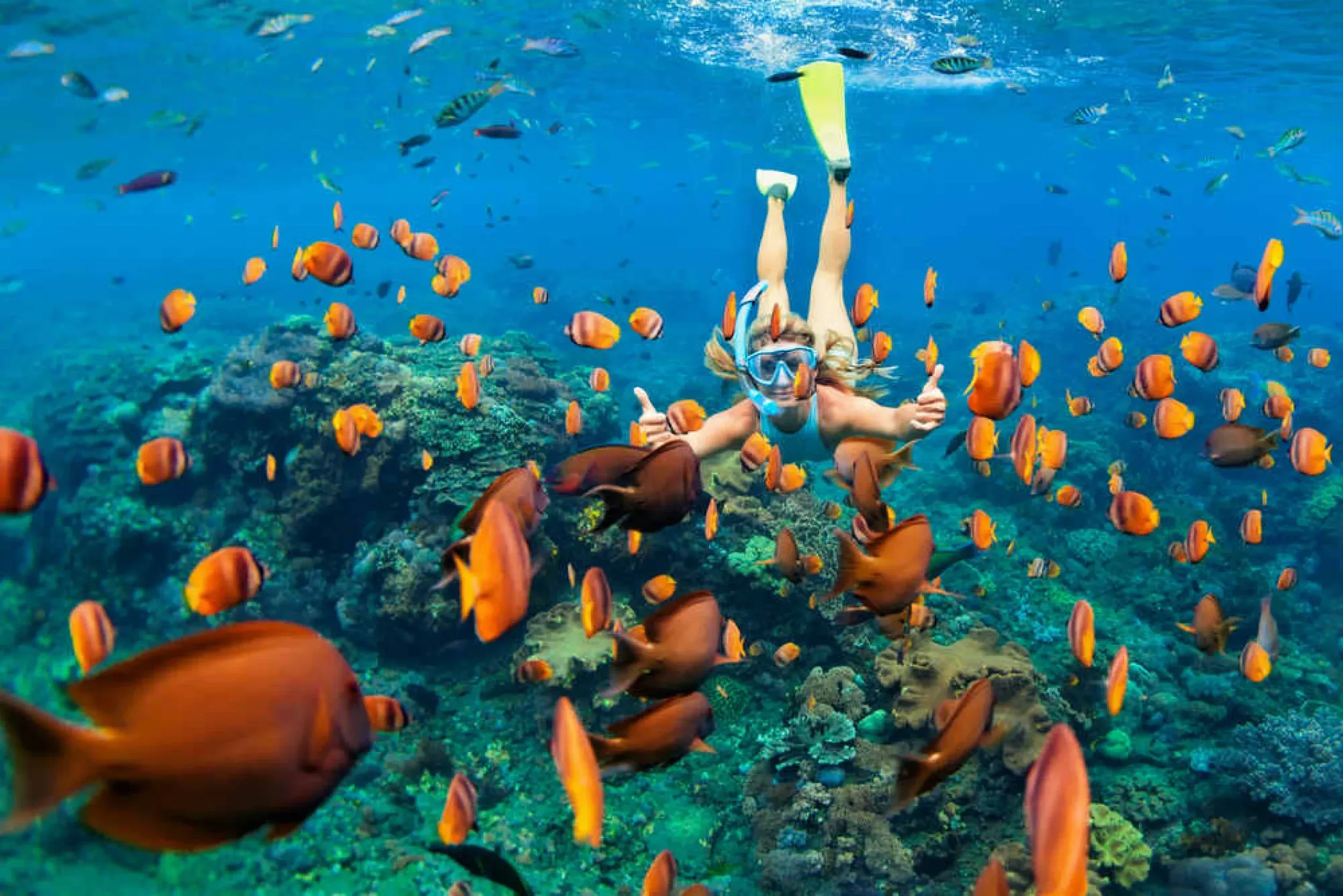
Best Snorkeling in Okinawa: Top Snorkel Spots & Popular Snorkel Locations
Okinawa is one of Japan's premier snorkeling and diving destinations. Here are the best places to go snorkeling around Okinawa, from the Okinawa main island to the outer islands — all suitable for beginners or easy to access with guided snorkeling tours.
Central Okinawa & Onna Village
Blue Cave, Cape Maeda — Onna Village
Beginner-friendly
The Blue Cave is a popular and iconic snorkel spot on Okinawa's main island. Sunlight streaming into the cave creates a mesmerising blue glow underwater. Boat tours depart regularly from Onna Village, and many dive shops offer guided snorkeling tours here suitable for all levels.
Kerama Islands (Zamami & Aka)
Beginner-friendly
The best snorkeling in Okinawa for water clarity. Calm lagoons, coral reefs, and tropical fish abound. A short boat tour from Naha. Water temperature stays warm, visibility is extraordinary, and sea turtle sightings are common.
Northern Okinawa & Minna Island
Minna Island, Northern Okinawa
Beginner-friendly
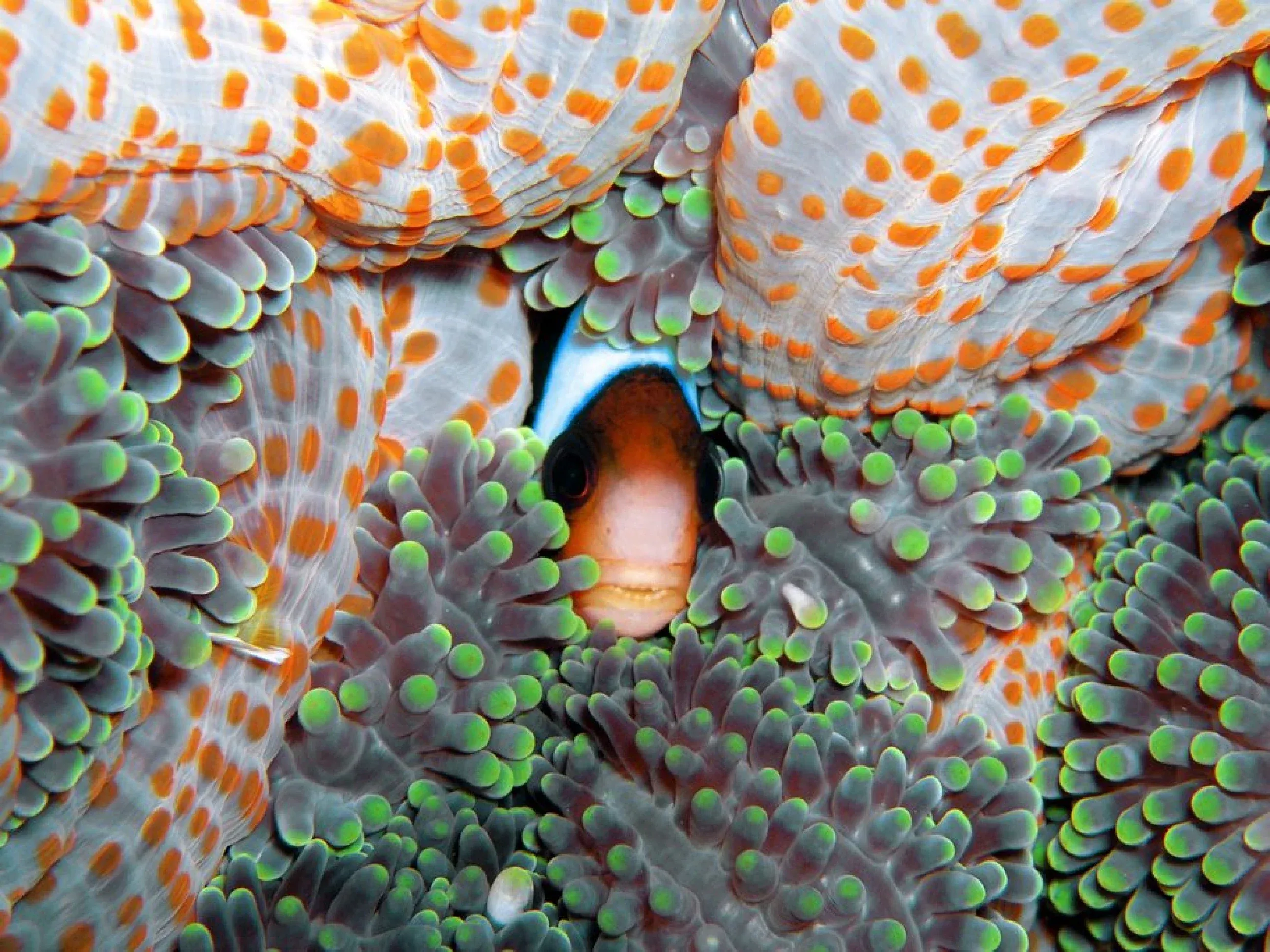
A top snorkeling spot in northern Okinawa, Minna Island offers shallow water coral reefs and colorful tropical fish in a relaxed, crowd-free setting. Many snorkeling tours offer day trips from the main island.
Itoman (Odohama Beach)
Family-friendly
A sheltered beach on Okinawa's main island with shallow water snorkeling and frequent sea turtle sightings. Particularly popular with families. Many dive shops nearby offer snorkeling equipment rental and guided tours.
Outer Islands
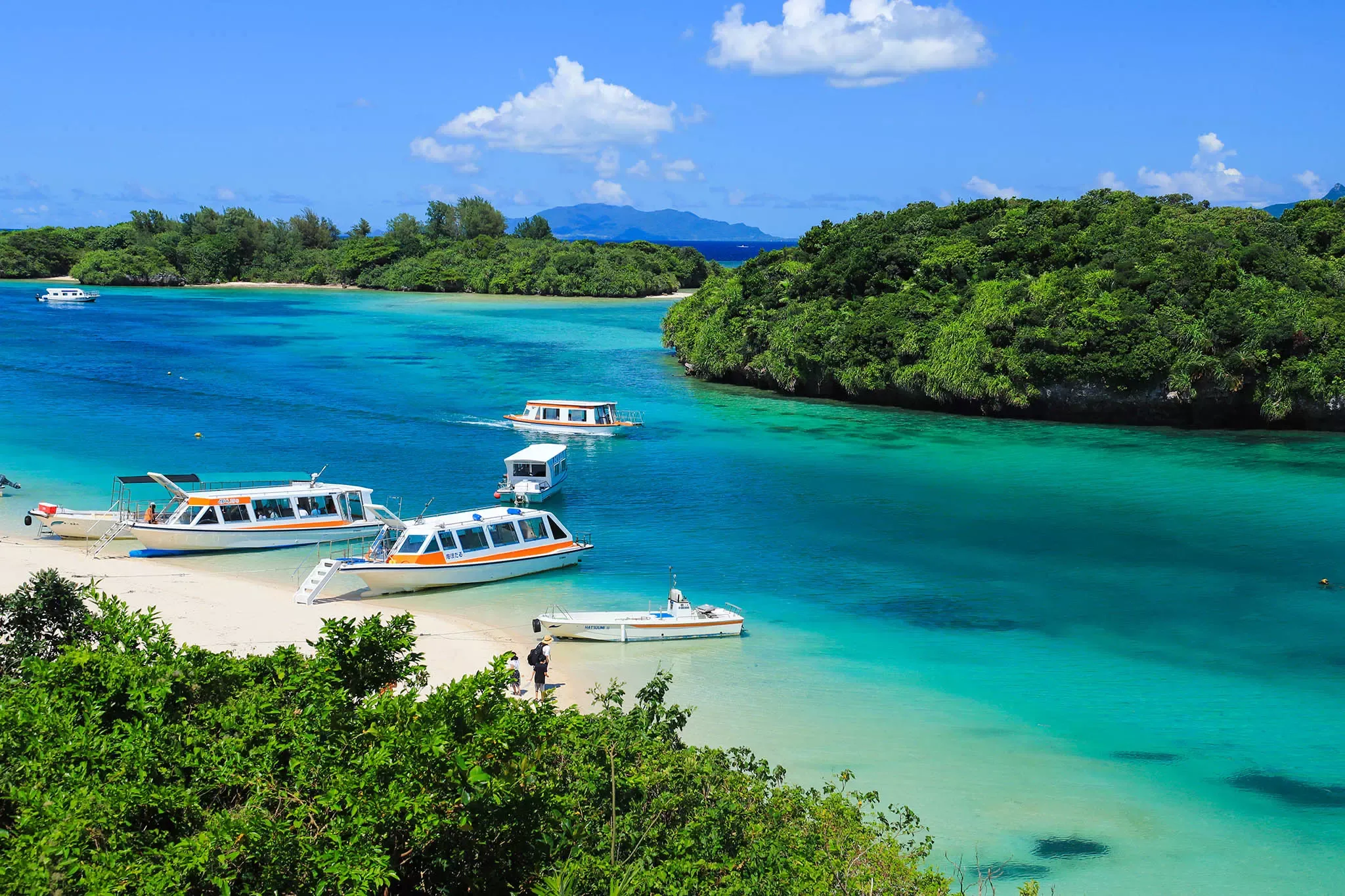
Kabira Bay, Ishigaki Island
Intermediate
One of Japan's most beautiful bays — beach snorkeling is not permitted due to coral reef protection, but guided boat tours offer snorkeling and diving experiences around the reef. Ishigaki Island is a top snorkeling destination for those venturing beyond the main island.
Yabiji Reef, Miyako / Hatenohama, Kume
Best for experienced beginners
Jaw-dropping snorkeling and diving locations best suited once you have a snorkeling trip or two under your belt. Many dive shops on both islands offer snorkeling tours. Stunning coral and marine life await.
Best Season to Go Snorkeling in Okinawa
Okinawa's snorkeling season runs year-round, but the best season to go snorkeling depends on what you're after. The sweet spots are April–May and September–October: warm water temperature, calmer sea conditions, smaller crowds, and lower prices than peak season. A wetsuit may be needed outside the summer months, but most tour operators provide these as part of snorkeling equipment.
Summer (July–August) is peak season — the warmest water temperature, the most vivid marine life, and the best visibility, but also typhoon season and the busiest snorkeling sites. Book well in advance for July and August, and always confirm the tour operators' cancellation policy. If your snorkeling tour is canceled due to sea conditions, most operators offer a full refund or shift you to alternate snorkel spots.
Booking Your Snorkeling Tour: Travel Tips
When booking a snorkeling or diving tour in Okinawa, always verify the tour operators' cancellation policy, check whether the snorkeling experience includes all snorkeling equipment, and confirm the swimming skills requirements in advance. Choose small-group guided snorkeling tours where possible for more personal attention — many snorkeling locations can get crowded at peak season, particularly the Blue Cave and Onna Village sites.
Reputable tour operators will be transparent about sea conditions on the day, provide all necessary snorkel gear, and carry appropriate insurance. If you have any doubts about swimming skills or fitness, opt for a private guided snorkeling tour with a certified dive shop — they're designed specifically so beginners can enjoy the snorkeling experience safely.
Frequently Asked Questions
Do I need swimming skills to snorkel in Okinawa?
No. Life jackets and snorkel vests are provided by all reputable tour operators. Wear a life jacket and even complete beginners can float comfortably on the surface and observe colorful tropical fish and coral reefs below. Many guided snorkeling tours are specifically designed so beginners can enjoy the experience.
What's the minimum age for snorkeling tours in Okinawa?
Many snorkeling tours on Okinawa's main island welcome children from age 2–3 (often free for toddlers). Others set a minimum of 5–6 years old. Always check the specific tour operators' policy before booking.
What happens if sea conditions or weather turn bad?
Tour operators won't run snorkeling tours in dangerous sea conditions such as typhoon warnings or rough seas. You'll typically receive a full refund or rescheduling. If only one spot (like the Blue Cave) is affected, many snorkeling tours automatically offer alternative snorkel spots instead. For safety reasons, always confirm by noon on tour day if weather is questionable.
Are there hidden costs on snorkeling tours?
Yes. Watch for boat tour landing fees (¥1,000–2,000), beach parking (around ¥1,000), shower or locker use, and optional underwater photo services. Ask tour operators for a complete cost breakdown before you arrive.
Is it safe to snorkel in Okinawa if I'm elderly or have a health condition?
Seniors can usually join snorkeling tours, but those aged 60+ may need a medical certificate depending on the operator. Pregnant guests are generally not permitted for safety reasons. When in doubt, contact the tour operators directly and consult your doctor.
What is the best season for snorkeling in Okinawa?
April–May and September–October offer the best combination of warm water temperature, good sea conditions, and fewer crowds. Peak season (July–August) has the warmest water and best visibility but coincides with typhoon season and high demand — book snorkeling tours well in advance.
Where are the best snorkeling spots on Okinawa's main island?
The Blue Cave at Cape Maeda in Onna Village is the most popular snorkel spot, famous for its sunlight streaming into the cave and brilliant blue glow. Other top snorkeling locations on Okinawa's main island include Itoman's Odohama Beach (sea turtles, shallow water), and Minna Island in northern Okinawa. The Kerama Islands are the best snorkeling in Okinawa for crystal-clear water and coral reefs.
With the right diving tour or guided snorkeling experience — and a little preparation — snorkeling in Okinawa is one of those travel moments you'll be talking about for years. The ocean is ready. You just need to look down.
Evertrail Tours · April 10, 2026