Planning a trip to Okinawa Japan and wondering when to go? This travel guide covers the best Okinawan festival events of 2026 — from Eisa dance gatherings and ancient hari boat races to the famous Naha tug-of-war and cherry blossom season. Whether you're a first-timer or a repeat visitor, Okinawa's festival calendar gives you a genuine reason to book specific dates rather than just turning up and hoping for the best. Read on for cultural context, practical logistics, and honest advice on which events are actually worth planning around.
What Makes Okinawa's Festival Calendar Different from Other Japanese Festivals?
Okinawa isn't quite like the rest of Japan. For centuries it was the independent Ryukyu Kingdom, with its own performing arts, its own spiritual traditions, and its own deep relationship with the sea. While Japanese festivals across the mainland lean heavily on shrine processions and fireworks, Okinawa's event calendar reflects something older and distinctly Ryukyuan: maritime prayer rituals, ancestral spirit dances, and communal tug-of-war traditions rooted in harvest prayers that predate modern Japan by centuries.
That history is what makes visiting Okinawa during a major festival genuinely different from any other destination in the country. You're not watching a recreation, you're watching a living culture do what it's always done, in public, with real community investment. Across Okinawa, from the main island to remote outer islands like Taketomi and Ishigaki, this festival energy runs year-round. Knowing when to show up is half the battle.
.webp)
When Does Cherry Blossom Season Happen in Okinawa?
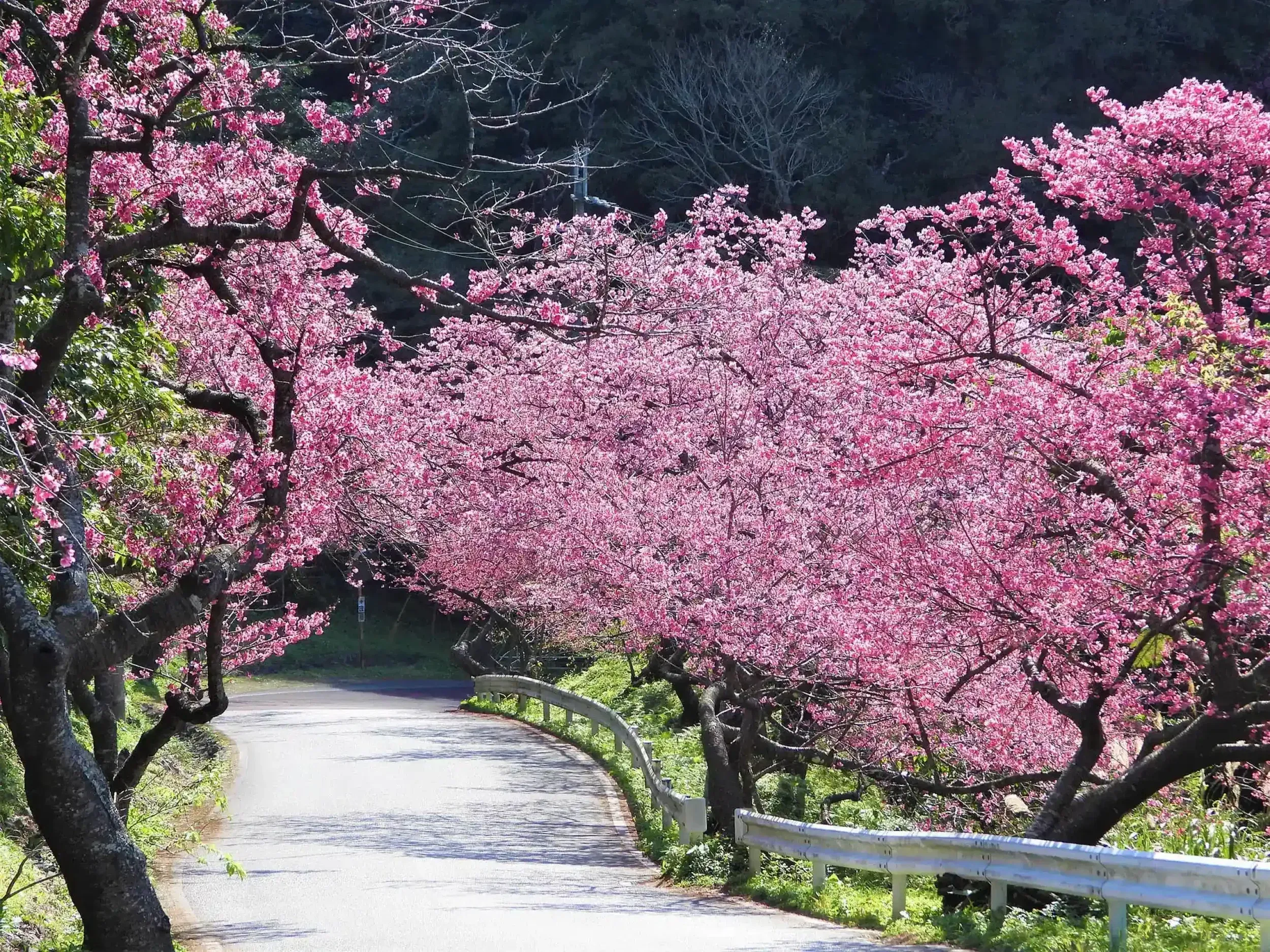
Okinawa's cherry blossom season arrives earlier than anywhere else in Japan — typically late January to mid-February — which surprises most first-time visitors. The sakura here is the Kanhizakura variety: a deeper pink than the pale Yoshino cherry found on the mainland, and far more dramatic against a winter sky. Nago City in the north hosts one of the island's largest sakura festivals, drawing visitors up from Naha City for the hillside views. The Southeast Botanical Gardens also puts on seasonal displays worth factoring into a late-January or early-February itinerary.
This early-season cherry blossom window is one of Okinawa's most underrated festival periods. The island is cooler, uncrowded, and genuinely beautiful. If your idea of Okinawa is beach-first, February might not appeal, but for travellers after cultural experiences and natural beauty without the summer crush, this is one of the best times to visit Okinawa.
What Is the Okinawa Tropical Illumination and When Does It Run?
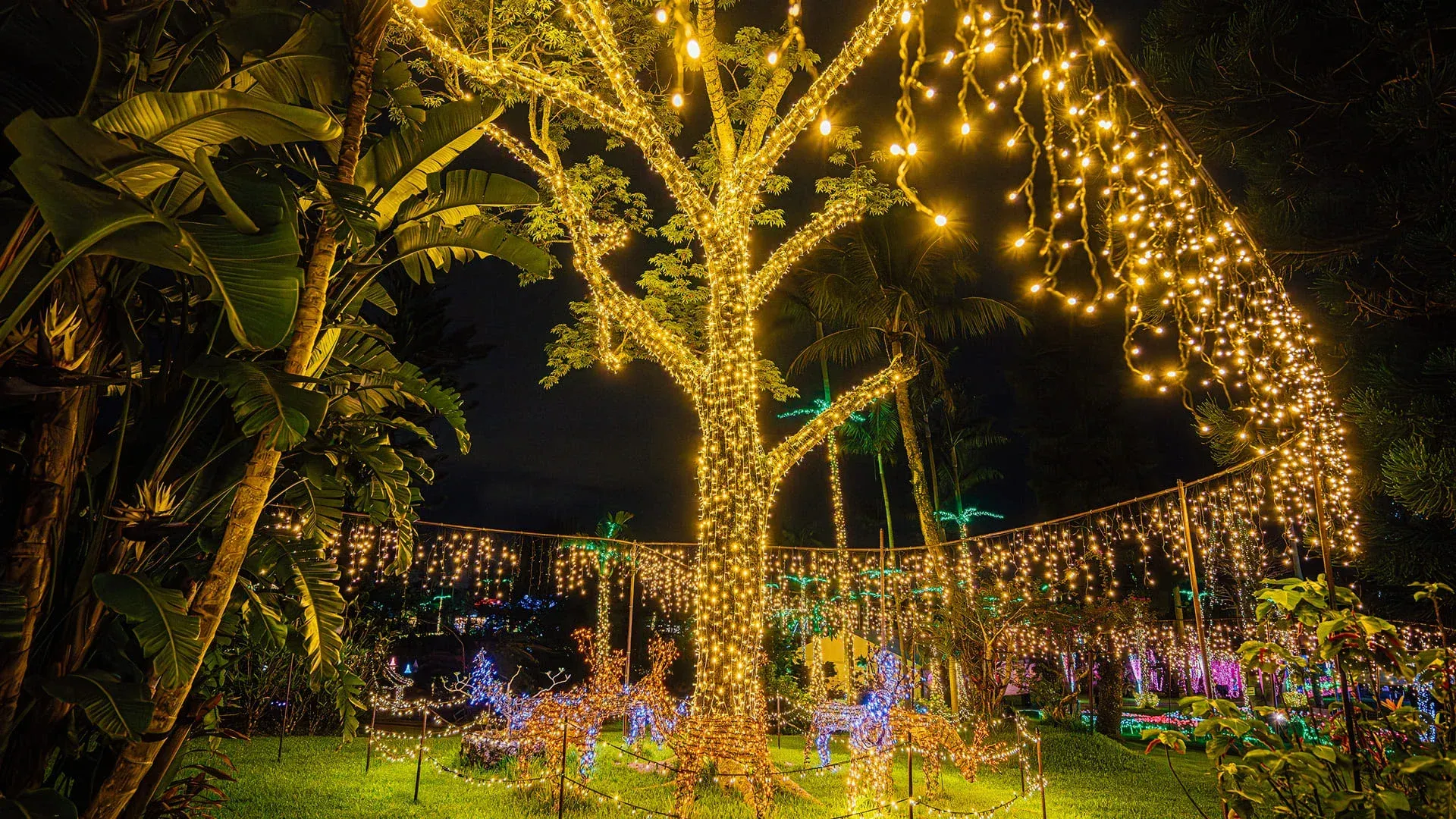
The Okinawa Tropical Illumination at the Southeast Botanical Gardens is one of the island's most popular winter events, typically running from November through to February in the 2025-2026 season. The gardens transform after dark into an elaborate lantern and light display woven through tropical foliage, genuinely striking in a way that the phrase "light festival" doesn't quite capture. It draws locals and visitors alike and works well as an evening activity paired with a daytime cultural itinerary.
Check the Southeast Botanical Gardens official site for the exact 2026 Okinawa run dates, as the programme window shifts slightly each year. Entry fees apply. It's worth combining with a night out in nearby areas rather than making it a standalone trip.
What Are the Hari Boat Races and Why Do They Matter?
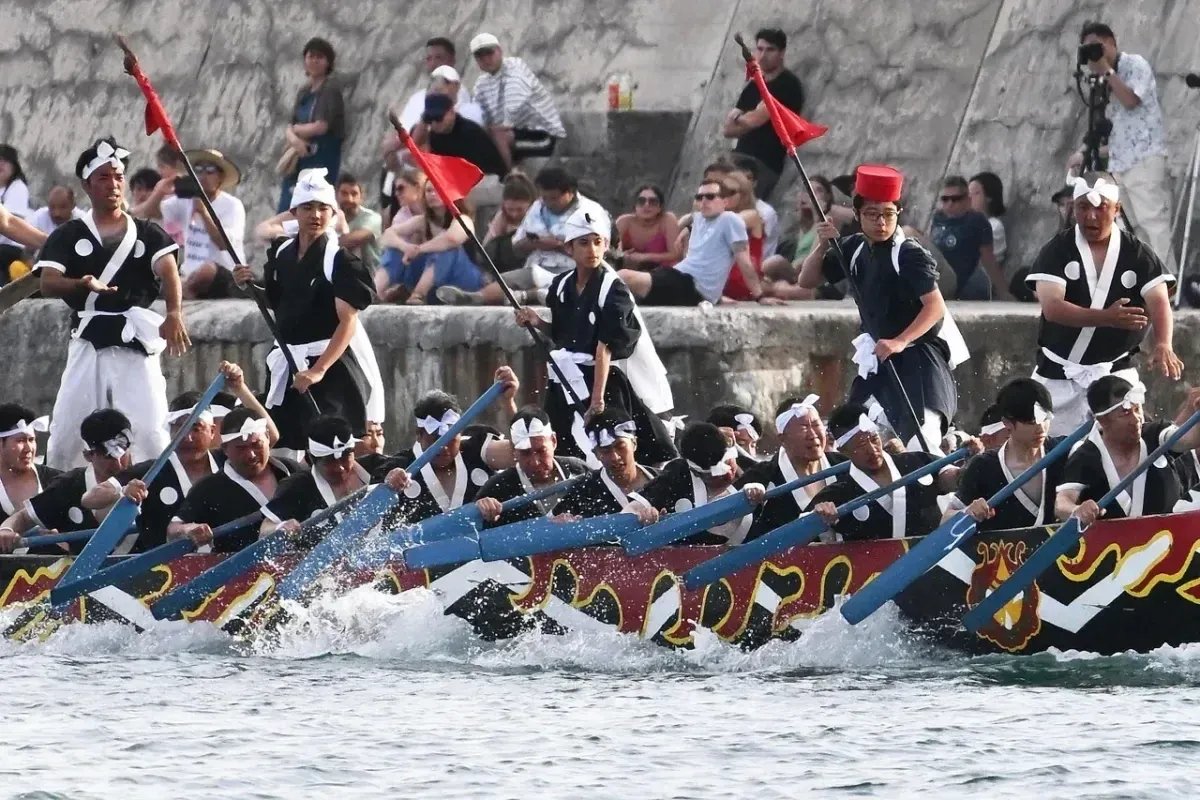
The hari boat races are among the oldest and most visually compelling festival traditions in Okinawa. The name — also spelled "hare" depending on the region — refers to dragon boat racing events rooted in maritime prayer: communities asking the sea for safety and good catches, expressed through competitive rowing that dates back around 600 years, introduced originally from China.
The most accessible version for visitors is Naha Hari, held at Naha Shinko Pier during Golden Week in early May. With attendance above 180,000 over the multi-day programme, it's one of the largest festival events on the Okinawa calendar. Boat races run across competition days for junior high teams through to the ceremonial final between senior clubs. Some years include a session where visitors can board a boat — check the programme in advance if that's something you want to experience.
Itoman also holds its own Hare festival in late May or June, with a more local atmosphere and the added spectacle of a capsize race. Naha Hari suits first-timers; Itoman suits repeat visitors who want fewer crowds and more authenticity.
What Is the Okinawa Zento Eisa Matsuri and Is It Worth the Trip?
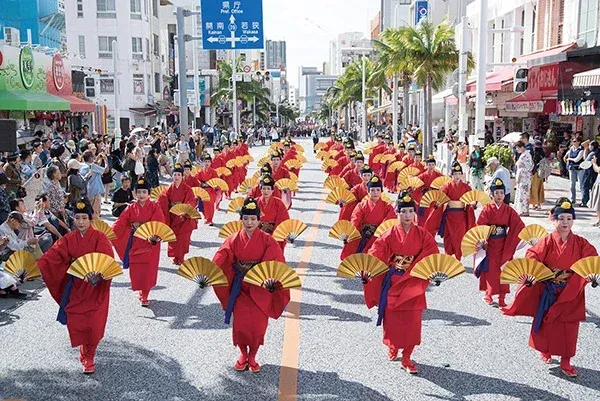
The Okinawa Zento Eisa Matsuri — held in late August or early September in Okinawa City — is the island's largest Eisa festival and one of the genuinely unmissable events on the 2026 Okinawa calendar. Eisa dance is Okinawa's signature performing art, tied to Obon: the Buddhist period when ancestral spirits return and communities farewell them through music and movement. Troupes perform with taiko drums, the small paaranku hand drum, and the sanshin lute — the three-stringed instrument whose sound is as immediately identifiable as anything in Okinawan culture.
At the Zento Eisa, groups from across the island converge in Okinawa City over several days, with attendance regularly exceeding 300,000. A city parade day, a large-scale stadium performance near the convention center, and the Goya crossroads street viewing all form part of the programme. Watching multiple troupes perform back-to-back is the fastest way to understand how much regional variation exists in Okinawan performing arts — some groups are high-energy and percussive, others quieter and more meditative, each style carrying its own community history. The sanshin music threading through every performance — that warm, resonant three-stringed lute sound — stays with you long after the event ends.
Getting there: Okinawa City is about 45 minutes by bus from Naha, and the Zento Eisa organisers publish a shuttle bus from Naha and local shuttle route details each year. Use them, parking near the venue is a genuine problem on peak days.
.webp)
What Happens at the Naha Great Tug-of-War Festival?
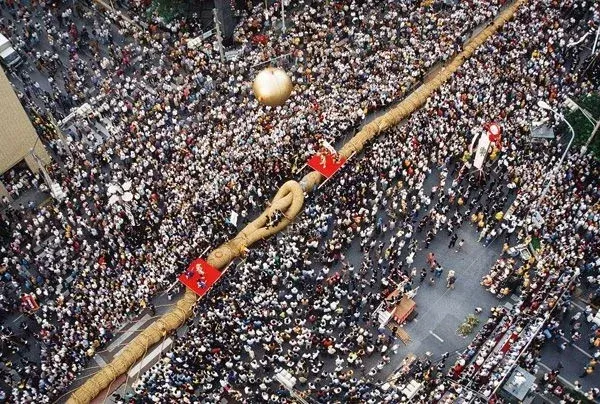
The Naha Great Tug-of-War Festival is one of those events that sounds entertaining in a description and becomes unforgettable in person. Every October, a 200-meter rope weighing approximately 43 tons is assembled along Kokusai-dori and the Route 58 intersection at Kumoji, and the east and west sides of Naha City compete in a ceremonial pull. The rope is so large that thousands of smaller ropes are attached to it so that around 15,000 people can join simultaneously — and you are invited to be one of them.
The Naha tug-of-war tradition dates to around 1450 and was revived as a modern annual event in the early 1970s. It carries Guinness World Records recognition for the scale of the rope, but more important than the record is what it represents: a collective harvest prayer and community ritual, held annually, that the city of Naha treats as a genuine civic occasion rather than a tourist attraction. The festival opens with a vibrant flag parade through the Makishi and central Naha area — worth arriving early for — and closes with the crowd taking rope pieces home as good luck charms.
For planning: the Naha tug-of-war typically falls on a Sunday in mid-October. The area around Kokusai-dori closes to traffic for most of the day. Use the Yui Rail monorail, arrive early, and book accommodation 2–3 months ahead.
What Is the Shurijo Castle Restoration Festival 2026?
Shuri Castle, a UNESCO world heritage site and the symbolic heart of the Ryukyu Kingdom, has been undergoing reconstruction since its main hall, the Seiden, burned down in 2019. The annual November festival held in and around castle park has been named the Shurijo Castle Restoration Festival during this period, acknowledging the building's recovery rather than pretending nothing happened. The 2026 festival edition is particularly significant, as the Seiden reconstruction is expected to reach completion around this time.
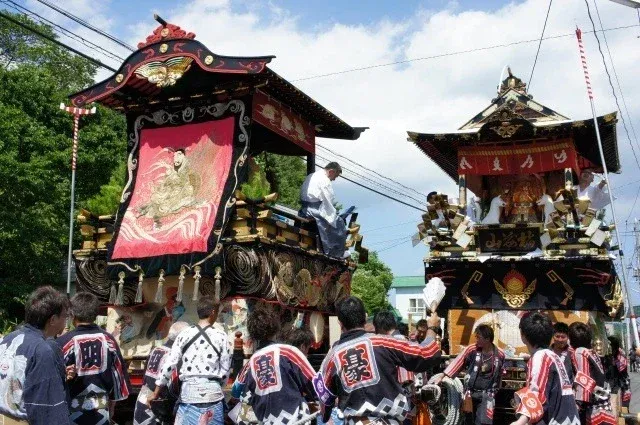
The centrepiece of the festival is the Ryukyu Dynasty procession: participants dressed as the king, queen, court officials, and envoys of the old Ryukyu Kingdom move through central Naha in a living historical tableau. Ryukyuan music and dance fill the castle park programme, and nighttime illumination of the grounds adds atmosphere in some years. The event sits around Culture Day, November 3, and runs across a long weekend that also coincides with the Tsuboya Yachimun Street Festival — making early November one of the strongest cultural weekends in the Okinawa calendar.
Shuri Castle is reachable by Yui Rail to Shuri Station, then a 15-minute uphill walk, no car required. Confirm exact festival 2026 dates through the official Shurijo Castle Park site as restoration progress may affect the programme.
Are There Good Festivals Outside Naha, in Ishigaki, Nago, or Koza?
Okinawa prefecture is far larger than most visitors realise. Beyond Naha City, the outer islands and northern communities offer their own distinct festival calendars worth exploring — especially for travellers who've already done the main island circuit.
In Ishigaki and the Yaeyama islands, the Tanadui Festival on Taketomi Island is a two-day showcase of traditional performing arts with a history of around 600 years, held each November. Getting there involves a flight from Naha to Ishigaki, then a short ferry to Taketomi — accommodation is very limited, so plan ahead. On Taketomi, you'll find dancers performing in styles preserved across centuries, with no commercial layer between you and the tradition.
In Nago, the Nago Cherry Blossom Festival draws visitors north in late January or early February for hillside sakura views and food stalls serving Okinawan specialties, including soba. In Koza, Okinawa City, the calendar extends beyond Zento Eisa to include craft fairs, live music, and an annual exhibition of traditional Ryukyuan crafts, the prefectural arts scene here is rich and under-visited. Cold Orion beer at a Koza music bar afterwards is a local rite of passage.
Motobu, near Churaumi Aquarium in northern Okinawa, hosts seasonal events tied to the natural beauty of the coastline, including access to the Maehama Beach area for summer community events. And for those willing to make the crossing to Ie Island, Ie Village, tulip festivals in spring and small community gatherings offer a genuinely off-the-beaten-track contrast to the main island circuit.
How Do You Plan a Festival Trip to Okinawa in 2026?
The core advice for planning any Okinawan festival trip in 2026 is: identify your window first, then book accommodation, then verify dates closer to departure. Most events hold their general month but shift the exact weekend annually — and some tied to the lunar calendar, including Itoman Hare and Obon-linked celebrations like Angama in the Yaeyama islands, can move significantly in the solar calendar year to year.
For the 2026 season, here's a rough planning window: cherry blossom events run late January to mid-February; hari boat races fall in early May, Naha, and late May–June, Itoman; Eisa performances peak in late August–September with Zento Eisa as the anchor; the Naha Great Tug-of-War is held annually in mid-October; and November brings the Shurijo Castle Restoration Festival, the Tsuboya Yachimun Street Festival, and the Tanadui gathering on Taketomi. The Okinawa Tropical Illumination runs across winter at the Southeast Botanical Gardens, typically into February. With a good travel guide and early booking, you can realistically anchor one 10–14 day itinerary around two or three of these events and have a genuinely exceptional trip throughout Okinawa.
One useful orientation point: Visit Okinawa's official tourism site, visit-okinawa.jp, is the most reliable English-language source for current-year dates, transport guidance, and event-specific logistics. Use it as your first stop for any 2026 Okinawa planning, and cross-reference with individual organiser sites for ticketing and shuttle bus details, especially for Zento Eisa and the historical ties events at Shurijo.
.webp)
Key Things to Remember: Okinawa Festival Planning Summary
- Okinawa's event calendar is year-round, cherry blossoms in January–February, boat races in May, Eisa in late summer, tug-of-war in October, heritage and pottery events in November.
- The Okinawa Zento Eisa Matsuri, late August–September, Okinawa City, is the island's biggest Eisa gathering, with over 300,000 attendees. Use official shuttle buses; don't drive.
- Naha Hari, early May, Golden Week, draws 180,000+ spectators, book hotels 2–3 months ahead and check which day offers visitor boat participation.
- The Naha tug-of-war, mid-October, is genuinely participatory, grab a rope, stay on the street, take a piece home.
- The Shurijo Castle Restoration Festival, early November, is especially significant in 2026 as the castle nears full reconstruction. Combine it with the Tsuboya pottery event for a strong cultural weekend in Naha.
- Lunar calendar events, Itoman Hare, Angama, and others, shift in the solar calendar each year, always verify dates closer to your trip.
- The Okinawa Tropical Illumination at Southeast Botanical Gardens runs through the 2025-2026 winter season — a good evening activity in the cooler months.
- Outer island festivals on Taketomi and Ishigaki reward early planning and suit repeat visitors who want something off the standard circuit.
- Sacred rites like Paantu, Miyakojima, are not tourist events, observe respectfully if present, but don't plan flights around them.
- Use visit-okinawa.jp as your primary planning resource for all current-year festival dates and logistics.
If you’re ready to experience Okinawa beyond the guidebooks, come explore it with us on one of our tours and see the island through local eyes.
Evertrail Tours · April 11, 2026