The 7 best things to do in Okinawa on a rainy day:
- Okinawa Churaumi Aquarium (Motobu) : whale sharks, giant manta rays, and the world's second-largest acrylic tank
- DMM Kariyushi Aquarium (Toyosaki) : a fully indoor, ultra-modern aquarium just 20 minutes from Naha Airport
- Okinawa Prefectural Museum & Art Museum (OkiMu) : the full story of Ryukyu history under one climate-controlled roof
- Bingata dyeing workshop at Shuri Ryusen : make a souvenir tote using Okinawa's signature royal dyeing technique
- Heiwa Dori covered arcade and Makishi Public Market : Naha's rain-proof shopping and food corridor
- Ryukyu Onsen Ryujin no Yu on Senagajima : an ocean-view hot spring open to day visitors
- AEON Mall Okinawa Rycom : 220+ stores, a Pokémon Center, and a free atrium aquarium
So it's raining. Maybe a typhoon warning just popped up on your phone, or you woke up to grey skies and a forecast that shows clouds through the weekend. Either way, your beach plans aren't happening, and that's actually okay.
Here's the thing: most travelers who visit Okinawa spend almost all their time outdoors. That means Churaumi Aquarium, the craft workshops in Shuri, the awamori distilleries, the covered market arcades in Naha, they're all quieter and more enjoyable in the rain. The Ryukyu Kingdom built a rich indoor culture around music, textiles, ceramics, and food. A rainy day is your ticket in.
This guide covers every indoor activity worth your time in Okinawa on a rainy day, organized by area, with verified hours, prices, and honest tips from people who've actually visited. Let's get into it.
Understanding Okinawa's Rainy Season vs. Typhoon Season
Before you can plan around the weather, you need to understand which type of "bad weather" you're actually dealing with. In Okinawa, there are two completely different wet seasons , and they call for very different responses.
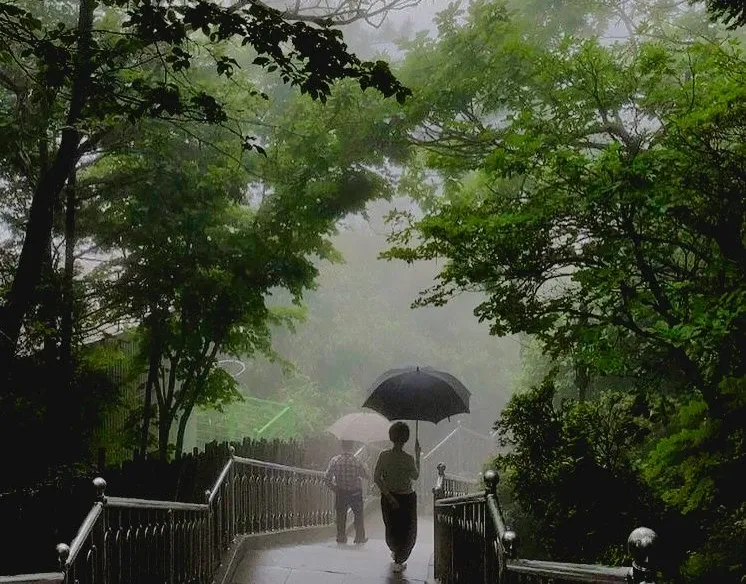
Rainy season (tsuyu) hits Okinawa about a month before mainland Japan, typically beginning around mid-May and wrapping up in late June. The word tsuyu (梅雨) means "plum rain", named after the plum-ripening season it coincides with. Okinawa's tsuyu doesn't mean it rains all day, every day. Expect heavy bursts in the morning, a break in the afternoon, then more showers. It's humid, it's warm, and it can absolutely be worked around with a good umbrella and flexible plans.
Typhoon season is a different matter entirely. Running from roughly July through October (peaking in August–September), a real typhoon is not just a rainy day, it's a safety event. The Japan Meteorological Agency uses a 5-level warning scale. At Level 1–2, you can still move around cautiously. At Level 3 (警報 warning), vulnerable people are told to evacuate and tourists should get back to their hotel. At Level 4 and 5, stay put and follow instructions. While direct hits from major typhoons are relatively rare, Okinawa remains a high-risk zone for tropical storms.
The practical rule: during tsuyu, you pivot your plans indoors. During a typhoon, you stay in your hotel, stock up from the convenience store the night before, and monitor the JMA app. Most attractions close about two hours before public transit suspends service.
Knowing which situation you're in changes everything about how you plan your day. Now, on to the good stuff.
Best Museums and Cultural Sites on a Rainy Day
Okinawa Prefectural Museum & Art Museum (OkiMu) : Omoromachi, Naha
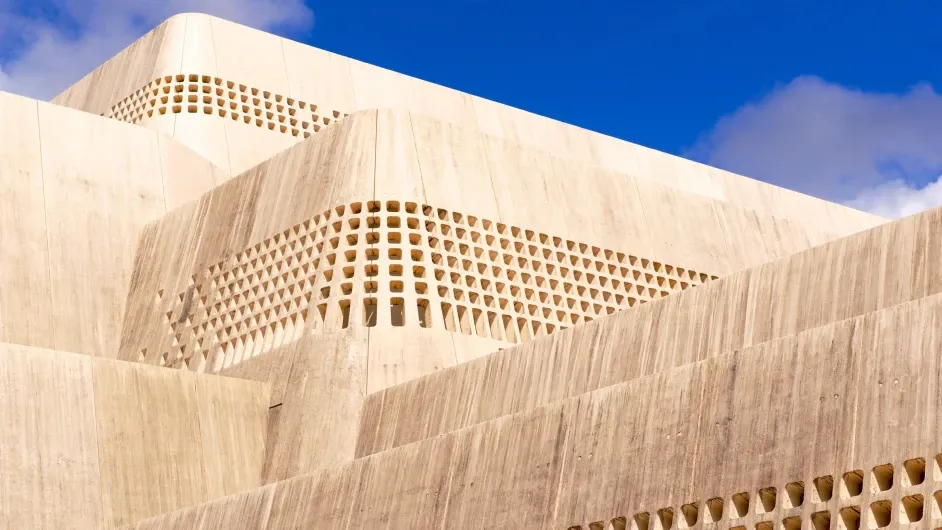
If you only visit one museum in Okinawa, make it this one. OkiMu is a massive, beautifully designed complex, its architecture deliberately echoes Ryukyu gusuku (castle) walls — and it covers everything from the ancient natural history of the Ryukyu Islands through the kingdom's golden age, the US occupation, and modern Okinawan identity.
The permanent exhibits are genuinely absorbing, not just "exhibits for the sake of it." There's a textile room that makes bingata dyeing suddenly make sense, an archaeology section with actual artifacts from before written records, and an Interaction Experience Room where you can try on traditional Ryukyu clothing and pluck a sanshin. The Art Museum wing runs a separate rotating exhibition of contemporary Okinawan and Japanese artists.
Practical info: Open Tuesday through Sunday, 9:00–18:00 on weekdays (last entry 17:30), and until 20:00 on Fridays and Saturdays (last entry 19:30). Closed Mondays. Permanent museum admission is ¥530 (about $3.50 USD); the Art Museum collection costs ¥400 separately, or grab a combined day pass.
Getting there: Ten-minute walk from Omoromachi Station on the Yui Rail monorail. No car needed.
Insider tip: This is a legitimate 2–3 hour visit if you read everything. On a full rainy day, pair it with lunch at the café inside, then walk five minutes to San-A Naha Main Place mall for the afternoon.
Okinawa Prefectural Peace Memorial Museum : Itoman, southern Okinawa
One of the most important museums in Japan, full stop. The Peace Memorial Museum in Itoman tells the story of the Battle of Okinawa through five thematic rooms, using artifacts, survivor testimony, personal letters, photographs, and English-language panels throughout.
It's not an easy visit. The Battle of Okinawa in 1945 killed roughly one-quarter of the island's civilian population, and the museum doesn't soften that. But it's also deeply human — the testimonies of individual survivors give the history a weight that no textbook can. For many international visitors, it reframes everything they thought they knew about WWII in the Pacific.
Practical info: Open 9:00–17:00 daily (last entry 16:30), closed December 29–January 3. Adults ¥300; ages 6–18 ¥150. About 45 minutes by car from Naha, or 90 minutes by bus.
Insider tip: Combine with the Himeyuri Peace Museum a few kilometers west, which focuses specifically on the Himeyuri Student Corps, high school girls mobilized as nurses during the battle. Admission is ¥310 for adults (9:00–17:25). Budget a half-day for both.
Naha City Traditional Crafts Center : Kokusai Dori, Naha
Tucked just off Kokusai Dori, this is a great first stop if you're trying to understand what Okinawa makes before deciding what to buy or make yourself. The permanent display includes certified examples of all eight traditional Okinawan crafts, bingata textiles, Shuri-ori weaving, Tsuboya pottery, Ryukyu lacquerware, Ryukyu glass, and more. Several are certified as national Living National Treasures.
The same building runs hands-on workshops covering pottery painting, bingata, glass crafts and more, typically priced at ¥1,500–¥3,500.
Practical info: Exhibition open 9:00–18:00; the sales floor is open 10:00–20:00. Closed Wednesdays and December 29–January 3.
Insider tip: Workshops often fill up. Call or drop in the day before to reserve your spot, same-day walk-ins are possible but not guaranteed on wet days when every other tourist has the same idea.
Okinawa Churaumi Aquarium and Ocean Expo Park
Let's be honest: Churaumi is the reason most people come to northern Okinawa, rain or shine. And in the rain, it might actually be better, the lighting inside the main aquarium tanks is extraordinary, and on a grey day the bioluminescent deep-sea exhibits hit differently.
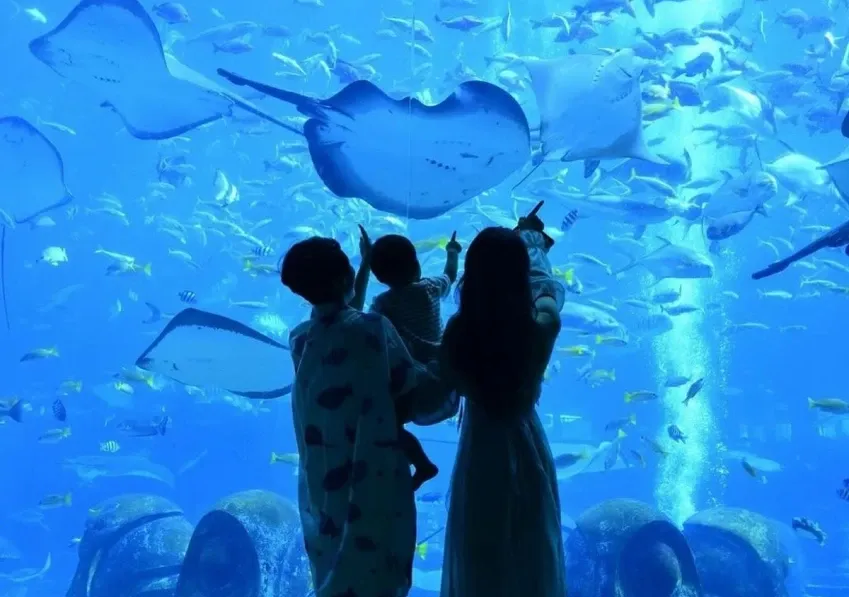
The centerpiece is the Kuroshio Sea tank, 7,500 cubic meters of water behind the world's second-largest acrylic panel (8.2 meters high, 22.5 meters wide, 60 centimeters thick). Inside, two whale sharks and multiple manta rays glide alongside schools of tuna and rays, and the sheer scale of it never gets old no matter how many aquariums you've visited. Churaumi holds a remarkable historical distinction: it was the first aquarium in the world to successfully breed a manta ray in captivity, achieved in 2007 after 374 days of gestation.
Beyond the main tank, the Coral Sea exhibit reconstructs a shallow reef environment with natural lighting; the Deep Sea exhibit is genuinely otherworldly; and the Dangerous Creatures section is a kid-magnet.
Practical info:
- Location: Ocean Expo Park, Motobu (northern Okinawa)
- Hours: 8:30–18:30 October through February; 8:30–20:00 March through September (last entry one hour before closing)
- Admission: Adults ¥2,180 (~$15); high school students ¥1,440; ages 6–15 ¥710; under 6 free
- Closed: First Wednesday of December and the following Thursday for annual inspection; plus typhoon-related closures
- Getting there: About 2 hours from Naha Airport by car; 3 hours by express bus. Renting a car is the practical option for northern Okinawa
Insider tip: Whale shark feeding shows happen daily at 15:00 and 17:00, and they're worth planning around. After the 17:00 show, the evening crowd thins out noticeably, you'll have better views of the main tank from 17:30 onward than at any point during the day. Buy discounted tickets at the 2F information counter of AEON Mall Rycom if you're driving north.
Indoor Traditional Craft Experiences (Hands-On)
Okinawa's traditional craft culture is genuinely exceptional, the island was the center of a sophisticated maritime trading kingdom that absorbed influences from Japan, China, Southeast Asia and the Pacific. The results are textiles, ceramics and glasswork you won't find anywhere else in Japan. A rainy day is the perfect time to make something.
Bingata Dyeing — Shuri Ryusen (Naha) and Shuri Textile Museum Suikara
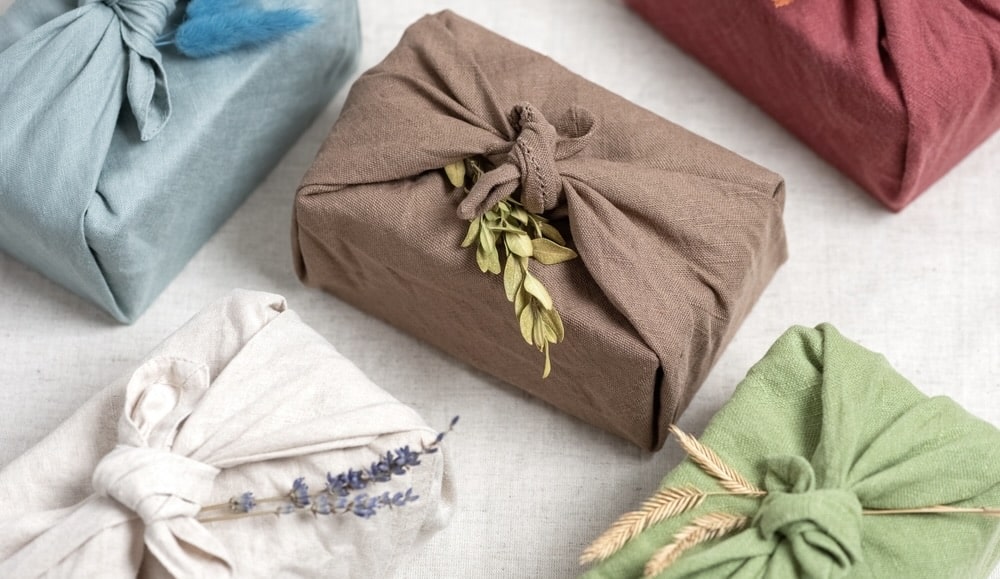
Bingata (紅型) is Okinawa's signature stencil-dyeing tradition, characterized by impossibly vivid colors — coral, turquoise, golden yellow — and motifs drawn from nature: hibiscus, fish, waves, and clouds. It was originally reserved exclusively for Ryukyu royalty and high court officials, which explains why the patterns feel so intricate and the colors so intense.
At Shuri Ryusen (open 10:00–17:00 daily), a DIY bingata session costs ¥3,000 per item and takes about an hour. You apply dye through a stencil onto a tote bag or handkerchief, choose your color palette, and leave with something genuinely beautiful. They also offer a rare "coral dyeing" experience using fossil coral as a medium, unique to this studio.
Shuri Textile Museum Suikara, about a 10-minute walk from Shuri Castle, offers a slightly longer program (60–120 minutes) at ¥3,520–¥4,950 depending on item size.
Insider tip: Both studios can ship your finished piece after the color-setting process. If you want to take it home the same day, choose a tote bag over a stole, totes dry and fix faster.
Ryukyu Glass Blowing : Itoman and Onna
Ryukyu glass has a fascinating origin story. After World War II, American military bases left behind enormous quantities of discarded beer, cola and medicine bottles. Okinawan artisans began recycling them — and the impurities trapped inside the old glass produced spontaneous bubbles and color variations during the blowing process. What started as resourcefulness became an aesthetic: those bubbles and swirling tones are now considered defining features of authentic Ryukyu glass, and it was officially designated a traditional Okinawan craft in 1998.
Ryukyu Glass Village in Itoman (30 minutes south of Naha) runs a glass-blowing workshop called Workshop Think Think — ¥4,400 per person, takes about 30 minutes, and finishes in a piece you can pick up the next business day or have shipped home. Hours are 9:30–17:30.
Teida Glass Studio in Onna (central-west coast) is another solid option, particularly family-friendly for kids from age 5 upward.
Insider tip: Book at least a day ahead. On wet days, every workshop in Okinawa fills up faster than usual. Walk-ins on rainy afternoons are routinely turned away.
Shisa Pottery Painting : Tsuboya Yachimun Street, Naha
A shisa (シーサー) is the lion-dog guardian figure you see everywhere in Okinawa, on rooftops, at front gates, at the entrance of businesses. They're always paired: the one with its mouth open drives evil away; the one with its mouth closed keeps good luck in. In 1682, the Ryukyu King Shō Tei consolidated pottery kilns from three villages into the district now known as Tsuboya, establishing it as the center of Okinawan ceramics. You can walk that same street today.
Ikutouen (1-22-33 Tsuboya, Naha) offers shisa-making workshops from ¥3,300 and shisa painting from ¥3,850, taking 60–90 minutes. Open 10:00–18:00 daily, closed January 1–2.
Insider tip: Tsuboya sits at the southern end of the Heiwa Dori covered arcade. You can walk from Kokusai Dori all the way to your pottery class entirely under a roof.
Sanshin Lessons : Inside Heiwa Dori, Naha
The sanshin (三線) is Okinawa's most beloved instrument, a three-stringed lute with a body wrapped in snakeskin, producing a sound somewhere between a banjo and a koto. Every Okinawan festival, every living room, every late-night izakaya eventually produces a sanshin.
A Small Sanshin Shop Kinjo, tucked inside Heiwa Dori (3-1-24 Makishi), offers a 10-minute beginner lesson with the owner for just ¥500. Open 10:00–19:00 year-round.
Insider tip: This is the cheapest authentic cultural experience in all of Naha. Even if you're a complete beginner who's never played a stringed instrument in your life, the owner can get you through a few bars of a classic Okinawan melody in under 10 minutes.

Rainy-Day Food Trail : Okinawan Cuisine Indoors
Naha City First Makishi Public Market
The old Makishi market was a beloved Naha institution that was demolished and rebuilt from 2019 to 2023. The new version reopened in March 2023 at its original Heiwa Dori location, fully air-conditioned, entirely rain-proof, and substantially more visitor-friendly than its predecessor.
The ground floor holds 75 stalls selling fresh seafood, agu pork (Okinawa's indigenous heritage breed), spiny lobster, parrotfish, sea grapes (umi-budo), and Okinawan shallots (shima-rakkyo). Then there's the tradition: buy your ingredients downstairs and take them up to the second floor, where a cluster of small restaurants will cook whatever you purchased for a preparation fee of around ¥500–¥1,500 per dish. Sashimi, grilled fish, garlic-steamed lobster, it all comes out of a kitchen attached to a stall staffed by someone who's been cooking this food their whole life.
Hours: Ground floor stalls roughly 8:00–21:00; second-floor restaurants stay open later.
Insider tip: Order an Orion draft at a second-floor table while you wait for your first-floor fish to arrive as sashimi. This is exactly what a rainy afternoon was invented for.
Awamori Distillery Tours
Awamori (泡盛) is Okinawa's indigenous spirit, and it's unlike any other Japanese alcohol. It's distilled from Thai long-grain indica rice using a unique black koji mold — Aspergillus luchuensis, found only in Okinawa. The longer it ages in clay pots, the smoother and more complex it becomes. Aged awamori (three years or more) is called kusu, and some bottles are priced accordingly.
Three distilleries worth visiting on a rainy day:
Zuisen Distillery (near Shuri Castle, Naha) offers a free factory tour and tasting room. About 10 minutes' walk from Shuri Castle; open daily.
Chuko Distillery (Tomigusuku) runs free tours 9:00–17:30 with 10 different awamori varieties for tasting, just a 3-minute walk from the Ganaha bus stop.
Helios Distillery (Nago, north Okinawa) reopened its Kosyu Cellar Shop & Gallery in November 2023. Guided tours run at 10:30, 13:30 and 15:00, closed Wednesdays.
Insider tip: If you can't get to Nago, Helios runs a craft-beer taproom right on Kokusai Dori in central Naha. A glass of their local pale ale is excellent company on a grey afternoon.
Okinawa Soba and the Covered Arcades
No rainy day in Naha is complete without a bowl of Okinawa soba. This isn't the buckwheat noodle of mainland Japan, Okinawan soba uses thick wheat noodles in a light pork-and-bonito broth, typically topped with slow-braised pork belly (rafute), pickled ginger, and green onion. It's one of the most satisfying bowls of food you'll eat in Japan, full stop.
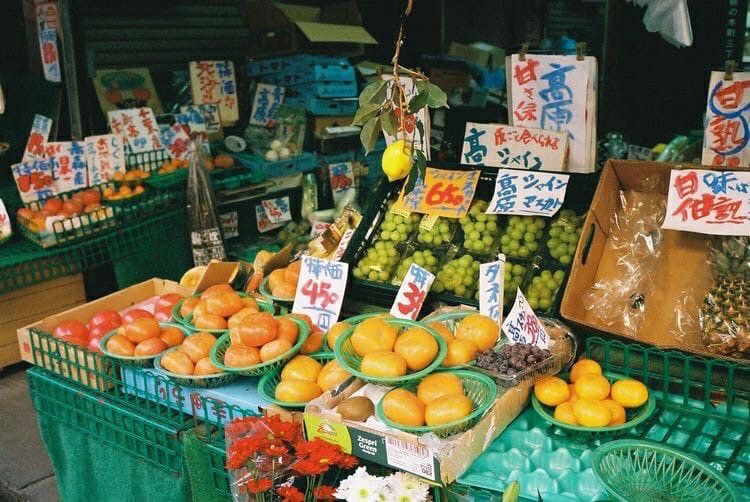
Along Heiwa Dori and Ichiba Hondori, small soba shops are scattered between the souvenir stalls, look for hand-written signs and steaming windows. No reservations needed, rarely any waiting.
Shopping Arcades and Malls Worth Exploring
Kokusai Dori and Heiwa Dori, Naha
Kokusai Dori is Naha's famous 1.6-kilometer main shopping strip, but most of it is open to the sky, which makes it less than ideal in heavy rain. The smart move is to duck into its connected covered arcades.
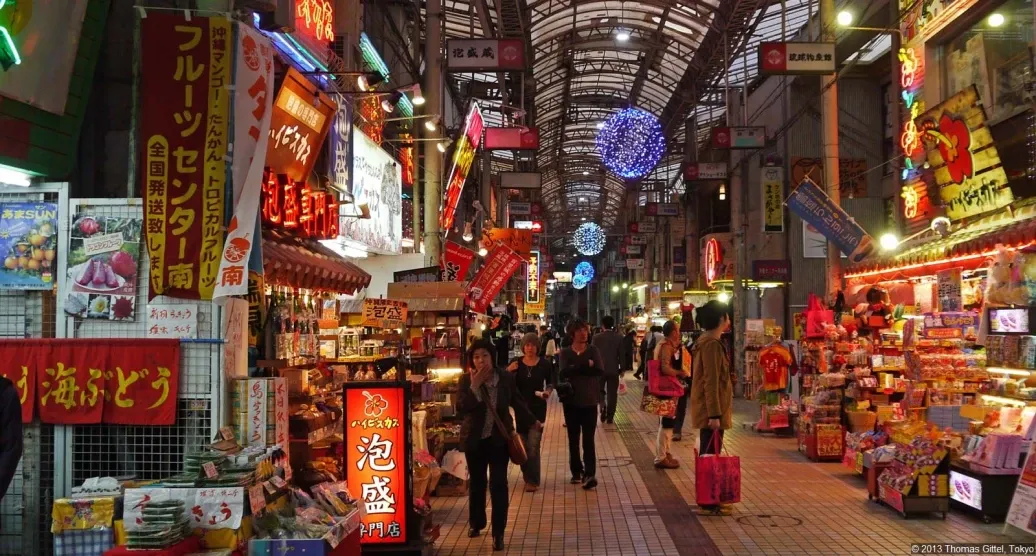
Heiwa Dori (Peace Street) is a 336-meter covered arcade with around 200 shops selling Ryukyu glass, bingata goods, Kariyushi shirts (Okinawa's answer to the Hawaiian shirt), sanshin accessories, and Okinawan snacks, typically at better prices than the tourist-facing Kokusai Dori stores. Most open around 11:00.
From Heiwa Dori, you can connect to Ichiba Hondori, which leads directly into Makishi Public Market, and from there to Tsuboya Yachimun Street (the pottery district) — all without stepping into the rain.
Insider tip: Walk the full loop: Heiwa Dori → Ichiba Hondori → Makishi Market → Tsuboya. It takes 2–3 hours if you browse properly. Return to Kokusai Dori for dinner and bring your umbrella for the brief exposed stretch.
AEON Mall Okinawa Rycom : Kitanakagusuku (Central Okinawa)
The largest mall in Okinawa, and genuinely one of the best rainy-day options on the entire island. AEON Rycom has over 220 shops across five floors, but what makes it special is the extras: a free "Rycom Aquarium" atrium display (100+ tons of water, 300 tropical fish), Okinawa's first Pokémon Center, a proper food court seating 2,400 people, and a supermarket that opens at 8:00 AM.
Hours: Main mall 10:00–22:00; AEON STYLE supermarket 8:00–23:00.
Getting there: About 40 minutes by car from Naha Airport. Direct shuttle buses run from major Naha hotels.
Insider tip: The 2F information counter sells discounted Churaumi Aquarium tickets (cash only). If you're planning the northern aquarium for the next day, buy them here.
Mihama American Village : Chatan (Central Okinawa)
Chatan's American Village is a deliberately retro West-Coast-themed entertainment district built on a former US military airfield. In the rain, the waterfront promenade isn't much fun, but the indoor options are solid: a 7-screen cinema, bowling alley, arcade games, karaoke, and a dense cluster of import shops and restaurants in the Depot Island complex.
Hours: Shops typically 10:00–22:00; restaurants often until 23:00. Free parking.
Getting there: About 40 minutes by car from Naha; bus routes #20, #28, #29 or #120 from Naha Bus Terminal (~¥840).
Insider tip: The area's famous Ferris wheel closed in 2022, so don't build an evening around it. The cinema and round-the-clock izakaya scene are the real draws here.
San-A Naha Main Place : Omoromachi, Naha
The go-to mall for Naha residents rather than tourists, which means better prices and a more relaxed atmosphere. San-A Naha Main Place has the Cinema Q nine-screen multiplex, Tokyu Hands (now rebranded as Hands), a Daiso 100-yen store, and the San-A supermarket. Open 9:00–24:00 daily, and right next to Omoromachi Yui Rail station.
Insider tip: The supermarket's bento and sushi counter marks down 30–50% in the final hour or two before midnight. On a typhoon day when restaurants are closed, this is how you eat well without leaving the building.
Spa, Onsen, and Wellness Options
Ryukyu Onsen Ryujin no Yu : Senagajima Island
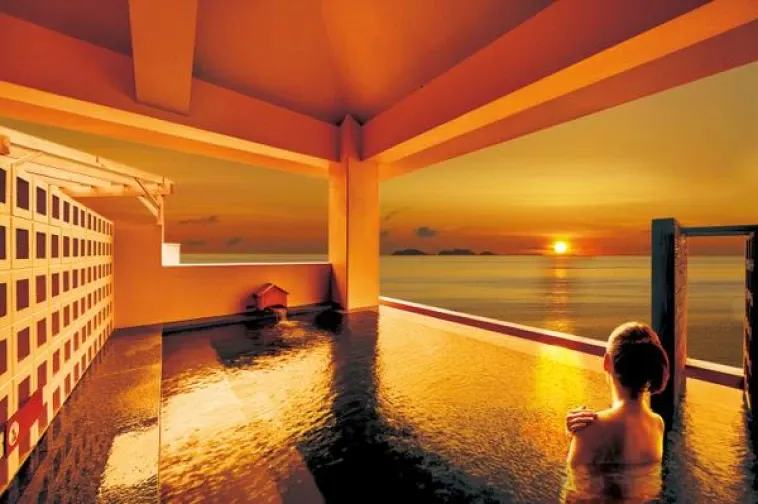
Okinawa isn't volcanic, so genuine natural hot springs are rare. Ryujin no Yu is the exception worth knowing about — a real hot spring that flows from 1,000 meters underground at a rate of 500 liters per minute on the small island of Senagajima, connected to the southern Okinawa mainland by a bridge.
The baths are split into indoor and outdoor sections, with the outdoor tubs looking directly over the Kerama Islands and the final approach to Naha Airport's runway. On a grey rainy day, watching jets descend through the clouds while you soak in a hot spring is a genuinely singular Okinawan experience.
It's operated by the Ryukyu Onsen Senagajima Hotel but open to day visitors.
Practical info:
- Day-use admission: ¥2,000 adults; ¥1,000 ages 6–12; under 6 free. Towels included.
- Hours: 6:00–24:00 daily, last entry 23:00
- Getting there: 10–15 minutes by car from Naha Airport; Yui Rail to Akamine Station, then bus
Insider tip: The men's and women's outdoor baths swap sides on alternating days. Time your visit for the late afternoon, the sunset lighting over the Kerama Islands combined with incoming aircraft is one of those travel memories that sounds implausible until you're actually there.
Hotel Spas Open to Non-Guests
Several major resort hotels in Okinawa open their spa facilities to day visitors — the Hilton Okinawa Chatan Resort, The Naha Terrace, and ANA InterContinental Manza Beach Resort are reliable options, with 60–90 minute treatments typically running ¥10,000–¥25,000. Availability tightens on heavy rain days because every stranded beach tourist has the same idea, so call ahead the morning of.
What to Do During a Typhoon Warning (Serious Storm)
Let's talk about this plainly. A typhoon warning in Okinawa is not a rainy-day itinerary problem, it's a safety situation that overrides everything in this guide.
Here's how to read the JMA's 5-level system:
- Level 1–2 (Advisory): Exercise caution. You can still move around, but monitor conditions.
- Level 3 (Warning / 警報): Vulnerable people are told to evacuate. Tourists should cancel outdoor plans and return to their accommodation.
- Level 4 (Evacuation Order): Everyone follows evacuation instructions. Stay inside or follow hotel staff guidance.
- Level 5 (Emergency Warning / 特別警報): Catastrophic conditions. Focus on personal safety only.
What to do before a typhoon hits:
The night before a forecasted storm, go to a convenience store. Buy bottled water, shelf-stable food (onigiri, cup noodles, snacks), a phone charging cable, and batteries. Most typhoon disruptions in Okinawa last 12–36 hours, you don't need a month's supply, just enough to not be miserable.
Keep the JMA app or Yahoo Weather Japan on your phone for live tracking. Check your airline directly (ANA, JAL, Peach, Solaseed Air), most carriers automatically waive change fees for flights during JMA-confirmed typhoon events. Contact your hotel front desk: they know local conditions, speak to guests in English, and will tell you when it's safe to go back outside.
Attractions, buses, and the Yui Rail monorail typically close about two hours before transit suspends service, don't be in Motobu visiting Churaumi when the buses stop.
After the storm passes, expect a day of cleanup, partial bus schedules, and possible museum closures before things fully normalize.
Rainy-Day Tips for Families with Children
Okinawa is much better for indoor family time than most people expect. These are the options that actually work with kids:
DMM Kariyushi Aquarium at iias Okinawa Toyosaki is the best rainy-day family pick within 20 minutes of Naha Airport. Unlike Churaumi, which requires a two-hour drive north — Kariyushi is tucked inside a shopping complex and features scheduled animal encounters you can time your visit around: sloth feeding at 10:15 and 14:15, penguin feeding at 10:30 and 14:30, otter feeding at 11:30 and 13:00, and a micro-pig experience. It's hands-on in a way most aquariums aren't.
Adults ¥2,400; ages 13–17 ¥2,000; ages 4–12 ¥1,500; under 3 free. Open 9:00–20:00 (last entry 19:00, though hours shift seasonally, check the official calendar before going).
AEON Mall Rycom is the backup for any age group: free parking, the Pokémon Center, the free atrium aquarium, a massive food court, and enough floor space to walk off a full afternoon. Kids under 6 can run around in the open atrium area near the aquarium display.
Cinema Q at Naha Main Place shows recent releases, some subtitled international films, plus Japanese-language originals.
Okinawa Children's Country in Okinawa City combines a zoo and indoor Wonder Museum with hands-on science activities aimed at younger kids.
Family insider tip: Buy the Churaumi Tokutoku 5 Pass online. For adults it's ¥5,900 and covers Churaumi Aquarium plus your choice of four additional partner attractions — including Okinawa World (the cave park in the south), Nago Pineapple Park, and Little Universe Okinawa. Versus buying separately, you save roughly ¥2,500 per adult.
Quick-Reference Activity Table by Location
Naha
OkiMu — Prefectural Museum & Art Museum
Tue–Sun · 9:00–18:00
¥530
Monorail-accessible; fully climate-controlled
Naha
Heiwa Dori covered arcade
~10:00–20:00
Free
Completely roofed — no umbrella needed
Naha
Makishi Public Market
~8:00–21:00
Free entry
Air-conditioned; cook your catch upstairs
Naha
Shuri Ryusen bingata workshop
10:00–17:00
¥3,000
60-min royal dyeing class; fully indoors
Naha
Tsuboya pottery — Ikutouen
10:00–18:00
¥3,300+
Indoor workshop; covered walk from Heiwa Dori
Naha
Zuisen Distillery (awamori tasting)
~9:00–17:00
Free
Indoor tour and tasting near Shuri Castle
Naha (Omoromachi)
San-A Naha Main Place + Cinema Q
9:00–24:00
Free (films extra)
9-screen cinema; monorail stop at the door
Tomigusuku (South)
DMM Kariyushi Aquarium
9:00–20:00
¥2,400
Fully indoor; sloth, otter & penguin encounters
Tomigusuku (South)
Ryukyu Onsen Ryujin no Yu
6:00–24:00
¥2,000 day-use
Ocean-view hot spring; indoor & covered baths
Tomigusuku (South)
Ashibinaa Outlet Mall
10:00–20:00
Free
Covered mall; 100+ brands
Itoman (South)
Peace Memorial Museum
9:00–17:00
¥300
Fully indoor; essential Okinawan history
Itoman (South)
Ryukyu Glass Village (workshop)
9:30–17:30
¥4,400
Indoor glassblowing; pieces shipped home
Kitanakagusuku (Central)
AEON Mall Okinawa Rycom
10:00–22:00
Free
220+ stores; Pokémon Center; free atrium aquarium
Chatan (Central)
American Village — cinema & arcade
10:00–22:00
Free
Indoor entertainment complex; free parking
Motobu (North)
Churaumi Aquarium
8:30–18:30 (or 20:00 peak)
¥2,180
World's 2nd-largest tank; fully climate-controlled
Nago (North)
Helios Distillery (tour + tasting)
Tours: 10:30 · 13:30 · 15:00
Free
Indoor distillery; 3 daily tour slots
FAQ
What is there to do in Okinawa when it rains?
More than you'd expect. Okinawa's best rainy-day activities include Churaumi Aquarium in the north, DMM Kariyushi Aquarium near Naha Airport, the Okinawa Prefectural Museum (OkiMu) and Peace Memorial Museum, bingata dyeing and Ryukyu glass blowing workshops, the covered Heiwa Dori arcade and Makishi Public Market, AEON Mall Rycom in central Okinawa, awamori distillery tours, and the Ryujin no Yu onsen on Senagajima. Most are within an hour's drive of Naha.
Is Okinawa worth visiting in rainy season?
Yes — arguably one of the best times to go, if you plan around it. Tsuyu typically runs from mid-May to late June in Okinawa, bringing short, heavy bursts of rain rather than all-day downpours. Crowds and prices drop sharply after Japan's Golden Week. Okinawa's indoor culture — cuisine, traditional crafts, aquariums, music, museums — is unusually deep, and you'll experience all of it without fighting tour groups for space. Pack quick-dry clothes, a folding umbrella, and an open schedule.
How long does Okinawa's rainy season last?
About 45–50 days. The Japan Meteorological Agency typically declares tsuyu's arrival in Okinawa in mid-to-late May — the 2025 start was May 22, slightly later than average; 2026 started earlier than usual on May 4. The season wraps up in the third week of June. Okinawa's tsuyu begins roughly a month before mainland Japan's because the seasonal rain front travels north from the tropics.
Can you visit Churaumi Aquarium in the rain?
Absolutely, Churaumi is one of Okinawa's best rainy-day destinations precisely because everything important is indoors. The main Kuroshio Sea tank, the deep-sea exhibit, the coral reef hall, and the dangerous creatures section are all climate-controlled and entirely unaffected by weather. Adults pay ¥2,180; ages 6–15 pay ¥710. The outdoor dolphin theater at Ocean Expo Park may shorten shows in heavy rain, but the aquarium itself runs normally.
What should I do if a typhoon hits while I'm in Okinawa?
Stay in your hotel. Monitor the JMA typhoon tracking page or the Yahoo Weather Japan app for live warnings. At JMA Level 3 or above, don't go out. The night before a forecasted typhoon, stock water, snacks, and a phone battery pack from a convenience store. Check your airline directly for fee-waived changes, most carriers accommodate this automatically during official typhoon events. When the storm passes, expect 24–48 hours before full services resume.
Are there indoor activities in Okinawa for families?
Plenty. DMM Kariyushi Aquarium features scheduled sloth, otter, penguin, and micro-pig encounters (adults ¥2,400, ages 4–12 ¥1,500). AEON Mall Okinawa Rycom has a free atrium aquarium and the prefecture's only Pokémon Center. Cinema Q at Naha Main Place shows recent films. OkiMu has a hands-on children's experience room. For active kids, Stem Resort at iias Toyosaki offers indoor bouldering right below DMM Kariyushi Aquarium.
What traditional Okinawan experiences can I do indoors?
The best three are bingata dyeing at Shuri Ryusen (¥3,000, about one hour), Ryukyu glass blowing at Ryukyu Glass Village (¥4,400, 30 minutes), and shisa pottery painting on Tsuboya Yachimun Street (from ¥3,300, 60–90 minutes). Add a ¥500 sanshin lesson at A Small Sanshin Shop Kinjo inside Heiwa Dori, and a free awamori tasting at Zuisen Distillery near Shuri Castle, and you've got a full rainy-day cultural circuit without stepping outside once.
Is Kokusai Dori good to visit on a rainy day?
Partially. The main Kokusai Dori strip is mostly open-air, fine with an umbrella, but not ideal in a downpour. The real rainy-day move is to use Kokusai Dori as your reference point and explore the connected covered arcades instead. Heiwa Dori, Ichiba Hondori, and Mutsumibashi are fully roofed and connect directly to Makishi Public Market and Tsuboya pottery district. You can spend several hours in this network without needing an umbrella at all.
Prices and hours verified in May 2026. Admission costs and opening times change seasonally and during typhoon events, always confirm directly with venues before visiting.
Evertrail Tours · May 13, 2026