Okinawa Fishing Tours: Everything You Need to Know Before You Book
From reef fish to your dinner plate, a complete guide to the Catch and Cook fishing experience in the Ryukyu Islands
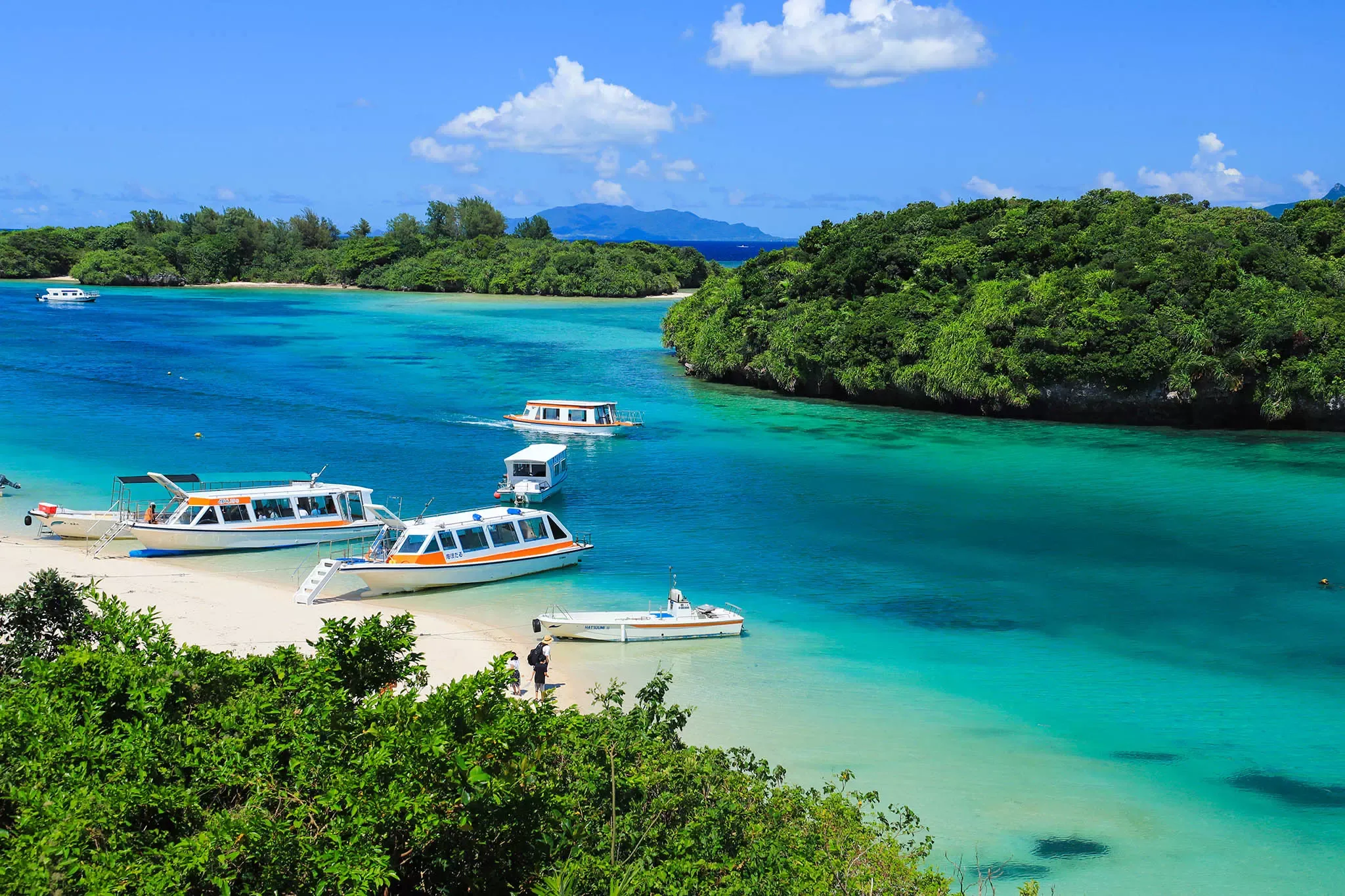
Okinawa's waters are unlike anywhere else in Japan. Warm, absurdly clear, and packed with life, the kind of place where you genuinely can't tell if you're looking at a reef or a painting. For travelers who want more than a snorkel and a beach chair, fishing tours here offer something rare: a real taste of island life, ending with one of the freshest meals you'll ever eat.
Whether you're a seasoned angler chasing big pelagic fish, a family fishing together for the first time, or a food lover who wants to cook your catch and watch a chef turn it into something extraordinary, Okinawa has a tour for you. This guide walks through everything: what's in these waters, when to go, what's included, and how to choose the right fishing experience.
Why Okinawa's Fishing Is So Good
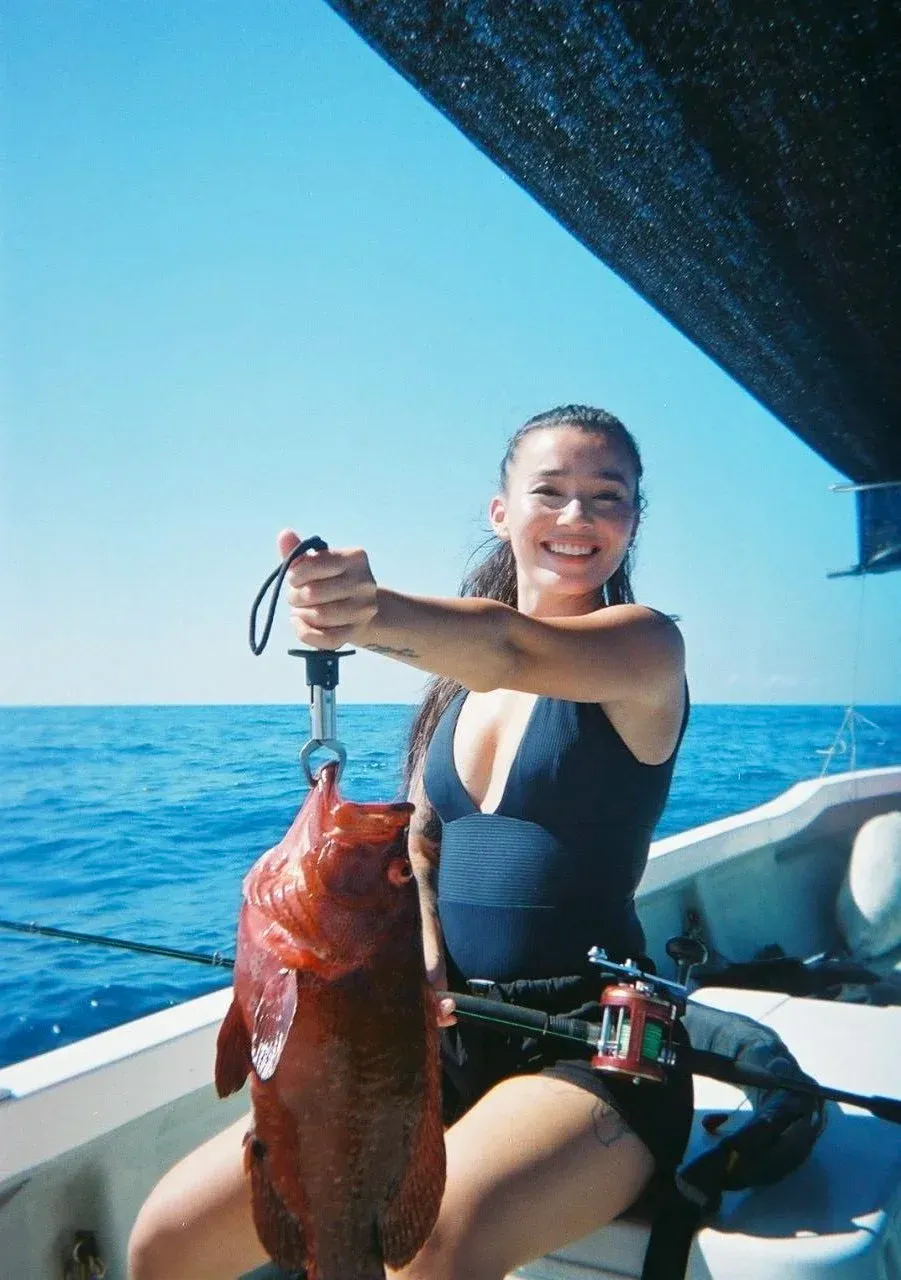
It starts with geography. Okinawa sits in the path of the Kuroshio Current, a powerful, warm-water stream that sweeps up from the Philippines and carries with it an extraordinary range of marine life. This current collides with the shallow coral reefs surrounding the islands, creating the kind of biological diversity that serious sport anglers travel across the world to find.
The result? Within a short boat ride from shore, you can be fishing over vibrant reef ecosystems, deep rocky structures, or open bluewater where tuna and marlin roam. Very few destinations let you switch between those worlds in a single day on the water.
There's also a cultural dimension worth noting. The people of Okinawa have fished these waters for centuries, and local guides carry that heritage with them. Reputable fishing charters like Evertrail Okinawa take this seriously, building "sea manners" into their tours, teaching guests about sustainable harvesting, and connecting visitors to the Okinawan fishing culture that still defines island life today.
What You Can Actually Catch in the Waters of Okinawa
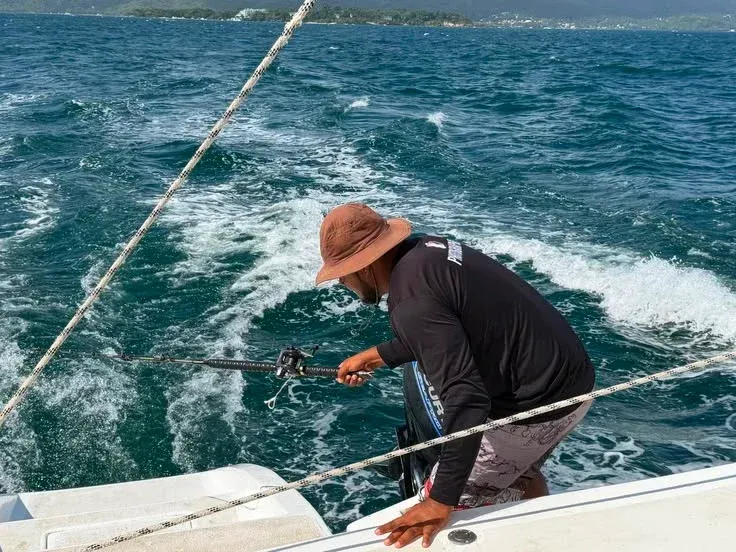
The range of fish in Okinawan waters is genuinely impressive. Here's a breakdown by zone, because where you're fishing determines what's on the line.
Near-Shore Reefs
This is where most half-day tours operate, and it's perfect for beginners and families. The reefs are active, colorful, and productive. You're fishing in clear, relatively calm water close to shore — ideal for anyone not looking for a rough offshore adventure.
Fish Local Name Why It's Worth Catching Double-lined Fusilier Gurukun Okinawa's prefectural fish; delicious deep-fried whole Snapper & Emperor Fish Taman Firm white flesh, prized at the table Parrotfish Irabucha Brilliant blue-green scales; a frequent reef catch Grouper Mibai Rich, fatty meat; found in deeper reef crevices
Deep Water & Bluewater
For those who want to push further out, the offshore waters deliver some of the most exciting fishing in all of Japan.
- Tuna : Yellowfin, Bigeye, and Albacore run predictably along the Kuroshio Current. Tuna fishing here, especially for Yellowfin, is a genuine bucket-list experience.
- Marlin : Blue and Striped Marlin peak in late spring and summer.
- Mahi & Wahoo : Gather around floating Payao FAD structures that local fishermen use to aggregate larger catches.
- Japanese Scorpionfish (Akajin / Coral Trout) — One of Okinawa's "three most luxurious fish," regularly targeted by serious charter boats on deep sea runs.
Winter Squid & Estuarine Species
When the water cools slightly in winter, squid fishing picks up, particularly for Diamondback Squid and Bigfin Reef Squid, targeted with "egi" lures. In the mangrove-lined waterways of northern Okinawa, you'll find Black Porgy, Mangrove Jack, and juvenile Trevally. It's a completely different style of sea fishing and a fascinating alternative on days when offshore conditions are rough.
When to Go: Seasons & the Concept of "Shun"
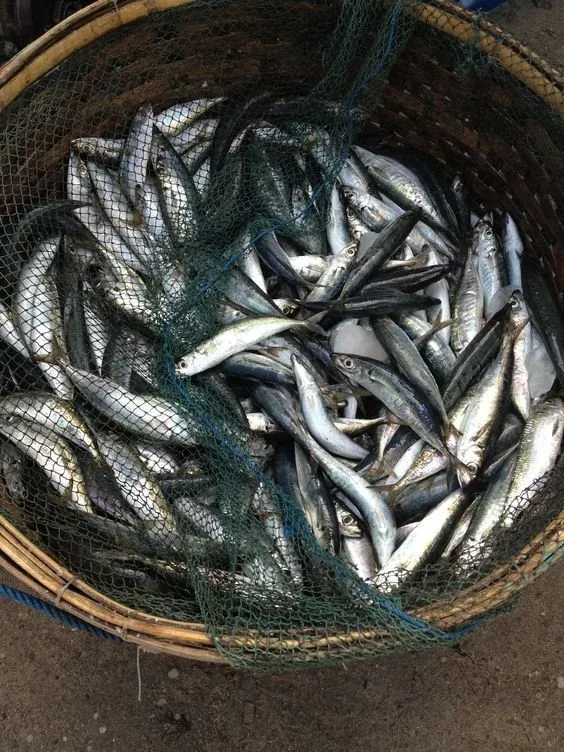
The Japanese concept of shun describes the peak moment of an ingredient, when it's at its most flavorful and abundant. In Okinawa's waters, every season has its own shun.
Season Months What to Target
Spring (March - May) : Spanish Mackerel, Sea Bream, Amberjack, Grouper (peak jigging season)
Summer (June – August) : Gurukun, tropical reef species (peak visibility; typhoon season begins)
Autumn (September – November) : Yellowfin Tuna, Wahoo, early Squid season
Winter (December - February): Swordfish, Winter Yellowtail (Kan-buri), bottom fishing
Cancellation Policy & Bad Weather
Okinawa operates under a TCCOR alert system during typhoon season (June 1 to November 30):
- TCCOR 3 & 2 - Boat tours begin canceling as a storm approaches
- TCCOR 1 - All maritime activity stops; storm is imminent
Even near-miss storms can leave rough swells for several days. In cases of bad weather, good operators will offer calm-water alternatives, a full refund, or rescheduling. Always ask about the cancellation policy before booking.
Package Details: What's Actually Included in a Signature Tour
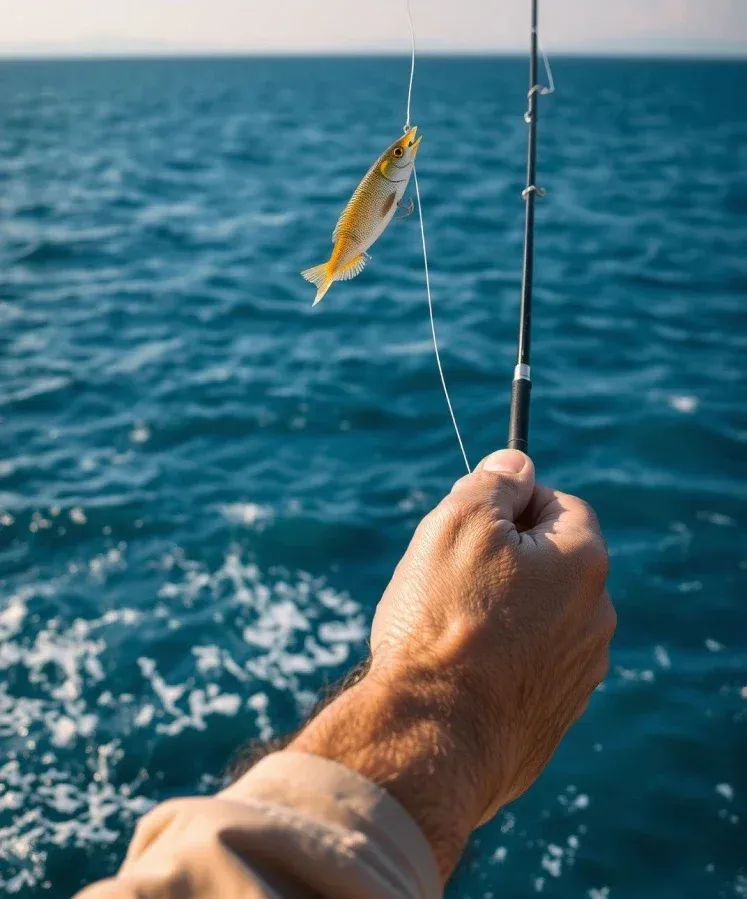
One of the biggest differences between a genuinely good fishing charter and a mediocre one isn't the boat, it's everything else. Evertrail's signature Catch and Cook tours operate on a tebura ("empty-handed") basis, meaning guests arrive with nothing and everything you need is provided. Even beginners can walk up to the departure point completely unprepared and be fishing within minutes.
What's Included in the Tour Price
- Specialized fishing rods and reels matched to your target species
- All terminal tackle and high-quality bait
- Coolers with ice to keep your catch sashimi-grade fresh
- Life jackets and safety equipment
- Full-time English-speaking guide throughout
- Transportation from Kadena Fishing Port to the restaurant in Naha
- Professional fish filleting at the kitchen
- Marine liability insurance up to 50 million yen
- Catch Guarantee : up to ¥1,300 credit if no fish are caught
There's also a Catch Guarantee worth knowing about. If the fish simply don't cooperate, Evertrail provides a credit of up to ¥1,300 to source a fish so the culinary portion of your day is never compromised. For families where the meal is the main event, this removes a lot of anxiety.
The English-speaking guide is another genuine differentiator. Most standard Japanese fishing charters operate entirely in Japanese, meaning without one, you're missing context, detailed explanations, and the entire cultural dimension of the experience. Evertrail guides like David (an adventure specialist with roots in Kagoshima and Scotland) and Aya (who bridges Okinawan and American cultures) turn what might be a simple fishing trip into something closer to a private cultural immersion.
The "Cook" Part: From Boat to Plate
After the fishing session, the real magic begins. Your catch is transported in a cooler, keeping everything sashimi-fresh, to a trusted local kitchen in Naha. This is where the sea-to-chopsticks dining experience fully comes together. It's a hands-on, deeply Okinawan way to end a fishing adventure.
Okinawan chefs know their seafood, and each preparation method is chosen to bring out the specific character of what you've caught.
Preparation Styles
Method Best For What to Expect Karaage (Deep-Fried) Gurukun Scored and fried at high heat, even the fins go crispy and edible Sashimi Tuna, Snapper Pure freshness; the natural sweetness of fish caught hours earlier Shioyaki (Salt-Grilled) White-fleshed reef fish Grilled with just salt, crispy skin, moist flesh Steaming Delicate species No oil; clean, elegant, and surprisingly complex in flavor
Recommended Venues
Ichiroya : Near Kokusai Street, Naha. Well-regarded for seafood expertise. Charges approximately ¥6 per gram to transform a raw catch into a multi-course Japanese-style meal.
Seafood House Pier 54 : Chatan. A more relaxed, westernized approach with the natural beauty of sunset views to match.
Motion Sickness: Don't Skip This Part
For a lot of people, the fear of getting seasick is the thing standing between them and a great fishing experience. Charter fishing on Okinawa's near-shore reefs is generally calm, but offshore swells can catch you off guard.
In Japan, virtually every captain's first recommendation is Aneron Nyscap, a long-acting capsule with five active ingredients, including Scopolamine (the gold standard for motion sickness prevention). Take it 30 minutes before your check-in and departure and it covers most people for the full duration of a half-day trip.
Important caveats: Aneron is strictly for those aged 15 and older. For children, ask a pharmacist about pediatric alternatives before your trip. The medication can also cause drowsiness and blurred vision, so don't plan on driving after the tour.
.webp)
What You Can't Do (And Shouldn't Try)
Fishing in Okinawa is governed by the Japan Fisheries Law, and the regulations are taken seriously. Reputable tour operators handle compliance, but it's good to know the basics.
Protected Species & Closed Seasons
Species Restriction Reef-building coral Strictly prohibited to harvest or damage Sea turtles & eggs Fully protected, interference can mean up to 5 years imprisonment
Spiny Lobster Closed season: April - June
Giant Clam Closed season: June - August
Prohibited Gear
- Spear guns with launching mechanisms
- Scuba equipment used for fishing
- Fishing lights
Fines for violations can range from ¥100,000 to ¥30,000,000 for foreign nationals. Stick with a licensed charter, follow their guidance, and you won't need to think about any of this.
.webp)
Which Tour Offers the Right Experience for You?
Families with young children : The 2-hour family fishing tours are designed for kids as young as three and are perfect for beginners of all ages. Fast catches, colorful fish, and simple instruction, immediate gratification without anyone getting exhausted. All fishing gear is provided, even beginners feel comfortable, and many tours include hotel pickup within Naha. Departure is typically from Kadena Fishing Port, keeping travel time short from most accommodation in the area.
Foodies and cultural explorers : The Evertrail Catch and Cook tour was built for this person. If you care about eating well, understanding where your food comes from, and experiencing local culture in a way that isn't staged, this is your tour. It's a fishing adventure that runs as a half-day and fits naturally into a broader Okinawa itinerary, welcoming all skill levels including those who are completely new to fishing.
Serious sport anglers : Full-day private charters targeting Giant Trevally, or multi-day island-hopping expeditions to remote fishing grounds near Izena and Zamami, offer a bucket-list Okinawa fishing experience for those with the budget and fitness to match. These trips can exceed ¥300,000, and they earn it.
What It Costs: 2025–2026 Pricing
Okinawa Fishing Tours
Beginner tour: Shared - 2 hours - ¥4,900–¥7,000 per person - Best for families and first-time anglers
Catch & Cook : Semi-private — 4–6 hours — ¥34,900+ per person - Best for foodies and cultural travelers
Full-day charter : Private - 8 hours - ¥90,000–¥170,000 per boat - Best for serious anglers and private groups
Island stay expedition : Expedition - 3–5 days - ¥680,000–¥1,000,000 per group - Best for luxury groups and bucket-list trips
One thing to watch for: many budget charters advertise a low base price and then add ¥10,000+ in extras, jigging rods, trolling reels, fish cleaning fees. The all-inclusive model used by Evertrail and similar fishing charters is often better value once you account for everything, and removes the friction of unexpected charges at check-in. That kind of transparency is part of what makes the best fishing tours worth booking in advance rather than last-minute.
Group size also affects per-person pricing significantly on longer trips. A seven-day island-hopping expedition with six participants might cost around ¥325,000 per person; with only two people sharing the same fixed costs, that figure can climb above ¥516,000 each. For last-minute bookings on private charters, always confirm availability directly with the operator, Kadena departure slots fill quickly in peak season.
FAQ: Everything You Need to Know Before You Book
Do I need any fishing experience to join a tour?
Not at all. Most tours, especially the reef and Catch and Cook options, are designed to be perfect for beginners. The English-speaking guide handles all the instruction, sets up your rod and reel, and shows you exactly what to do from the moment you arrive. If you've never held a fishing rod in your life, you'll still have a great time.
What should I bring on the day?
Very little. Tours operate on a tebura ("empty-handed") basis, so all fishing gear, rods, reels, bait, life jackets, and tackle, is provided. Wear comfortable, non-slip shoes, bring sunscreen, and consider a light layer for the boat. If you're prone to motion sickness, pick up Aneron from a local pharmacy before your departure.
Is the tour suitable for children?
Yes, the 2-hour family fishing tours welcome children as young as three. Reef fishing is calm, close to shore, and produces frequent catches that keep kids engaged. Life jackets are provided for all ages. For younger children who may need motion sickness medication, check with a pharmacist before the trip as Aneron is only suitable for those aged 15 and older.
What happens if we don't catch anything?
Evertrail's Catch Guarantee means the cooking experience is never at risk. If your group doesn't land a fish, a credit of up to ¥1,300 is provided to source one from a local supplier. You'll still get the full sea-to-table dining experience in Naha, nothing is lost.
What happens if the weather is bad?
In cases of bad weather or a typhoon alert, tours are canceled for safety. Good operators will offer a full refund or rescheduling at no extra cost. It's worth confirming the exact cancellation policy when you book, particularly if you're visiting during typhoon season (June through November).
Where do tours depart from?
Most tours depart from Kadena Fishing Port, which is centrally located and easy to reach from accommodation across central Okinawa. Check-in is typically 30 minutes before departure. Transportation from the port to the restaurant in Naha is included at the end of the tour.
Can we choose how our fish is cooked?
Yes. After the fishing session, your catch is brought to a trusted local kitchen where you can choose from several preparation styles — sashimi, deep-fried karaage, salt-grilled, or steamed. The guide will walk you through the options and help you decide based on what you caught. It's one of the most enjoyable parts of the whole experience.
Is the tour conducted in English?
Evertrail tours include a full-time English-speaking guide throughout the entire experience — on the boat, at the kitchen, and during transit. This is a meaningful difference from many standard Japanese fishing charters, where English support is limited or charged as an extra.
How far in advance should I book?
As early as possible, particularly for summer and peak season. Private charters and Catch and Cook tours at Kadena Fishing Port fill up quickly, and last-minute availability is not guaranteed. If your travel dates are fixed, booking two to four weeks ahead is a safe minimum.
Evertrail Tours · April 24, 2026