A complete guide to planning an unforgettable Okinawa cycling tour on Japan's idyllic tropical island, routes, rental tips, and everything in between.
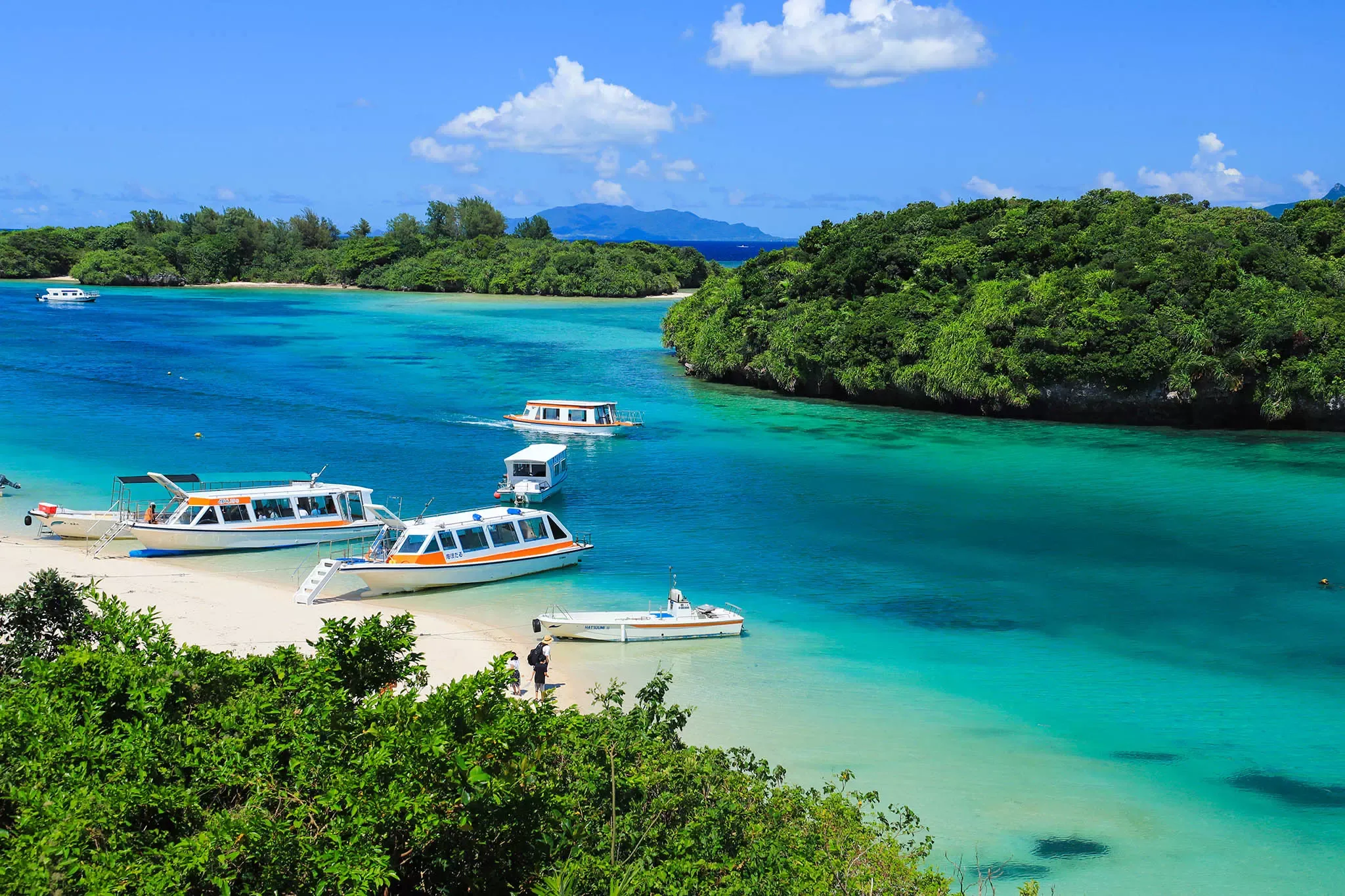
There's a moment, somewhere between a palm-lined backstreet in Naha and a stretch of impossibly turquoise coastline, when you realize no tour bus could ever have taken you here. That's the magic of an Okinawa bike tour, it hands you this tropical island on your own terms.
Okinawa is unlike anywhere else in Japan. Subtropical in climate, Ryukyu Kingdom in culture, and coral-fringed in geography, it rewards slow exploration more than any other destination in the country. And the best way to explore slowly, it turns out, is by bicycle.
Why a Cycling Tour Beats the Tour Bus ?
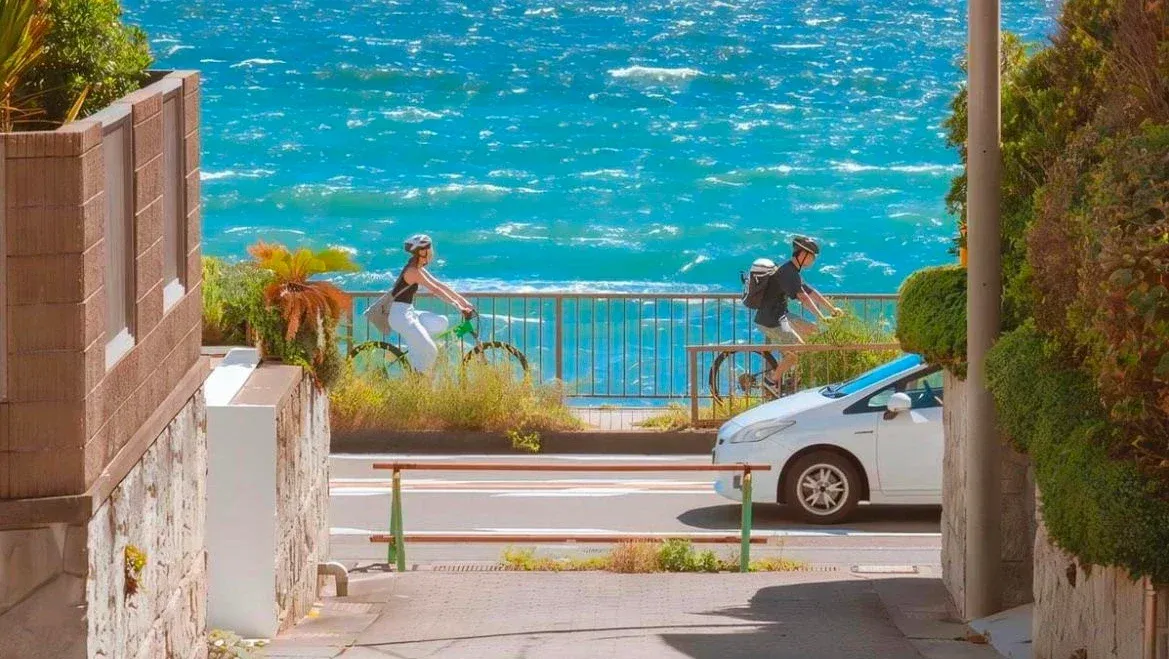
Bus tours have their place. But in Okinawa, they tend to lock you into the same dozen stops that every other tourist visits, at times that suit the schedule, not yours. A bicycle cycling tour changes the entire equation.
"The best discoveries in Okinawa happen on the roads too narrow for any bus to follow."
On a bike, you can follow your nose down a lane of Ryukyuan-tiled rooftops, pause for shaved ice at a local shop near Kokusai Street, or simply sit at a seawall and watch the East China Sea. You're not a passenger, you're a traveler.
The Best Cycling Tour Routes in Okinawa
North : Nago & Yanbaru (~52 km) Ride through lush mangroves and dense mountain forest. Highlights include Ōura Bay and Haneji Dam.
Central : Kaichu-Doro Loop Cycle across the ocean bridge to Henza Island. Nearby, you can visit traditional Yachimun pottery villages and Zakimi Castle.
North : Kouri Island Return (~58 km round trip) Cross the iconic bridge to Kouri Island, ride past sugar cane fields, and stop at the famous Heart Rock viewpoint.
South : Peace Memorial Park (Itoman City) A more reflective route with war history, coastal views, and a visit to Valley of Gangala, known for its ancient limestone caves.
The North: Yanbaru Wilderness
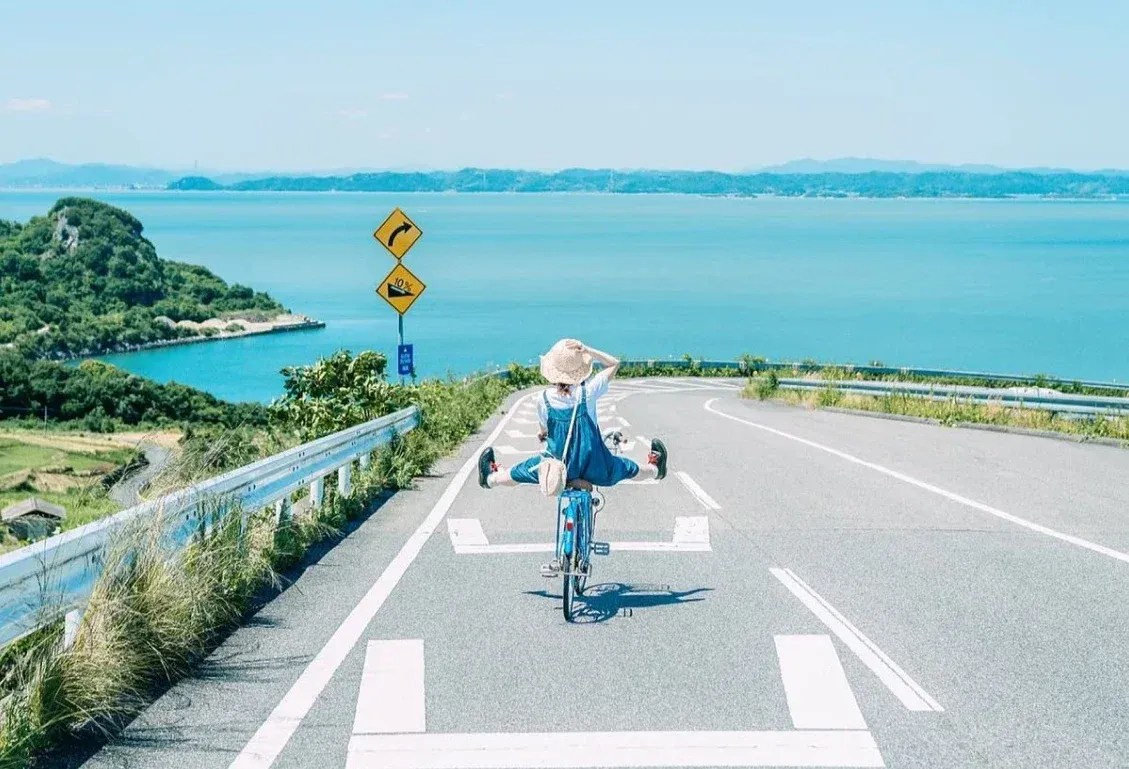
Okinawa's northern region, known as Yanbaru, is a world away from Naha's urban energy.
The designated Northern Cycling Course runs roughly 52km from Nago City Hall through the Haneji area on the Motobu Peninsula, skirting the east coast of Ōura Bay where dugongs have been spotted feeding in the shallows.
Along the way, Wansa Ōura Park offers a lush mangrove boardwalk that stops time completely.
The Haneji Dam Museum, at the route's northernmost point, tells the story of Yanbaru's water culture and natural history, a rich cultural stop well worth the climb.
The Central Coast: Ocean Bridges and Pottery Villages
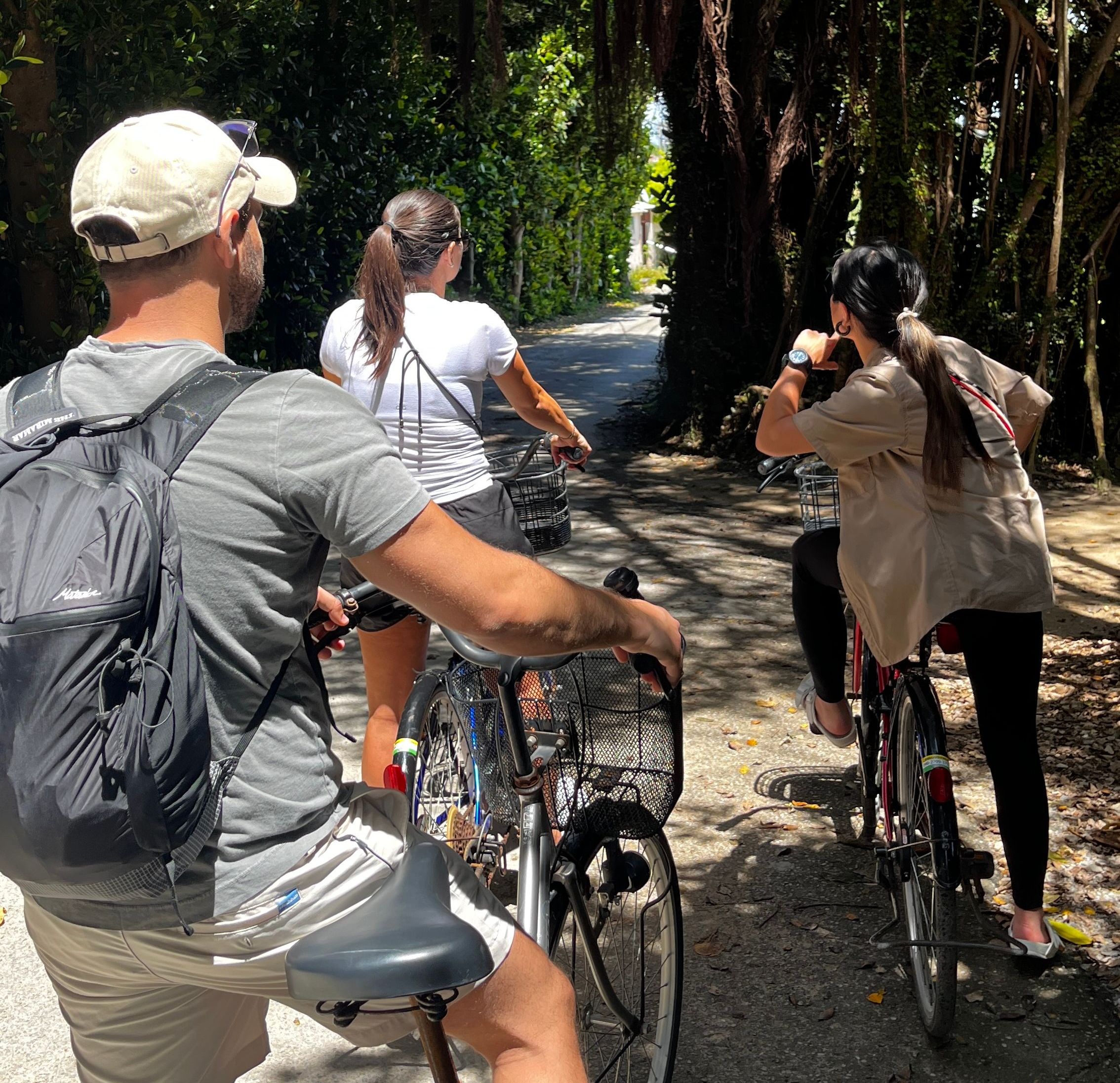
The Kaichu-Doro route in central Okinawa is one of the most visually dramatic rides on Okinawa's main island. The causeway stretches about 5km across open ocean, connecting the Yotsukate Peninsula to Hamahiga Island, with breathtaking 360-degree sea views on all sides.
From there, head west toward Yomitan Village's Yachimun no Sato, a cluster of traditional kilns where local potters still fire Ryukyuan ceramics, and the UNESCO World Heritage Site of Zakimi Castle ruins.
Push further north along the west coast and you'll hit Manza Cape and the scenic diving grounds around Maeda Point, better known as the Blue Cave.
For one of the most iconic rides on any Okinawa bike tour, the Kouri Bridge route is unmissable. The bridge sweeps across the turquoise sea to Kouri Island, offering panoramic views of the coastline and white sand beaches below, a truly idyllic stretch of Japan cycling scenery that feels like paradise.
The Outer Islands: Kume and Miyako
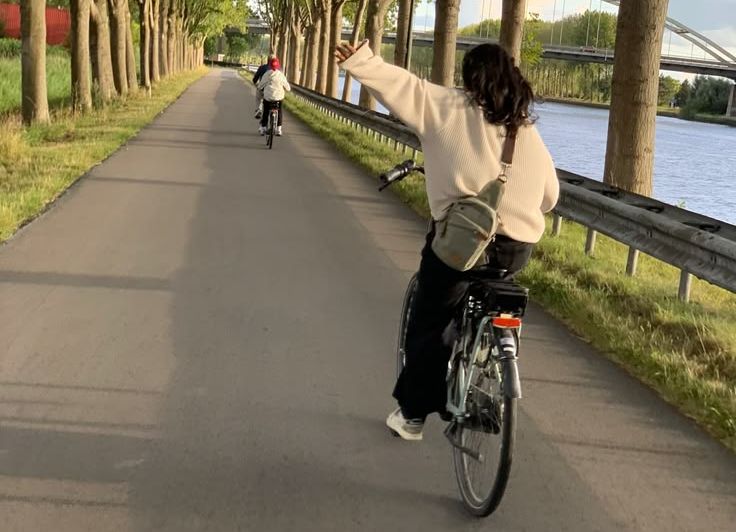
If you're heading to the islands, accessible by ferry from the mainland, both Kume and Miyako reward cyclists. Kume's circumference route winds through hillside sugar cane farms with sweeping ocean views.
On Miyako, a shorter loop around Cape Higashi-Hennazaki takes in the island's wildest cliff-lined coastline and serene seaside landscapes. Island cycling moves at its own pace, slower, quieter, and entirely unhurried.
Which Type of Cycling Tour Suits Your Itinerary?
There's no single right answer, and the good news is that Okinawa caters to everyone from first-timers to serious cyclists. When planning a trip, the main choice is between guided tours, self-guided rental rides, and e-bikes.
Guided Tours
Guided tours are a great fit if you're visiting Okinawa for the first time or simply want local knowledge without the planning. A knowledgeable local guide handles your route itinerary, often with a support vehicle for luggage and mechanical issues.
Evertrail's Northern Okinawa Full Day tour is worth highlighting here, the afternoon takes you through some of the most scenic parts of the island by bike, covering landscapes you simply wouldn't find on a standard itinerary.
Self-Guided Riding
Self-guided riding offers maximum freedom. Okinawa's tourism board and local cycling associations publish detailed route maps, and apps like Velodash make navigation easy. You go when you want, stop when you want, and turn around whenever something catches your eye.
Booking a bicycle rental in advance, especially in peak season, is recommended to secure your preferred model and departure slot. Many rental shops also handle post-tour hotel bookings if you want a seamless end to your day.
E-Bikes
E-bikes are increasingly popular and make hilly terrain and elevation gain much more manageable. In Naha, the Docomo Bike Share system, locally called Chura-Chari, runs a network of electric-assist bikes accessible with a simple smartphone registration. It's ideal for urban exploration around Shuri or when your legs need a break on a longer route. If you want to immerse yourself in the landscape without burning out mid-ride, an e-bike is the answer.
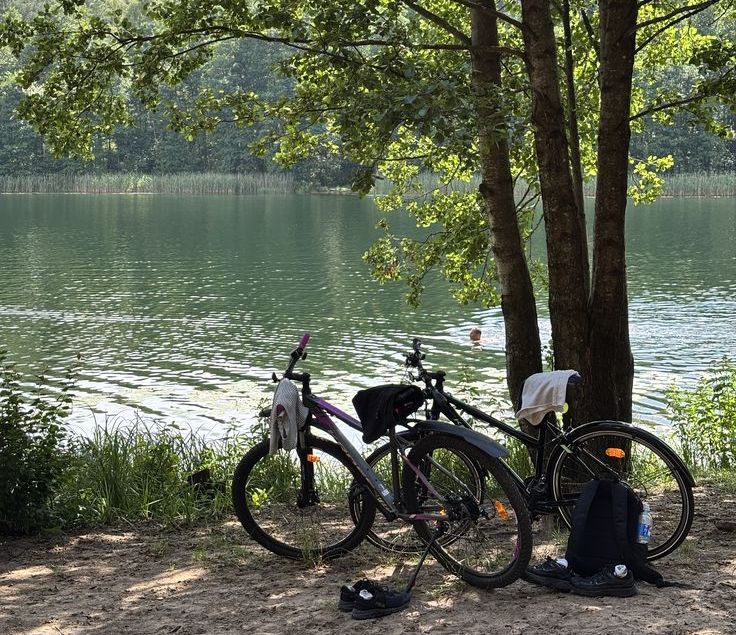
Practical Tips Before You Saddle Up
- Ride on the left side of the road. Pedestrians always have priority on footpaths.
- Wear a helmet : it's strongly recommended, especially on coastal roads with wind.
- Okinawa's subtropical climate means strong UV year-round. Sunscreen, a hat, and regular hydration are non-negotiable.
- Carry a light rain layer : a brief tropical shower can appear without warning even on clear days.
- Ryukyu limestone roads get slippery when wet. Slow down on downhills after rain.
- Always carry lights : mandatory by law after dark.
- Typhoon season runs through summer. Always check forecasts before your departure, and confirm your tour's cancellation policy in advance.
Best Season to Ride
Autumn and winter are genuinely ideal, November through March brings mild temperatures (averaging around 15–20°C), lower humidity, and far fewer crowds on the coastal paths.
Spring can be beautiful too, though the rainy season typically arrives in May.
Summer is warm and vibrant but typhoons are a real consideration, and the heat between July and September can be punishing on longer routes.
For Japan cycling trips that layer beach days with cultural visits to sites like Shuri Castle, autumn is the sweet spot.
Renting a Bike
Rental options have expanded significantly across Okinawa in recent years. Naha's Chura-Chari e-bike network is the easiest entry point for city rides, letting you pedal out from the center and reach Shuri and beyond without breaking a sweat.
For longer excursions, dedicated rental shops near major trailheads stock everything from road bikes to fat-tire bikes designed for off-road coastal terrain.
On the outer islands, ask at the tourist information office on arrival, most have a list of local rentals, and many are within easy reach of the ferry terminal.
In terms of cost, a day's rental typically runs far less than a packaged bus tour. While guided day trips can cost ¥7,300 or more, a bicycle rental often comes in at a fraction of that price, leaving more in your pocket for the shaved ice, Okinawan sea salt ice cream, and chance encounters with local cuisine that make this destination so memorable.
Frequently Asked Questions
Is cycling on Okinawa's main island safe for beginners? Generally yes. Roads are well-maintained and drivers are accustomed to cyclists. Stick to the left side of the road, wear a helmet, and choose flatter coastal routes to start. E-bikes make hilly sections and elevation changes much less intimidating for anyone new to Japan cycling.
Do I need a license to rent a bicycle? No license is required for regular bicycles or electric-assist bikes in Japan. Most rental shops will ask for a form of ID when you sign up. Younger riders are welcome on most bike-share systems too.
Can families with children cycle in Okinawa? Absolutely. Flatter routes like the Kaichu-Doro causeway and parts of the central coast are family-friendly. E-bikes reduce the effort on longer stretches, and many rental shops can provide child seats or smaller-frame bikes on request. The scenery along the way, from white sand beaches to lush tropical forest, keeps younger riders engaged.
What's the best time of year for a cycling trip? November through March is the sweet spot, comfortable temperatures, lower humidity, and thinner crowds. Autumn (October) is also excellent. Summer is doable but the heat and typhoon risk need to be factored carefully into your tour itinerary. Always review the cancellation policy before booking any guided departure during typhoon season.
Two Wheels, One Unforgettable Island
Okinawa isn't a destination to rush through. Its rich history rooted in the Ryukyu Kingdom, coral coastlines, and subtropical village life reveal themselves slowly, the kind of slowly that only a bicycle allows. Whether you set out on a full Okinawa bike tour across the island's major sites, cross the Kouri Bridge to Kouri Island, or simply pedal along the Naha waterfront for an hour, you'll see a side of Okinawa that the tour bus window never could. That's an unforgettable experience, and it's waiting for you.
Evertrail Tours · May 5, 2026