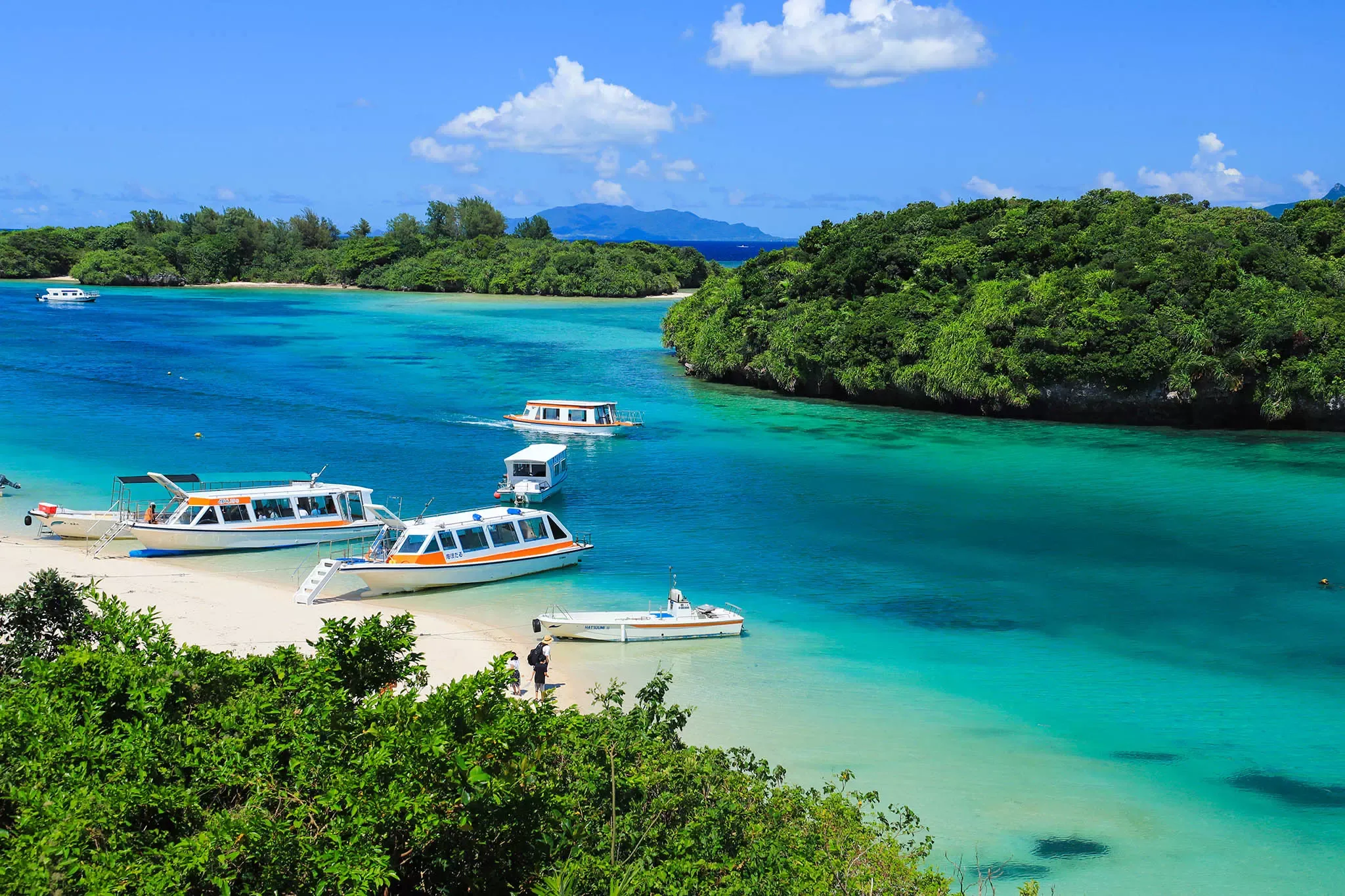
The Best Hiking Trails in Yanbaru National Park, North Okinawa
Your complete guide to trekking through Japan's subtropical jungle, from family-friendly waterfall walks to full-on river adventures across Okinawa's main island.
6 trails covered · All skill levels · Practical tips included
The Best Hikes in Okinawa's Yanbaru National Park, Trail by Trail
1. Hiji Waterfall (Hija Otaki) : The Classic Waterfall Hike
Difficulty : Easy to Moderate
Total Distance : ~3 km (round trip)
Duration : 1.5 - 2 hrs
Guide Required : No (optional)
Entry Fee : ¥500 (2025)
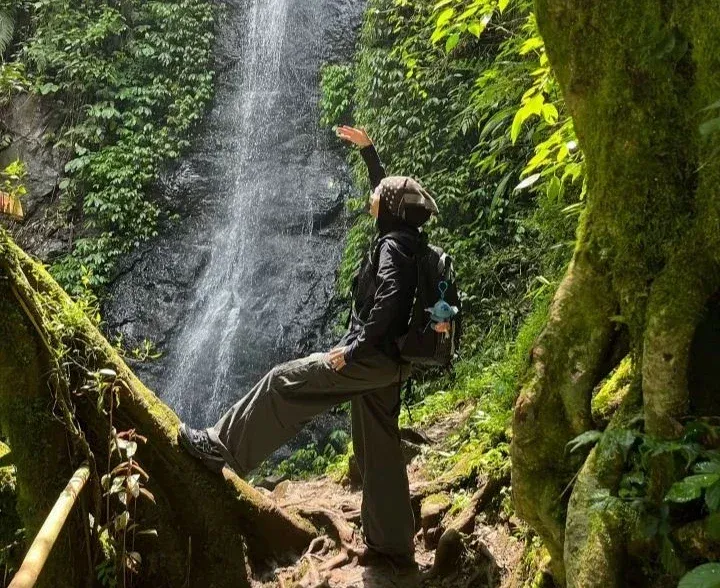
Yanbaru and for good reason. At 25.7 meters tall, Hiji is the highest waterfall on Okinawa's main island, and the walk to reach it is truly beautiful. The path winds through dense jungle filled with ferns, tropical flowers, and the soundtrack of birdsong. The lush scenery along the way is absolutely breathtaking, and the jungle atmosphere alone makes the excursion worthwhile even before you reach the falls.
The route is about 1.5 km each way along a well-maintained boardwalk trail. There are some stairs and short uphill sections, but nothing too demanding. Along the way, you'll cross a 50-meter suspension bridge that hangs 17 meters above a forested gorge,a highlight on its own. The area around the falls has toilets, showers, and a campground, making it one of the more comfortable starting locations for first-time visitors.
The trail is clearly signposted, so a guide isn't strictly necessary. That said, joining a guided tour adds a layer of depth, you'll learn about local plants and local nature, why certain trees look the way they do, and what to listen for in the forest. If you're a nature enthusiast, it's highly recommended. Many travelers who have reviewed the experience on Tripadvisor note that a guided walk transforms what might otherwise be a simple trek into an unforgettable outing.
Practical tip: Wear long sleeves and long trousers, not just for sun protection, but because the forest has mosquitoes and ticks, especially from June through September. Grippy footwear is a must; the path gets slippery when wet. Check cancellation policies with your tour operator before booking, as the trail closes during typhoons and heavy rain events.
2. Taa Waterfall (Ta Falls) : The River Adventure
Difficulty : Advanced
One-Way Distance : ~1.3 km
Duration : 1.5 - 2 hrs total
Guide Required : Yes, essential
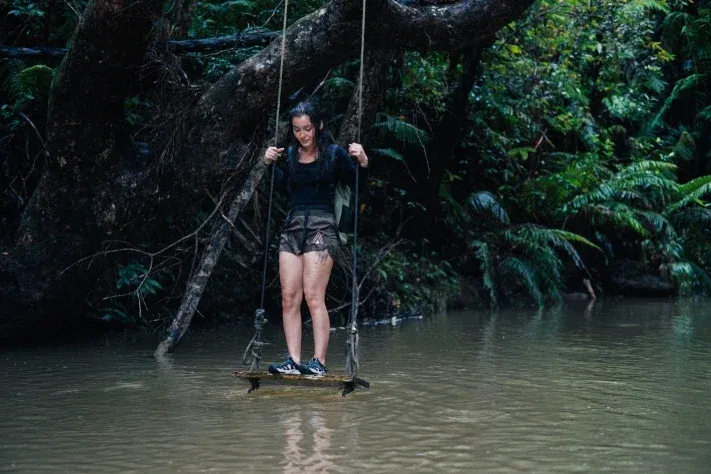
If the Hiji trail is Yanbaru's gentle introduction, the Taa Waterfall trek is its most exciting chapter. This is a proper river trek, you're wading through streams, clambering up rocks with the help of ropes, and navigating a subtropical canyon that opens up into a stunning 10-meter waterfall and natural swimming pool at the end. It's a chance to swim at the foot of a stunning waterfall deep inside the jungle, an amazing experience that very few travelers get to enjoy.
The route runs along the Heiranagawa River in Ogimi Village. It's only about 1.3 km one way, but the terrain makes it a serious undertaking. The riverbed is rocky and slippery, the water can be cold, and the section of rope-assisted climbing before the main falls takes real physical effort. This is not a trail for weak swimmers, those with limited mobility, or anyone who underestimates the terrain. You will get wet, plan accordingly.
A certified guide is not optional here, it's non-negotiable. Local tour operators specializing in river trekking provide all the necessary gear: wet suits, helmets, life jackets, and felt-soled river shoes. They also make the call on whether conditions are safe. If rainfall has been heavy or river levels are elevated, trips are postponed without exception. Always confirm cancellation and rebooking policies at the time of booking.
Practical tip: Book through a licensed local guide company and trust their weather judgement. Pack your valuables in a waterproof dry bag, your phone will get wet if you're not careful. Water temperatures drop significantly in winter, making the wetsuit non-negotiable from November through March.
3. Yanbaru Forest Guided Walk : Into the Jungle
Difficulty : Easy to Moderate
Distance : 0.65 km – 1.5 km+
Duration : 15 min – 4 hrs
Guide Required : Recommended
For those who want to enjoy nature deep in Yanbaru's jungle without the drama of river crossings, guided forest walks are the perfect middle ground. Several operators and nature parks offer immersive hiking experiences through the subtropical woodland, with options ranging from a 15-minute paved stroll to a full four-hour interpretive tour.
The Yanbaru Learning Forest (やんばる学びの森) in Kunigami Village, near Nago, is one of the best bases for this. It offers two main self-guided trails, a gentle 650-meter loop along paved paths, and a more natural 1.5 km route with wooden boardwalks that follows stream-side terrain. Guided tours extend the experience considerably, covering the unique ecosystem and rare endemic species like the Okinawa Rail (Yanbaru Kuina), the Okinawa Woodpecker, and native giant ferns. The flora and fauna on display here are superb, this is the kind of Okinawan wildlife encounter that simply doesn't exist anywhere further south.
Night hikes are also available through some operators, a completely different experience that reveals a hidden nocturnal world of frogs, insects, and forest sounds. Some tours combine the forest walk with kayaking or canoe activities on nearby rivers, or even mangrove paddling excursions, for a full day in nature.
Practical tip: Even on short walks, bring insect repellent and enough water. Vending machines are often unavailable at trailheads. If you're hoping to spot the Okinawa Rail, go early in the morning and move quietly, they're notoriously shy.
4. ASMUI (Daisekirinzan) : Sacred Limestone Rocks and Ancient Forest
Difficulty : Easy, All Ages
Total Distance : ~2.7 km
Duration : 2 - 3 hrs
Guide Required : No (audio guide included)
Entry Fee : ¥2,500 (age 15+)
ASMUI, formerly known as Daisekirinzan, sits at Okinawa's northern tip and feels like stepping into a different era. The landscape here is the result of 250 million years of geological history: massive limestone karst formations rise from the forest floor, twisted banyan trees drape across sacred stone altars, and traditional Ryukyuan worship sites called "utaki" sit quietly among the rocky cliffs. It is a park area of genuine historical and geological significance, and one of the best hikes in Okinawa for travelers who want both scenery and substance.
The park covers roughly 2.7 km of well-maintained walking paths that are genuinely accessible to most visitors, including wheelchair-accessible routes. Entry includes a Japanese/English audio guide and a shuttle bus service, you can explore at your own pace. The combination of natural wonder and cultural history makes this one of the most rewarding stops in all of Okinawa Prefecture, and it's particularly suitable for families with younger children or visitors who prefer a more relaxed pace.
There's also a chance of spotting the Okinawa Rail or other endemic wildlife along the forested sections of the route. The park opens on a seasonal schedule, so check the official website before booking your visit.
Practical tip: ¥2,500 may feel steep compared to other trails, but the audio guide, shuttle, and quality of the experience make it genuinely worthwhile. Arrive early, the park area is most peaceful in the morning hours before tour buses arrive.
5. Mt. Hedohana (Asumui) & Cape Hedo Trails
Difficulty : Moderate to Advanced
Mt. Asumui Distance : ~0.5 km
Duration : 30 - 40 mins
Guide Required : No (self-responsibility)
The Cape Hedo area, Okinawa's northernmost point, offers a few very different experiences depending on how adventurous you're feeling. Mt. Asumui is a short but intense scramble up a rocky peak adjacent to ASMUI park. Ropes and chains assist the steep ascent, and the whole climb takes around 30 minutes. The view from the top, looking out over Cape Hedo and across the sea toward Kagoshima's islands, is gorgeous and completely worth the effort. On a clear day, the scenery is highly recommended even by experienced hikers who have tackled trails across the Yaeyama islands and as far as Iriomote Island.
This trail is unofficial and requires good footwear, caution after rain (the rocks get dangerously slippery), and awareness of habu snakes, which are native to Okinawa. It's a route for adventurous and experienced hikers only.
For something far more relaxed, the 1.4 km walk along the Sai-on Pine Grove, a historical pine plantation dating to 18th-century Ryukyuan royal times, leads to a quiet lookout point with views of Cape Hedo and the ASMUI landscape. It's flat, beautifully shaded, and a lovely alternative for those who want scenery without the vertical challenge.
Practical tip: If you're tackling Mt. Asumui, wear solid hiking boots with ankle support and bring gloves for the rope sections. Avoid the summit trail in wet or rainy conditions, it becomes genuinely dangerous. The pine grove walk pairs perfectly with a visit to ASMUI on the same day.
Trail Overview at a Glance
Hiji Waterfall is an easy to moderate 3 km round trip taking around 1.5 to 2 hours, well suited to families and beginners. A guide is optional.
Taa Waterfall river trek is a one-way 1.3 km advanced route taking 1.5 to 2 hours, best for adventure seekers. A guide is essential.
Yanbaru Forest Walk ranges from 0.65 to 1.5 km and anywhere from 15 minutes to 4 hours depending on how far you go. Easy to moderate, ideal for nature and wildlife lovers. A guide is recommended.
ASMUI (Daisekirinzan) is an easy 2.7 km loop taking 2 to 3 hours, suitable for all ages and particularly good for those interested in culture and landscape. An audio guide is included.
Mt. Asumui scramble is a short but high-difficulty route of around 0.5 km, taking 30 to 40 minutes. Best for experienced hikers and fully self-guided.
Sai-on Pine Grove is an easy 1.4 km walk taking 30 to 60 minutes, open to anyone and especially good for photography. Self-guided.
.webp)
What to Wear, Pack, and Know Before You Go
Yanbaru's subtropical climate means trail conditions can change fast. Here's what experienced hikers recommend for every outing in the region:
Clothing Long sleeves and long trousers are non-negotiable, even in heat. They protect against sun, mosquitoes, and ticks. A lightweight, quick-dry fabric works best. Always bring a waterproof rain layer; downpours can appear with little warning.
Footwear For most forest hiking trails, a sturdy pair of trail runners or light hiking boots is ideal. For the Taa Waterfall river trek, felt-soled river shoes are the official recommendation, they grip algae-covered rocks far better than rubber soles.
Hydration & Food In summer, plan for at least 1 litre of water per person per hour of hiking. Many trailheads have no vending machines or cafes nearby. Pack energy snacks and carry more water than you think you'll need.
Sun & Bug Protection Apply a high-SPF sunscreen before setting out and reapply often. A hat is essential. Strong insect repellent is equally important, the forest mosquitoes and occasional ticks are a real concern, particularly from June through September.
Safety Essentials Always carry a charged mobile phone, a small first aid kit, and a spare set of dry clothes. Let someone know your trail plan and meeting point before heading out, and avoid solo hiking on unmaintained routes like Mt. Asumui.
Wildlife Awareness Yanbaru is habu snake country. Watch where you step and never put your hands into crevices or under rocks. Stay on marked paths and follow any local guidance from your tour operator.

Best Time to Hike in Yanbaru
Yanbaru is accessible year-round, but conditions vary significantly by season.
October – December
Widely considered the best season for Okinawa hiking. Humidity drops, temperatures cool to a comfortable 18–24°C, and the forest is at its most vibrant. Typhoon season is over and trail conditions are generally at their best.
January – March
Cooler and quieter. Some trails may be muddy after winter rains, and the Taa river trek becomes cold without a wetsuit. On the upside, crowds are minimal and the forest feels particularly still and atmospheric.
April – May
Brings the rainy season (tsuyu), with heavy intermittent rainfall that can make trails slippery and river levels unpredictable. Check forecasts carefully and be prepared to adjust plans.
June – September
Hot, intensely humid, and coincides with typhoon season. Hikes are still possible, and the jungle is extraordinary, but heat exhaustion is a real risk. Start early, hydrate aggressively, and always check storm forecasts. River treks may be suspended with little notice.
.webp)
How to Reach Yanbaru from Naha
Yanbaru sits roughly 100 km north of Naha, the island's capital.
Rental Car By far the most practical option. The drive from Naha takes around 2 to 2.5 hours via the Okinawa Expressway, passing through Nago before heading further north into the national park. A car gives you the flexibility to visit multiple trailheads and stops at your own pace, which is the only real way to explore this region properly.
Bus A direct route connecting Naha to Kunigami Village has been running since 2023, and occasional tourist bus services operate on weekends. However, routes are infrequent and don't reach many of the trailheads directly. If you're travelling without a car, joining an organized tour that includes transport from a central meeting point is the most stress-free solution.

Frequently Asked Questions
How difficult is the Hiji Waterfall hike?
The Hiji Waterfall trail is considered easy to moderate. The round-trip distance is about 3 km, with a walking time of roughly 1.5 to 2 hours for most adults. There are some stairs and gentle inclines, but the path is well-maintained throughout. It's suitable for families with children of primary school age and above, and for most fitness levels. The trail gets slippery when wet, so proper footwear is important regardless of the season.
Do I need a guide for the Taa Waterfall river trek?
Yes, a licensed guide is essential, not just recommended. The route involves crossing rivers, climbing rocks using ropes, and navigating terrain that can change dangerously with rainfall. Local guide companies provide all required equipment (helmets, life jackets, wet suits, river shoes) and make safety calls about whether conditions are suitable on the day. Always review the operator's cancellation policy before booking. Attempting this route independently is strongly discouraged.
What should I wear for hiking in Yanbaru?
Long sleeves and long trousers are recommended for all Yanbaru hikes, they protect against intense sun, mosquitoes, and ticks. Layer a lightweight waterproof jacket on top for unexpected rain. For footwear, sturdy trail runners or light hiking boots work for most trails. If you're doing the Taa river trek, felt-soled river shoes are required. Bring insect repellent, a hat, sunscreen, and plenty of water regardless of which trail you choose.
Is ASMUI (Daisekirinzan) worth the entry fee?
For most travelers, yes. The ¥2,500 entry fee includes access to 2.7 km of beautifully maintained trails through a UNESCO-listed karst landscape with stunning limestone formations, a multilingual audio guide, and a shuttle bus. The combination of geological wonder, endemic wildlife sightings, and Ryukyuan cultural heritage makes it one of the best hiking experiences in Okinawa Prefecture. It's particularly good value for families, older visitors, and anyone who wants natural scenery paired with cultural context. Check Tripadvisor reviews for first-hand accounts from recent visitors.
What is the best time of year to hike in Yanbaru?
October through December offers the most comfortable conditions for best hiking, lower humidity, cooler temperatures, and minimal typhoon risk. Spring (March to May) is also pleasant, though the rainy season from around May through June can bring heavy rainfall and slippery conditions. Summer (July to September) is hot and humid with typhoon risk, but hikes are still possible with early starts and proper hydration. Winter months are quiet and scenic but can be cold on the river trek without a wetsuit.
Can I get to Yanbaru without a rental car?
It's possible but challenging. Bus services connect Naha to Kunigami Village, and weekend tourist bus routes have expanded in recent years. However, most trailheads are not directly accessible by public transport. The most practical alternatives are joining an organized tour that includes transfers from a central meeting point, or staying overnight in the Yanbaru area to explore across multiple days at a relaxed pace.
Are there dangerous animals in Yanbaru?
The main wildlife concern is the habu, a venomous pit viper native to Okinawa. Habu are most active at night and in cooler weather, and bites are rare but serious. Stay on marked trails, avoid reaching into rock crevices or dense undergrowth, and wear appropriate footwear. Always follow any wildlife guidance provided by your tour operator or trailhead signage.
Want to visit Yanbaru with someone who actually knows it? Hit the button below.
Evertrail Tours · May 5, 2026