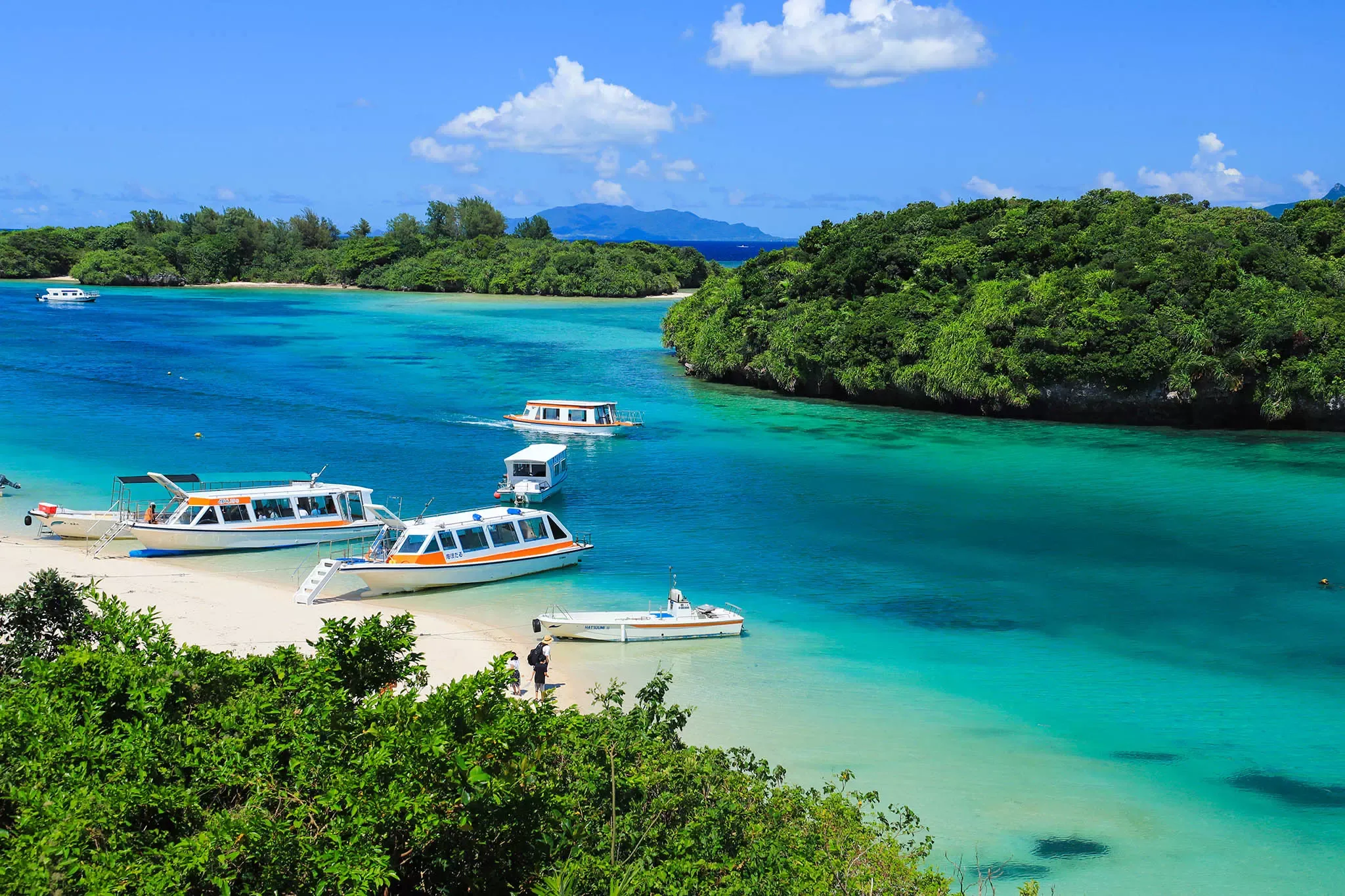
Planning a trip to Okinawa? You're in for one of the best travel experiences Japan has to offer, turquoise water, stunning coral reefs, and a laid-back island culture that feels worlds away from Tokyo. But a japan trip to Okinawa Prefecture is also one of the most misunderstood trips to plan.
A lot of first-time visitors treat it like a city trip. They assume they can show up, figure things out on the ground, and book activities as they go. Then they land at Naha Airport and discover the rental car they needed is sold out, the ferry to the islands they wanted to visit is full, and the snorkeling tour that looked amazing online has been booked out for two weeks.
The good news? With a little know-how, a trip to Okinawa is incredibly easy to plan well. You just need to know what actually needs to be locked in ahead of time, and what's totally fine to leave open.
Here's the honest breakdown.
The #1 Thing Most Travelers Get Wrong: Getting Around Okinawa
Let's start here, because this is where Okinawa bookings live or die.
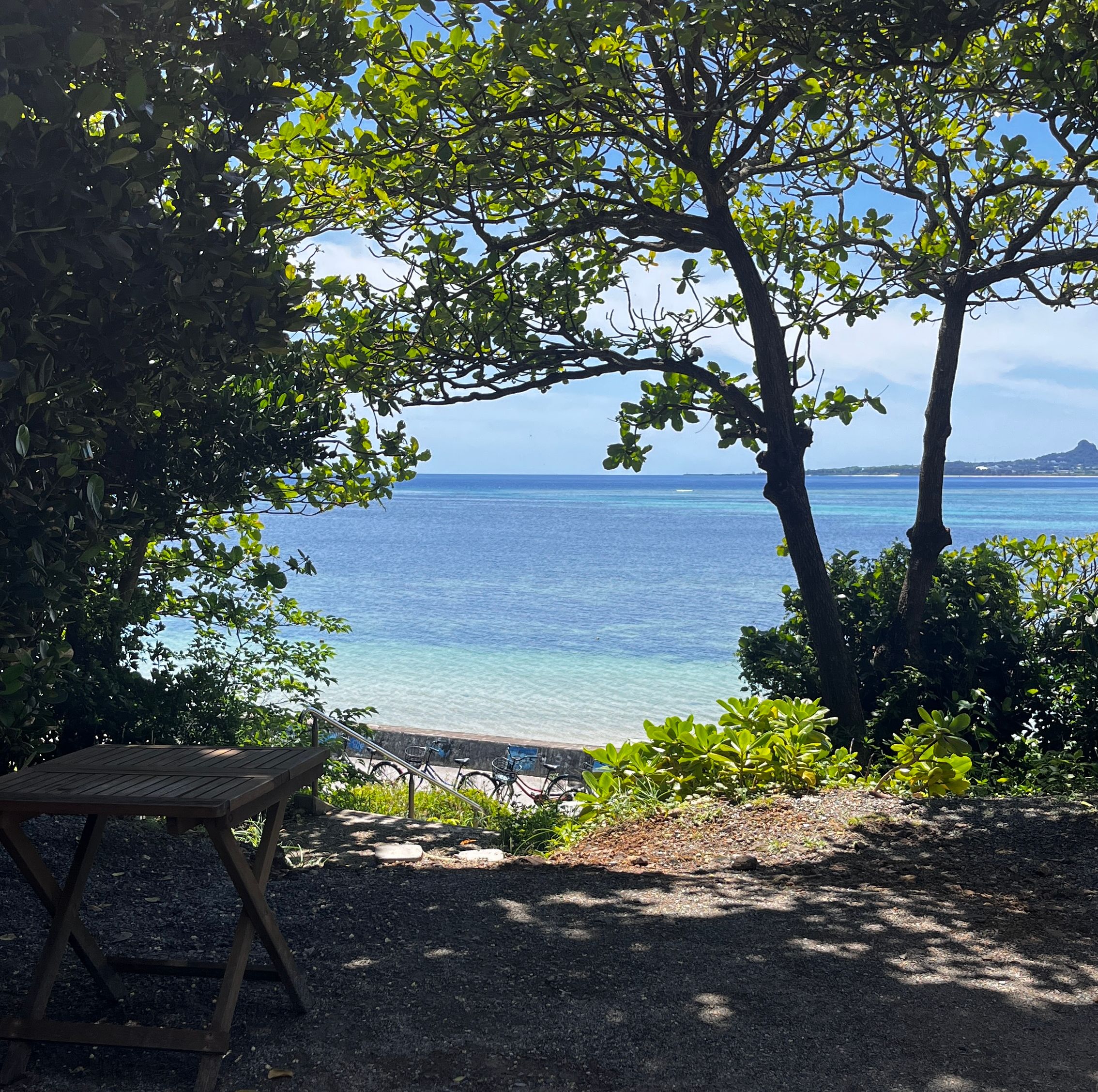
Outside of Naha, Okinawa's public transport is limited and slow. Buses exist, but they don't run frequently, they don't reach most of the best spots in Okinawa, and they'll eat up hours of your trip. If you want to explore the Okinawa main island properly, the north, the east coast, the quieter beaches, you need a car. Getting around Okinawa without one is genuinely restrictive, especially if you want to move between southern Okinawa, central Okinawa, and northern Okinawa in a single trip.
The problem is that rental car supply in Okinawa is genuinely finite. During Golden Week (late April to early May), summer holidays, and long Japanese weekends, cars can be completely sold out across the entire island. Automatic vehicles, what most international travelers need, including those with an international driving permit, go first and fastest.
Book your rental car 1 to 3 months in advance. This isn't cautious advice. It's the difference between having a great trip and spending your vacation stressed out trying to find alternatives. You can reserve online through major booking platforms or directly with local rental companies, either way, don't leave it late.

Accommodation: Book Early to Stay in Okinawa's Best Spots
Okinawa has everything from international resorts to tiny guesthouses to quirky vacation rentals. The range is great. The availability, during peak times, is not.
Beachfront properties, places with direct ocean access, and anything with a reputation fill up fast. Popular areas like Chatan, known for its American Village and coastline, and resort zones around Onna tend to go especially quickly. If you're traveling during Golden Week or the summer months, even mid-range options go quickly.
The rule of thumb: Make a reservation 1 to 3 months before your trip if you want to stay in Okinawa's best-located properties. If you have a specific place in mind, especially anything on or near the water, don't wait.
Off-season travelers have more flexibility here, but even then, the best spots book up on weekends.

Getting to the Kerama Islands: Don't Leave This to Chance
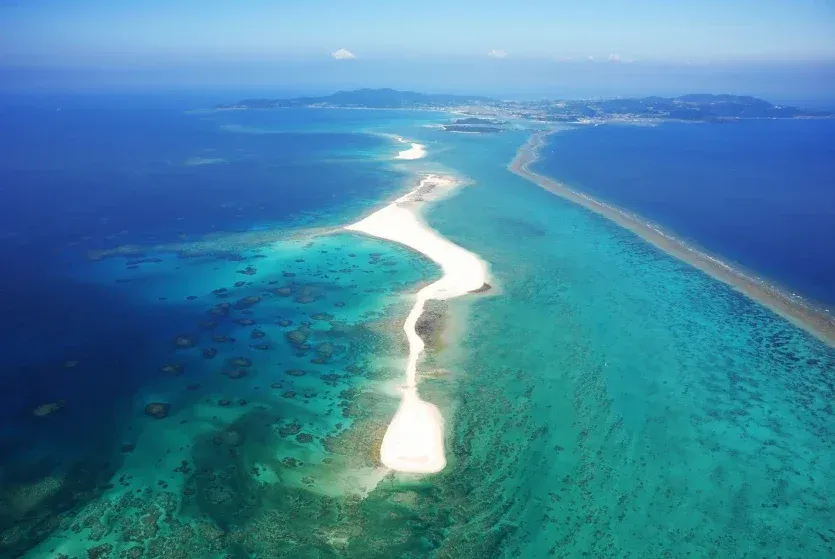
The Kerama Islands, Zamami, Tokashiki, and a few smaller islands nearby, are arguably the highlight of any travel to Okinawa. The water there is genuinely some of the clearest in all of Japan. But getting there requires a ferry, and those ferries have real constraints that catch travelers off guard.
There are only a handful of departures per day. Capacity is fixed. Morning ferries, which give you the most time on the island, are the most competitive. During peak months, same-day tickets are often completely unavailable, and return tickets can sell out before you've even departed. Tickets go on sale in advance, and they move fast, booking your trip out to the Kerama Islands two weeks in advance or more is strongly recommended in high season.
There's also the weather factor. Ferries get canceled due to strong winds, high waves, and typhoons. This is just part of life in Okinawa Prefecture, and it's not something any amount of advance booking can fully protect you from. What you can do is build buffer days into your itinerary so a cancellation doesn't derail your whole trip.
We recommend booking ferry tickets at least 2 weeks ahead during peak season. And give yourself a backup day in case the weather doesn't cooperate.
Snorkeling and Diving Tours: High Demand, Limited Spots in Okinawa
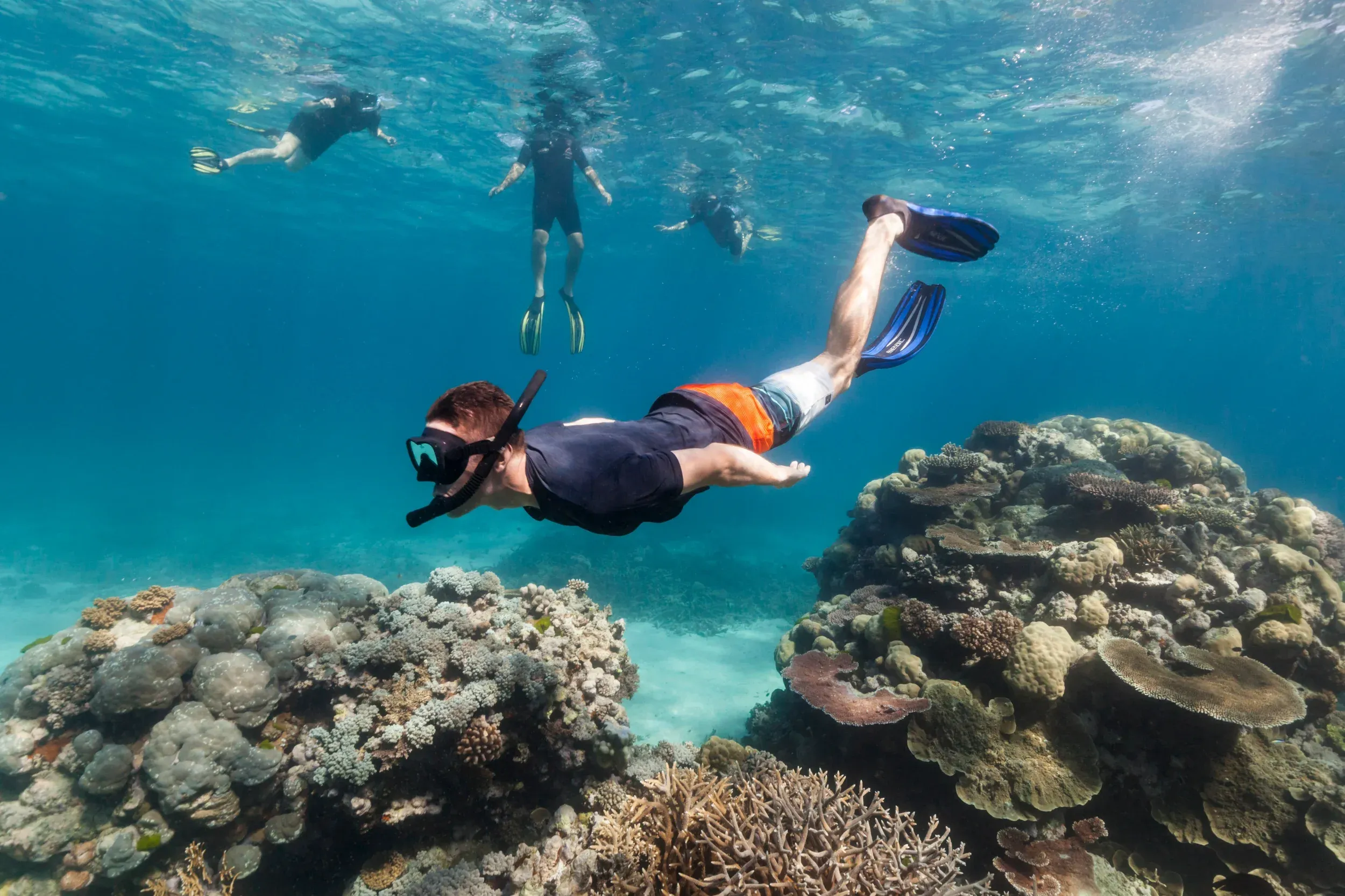
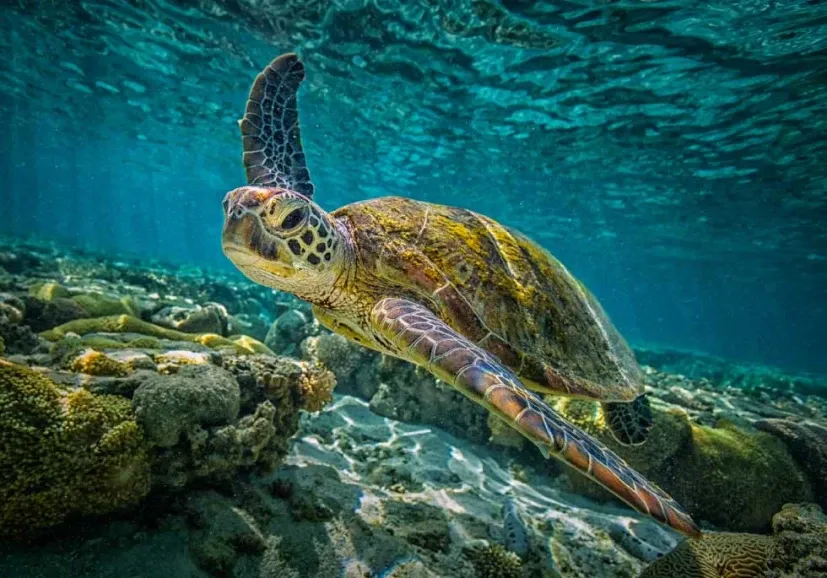
Okinawa's marine life is extraordinary, and everyone wants a piece of it. The problem is that most reputable tour operators run small groups, both for safety reasons and to minimize reef impact, and many only run one or two trips per day.
The Kerama Islands tours and the famous Blue Cave near Onna are the most competitive spots in Okinawa for marine activities. These aren't "show up and get a spot" situations during high season. They're "booked out a week ago" situations. You can often reserve online through platforms like Klook, which aggregates a solid range of Okinawa tour options, or book directly with operators.
Aim to book snorkeling and diving tours 1 to 2 weeks ahead in peak season. If you're traveling in summer or over a holiday period, closer to two weeks in advance is safer.
One exception: there are enough operators running tours around the Okinawa main island that last-minute spots do sometimes open up. It's just not something you want to count on.
Whale Watching: Small Window, High Demand
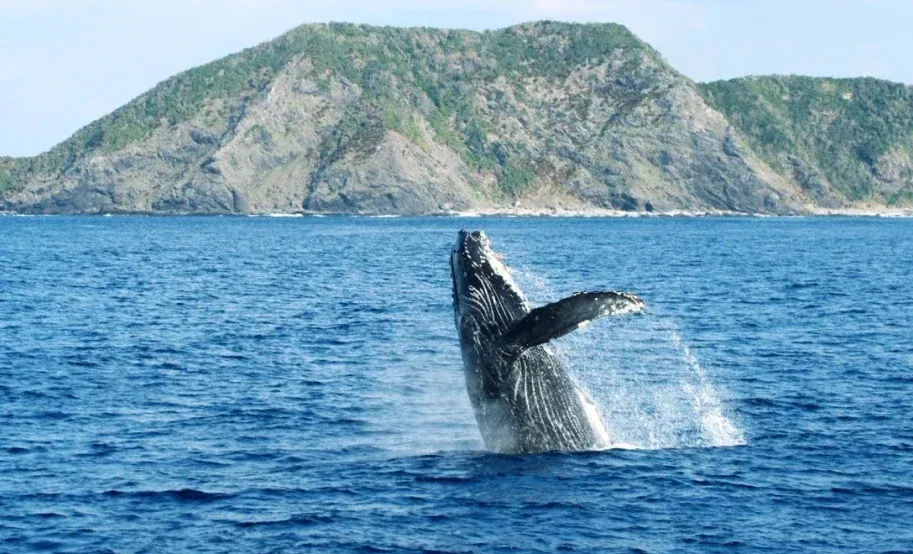
If you're visiting between January and March, whale watching in Okinawa is a genuinely special experience, and one of the most fun things to do during the quieter winter months. Humpback whales pass through the waters around Okinawa Prefecture during this limited time each year, and there are boat tours that take you out to see them up close.
The catch is that the season is short, the number of boats is limited, and domestic tourism generates a lot of demand, especially on weekends. This is one of those experiences where last-minute availability is rare, and it's a must for tourists visiting in winter.
Book whale watching tours as early as possible, ideally 60 days in advance if you're visiting on a weekend. You can click here to book directly with operators, or use platforms like Klook that list available dates year-round.
What You Don't Need to Stress About
Here's the other half of the equation, and it's just as useful: plenty of fun things in Okinawa don't need to be booked in advance at all.
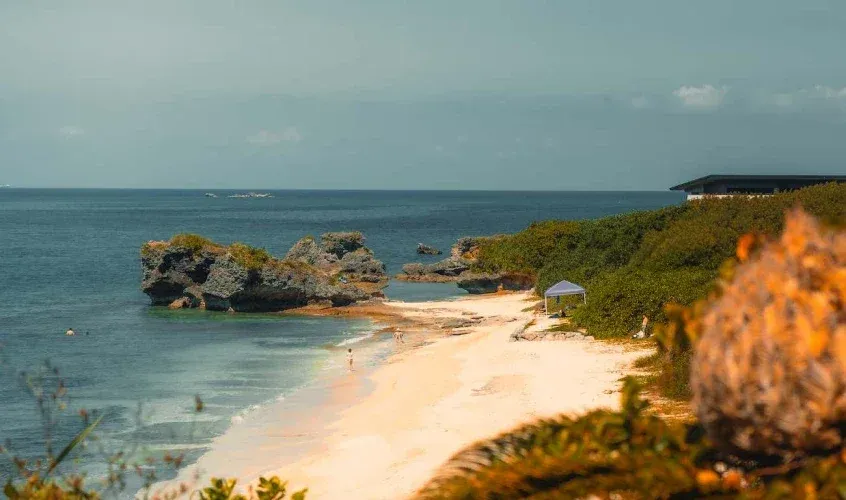
Beaches are abundant and free. There's no reservation system, no queue, and no shortage. Okinawa has more beautiful beaches than you'll be able to visit in most trips.
Casual restaurants and cafes are plentiful around Okinawa. Unless you've got your heart set on a specific high-end restaurant or a well-known spot with a reputation for lines, you can almost always find somewhere great to eat without a reservation. Even iconic local food like Okinawa soba is widely available at casual spots that welcome walk-ins.
Flexible outdoor activities, kayaking, stand-up paddleboarding, mangrove tours, generally have more operators and more availability. These are good candidates for booking a day or two out, based on weather and how you're feeling.
Overbooking your itinerary with things that don't need booking doesn't make your trip safer. It just removes the flexibility that makes travel in Okinawa so enjoyable.
The Weather Factor (And Why Flexibility Always Wins)
Okinawa has a rainy season from roughly May into June, and typhoon season runs from July through October. Neither of these makes Okinawa a bad destination during those months, the rainy season is often overstated, and summer is still spectacular, but they do mean your travel plans can change.
Typhoons can cancel flights from Naha Airport and ferries alike. Strong winds can shut down marine activities even on otherwise sunny days. Ocean visibility varies, which affects diving and snorkeling quality across Okinawa Prefecture.
Experienced Okinawa travelers build this in from the start. They lock in the essential bookings, leave 30 to 50 percent of their itinerary open, and decide on weather-dependent activities a day or two in advance based on actual conditions. The result is a trip that feels relaxed rather than frantic.
-1.webp)
A Practical Booking Timeline
If you want a simple framework for booking your trip to Okinawa, here it is:
1 to 3 months before your trip:
- Rental car (do this first, above everything else)
- Accommodation
- Flights into Naha Airport on Okinawa 2 to 4 weeks before:
- Ferry tickets to the Kerama Islands
- Snorkeling and diving tours
- Whale watching (if January–March) A day or two before:
- Weather-dependent activities
- Kayaking, SUP, mangrove tours
- Any other flexible experiences
Don't Underestimate the Size of the Island
One more thing that catches first-timers off guard: Okinawa is bigger than it looks on a map. Driving from southern Okinawa up through central Okinawa to northern Okinawa can take two to three hours, and traffic near Naha can be heavy. If your itinerary has you bouncing from one end of the island to the other every day, you're going to spend a lot of your time in Japan stuck in a car rather than enjoying it.
Plan your days geographically. Group things that are near each other. Give yourself more time than you think you need. And if you're also considering extending your japan trip to include other destinations like Ishigaki or the outer islands, build in separate travel days for those.
Frequently Asked Questions
Do I really need a rental car in Okinawa?
For most travelers, yes. Outside of Naha, public transport is sparse and slow. If your plan is to explore beaches, visit northern Okinawa, or get off the main tourist trail, a car is essentially required. The monorail in Naha is useful, but it only covers a small slice of the island. Make sure you have a valid international driving permit before you travel.
When is the best time to visit Okinawa?
March to May (before the rainy season) and October to November are widely considered the sweet spots, warm, clear water, manageable crowds, and lower typhoon risk. Summer is beautiful but comes with humidity, peak crowds, and typhoon season. January to March is quieter and great for whale watching, though the water is cooler.
Can I visit the Kerama Islands as a day trip?
Yes, and it's one of the best day trips you can do from Naha. The ferry from Tomari Port takes roughly 50 to 90 minutes depending on which island you're heading to. Just make sure to book both your outbound and return tickets in advance during peak season, return ferries fill up too. Click here to book ferry tickets before they sell out.
What happens if a typhoon hits during my trip?
It's unlikely, but if one does pass through between July and October, expect a day or so of canceled ferries, grounded flights, and closed outdoor activities. They typically clear within 24 to 48 hours. Travel insurance and a flexible itinerary are all you really need.
Is Okinawa expensive?
Compared to Tokyo, Okinawa is relatively affordable, especially for food and local experiences. The costs that add up are the rental car, accommodation (especially beachfront options), and ferry tickets. Budget travelers can do well by staying in guesthouses, eating at local spots, and focusing on free beaches.
How many days do I need in Okinawa?
A minimum of five to seven days gives you enough time to explore the Okinawa main island and do a day trip to the Kerama Islands. Ten days or more lets you slow down, visit multiple islands, and actually feel the pace of island life rather than rushing through a checklist.
Do I need to speak Japanese?
Not fluently, but a few basic phrases go a long way. In tourist areas and larger hotels, English is manageable. Out in the countryside and at smaller local spots, signage and menus may be Japanese-only. Google Translate with the camera function is your best friend in those moments.
What should I pack for Okinawa?
Reef-safe sunscreen (regular sunscreen is banned at many beaches and dive sites to protect the coral), a rash guard or wetsuit for snorkeling, light breathable clothing, and a rain layer. If you're visiting during typhoon season, pack for the possibility of a day or two stuck indoors.
Planning a trip to Okinawa? The single best thing you can do right now is rent a car and book your accommodation. Everything else can follow from there.
Evertrail Tours · May 3, 2026