Introduction
The battle of okinawa (Operation Iceberg) was the last major battle of the Second World War in the Pacific and one of the most devastating for civilians. Today, southern Okinawa preserves that history through memorial landscapes and museums designed for mourning, education, and peace building, not spectacle.
This article explains the battle of okinawa history, why it remains central to Okinawan identity, and how travellers can visit key battle of okinawa sites respectfully. It focuses in particular on Peace Memorial Park, including the Cornerstone of Peace and the Okinawa Prefectural Peace Memorial Museum, as well as the Himeyuri Peace Museum and the Former Japanese Navy Underground Headquarters.
What was the Battle of Okinawa?
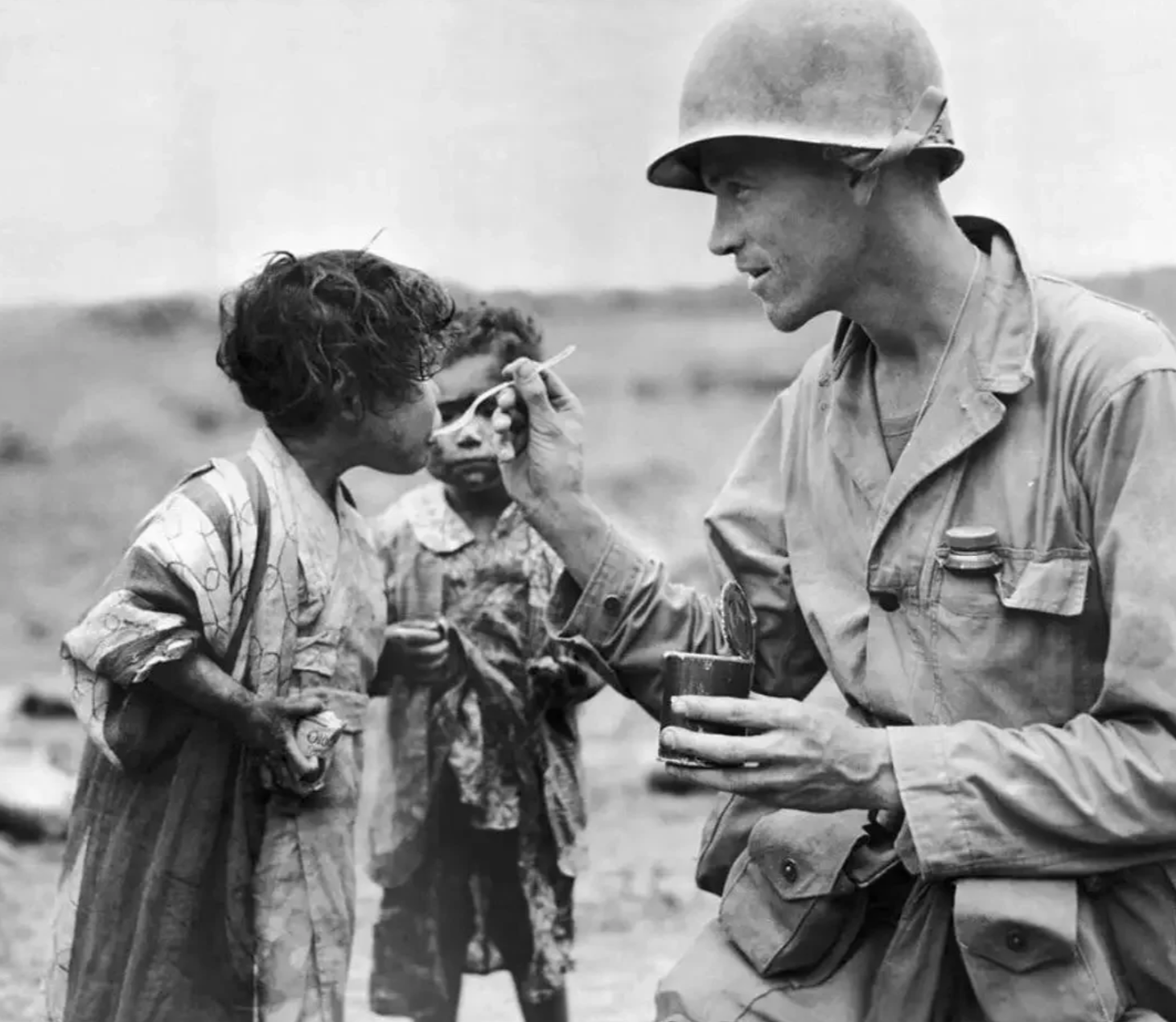
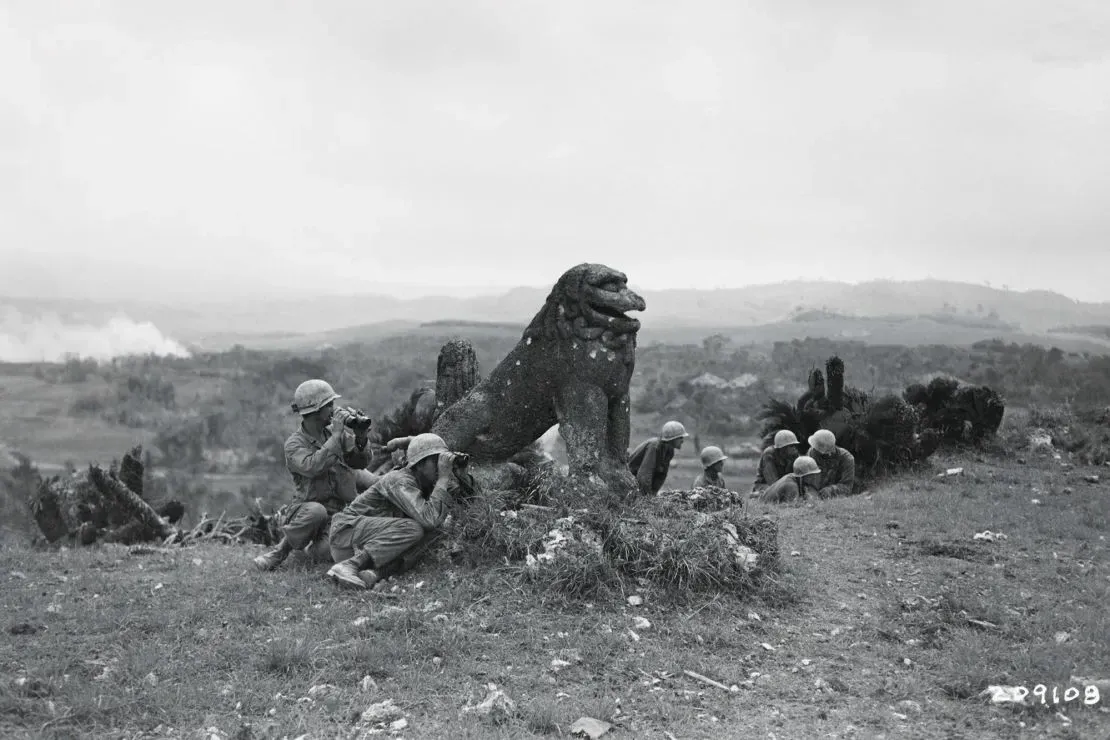
The battle of okinawa was a massive Allied amphibious campaign to take Okinawa as a forward base, fought from 1 April 1945 into late June, and remembered for the scale of combined land, sea, and air combat and the catastrophic civilian toll.
A short, verified overview
Allied forces, including the U.S. Tenth Army, landed on 1 April 1945 and initially advanced with relatively limited opposition before encountering deeply prepared Japanese defences, especially in the south.
Several battle milestones are widely documented in major historical references:
- Shuri became the central defensive zone in the south, with fighting tied to the defence network around Shuri Castle. The castle area fell to U.S. forces on 29 May 1945.
- U.S. Marines later seized the Naha airfield through an amphibious assault beginning 4 June 1945.
- Suicide air attacks, or kamikaze, began during preliminary operations on 26 March 1945 and continued into June, severely damaging Allied shipping.
Casualties and why numbers vary
In the aggregate, the battle produced enormous casualties. One widely cited museum grade historical overview estimates more than 49,000 American casualties, including more than 12,000 deaths, about 90,000 Japanese combatants dead, and Okinawan civilian deaths that may have reached 150,000.
Estimates differ across sources because they may count different categories, such as killed versus wounded, civilians versus combatants, missing, or deaths during subsequent months, and use different documentation. For visitors, the key point is not a single perfect number, but the documented reality that the civilian loss was immense and remains a defining trauma in Okinawan memory.
Okinawan framing of the end of the battle
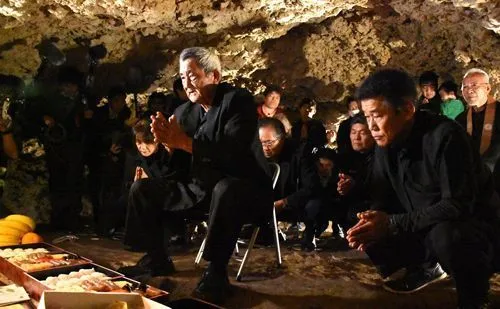
In Okinawa today, 23 June has special meaning. It is treated as the date when organised fighting on Okinawa is considered to have ended and is observed as Irei no Hi, or Day of Remembrance.
At the same time, Okinawa’s official memorial practices also recognise that the war’s human losses and related deaths extend beyond the narrow dates of frontline combat. For example, the Okinawa Prefectural Government’s inscription rules for the Cornerstone of Peace define the Battle of Okinawa period for inscription purposes as 26 March 1945, the Kerama landings, through 7 September 1945, the capitulation document signature, and also include additional war related deaths for Okinawans outside that window.
Why it still matters today
The battle of okinawa is not only a chapter in wartime history. It is a lived foundation of modern Okinawan identity, shaping civic rituals, education, and how the island speaks about peace. This is visible in the geography of remembrance in southern Okinawa and in the institutions built to carry wartime lessons forward.
Memory, mourning, and a shared roll of names
The Cornerstone of Peace is explicit about its intent. It was erected for the 50th anniversary of the end of the Pacific War and the Battle of Okinawa, and it inscribes the names of those who died regardless of nationality and military or civilian status, as a prayer for world peace and a way to pass on the lessons of war.
As of 23 June 2024, the Okinawa Prefectural Government lists 242,225 names inscribed, including 149,658 from Okinawa, 77,978 from other Japanese prefectures, and additional names from the U.S.A., the U.K., and several other places of origin.
That structure, deliberately inclusive, matters to how Okinawa faces the war. The memorial is not confined to one side’s dead.
A living annual ritual: Irei no Hi
On 23 June, Okinawa holds a major memorial ceremony at Peace Memorial Park, and a minute of silence at noon is central to the day’s commemoration.
For travellers, this is also a practical consideration. The Peace Memorial Museum notes that large events, including the 23 June memorial ceremony, can trigger traffic regulation and parking constraints in and around the park.
Education as a form of remembrance
Two of the most influential museums for understanding civilian experience are:
- Okinawa Prefectural Peace Memorial Museum, which positions its permanent exhibition within a wider memorial setting and provides multi language audio guides, supporting both education and accessibility.
- Himeyuri Peace Museum, which explicitly exists to convey the experiences of the Himeyuri Student Corps and asks visitors to follow specific rules, such as no calls and no photography or recording in exhibition rooms, to protect the viewing environment and materials.
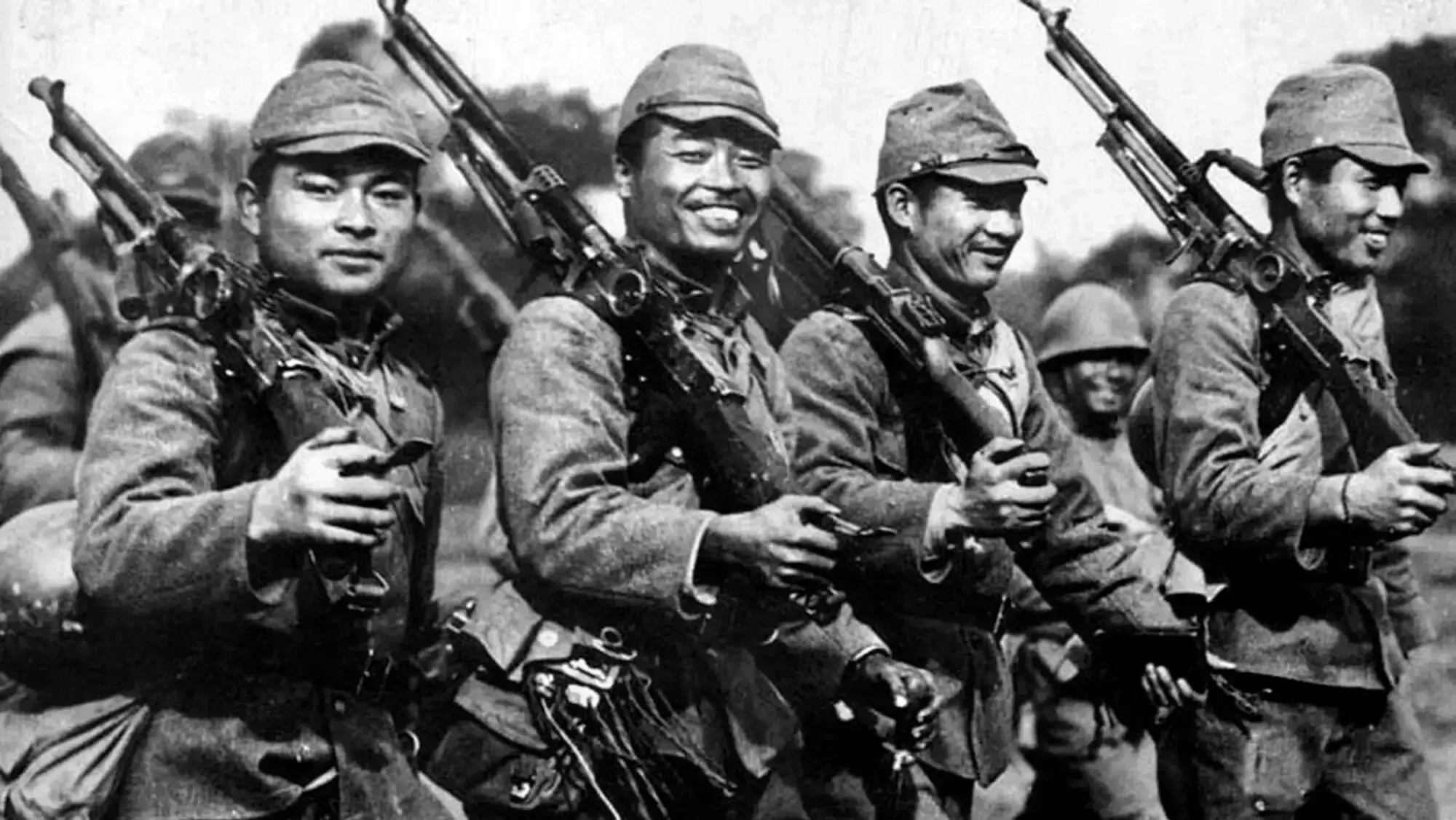
Main battle and memorial sites to visit
Southern Okinawa contains the most concentrated set of battle of okinawa sites for visitors seeking historical understanding. The following sites are among the most informative and widely visited, and together they provide complementary perspectives: collective mourning, civilian experience, and military infrastructure.
Peace Memorial Park Okinawa
Peace Memorial Park Okinawa is the single most important memorial landscape for the battle of okinawa in the southern part of the island. It sits in Itoman at Mabuni, described by the park itself as the place where the Battle of Okinawa ended, and contains major monuments and museum facilities.
The park’s official description highlights what visitors can see on site: the Peace Memorial Museum, with photos and artefacts, the Cornerstone of Peace, the Peace Memorial Statue, and numerous memorial towers and cemeteries. It is visited by bereaved families, memorial groups, and school trips, and is described as a holy place as well as a key visitor site.
Visitor details, confirm before you go:
Park gates are listed as open 06:00 to 22:00.
If you are reaching the park by public bus from Naha, the museum’s access guide describes a common route: bus 89 from Naha Bus Terminal to Itoman Bus Terminal, then bus 82 to the Peace Memorial Hall entrance, with a note that fares and frequencies shown were current as of 1 January 2026.
Cornerstone of Peace
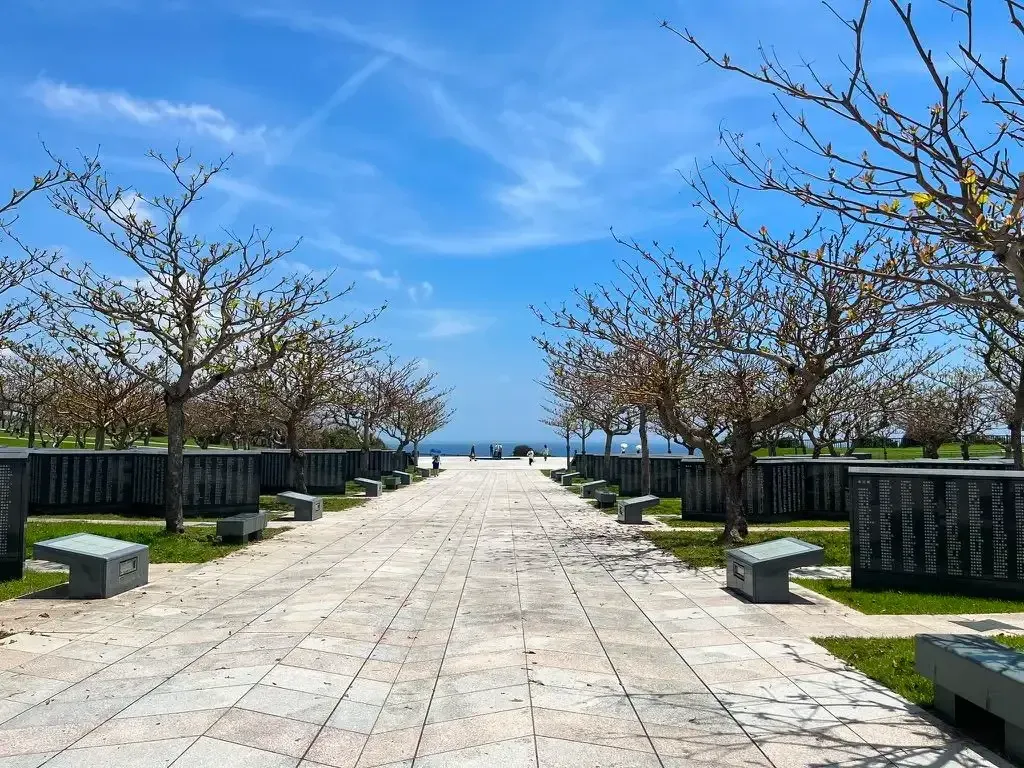
The Cornerstone of Peace is the most recognisable memorial at Peace Memorial Park. In answer first terms, it is a memorial wall complex that records the war dead by name and is designed as both a place of prayer and a peace learning space.
Okinawa Prefecture’s own statement explains the memorial’s purpose clearly. It commemorates the 50th anniversary of the end of the Pacific War and Battle of Okinawa, seeks to convey Okinawa’s spirit of peace worldwide, and inscribes the names of those who died in the battle irrespective of nationality or status.
How names are handled, important for visitors researching family history:
Okinawa Prefecture also publishes detailed rules about which deaths are included and how names are ordered and written. The inscription framework covers those who died in Okinawa during the defined battle period and extends to additional war related deaths for Okinawans and others, including war related deaths outside Okinawa and, for Okinawans, deaths linked to a wider wartime period.
How many names are inscribed?
As of 23 June 2024, Okinawa Prefecture lists 242,225 total names.
The park also notes that the inscription count is updated with additions and corrections each year around Irei no Hi.
Design features to notice on site:
The park’s dedicated Cornerstone page describes the memorial’s concept, everlasting waves of peace, the alignment of the main approach line with sunrise direction on 23 June, and the Peace Fire as a combined flame associated with Okinawa, Aka Island, and the atomic bombed cities of Hiroshima and Nagasaki.
Practical tip:
The park announces that a name search for those inscribed is available online, which can help visitors locate a specific panel before arriving.
Okinawa Prefectural Peace Memorial Museum
The Okinawa Prefectural Peace Memorial Museum is the primary museum facility within Peace Memorial Park for learning the battle of okinawa history through materials, artefacts, and structured exhibitions. The park’s site describes it as exhibiting Battle of Okinawa photographs and belongings and artefacts.
Visitor details, confirm before you go:
Hours are listed as 09:00 to 17:00, with last entry to the permanent exhibition at 16:30.
Closed days include 29 December to 3 January, with possible temporary closures under special circumstances.
Admission to the building is described as free, but the permanent exhibition room has a fee, adults 300 yen and children and students 150 yen, with group rates.
The museum lists free loan items, including wheelchairs and buggies, and notes that audio guides are available in many languages, including English, Chinese, Korean, Spanish, French, Italian, German, Arabic, and Malay.
On 23 June, Irei no Hi, the museum lists a fee exemption for visitors.
Planning note:
The museum warns that major events, especially 23 June and the NAHA Marathon period, may involve traffic regulation affecting parking access.
Himeyuri Peace Museum
The Himeyuri Peace Museum offers one of Okinawa’s most direct windows into the civilian and student experience of the battle of okinawa. In the museum’s own framing, it exists to convey the experiences of the Himeyuri Student Corps.
Historical focus, verified museum figures:
The museum records that on the night of 23 March 1945, 222 students and 18 teachers were ordered to join medical units at the Haebaru Army Hospital.
Its FAQ further explains that the Himeyuri Student Corps totalled 240 students and teachers, and that 136 of them died in the Battle of Okinawa. The cenotaph bears 227 names, 136 mobilised students and teachers plus 91 others.
Visitor details, confirm before you go:
The museum lists hours as 09:00 to 17:25, last admission 17:00, and indicates it is open daily.
Admission fees are listed, for example adults 450 yen, and multiple payment methods are accepted. The museum also notes that online tickets exist via an external site, with caveats about waiting times during busy periods.
Access by bus is explicitly described from Naha via bus 89 to Itoman Bus Terminal, then 82 or 107 to Himeyuri no To Mae, and the museum advises it can take 60 to 90 minutes from Naha by public bus including transfers.
The museum notes it does not have its own parking lot and asks visitors to use nearby souvenir store parking.
How to combine with Peace Memorial Park:
The museum’s visitor guidance notes that Peace Memorial Park, including the Peace Memorial Museum and Cornerstone of Peace, is about 10 minutes by car or reachable on bus 82, about 15 minutes from the Peace Memorial Hall entrance stop.
Former Japanese Navy Underground Headquarters
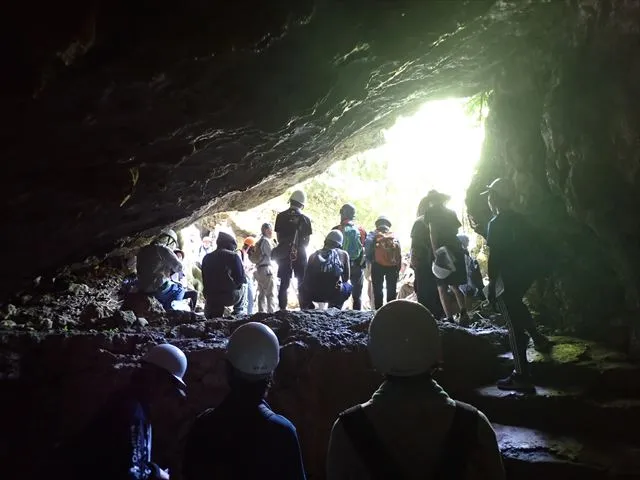
The Former Japanese Navy Underground Headquarters, often visited as a navy HQ park or underground command site, is a preserved wartime military facility that helps visitors understand how command operations and underground infrastructure shaped the Okinawa battle’s final stages.
Okinawa’s main tourism portal describes it as the location of the Japanese Navy’s Okinawa area command and notes that parts of the tunnel complex are open to the public, with rooms such as a commander’s room and operations room remaining in situ. It also states that approximately 4,000 soldiers met their end in connection with the underground site.
Visitor details, confirm before you go, the portal warns information may change:
Hours are listed as 09:00 to 17:00, with last entry 16:30, and the site is shown as open year round.
Admission is listed, individual: adults and high school and above 600 yen, children and junior high 300 yen, pre school free, with group rates.
Accessibility notes indicate a barrier free visitor centre and that wheelchair entry may require using a slope exit route, with advance phone confirmation recommended.
The portal lists access of roughly 20 minutes by car from Naha Airport and provides parking capacity.
One day visitor itinerary
A one day itinerary from Naha can cover the core battle of okinawa sites in southern Okinawa if you start early, pace yourself for emotionally heavy content, and build in quiet time at the memorial landscapes. The most efficient sequencing is typically: underground military site in the morning, civilian and student perspective in the late morning, then the primary memorial park and museum in the afternoon.
Recommended plan with a car or taxi
Morning: Former Japanese Navy Underground Headquarters, Tomigusuku area
Begin with the Former Japanese Navy Underground Headquarters while you are still close to Naha. The Okinawa tourism portal places it about 20 minutes from Naha Airport by car.
Late morning: Himeyuri Peace Museum, Itoman area
Continue south to the Himeyuri Peace Museum. The museum lists a typical driving time of 30 to 40 minutes from Naha City or Naha Airport, depending on traffic.
Plan to spend long enough to read survivor testimony and absorb the exhibits. The museum’s guidance emphasises a quiet viewing environment and specific visitor rules.
Afternoon: Peace Memorial Park Okinawa, Cornerstone of Peace and Peace Memorial Museum
From Himeyuri, the museum notes Peace Memorial Park is about 10 minutes by car.
Spend your remaining time at the Cornerstone of Peace, for names and memorial design, and the Okinawa Prefectural Peace Memorial Museum, for exhibitions and contextual material.
Plan using public transport
If you do not have a car, it is still possible, but bus frequency and transfers matter.
- To reach Himeyuri by bus, the museum recommends bus 89 from Asahibashi or Naha Bus Terminal to Itoman Bus Terminal, then bus 82 or 107 to Himeyuri no To Mae, and it cautions that the full trip from Naha by public bus typically takes 60 to 90 minutes including transfers.
- To reach Peace Memorial Park or Peace Memorial Museum, the Peace Memorial Museum’s access guide describes bus 89 from Naha Bus Terminal to Itoman Bus Terminal, then bus 82 to the Peace Memorial Hall entrance, with the 82 service listed as about one bus per hour and fares and frequencies current as of 1 January 2026.
- If you need to bridge gaps, Himeyuri notes a taxi from Itoman Bus Terminal to the museum is around 10 minutes and roughly 1,600 yen.
Because service patterns can change seasonally or due to events, treat these routes as planning guidance and verify schedules close to travel.
How to visit respectfully
Visiting battle of okinawa sites is fundamentally different from typical sightseeing. These are places where families mourn, students learn, and the dead are individually commemorated. A respectful visit prioritises quiet attention, following site rules, and remembering that the experience is not content for entertainment.
Follow museum rules, especially about photography and noise
The Himeyuri Peace Museum is explicit about visitor conduct. It asks visitors not to talk on phones inside exhibition rooms and prohibits photo, video, and recording in the exhibition rooms, while allowing photography in certain non exhibition areas. It also restricts eating and drinking in exhibition areas and prohibits smoking on the premises.
For Peace Memorial Park, the park’s notices indicate that filming and photography may require application or permission in some cases, especially for organised shoots, so check ahead if your plans go beyond personal snapshots.
Give yourself time and emotional space
These museums and memorials are designed to communicate human loss through names, testimony, and artefacts. If you are travelling with children or a group, consider visiting earlier in the day when people can take breaks afterwards, and plan a quiet meal or rest period before returning to Naha.
Be especially mindful on 23 June
On Irei no Hi, 23 June, Peace Memorial Park hosts major commemoration, including a minute of silence at noon, and the prefecture provides special programming and free public viewing at the Peace Memorial Museum on that day. Expect a different atmosphere than an ordinary day, and anticipate possible traffic restrictions.
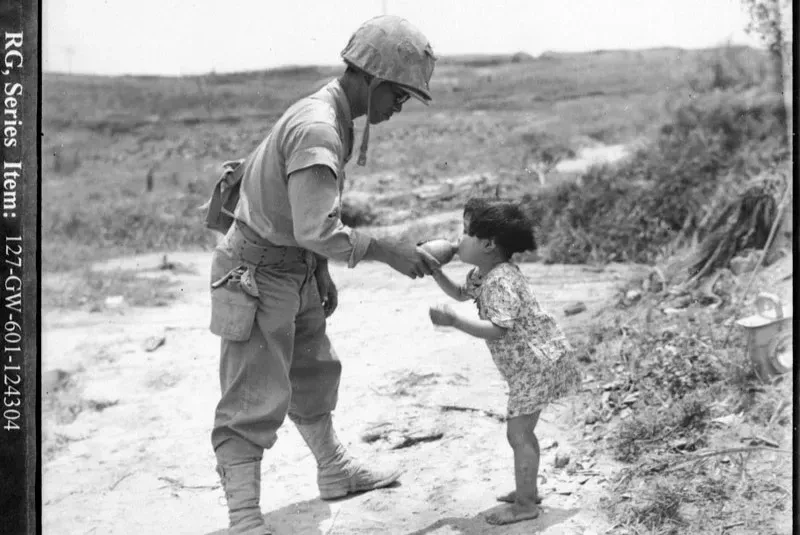
Key facts and timeline
The battle of okinawa history can feel overwhelming. The following facts and dates provide a reliable framework, followed by a practical FAQ for visitors.
Key facts
- Campaign name: The Battle of Okinawa was codenamed Operation Iceberg.
- Start date: Major landings occurred on 1 April 1945.
- Scale of loss, commonly cited: More than 49,000 American casualties, including more than 12,000 deaths, about 90,000 Japanese combatant deaths, and civilian deaths in Okinawa that may have reached 150,000.
- Cornerstone of Peace names: 242,225 names were listed as inscribed as of 23 June 2024.
- Local commemoration: 23 June is observed as Irei no Hi with major memorial ceremonies and a noon moment of silence.
Timeline
- 23 March 1945: The Himeyuri Peace Museum records that 222 students and 18 teachers were ordered to join medical units at Haebaru Army Hospital.
- 26 March 1945: The National WWII Museum notes kamikaze attacks began during preliminary operations. Okinawa’s Cornerstone inscription rules use this date as the Kerama landing starting point for the battle period.
- 1 April 1945: Main Okinawa landings by the U.S. Tenth Army.
- 29 May 1945: Shuri Castle falls, a key turning point in the southern battle.
- 4 June 1945: Amphibious assault begins to seize the airfield at Naha.
- 18 June 1945: U.S. Tenth Army commander Lt Gen Simon Bolivar Buckner Jr. is killed.
- 23 June 1995: Peace Memorial Park’s Cornerstone of Peace page states the monument was built and marked on this date as a 50th anniversary memorial project.
FAQ
Is Peace Memorial Park Okinawa free to enter?
The park landscape itself functions as a public memorial space, with park gates listed as open 06:00 to 22:00, while museum facilities may have their own admission rules. For the Peace Memorial Museum, entry is described as free but the permanent exhibition room has a fee, adults 300 yen and children and students 150 yen.
Are there days when the Peace Memorial Museum is free?
Yes. The museum’s own visitor guide lists an admission fee exemption on 23 June, Irei no Hi, and Okinawa Prefecture’s memorial ceremony information also describes free public viewing that day.
How do I get to these battle of okinawa sites without a car?
The official guidance for both Himeyuri and the Peace Memorial Museum relies on buses connecting via Itoman Bus Terminal, commonly bus 89 from Naha to Itoman, then bus 82 or 107 onward. Himeyuri estimates 60 to 90 minutes from Naha by public bus including transfers, and the Peace Memorial Museum notes that the 82 route runs about once per hour, as of 1 January 2026 in its published guide.
Is English available inside the museums?
Himeyuri states that exhibition panel descriptions are available in Japanese and English, with English subtitles on videos, while audio is in Japanese, plus translations of larger testimonial books. The Peace Memorial Museum lists multi language audio guides including English.
Can I take photographs inside the Himeyuri Peace Museum?
The museum asks visitors not to take photos, videos, or recordings in the exhibition rooms and to be considerate when photographing allowed areas such as the courtyard.
Can I look up an individual name at the Cornerstone of Peace?
Yes. Peace Memorial Park announces that an online search for inscribed names is available, which can help you find a specific panel on site.
What should I expect on 23 June, Irei no Hi?
Expect large scale commemoration at Peace Memorial Park, including a minute of silence at noon, and special programming and or free viewing of the Peace Memorial Museum that day. Travel and parking may be affected by traffic restrictions connected to the memorial ceremony.
Conclusion
A thoughtful visit to the battle of okinawa sites in southern Okinawa can deepen historical understanding and honour the lives lost, especially when centred on Peace Memorial Park Okinawa, the Cornerstone of Peace, the Okinawa Prefectural Peace Memorial Museum, the Himeyuri Peace Museum, and the Former Japanese Navy Underground Headquarters. These institutions and landscapes are built around remembrance and education. Approaching them quietly and respectfully is part of what it means to understand why the battle of okinawa is still central to Okinawa today.
If you are interested in a culture tour in Okinawa, have a look at our Culture and Coast Tour through the link below.
Evertrail Tours · March 16, 2026