
Okinawa Remote Island Attractions: Kumejima Day Trip from Naha
Most travelers treat Okinawa's outer islands as an afterthought, a half-day escape squeezed between Naha shopping and airport lounges. That approach misses everything. Tsuken Island, Kume Island, and the Kerama archipelago are not side trips. They are the destination.
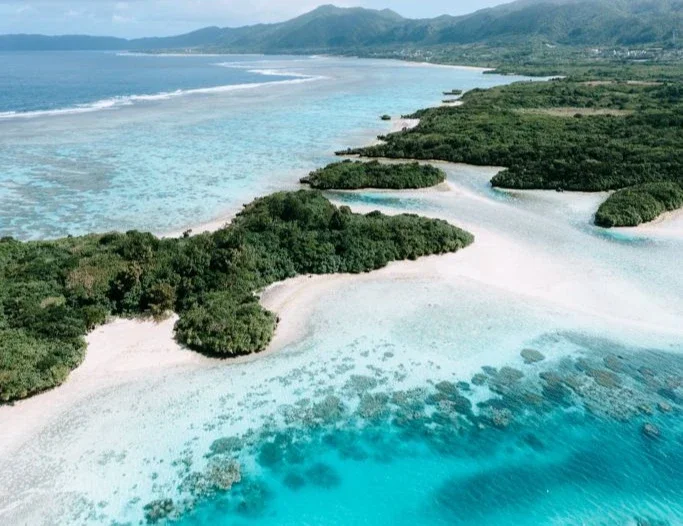
These three remote island groups represent a version of Okinawa that the main island can no longer offer: working agricultural landscapes, water so clear it has its own color name, and a pace of island life that hasn't been traded away for resort infrastructure. In 2026, with new high-speed ferry connections and tightening eco-tourism rules, the window to experience them authentically is narrowing. This guide gives you everything you need to plan your next trip right.
Quick Summary
- Tsuken Island: Best for a quirky, carrot-themed rustic escape with a 1km stretch of natural beach. Located just 15–30 minutes from the main island, it is the ultimate easy day trip.
- Kume Island: Home to Hate no Hama Beach, the most beautiful sandbar in the Orient, along with volcanic geological wonders and a unique deep-sea water industry.
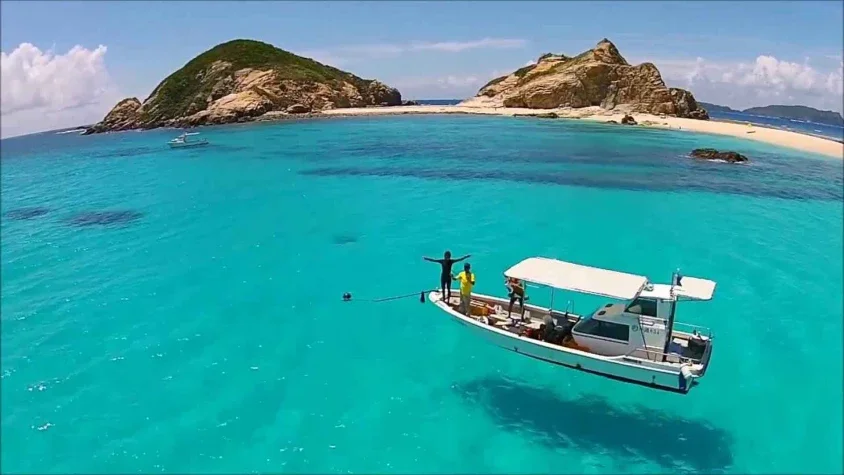
- The Kerama Islands: A National Park famous for "Kerama Blue" water. Ideal for sea turtle encounters and winter humpback whale watching.
Pro Tip: Book ferry tickets at least two weeks in advance, especially for Kume Island. The new 2026 jetfoil service sells out quickly during Golden Week and summer peak periods.
Tsuken Island: The "Carrot Island" Day Trip
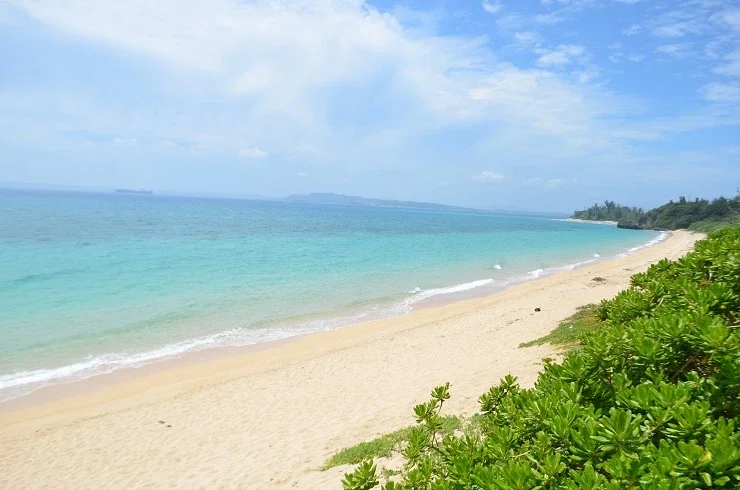
Tsuken Island is a small gem in Nakagusuku Bay. It is famed for producing some of Japan's sweetest carrots and maintaining an untouched 1km white sandy beach that rarely draws the crowds found on the Okinawa main island.
The Vibe
Rural, quiet, and genuinely productive. About 60% of the island is under active carrot cultivation. This is one of the few spots in Okinawa where the tourist attraction and the local economy are the same; the community hasn't pivoted entirely to hospitality but rather invited visitors into their agricultural way of life.
Key Highlights
- Tomai Beach: Running for one kilometer along the eastern edge, the sand is fine and the clear waters are shallow. Arrive on the 09:00 AM ferry to enjoy the beach before midday groups arrive.
- The Carrot Obsession: The mineral-rich, saline soil produces carrots with exceptional sweetness and vivid color.
- Tsuken Carrot Cider: Available at the ferry terminal (¥250–¥350).
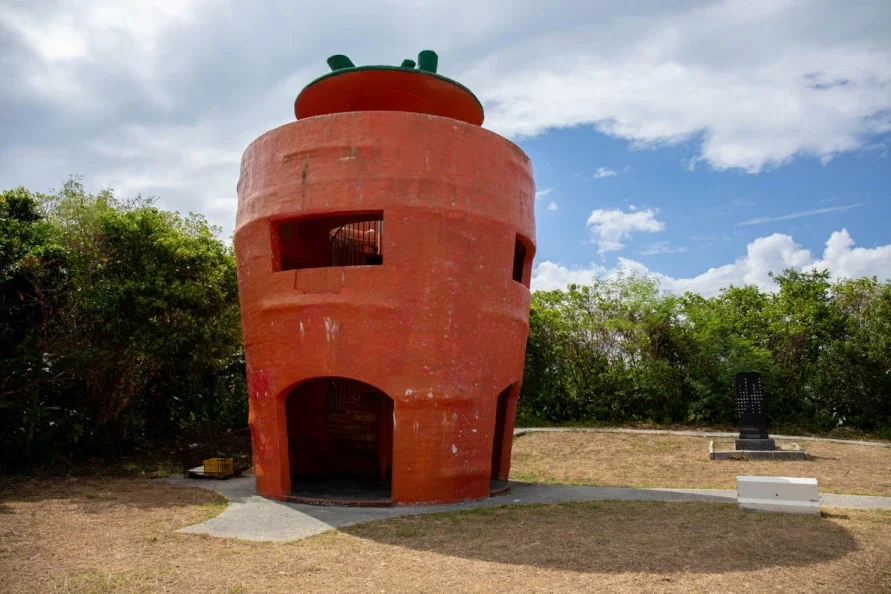
- Carrot Observatory: View the actual fields where the carrots are grown from a carrot-shaped structure.
Logistics
Ferries depart from Heshikiya Port (Uruma City). Parking is free.
| Vessel | Adult (One-Way) | Adult (Round-Trip) | Duration |
|---|---|---|---|
| New Kugani (High-speed) | ¥800 | ¥1,530 | 12–15 min |
| Ferry Kugani (Standard) | ¥650 | ¥1,240 | 30 min |
Five round trips run daily. If bringing a vehicle, call 098-978-7008 at least two weeks ahead.
Kume Island: The Final Frontier of Ryukyu Beauty
Kumejima is Okinawa's most geologically diverse outlying island. It rewards travelers who stay at least two nights to explore its shifting landscapes, from coral sandbars to volcanic forests.
Top Sights
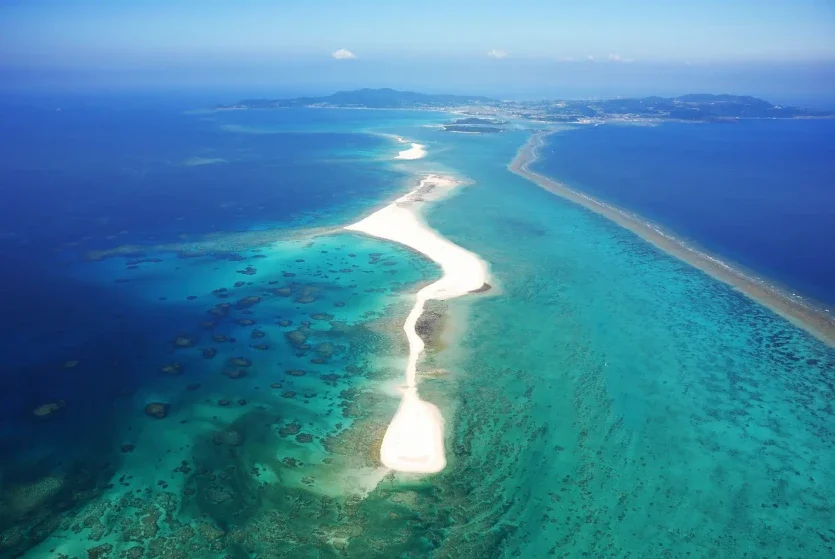
- Hatenohama Sandbar: A 7km arc of white sand rising from the East China Sea. In 2026, unguided access is restricted; you must book through an accredited eco-tour operator.
- Yajiyagama Cave: A limestone cave with spiritual significance. It is very dark—bring a flashlight to explore the interior formations.
- The Tatami Stones: Hexagonal basalt columns visible on the southeastern coast during low tide. They are the result of ancient volcanic activity.
- The Mifuga Sunrise: Between June 15 and June 29, the sunrise aligns perfectly with the cleft in the Mifuga rock formation. Be there by 5:30 AM for the "Diamond Sunrise."
Deep Sea Water: Kume's Unique Industry
Kumejima pumps water from 612 meters below the surface. This cold, pristine water drives several local innovations:
- Skincare: The RyuSpa brand uses this water for pro-collagen synthesis products.
- Gourmet Products: Kumejima is Japan's largest producer of Sea Grapes (umi-budou). The cold water allows for year-round production and a firmer texture.
- Kumi-no-Mizu: Specialty drinking water sold in different mineral hardness levels.
Getting to Kume Island
As of May 2026, a new high-speed jetfoil has significantly shortened the journey from Naha.
Mode Duration Price (One-Way)
Jetfoil (New 2026 High-speed) 80 min ¥7,800
Standard Ferry 180–210 min ¥4,200
Domestic Flight (RAC/JTA) 35 min ¥12,000–¥18,000
The Kerama Islands: Diving Into the "Kerama Blue"
This National Park archipelago is celebrated for its vibrant coral reefs and marine life. In 2026, management has shifted heavily toward preservation, including a mandatory environment tax for all visitors.
Tokashiki vs. Zamami: Which to Choose?
- Tokashiki Island: Rugged and hilly. Best for hikers and panoramic views.
- Aharen Ridge Trail: Offers a 360-degree view of the archipelago.
- Note: Call the Village Office (098-987-2333) for trail status after rain.
- Zamami Island: Known for its village character and sea turtles.
- Ama Beach: Sea turtles regularly feed in the shallow seagrass here.
- Cafe Culture: Zamami has a thriving cosmopolitan cafe scene, including Cafe Yukuruya (great for workcations) and Kafushi-do (famed for the Kerama Parfait).
Seasonal & Eco-Notes
- Whale Watching: Between January and March, humpback whales migrate through the Kerama channel.
- Churasima Tax: Every visitor pays a ¥100 Environment Cooperation Tax. This funds coral restoration and waste management.
Inter-Island Logistics
Strategic inter-island ferries save hours of travel back to Naha.
- Zamami to Aka: ¥500
- Aharen (Tokashiki) to Zamami/Aka: ¥1,100
Frequently Asked Questions
Which Okinawan island is best for a day trip? Tsuken Island is the most accessible (15–30 mins from Uruma). While the Keramas are doable as a day trip from Naha, an overnight stay is highly recommended to fully experience the islands.
Can you see sea turtles in the Kerama Islands? Yes. Ama Beach on Zamami Island is the most reliable location. You can often see green sea turtles from the shore during morning hours.
How do I get to Kume Island? You can fly (35 mins), take the standard ferry (3 hours), or use the new 2026 high-speed jetfoil (80 mins) from Naha’s Tomari Port.
Is Hatenohama sandbar accessible without a tour? No. As of 2026, visitors must book with accredited eco-tour operators to protect the fragile sandbar ecosystem.
What is the Churasima Tax? It is a ¥100 fee added to ferry tickets to Zamami and Tokashiki. The funds are used exclusively for environmental conservation and maintaining the "beautiful islands."