You've been dreaming about crystal-clear water, slow mornings at a seaside café, and wandering through ancient castle ruins, alone, on your own schedule. Okinawa keeps coming up in your searches. But you're a solo female traveler, and you want the real answer before you book:
Is Okinawa actually safe?
The short answer? Yes, and it's not even close.
Okinawa is consistently rated one of the safest destinations in the world for solo female travelers, with independent safety indices scoring it between 4.5 and 4.8 out of 5. But "safe" is a big word, and it means different things in different places. This guide breaks down exactly what makes Okinawa safe for solo travel, where you'll want to be cautious (spoiler: it's mostly about jellyfish, not people), and how to travel the island with total confidence.
Whether it's your first solo trip to Japan or you're a seasoned traveler adding Okinawa to a longer Japan itinerary, you'll find everything you need here. This guide is written for women travelers of all experience levels, from first-timers to frequent solo explorers.
Table of Contents
- How Safe Is Okinawa, Really?
- The "Honesty Culture" That Makes Okinawa Different
- Getting Around Safely: Transportation Breakdown
- The U.S. Military Presence: What Solo Travelers Need to Know
- Environmental Hazards: The Real Risks in Okinawa
- Medical Care: English-Friendly Options
- Neighborhood Guide: Where to Stay and Where to Be Aware
- Social Norms and Cultural Context
- 10 Practical Safety Tips for Solo Female Travel in Okinawa
- Frequently Asked Questions

1. How Safe Is Okinawa, Really?
To understand Okinawa's safety, start with the broader picture. Japan is safe, consistently ranking among the lowest violent crime rates in the developed world, with a national homicide rate of roughly 0.78 per 100,000 people as of 2025. Okinawa sits comfortably within that tradition, often outperforming major cities like Tokyo and Osaka on street crime and petty theft.
The U.S. Department of State classifies Naha and Okinawa Prefecture as a low-threat location, where most reported incidents involve minor disputes or vandalism, not violence against tourists or foreigners.
What does this mean in practice? Solo female travelers regularly report:
- Leaving belongings unattended at cafés without a second thought
- Walking alone at 1am without feeling uneasy
- Receiving spontaneous, generous help from strangers when they look lost
That's not luck. It's a culture.
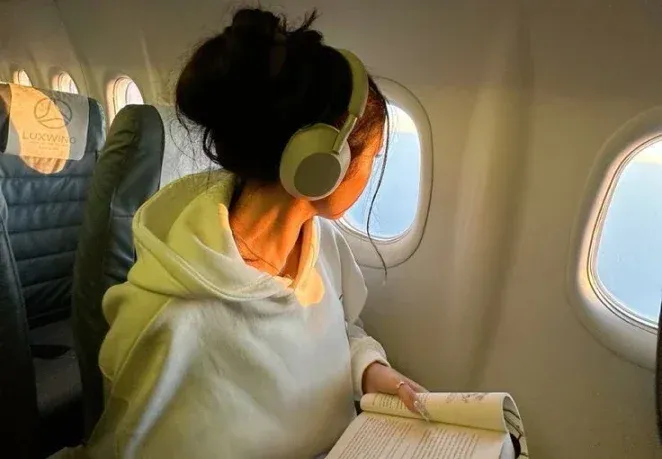
Safety at a Glance: Okinawa vs. Other Destinations
Okinawa stands out the most for being calm, low-pressure, and almost free of petty crime
Tokyo and Osaka are still very safe, but you’ll notice slightly more scams, nightlife friction, or minor theft
Western tourist hubs (think big cities in Europe or the U.S.) generally require more awareness, especially around pickpocketing and street harassment
2. The "Honesty Culture" That Makes Okinawa Different
One of the things that strikes first-time visitors is how deeply trust is woven into daily life here. Roadside produce stands and small supermarkets often run on unattended payment systems, you scan your own items and pay into a machine with no one watching.
This isn't naïve. It reflects a genuine social norm where theft, especially opportunistic theft, is genuinely rare.
For solo travelers, this shows up in meaningful ways:
- Lost wallets get returned
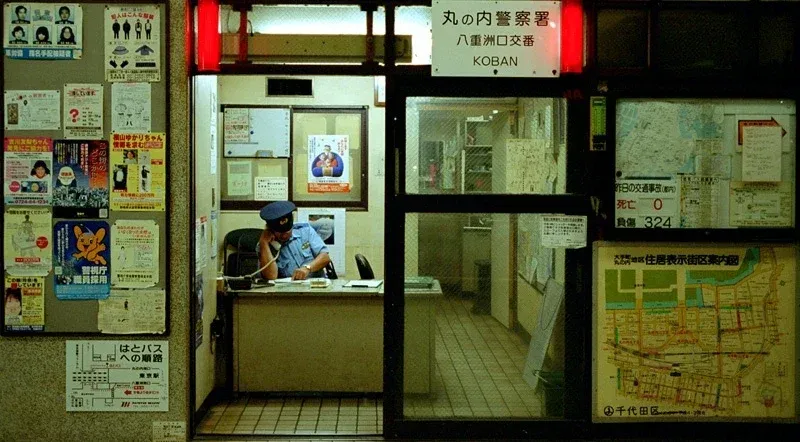
- Dropped bags get handed to the nearest police box (called a Koban)
- The Koban system itself is a decentralized community network, little police stations scattered through neighborhoods that function more like a help desk than a crime-fighting unit
If you're ever asking for directions, lose your passport, or just feel shaken, walk into a Koban. Japanese people are remarkably helpful and will go out of their way to assist you.
3. Getting Around Safely: Transportation Breakdown
Your safety in Okinawa is closely linked to how you get around, and that changes significantly depending on where you are on the island.
In Naha: Walkable, Lit, and Low-Stress
Naha, the capital, is excellent for solo travelers. The Yui Rail monorail runs from the airport through the city center to the historic Shuri district, it's clean, reliable, and operates late into the evening. Stations are well-lit, and the passenger culture is quiet and respectful. Unlike the rush hours of Tokyo's Shibuya or Osaka's busiest train station exits, Naha's public transport rarely feels overwhelming.
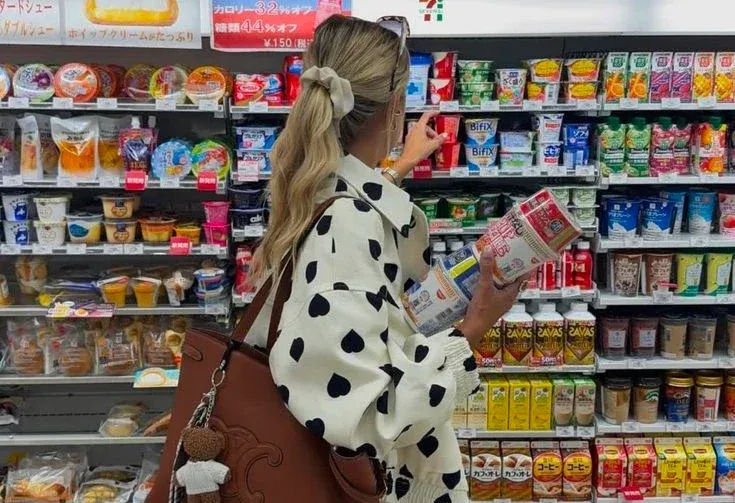
Walking at night in Naha is something most solo female travelers describe as genuinely comfortable, not just tolerable. It's one of the most walkable, easy to get around cities in the world for a solo traveler. A dense network of 24-hour convenience stores (konbini) acts as a secondary safety net — they're bright, staffed, and perfect pit stops if you ever feel uneasy or need to reorient. You can pick up onigiri, grab a SIM card, or use the ATM (most accept foreign cards).
Outside Naha: Plan Ahead
Once you leave the city, the transportation picture changes. Buses exist but run infrequently in rural areas. The biggest risk isn't crime, it's being stranded because you missed the last bus.
To rent a car is the standard move for exploring the north of the island (and worth it — the scenery is stunning). Driving in Okinawa is low-stress; local drivers are known for patience and courtesy. Just remember:
- It's left-side driving
- Download offline Google Maps before you head into Yanbaru forest, where cell service gets spotty
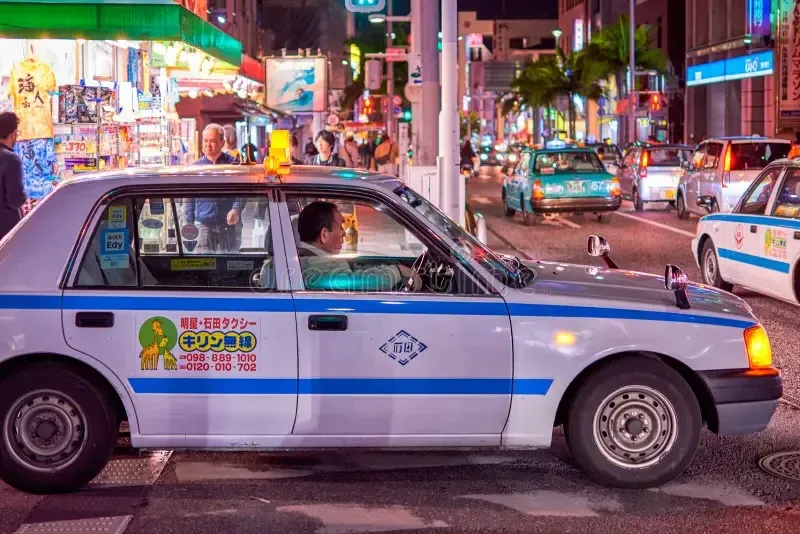
Taxis and ride-hailing apps like DiDi and JapanTaxi are safe and reliable. Ferries to the outer islands are safe too, though they can be cancelled without much notice during rough weather — check J-Alerts daily during typhoon season.
Transport Safety at a Glance
Transport Safety Level Main Risk What to Do Yui Rail Very safe Occasional crowding Stay aware of belongings Buses Safe Missing connections Use real-time transit apps Rental Car Safe Getting lost in remote areas Download offline maps Taxis / Ride-hail Safe Higher cost Use apps like DiDi or JapanTaxi Ferries Safe Weather cancellations Check weather and alerts daily
4. The U.S. Military Presence: What Solo Travelers Need to Know
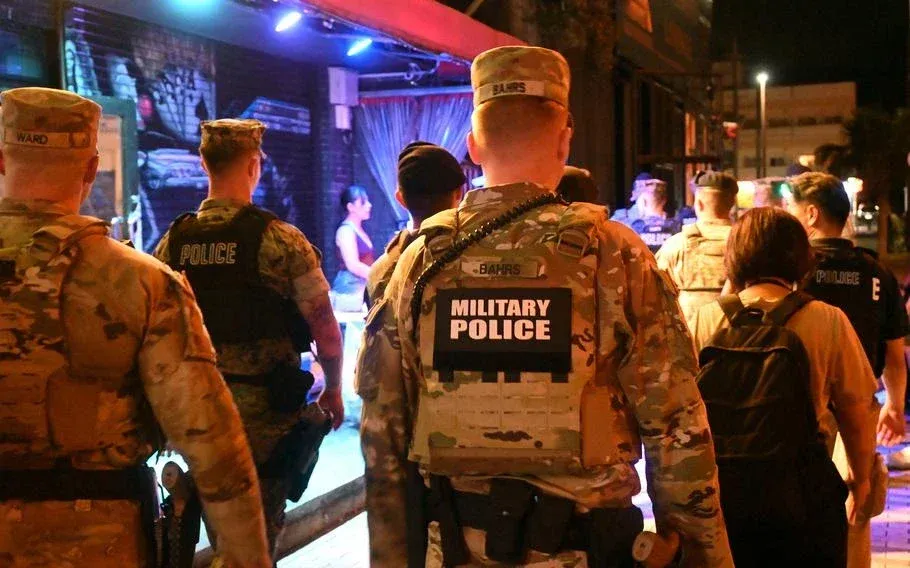
About 70% of the U.S. military's footprint in Japan is concentrated in Okinawa, with over 25,000 personnel stationed here. This is a big part of the island's political identity, and a real source of tension for many local residents.
From a traveler's perspective, the military presence creates distinct pockets of the island with a more Western atmosphere. Places like Chatan's American Village are English-friendly, lively, and buzzing with an international crowd. It's a completely different experience from the more traditional parts of Naha, and many solo female travelers enjoy having both options within easy reach.
The honest nuance here: in bars and nightlife areas near military bases, particularly in Chatan and the Kin area, the vibe can be louder and more boisterous than in traditional Japanese neighborhoods. Catcalling and aggressive street behavior are rare in most of Okinawa, but these zones have a slightly different energy.
Tip: Exercise the same awareness you'd bring to any busy nightlife district in a Western city. Be mindful of your drink, and trust your instincts if a situation feels off.
Beyond nightlife, the military presence doesn't meaningfully affect day-to-day tourist safety. The political tension is real but isn't directed at visitors.
5. Environmental Hazards: The Real Risks in Okinawa
Here's something that surprises a lot of first-time visitors: the biggest dangers in Okinawa aren't human. They're natural. Solo travelers who prepare for the following will have a genuinely smooth trip.
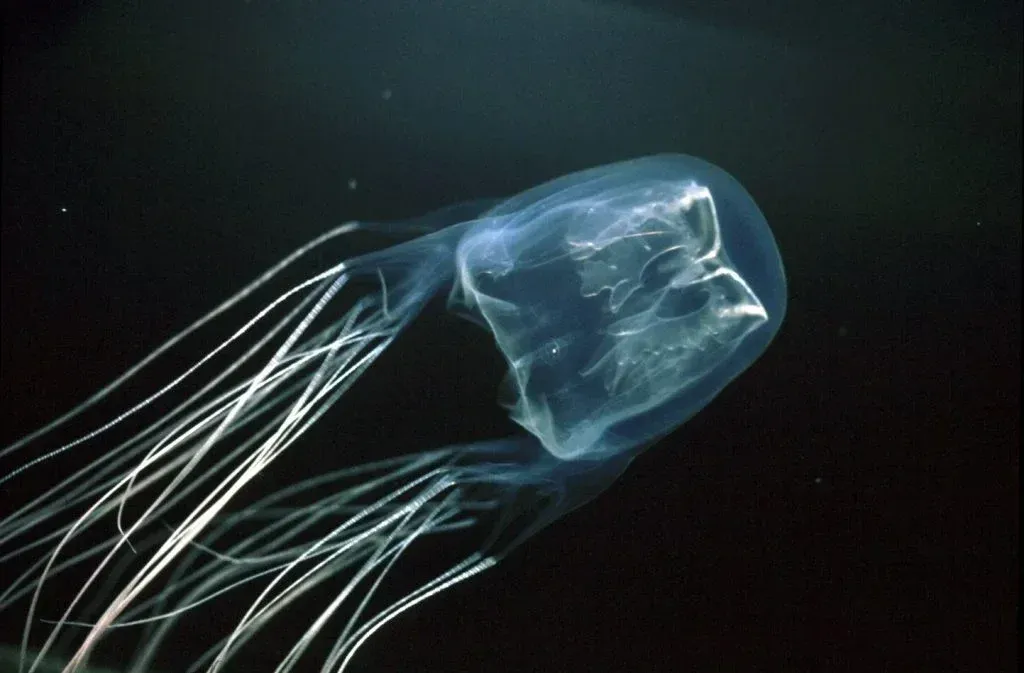
Box Jellyfish (Habu-kurage)
This is the one that gets underestimated. Habu jellyfish are:
- Highly venomous
- Largely invisible in the water
- Most active from June through September
A bad sting can cause intense pain, scarring, or in rare cases, cardiac arrest.
The good news: popular beaches are equipped with jellyfish nets, and lifeguards are present at main swimming spots. The rule for solo travelers is simple, only swim at netted, lifeguarded beaches during summer. Places like Emerald Beach and Azama Sun Sun Beach tick both boxes. Okinawa has many beaches, but not all of them are monitored, and the most secluded beaches are often the least safe for solo swimmers.
If you love to snorkel, stick to organized tours or well-managed beach destinations with safety infrastructure in place. Remote beaches and off-the-beaten-path coastal spots are stunning to photograph, but save the water entry for monitored spots.
Isolated northern beaches are beautiful but unmonitored. Save them for sunsets, not swimming.
Beach Safety Features
Safety Feature Purpose Importance for Solo Travelers Jellyfish Nets Prevents Habu-kurage entry Critical during summer months Lifeguards Active monitoring of swimmers Essential when traveling alone J-Alert System Tsunami / typhoon notifications Essential for weather-related safety
Typhoons
Okinawa sits in an active typhoon belt, though direct hits are becoming less frequent and a seriously disruptive storm during your trip would be unlucky. Peak season runs August through September, and on the rare occasion a typhoon does make landfall, it can shut down the island, flights grounded, ferries cancelled, everyone waiting it out.
If you're traveling during this window:
- Build flexibility into your itinerary
- Always know the cancellation policy on your accommodation
- Download the Safety Tips app from the Japan Tourism Organization, it pushes J-Alerts in English for earthquakes and storms
Heat and Sun
Don't underestimate this one either. The UV index and humidity in Okinawa are intense, and heatstroke (netsuchusho) sends tourists to clinics regularly. When you're solo, there's no travel partner to notice you're looking pale.
Essentials:
- Hydrate constantly
- Use SPF 50+
- Take midday breaks indoors
- Don't push through if you feel dizzy or unusually tired
6. Medical Care: English-Friendly Options
Knowing where to go if something goes wrong is a core part of safe solo travel. Okinawa is better equipped than you might expect, far more so than many beach destinations in Southeast Asia or other parts of the Pacific.
Key Medical Facilities for English-Speaking Travelers
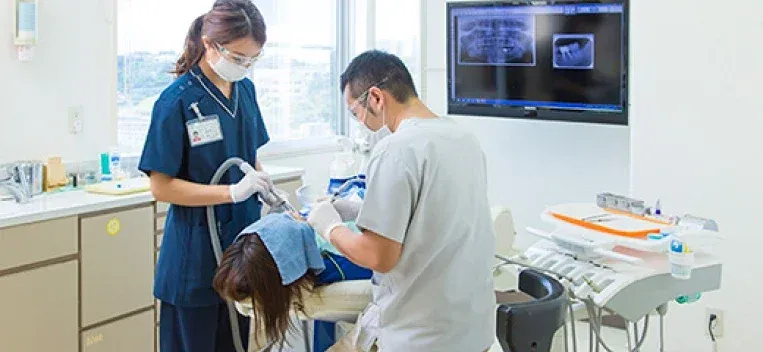
Adventist Medical Center (Nishihara) The gold standard for English-speaking travelers. Founded by missionary doctors, it maintains strong multilingual staff across all departments, including gynecology and emergency care. Many international insurance providers have direct-billing arrangements here — another reason to sort out travel insurance before you enter Japan.
Makiminato Chuo Hospital (Urasoe) Has a dedicated International Medical Center with English and Chinese interpreters. Particularly noted for cardiovascular care.
Okinawa International Clinic Offers 24/7 mobile consultations, a doctor comes to you at your accommodation. If you're sick and can't navigate public transit alone, this is invaluable. For travel insurance that covers medical emergencies without a mountain of paperwork, SafetyWing is a popular option among long-term solo travelers and worth looking into before your trip.
Emergency Numbers to Save Before You Arrive
Service : Number -> Availability
Police (urgent) : 110 -> 24/7
Ambulance / Fire : 119 -> 24/7
Maritime Emergency: 118 ->24/7
Multilingual Contact Center (English): 0570-077201 -> 9:00 AM – 9:00 PM
Japan Visitor Hotline : 050-3816-2787 -> 24/7
Save these numbers before you travel. Don't wait until you need them.
7. Neighborhood Guide: Where to Stay and Where to Be Aware
While Okinawa is generally safe across the board, different areas offer varying levels of convenience and atmosphere for solo female travelers.
Great Areas for Solo Travelers
Naha : Kumoji / Miebashi Districts Central, monorail-adjacent, and populated late into the night. This is the most practical base for first-time visitors, with a good mix of budget hostels, capsule hotels, boutique hotels, and guesthouses, plus restaurants and easy access to historic sites. If you're planning Japan travel that takes you across the whole country, visiting Kyoto, Osaka, or Nara before flying down, Naha is easy to slot in at the start or end. Most of Naha's best places to explore are within walking distance of the main monorail stops.
Chatan / American Village If you want a coastal, English-friendly atmosphere with a lively beach scene, this is it. Walkable, well-lit, and full of international restaurants and cafés.
Onna Village The resort hub. Private beach access, high-end properties, quiet evenings. Ideal if you're after a relaxing, controlled environment.
Ishigaki and Miyako Islands Even quieter and lower-crime than the main island. Small-community energy where locals are genuinely invested in their reputation for hospitality. These islands let you explore hidden coves and enjoy ocean views completely away from tourists, highly recommended for solo female travelers who want a more secluded, remote experience and some of the best places to visit in all of Japan for solo female travel.
Areas Requiring Awareness
Matsuyama (Naha) Okinawa's main entertainment and red-light district. It's not dangerous in any serious sense, but this is where you're most likely to encounter touts, rowdy drunks, and bars with hidden cover charges. Walk through without worry; just don't wander in without your wits.
Isolated Northern Beaches Not a human-safety issue, a natural one. No lifeguards, no jellyfish nets, and often no cell service. These secluded beaches are beautiful to visit, but not safe for solo swimming.
Neighborhood Comparison at a Glance
Area Vibe Best For Watch Out For Naha (Kumoji/Miebashi) Urban, central First-time visitors, city exploring Nothing significant Chatan / American Village Lively, coastal Beaches, easy for English speakers Noisy nightlife near U.S. bases Onna Village Resort, relaxed Beach stays, quiet getaways Higher accommodation prices Ishigaki / Miyako Remote, laid-back Nature, off-the-beaten-path trips Limited transport, plan ahead Matsuyama (Naha) Nightlife-focused Bars, clubs, evening outings Touts, hidden cover charges Northern Okinawa Beaches Wild, scenic Sunsets, photography, quiet nature No lifeguards, possible jellyfish What changed (quickly)
8. Social Norms and Cultural Context
One of the things solo female travelers appreciate most about Japanese culture, and Okinawa specifically, is the near-absence of street harassment. Catcalling is genuinely culturally taboo. Strangers on trains don't stare. Men in bars don't usually follow you when you decline conversation. For women traveling solo, few destinations feel as instinctively comfortable as Okinawa, there are very few places like Okinawa in how naturally safe traveling alone feels here.
The chikan (groping on public transit) issue that affects some Japanese cities is significantly less prevalent in Okinawa. Some mainland Japan cities like Tokyo operate women-only train cars during rush hours, but the Yui Rail rarely reaches the extreme density of Tokyo's subway, and the island doesn't have an underground transit network where such behavior tends to occur.
You may occasionally encounter small bars displaying "members only" signs or using an X gesture to indicate they're not accepting new guests. This isn't hostility, it's usually a small, regulars-only bar whose staff don't feel equipped to serve non-Japanese speakers. It happens. Move on to the next place; there are plenty that will welcome you warmly.
Solo diners are completely normal here too, you'll never feel awkward eating alone at a restaurant. Many places are set up perfectly for it.
9. 10 Practical Safety Tips for Solo Female Travel in Okinawa
Get an eSIM or pocket Wi-Fi early : You’ll rely on maps and internet daily
Carry cash : Many places don’t accept cards
Swim only at safe, monitored beaches : Jellyfish can be dangerous
Download a safety alerts app : You’ll get real-time warnings
Get travel insurance before arrival : Medical care can be expensive
Choose places with 24h reception : You’ll always have help if needed
Check last buses and ferries : Easy to get stranded in remote areas
Set GPS to English (rental car) : Avoid navigation issues
Stay hydrated + use strong sunscreen : The sun is intense in Okinawa
Be polite and respectful : Locals are more likely to help you
FAQ
Is Okinawa safe at night for a solo woman?
Yes, significantly safer than most Western cities. Naha streets are well-lit and populated late. Use standard awareness in nightlife districts like Matsuyama, but violent crime is genuinely rare.
What's the biggest danger for tourists in Okinawa?
Environmental hazards: heatstroke, jellyfish stings, and typhoon disruptions. Criminal threats rank well below these in terms of statistical likelihood.
Are there tourist scams?
Almost none of the classic tourist scams exist here. The main one to watch: in Matsuyama nightlife, confirm prices before entering any bar to avoid surprise cover charges.
Can I get English-speaking medical care?
Yes. Adventist Medical Center (Nishihara) is the top option. Okinawa International Clinic offers 24/7 mobile consultations if you can't travel.
Is it safe to travel solo without a car?
In Naha, absolutely, the monorail and buses are excellent. For northern Okinawa or the outer islands, public transport is safe but infrequent. A rental car gives you far more flexibility and control.
How many days in Okinawa do I need?
Most solo travelers find that 5–7 days covers the main island comfortably, with time for a day trip or overnight stay on Ishigaki or Miyako. If you're combining it with a broader Japan solo itinerary, adding Kyoto, Osaka, Nara, or Hakone, budget your Okinawa days separately, as it's a flight away from the mainland.
Okinawa has a completely different feel from mainland cities: less Asakusa temple crowds, no Roppongi nightlife chaos, no navigating around tourists hunting for the bamboo forest in Arashiyama or the Fushimi Inari gates, no queuing for Osaka Castle. You can feel more comfortable and unhurried here. You'll also eat incredibly well, don't miss trying Okinawan soba and local takes on okonomiyaki.
Planning your Okinawa trip? Save this guide and share it with a fellow solo traveler who's on the fence.
Evertrail Tours · April 30, 2026