
The Best Time to Visit Okinawa: A Month-by-Month Guide for Divers, Hikers & Island Hoppers
Okinawa isn't just one place, it's a chain of around 160 islands across the Ryukyu Islands, strung across the East China Sea, each with its own rhythm, personality, and reason to visit Okinawa. Whether you're chasing hammerhead sharks off the coast of Yonaguni, hiking through the ancient forests of Yanbaru, or planning an island hopping adventure between coral-fringed islands with a bag full of reef-safe sunscreen, the best time to visit Okinawa matters just as much as where you go.
The difference of a single week can mean the difference between a perfect dive in glassy water and a cancelled ferry in a typhoon season surge.
This Okinawa travel guide breaks it all down, month by month, activity by activity, so you can choose the best time and time to visit like a local.
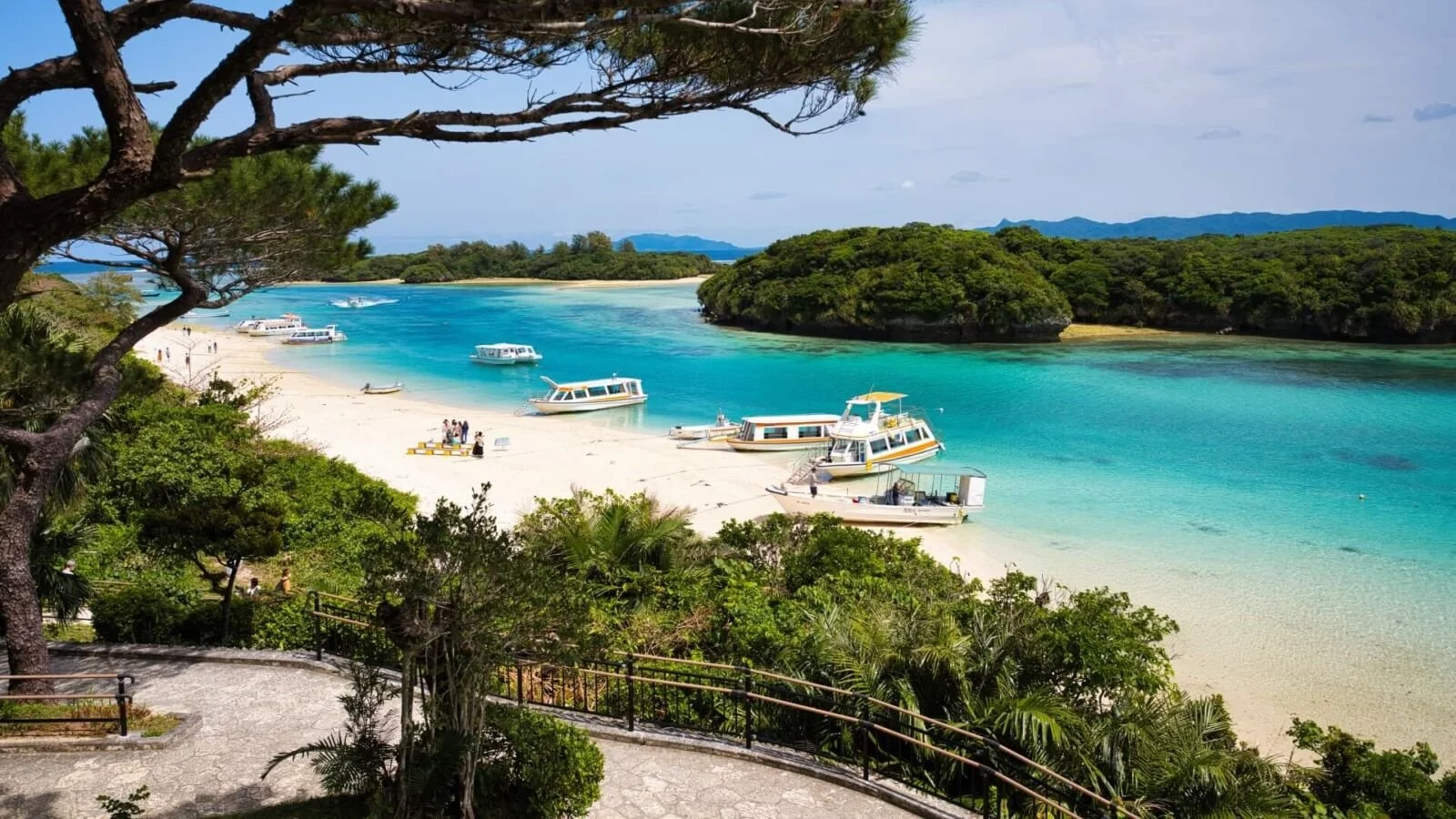
Understanding Okinawa's Climate: Not Your Typical Japanese Weather in the Ryukyu Islands
Most people think of Japan as a country with four crisp, distinct seasons. Okinawa, part of the historic Ryukyu Kingdom, plays by different rules. Sitting at the intersection of the warm Kuroshio Current and the East Asian Monsoon system, it has a subtropical climate with no real winter, just a cooler, quieter version of summer in Okinawa.
- Average temperature: ~23°C (73°F)
- Humidity: Rarely below 65%, often above 85% in summer
- Climate type: Subtropical
The high humidity is what makes summer hikes genuinely gruelling and winter dives feel colder than the thermometer suggests.
Rain arrives in short, intense bursts rather than long grey drizzles. Locals often wait it out instead of using umbrellas.
Key Weather Factor: Typhoon Season
- Runs from May to December
- Peaks between July and September
- Most important factor when planning your time to visit
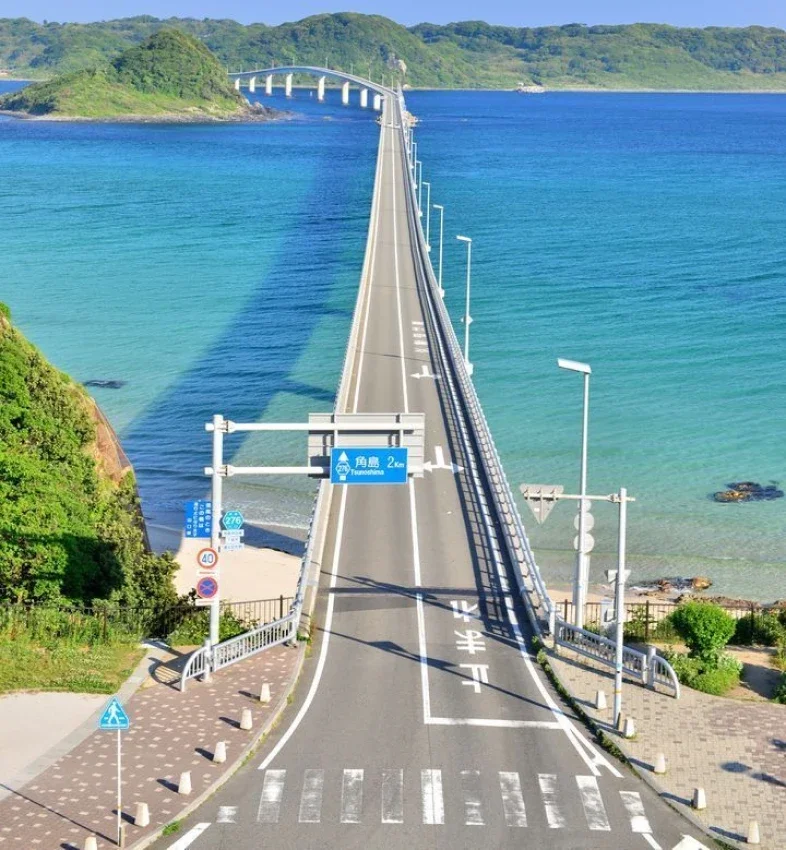
The Typhoon Factor: What You Actually Need to Know About Typhoon Season
Typhoons are the single biggest variable when planning a trip to Okinawa. These storms move through the Ryukyu arc and can significantly impact travel.
What Gets Affected First
Ferries
- Suspended when waves exceed ~3 metres
- High-speed ferries (Naha → Kerama Islands) stop earlier (~2.5m swells)
Flights
- Major airlines allow changes
- Budget airlines often do not
Ground Transport
- Stops at sustained winds of 25 m/s
- Includes taxis
Important for Remote Islands
If you're heading to:
- Ishigaki Island
- Miyako
- Zamami
Be aware:
- Supplies can run low
- ATMs may stop working
Autumn Typhoon Window (September–November)
- Stronger storms
- Longer rainfall periods
- Historically the most powerful typhoons occur in September
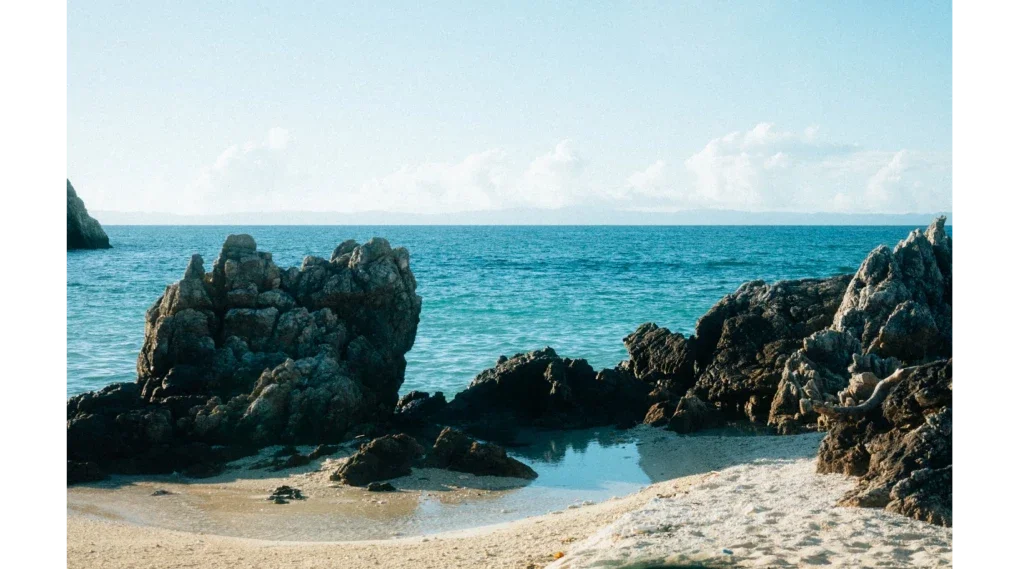
Diving in Okinawa: A Seasonal Breakdown for Snorkeling and Diving
Okinawa is a year-round destination to dive and snorkel, but conditions change significantly depending on the season.
Water Conditions
- Winter (main island): ~21°C
- Summer (southern islands): ~29°C
- Visibility: Up to 40m (varies seasonally)
Seasonal Breakdown
Late Spring (May–June)
- Best overall balance
- Calm seas
- Peak visibility
- Ideal time to explore underwater
Summer (July–August)
- Warmer water
- Visibility drops to ~20–25m
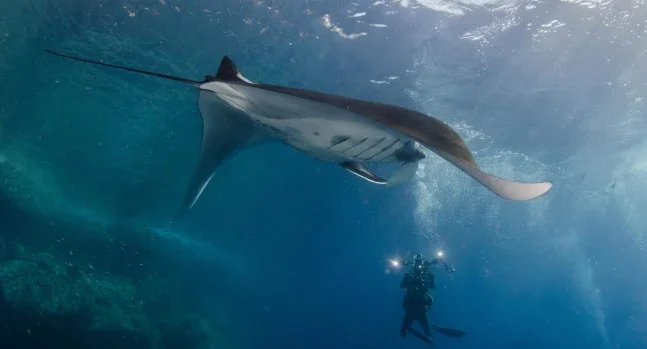
- Better for spotting manta rays
Post-Typhoon Season (October)
- Water still warm (~27°C)
- Visibility improves again
- Fewer crowds
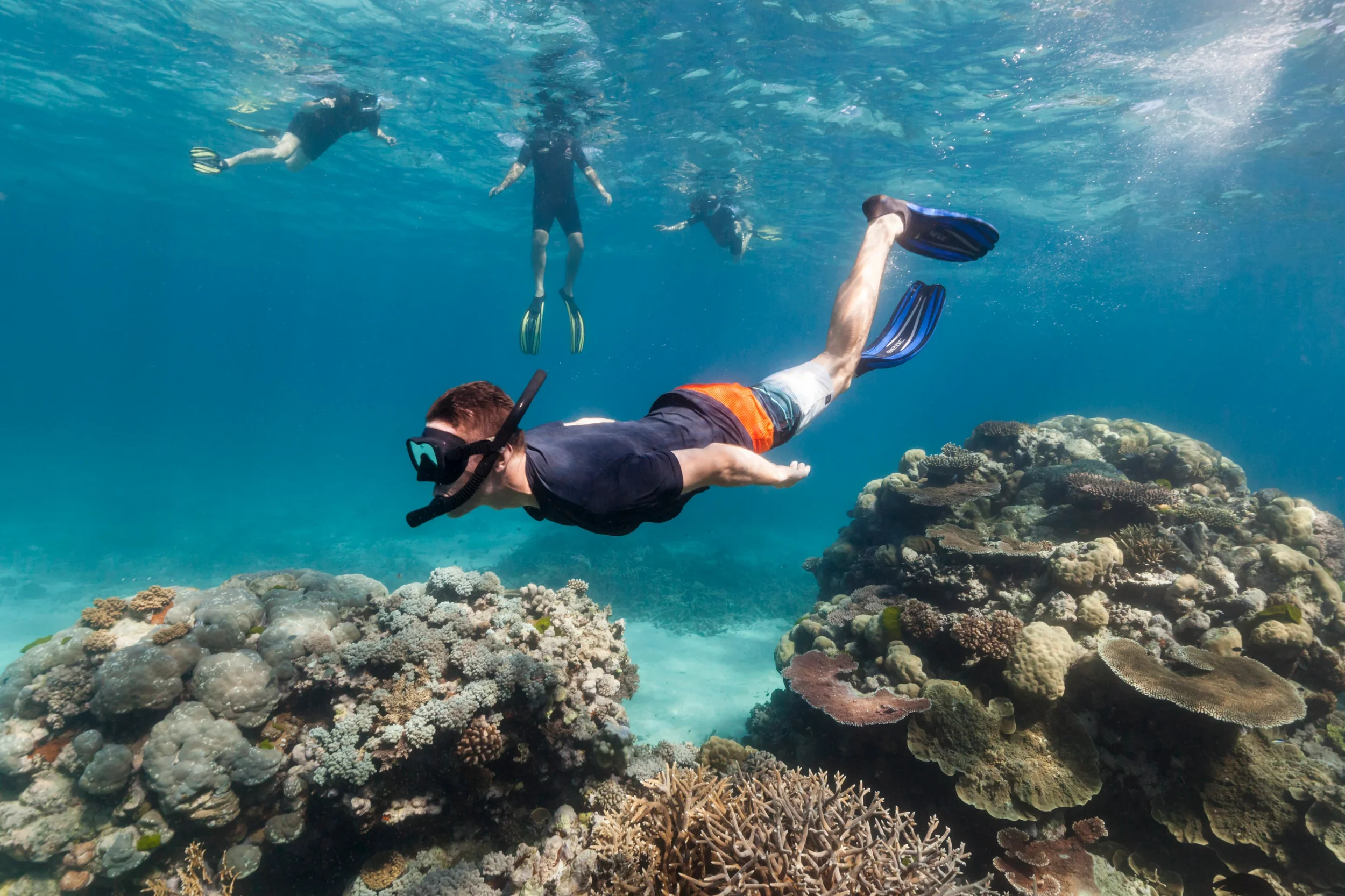
The Megafauna Calendar
Major wildlife highlights throughout the year:
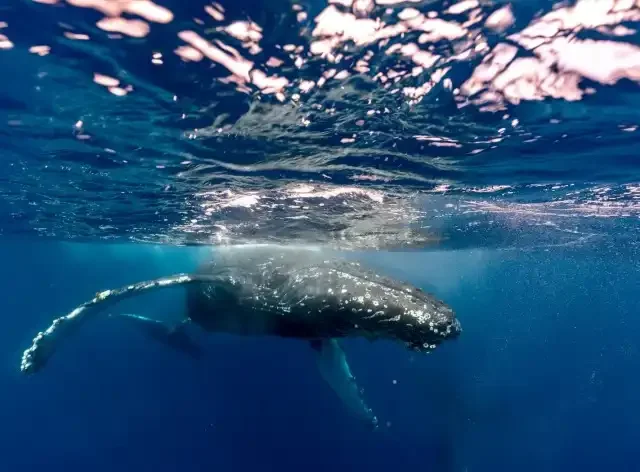
Species Best Time Location Hammerhead Sharks January–March Yonaguni Humpback Whales December–March Kerama Islands Jackfish Tornado May–July Aguni Island Manta Rays August–October Ishigaki
Hiking in Okinawa: Trails, Timing, and Hazards
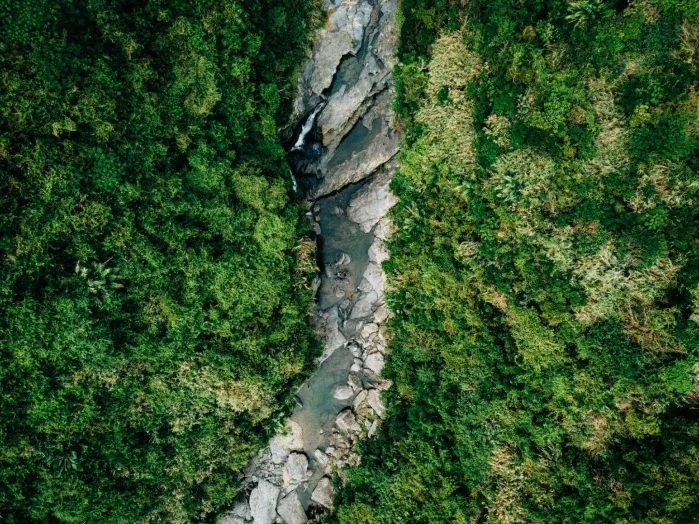
The Yanbaru region (northern main island) is a dense subtropical forest and a UNESCO-listed area.
Best Trails
Hiji Waterfall
- 1.5 km trail
- Moderate difficulty
- 26m waterfall
Daisekirinzan (Asmui)
- Limestone formations
- Multiple routes
- Can be slippery when wet
Taa-Taki Falls
- River trekking required
- Best in summer
- More technical
The Habu: Okinawa's Venomous Reality
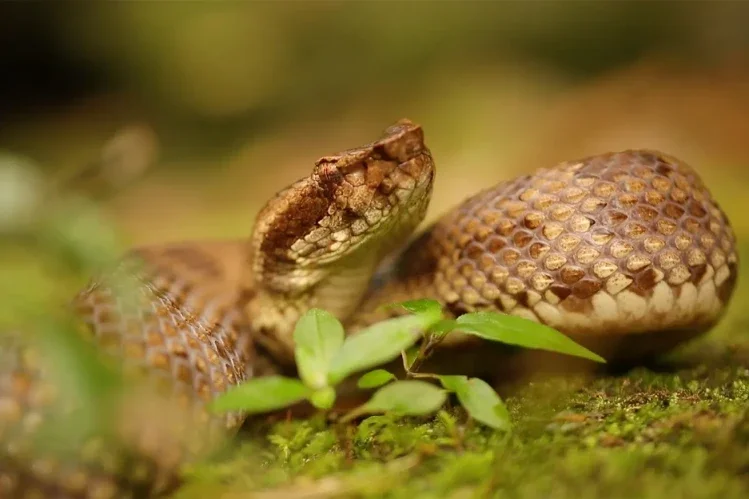
- Three species across Okinawa
- Active from March to October
- Strike range: ~1.5m
Safety Tips
- Keep at least 2m distance
- Move slowly away
- Stay alert even in cooler months
Heat and Sun
Okinawa has a stronger UV index than mainland Japan.
Key Considerations
- Summers are extremely humid
- Long-sleeve UV clothing is preferred locally
- Electrolyte drinks are essential
Month-by-Month: The Complete Guide
January : The Hidden Gem Month
January is Okinawa's quietest month, and one of the best months if you want to avoid the crowds.
- Temperature: ~20°C
- Rainfall: ~107mm
- Crowds: Very low
Highlights
- Peak hammerhead diving
- Ideal hiking conditions
- Early cherry blossoms in the north
Why Go
- Lowest prices
- Calm atmosphere
- Great time to explore without heat

February : Whales, Walks, and Quiet
One of the best time to go months for a balanced trip.
- Temperature: ~21°C
- Conditions: Stable
Highlights
- Whale watching (Kerama Islands)
- Nago Cherry Blossom Festival
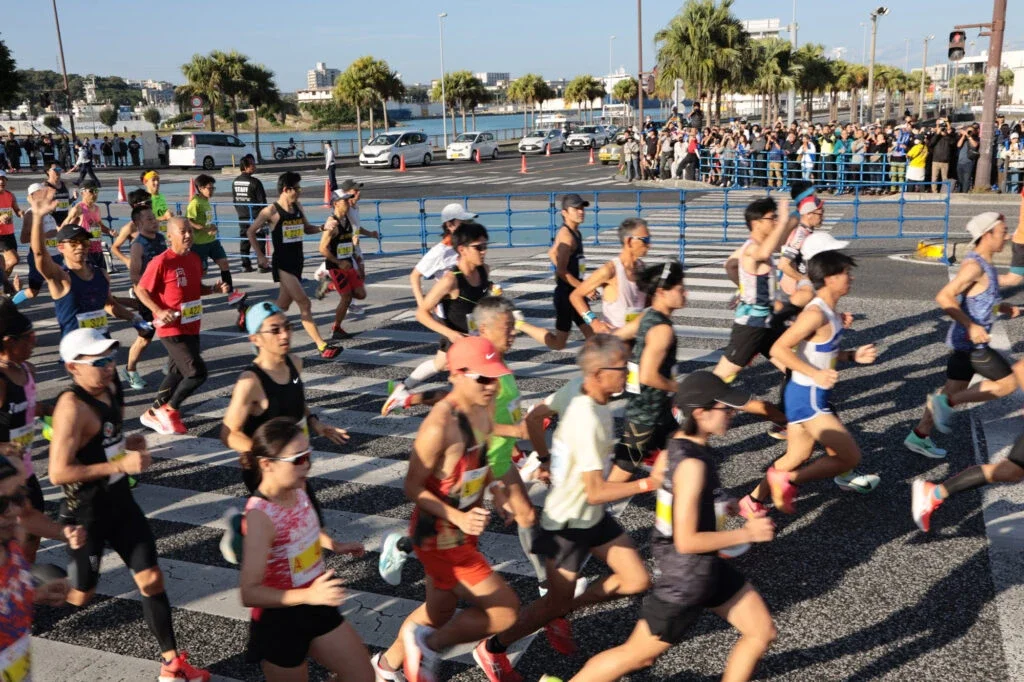
- Okinawa Marathon in Naha
Why Go
- Low cost + high experience value
- Excellent land exploration conditions
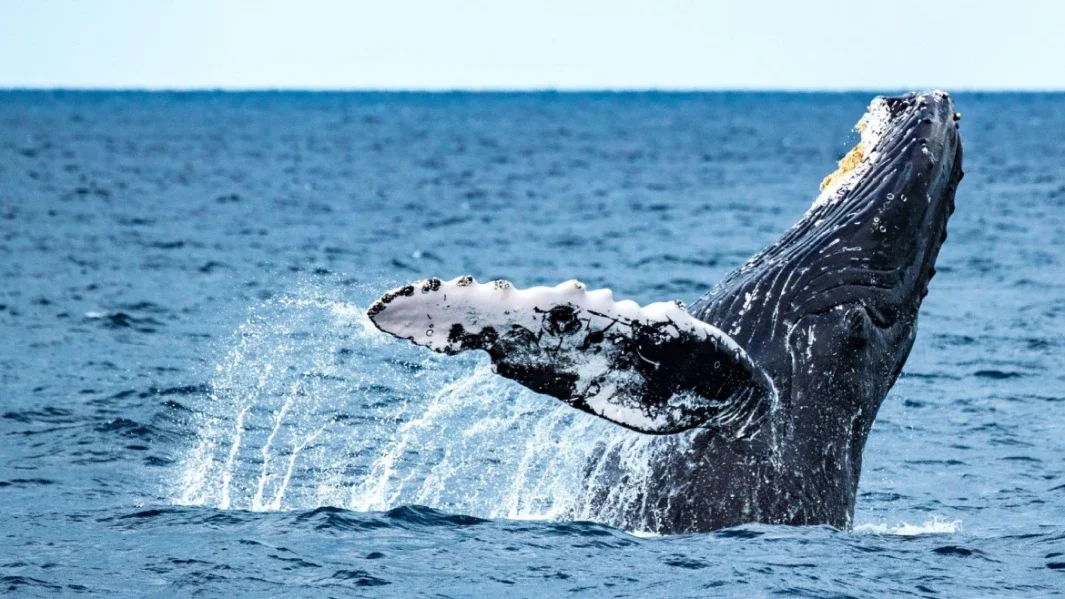
March : The Awakening
Marks the start of spring in Okinawa.
- Temperature: ~22°C
Highlights
- Sea-opening ceremonies
- Azalea Festival
Notes
- Increased habu activity
- Rising crowds mid-month
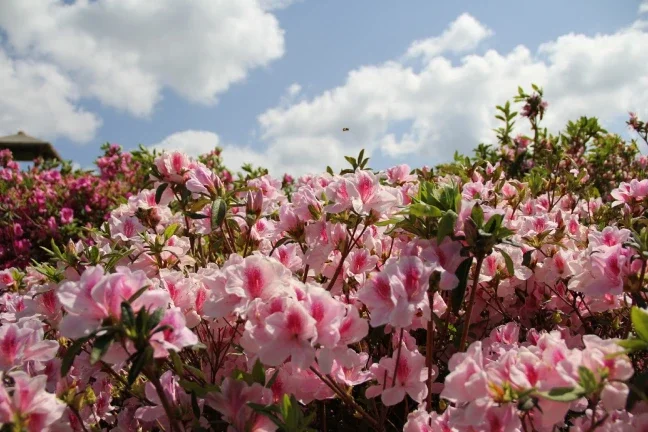
April : The Sweet Spot
Often considered the perfect time to visit Okinawa.
- Temperature: ~24°C
Highlights
- Dry trails
- Clear air
- Sea turtle sightings
Warning
- Golden Week starts late April → crowds spike
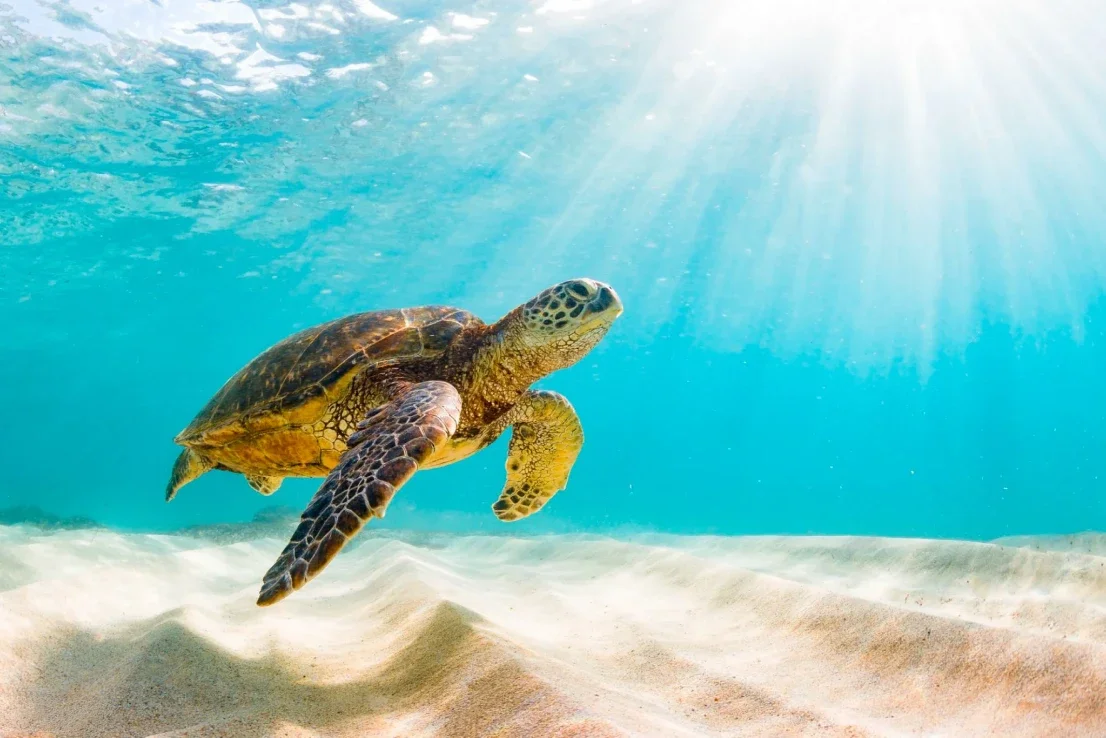
May : Golden Week, Then Golden Quiet
Split into two very different travel periods.
Early May
- Peak crowds (Golden Week)
- High prices
Late May
- Start of rainy season
- Fewer crowds
- Budget-friendly
Highlights
- Coral spawning
- Start of jackfish season
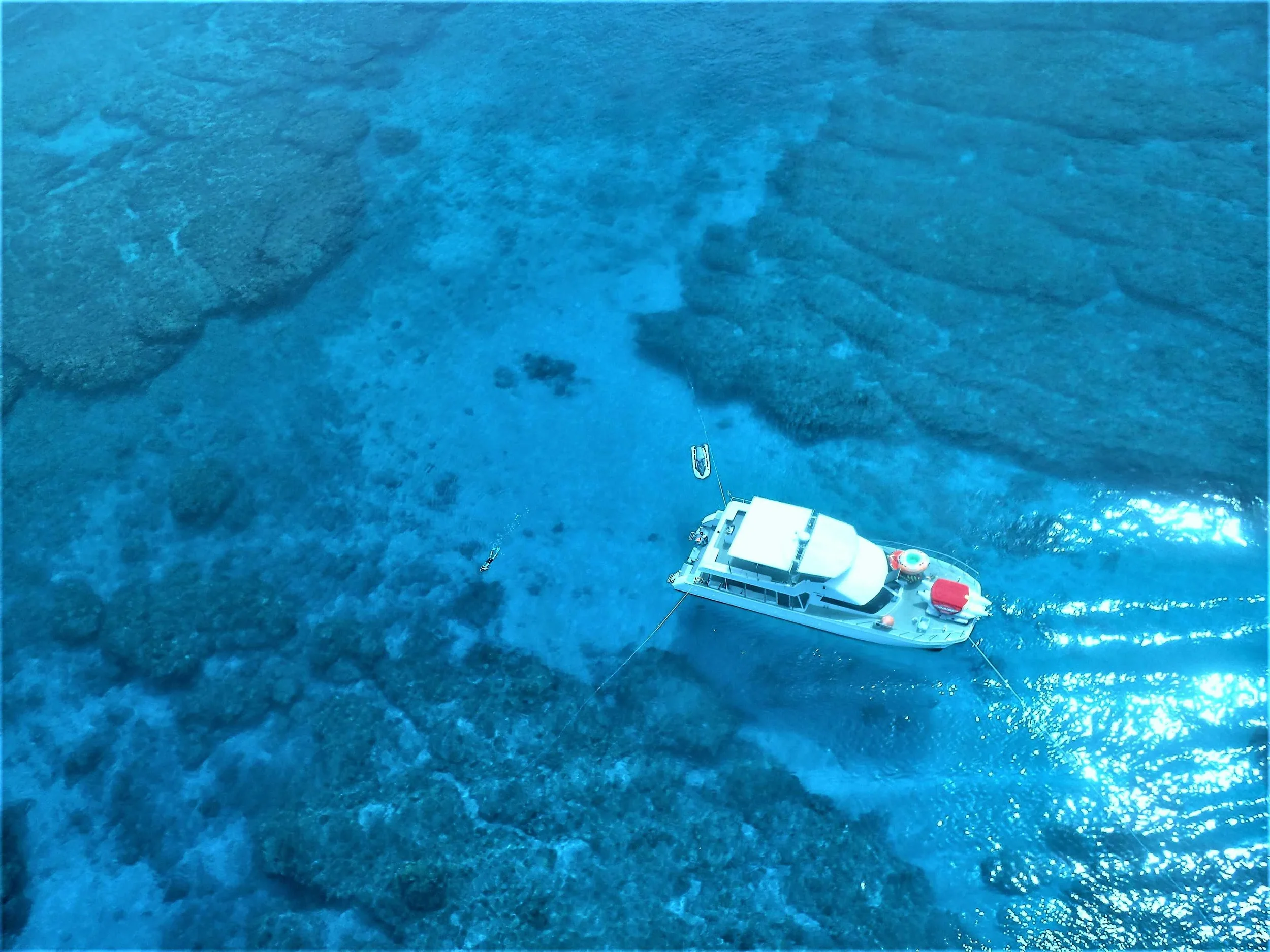
June : Wet but Worth It
Wettest month of the year.
- Rainfall: ~315mm
Highlights
- Low tourism early in month
- Excellent diving late June
Conditions
- High humidity
- Best for early morning hikes

July : Peak Summer
Classic tropical Okinawa experience.
- Water temp: ~28°C
Highlights
- Festivals
- Fireworks
- Ideal for snorkel beginners
Downsides
- Heat and humidity
- Rising typhoon risk
- Higher prices

August : Mantas and Maximum Risk
August in Okinawa is the hottest month of the year, often reaching around 29 degrees Celsius with high humidity, making it feel especially hot and humid.
Highlights
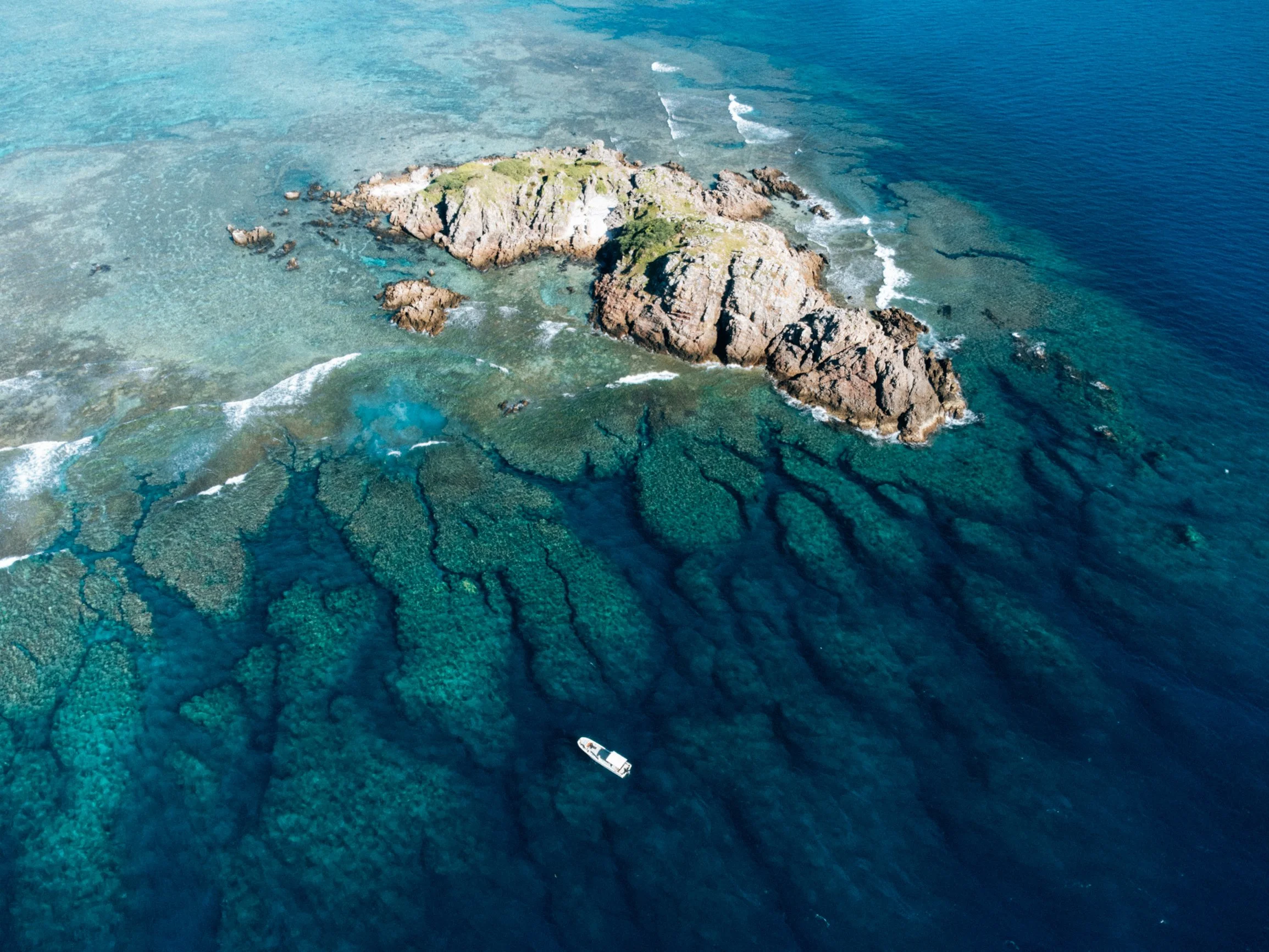
- Peak manta ray season around Ishigaki Island
- Sea turtle hatching experiences
- Excellent conditions for snorkeling and diving
Risks
- Peak typhoon season
- Obon holiday crowds
- High prices
September : Culture and Caution
September remains part of peak typhoon season, especially across August and September.
Conditions
- Slightly cooler than August
- Water temperatures at their peak (~29°C)
Highlights
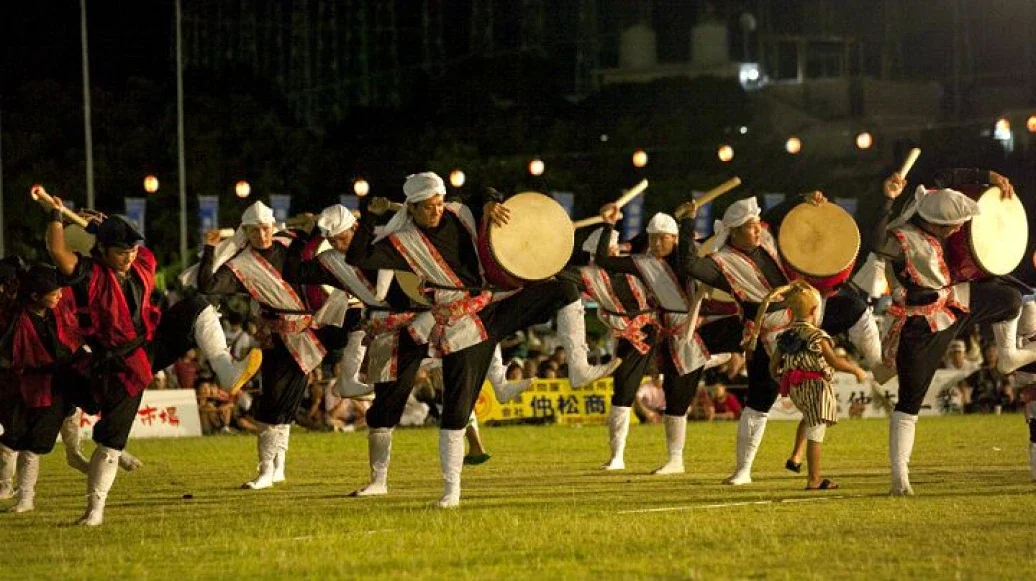
- Okinawa Zento Eisa Festival
- Strong marine activity around Ishigaki
Notes
- Typhoons can be strongest this month
- Crowds begin to ease mid-to-late September
October : The Local's Favourite
October is widely considered the best time to visit Okinawa for active travellers.
Conditions
- Lower humidity (~71%)
- Water temperature ~27°C
- Improved visibility
Highlights
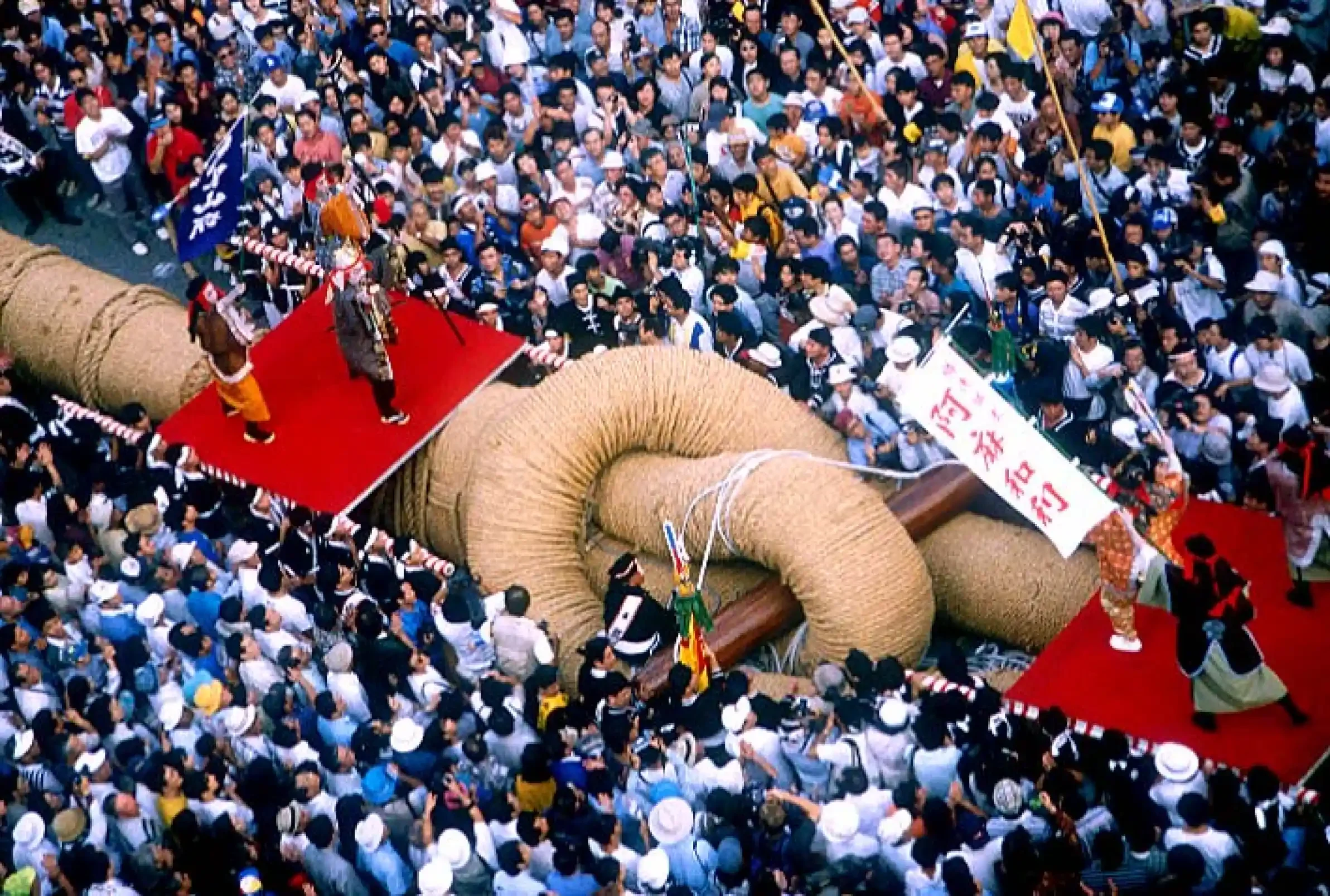
- Naha Tug-of-War Festival
- Excellent diving conditions
- Ideal hiking weather
Why Go
- Best balance of weather, price, and crowds
November : Stable and Serene
November offers the most stable weather of the year.
Conditions
- Low rainfall
- Minimal typhoon risk
- Highs around 25°C
Highlights
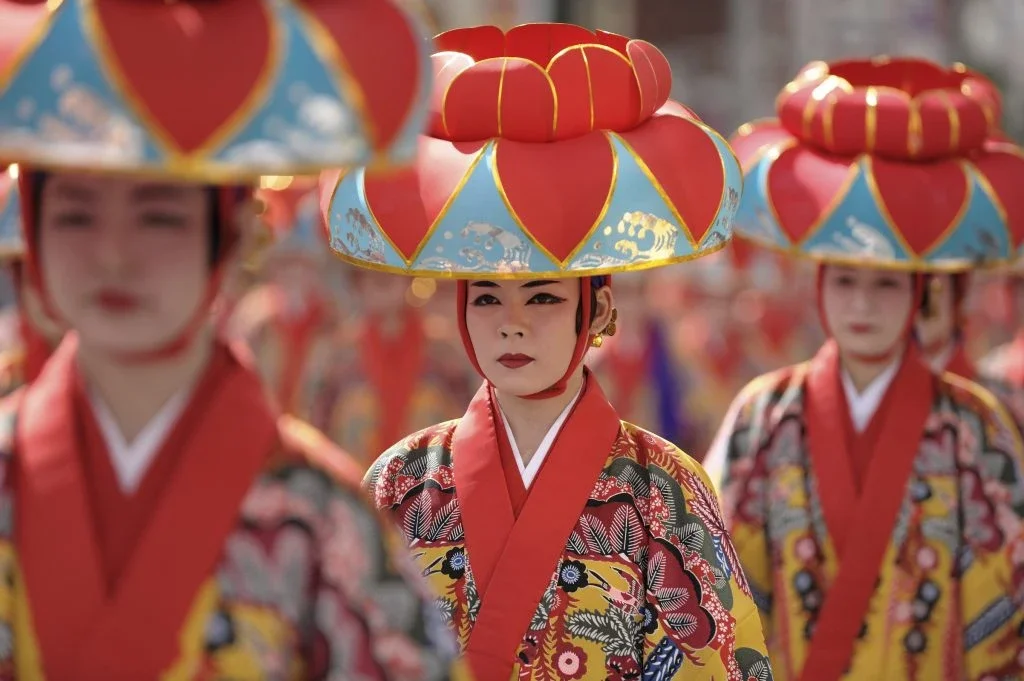
- Shuri Castle Festival
- Tsuboya Pottery Market
- Continued manta sightings
Why Go
- Peak trekking conditions
- Quiet atmosphere
- Great for slow travel
December : Quiet Magic
December blends calm travel with seasonal atmosphere.
Highlights
- Naha Marathon
- Winter illuminations
- Start of whale season
Notes
- Prices rise at end of month
- Book early for late December travel
Quick Reference: Best Month by Activity
Activity Best Months
Hammerhead diving: January–March (Yonaguni)
Whale watching: December–March (Kerama Islands)
Manta ray diving: August–October (Ishigaki)
Hiking: October–April
Cherry blossoms: Late January–February
Avoiding typhoons: November–June
Budget travel: January–February, late May
Snorkeling: July (best clarity for beginners)
Island hopping: April–June
Practical Tips Before You Go
Book Early
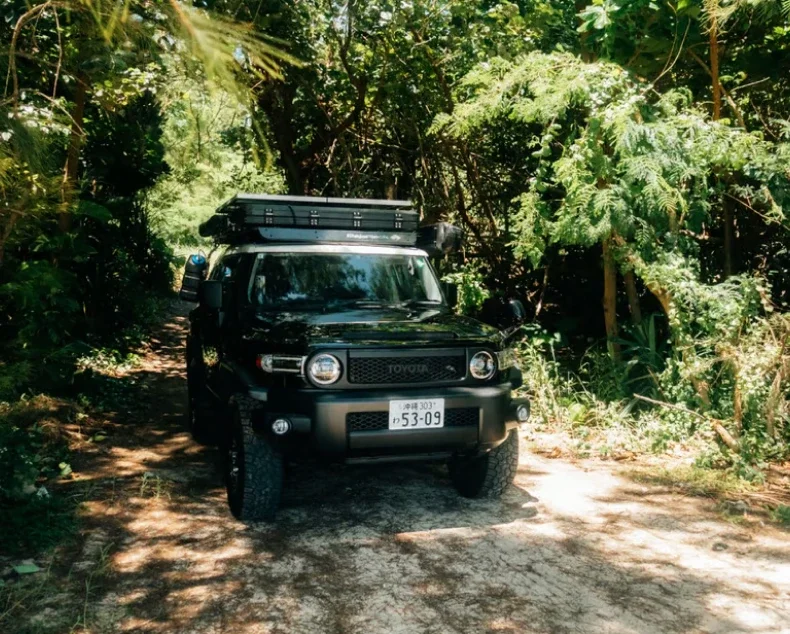
Okinawa has a vehicle shortage, especially for larger cars. Book rentals as soon as your flights to Okinawa are confirmed.
Driving Requirements
You need an International Driving Permit (1949 Geneva Convention). or an official license translation, depending on your country. Standard licenses alone aren’t accepted.
Stay Location
Consider staying in Naha for access to transport, ferries, and tours.
Reef Protection
Use reef-safe sunscreen to protect Okinawa’s coral reefs.
Diving Safety
Look for certified operators (マル優 mark) to ensure safety and insurance compliance.
Typhoon Planning
If you're island hopping during typhoon season:
- Add buffer days
- Avoid tight connections
- Keep flexible plans
FAQ: Best Time to Visit Okinawa
What is the best time to visit Okinawa?
The best time to visit Okinawa is April to June and October to November. These months offer pleasant weather, lower humidity, and fewer crowds.
When is typhoon season in Okinawa?
Typhoon season runs from May to December, peaking in August and September.
Can you swim year-round?
You can visit a beach year-round, but the best beach time is June to October when sea temperatures are warm.
Is winter in Okinawa worth it?
Yes. Winter in Okinawa offers fewer crowds, lower prices, and whale watching opportunities.
What are the best months for diving?
May to October is the best time for diving, especially around Ishigaki Island for manta rays.
When is the rainy season?
The rainy season typically runs from May to June.
What is the hottest month?
August is the hottest month of the year, with high humidity and temperatures around 29°C.
Is Okinawa better than mainland Japan for beaches?
Yes. Okinawa has clearer water, white sand beaches, and better coral reef ecosystems.
When should I go for fewer crowds?
January, February, and late May are best if you want to avoid the crowds.
How long should I stay?
Plan 4–7 days to explore Okinawa, including nearby islands like Miyako Island and the Yaeyama Islands.