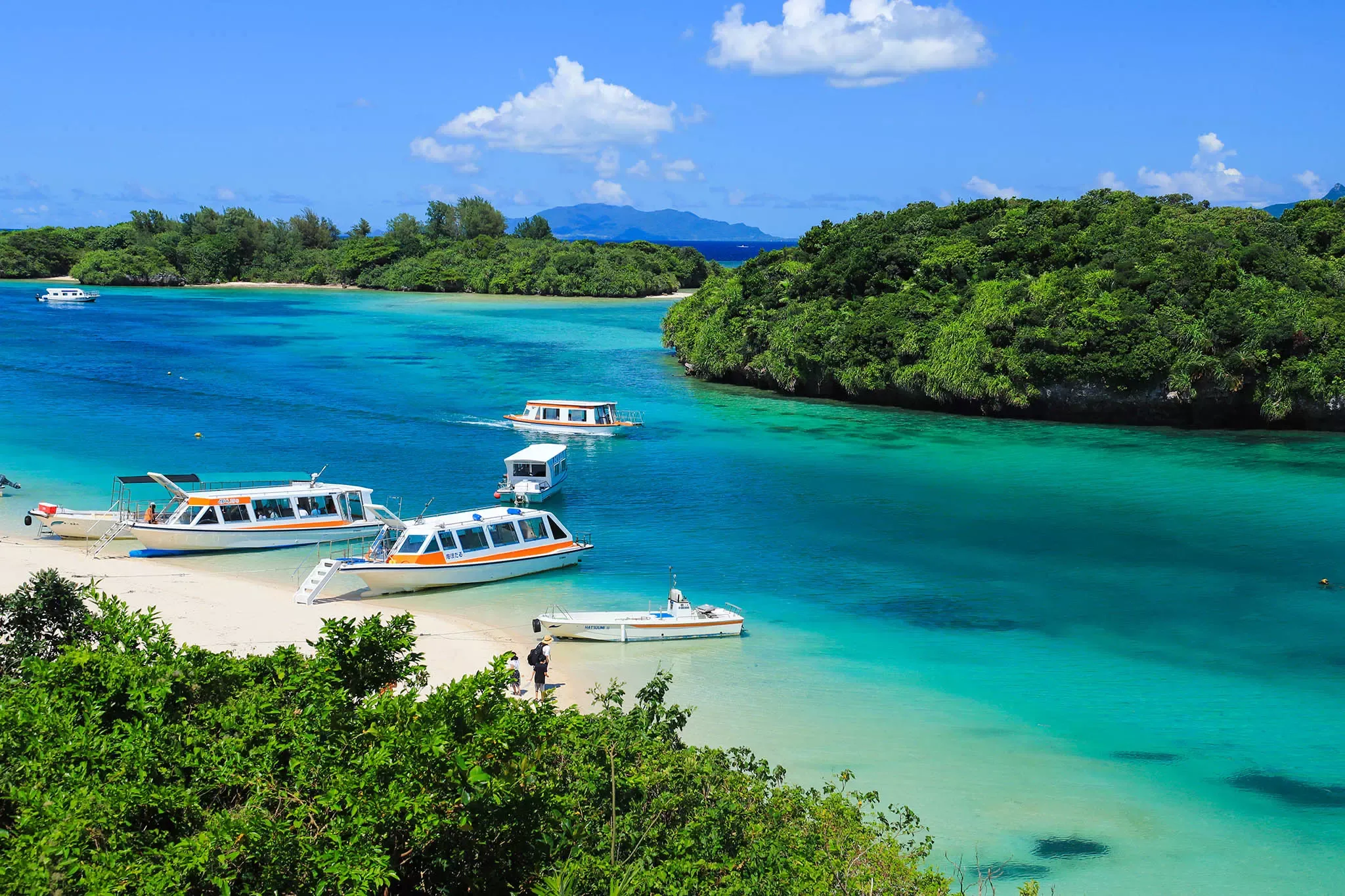
Every winter, something remarkable happens just off the coast of Okinawa. Humpback whales, some of the largest mammals on earth arrive from the cold waters of the North Pacific to breed and give birth, and nurse their calves in the warm waters of Okinawa's subtropical sea. For a few precious months during the winter months, these giants are close enough to watch from a boat, and the chance to encounter them is genuinely extraordinary.
If you're planning an Okinawa trip or already live here, this guide covers everything you need to know: the best season to go, where to book a whale watching tour, what to expect on the water, and how not to spend the whole ride leaning over the railing. Consider this your complete information about whale watching in Okinawa from first-timers to repeat visitors.
Why Okinawa Is One of Japan's Best Places to Watch Whales
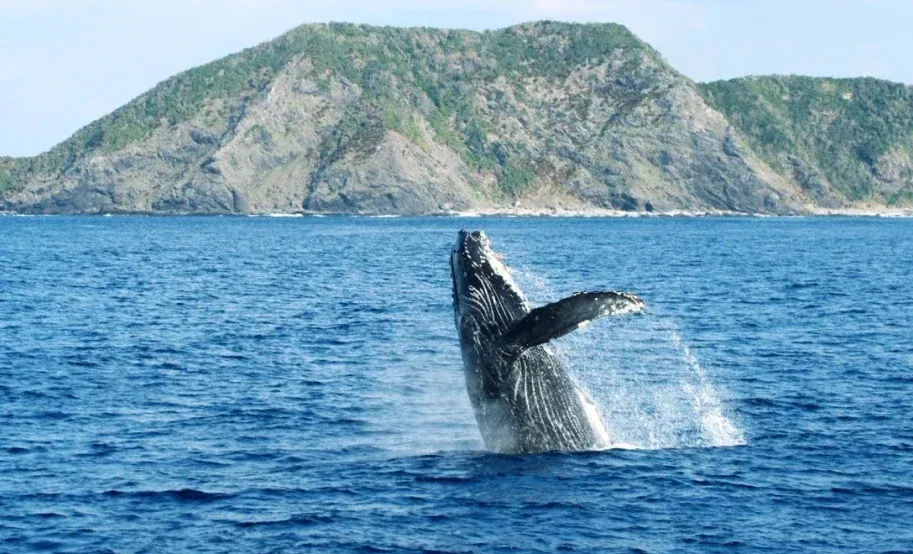
Okinawa whale watching punches well above its weight as a destination. After spending summer feeding in the colder northern seas, humpback whales migrate south each winter in Okinawa to breed and give birth and raise their calves in the warm subtropical ocean.
What makes this so special for visitors is the geography. Okinawa's Kerama Islands, just west of the Okinawa main island, sit right in the middle of this migration route and have earned a reputation as a whale watching "mecca." Whale watching tours departing from Naha or the Kerama ports typically run just two to three hours at sea, far shorter than comparable trips in Hokkaido or the Tokyo Bay area.
Then there's the sheer encounter rate. In peak season, some companies report whale sighting rates of 95 to 100%, and many tour operators even advertise a money-back guarantee if no whale is spotted. Those are remarkable numbers, and for the most part, they hold up. This makes winter whale watching in Okinawa one of the most reliable wildlife experiences in all of Japan.
When to Go: Picking the Right Month (Best Season)
The whale watching season runs roughly from late December through early April, with mid-January through March offering the most reliable whale sightings.
Month Activity Level What to Expect Late December Low–Moderate Season opens; fewer whales, smaller crowds January Moderate Whales arriving by late Jan; less consistent sightings February****Peak95–98% encounter rate; most dramatic behavior March High Great for mother-and-calf pairs; numbers taper late month Early April Low–Moderate Season winds down; whales heading north
February: The Peak Month
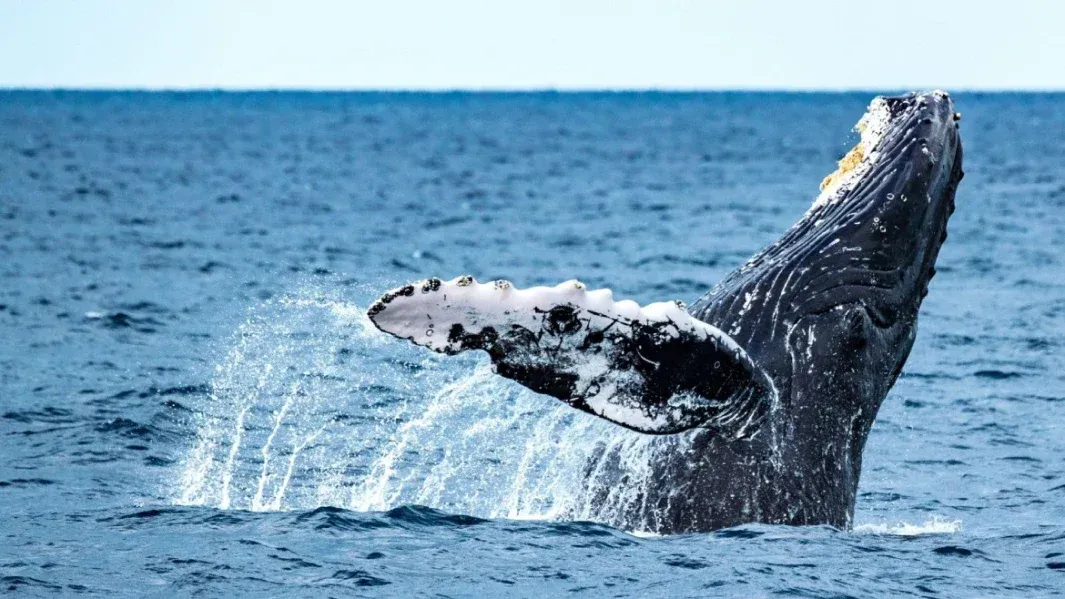
February is the standout month. Sea conditions tend to be more stable and calm, majestic humpback whales are actively feeding their calves, and guides report extremely high encounter rates, often 95 to 98% or better. It's also the month where you're most likely to witness dramatic behavior. One tourism resource describes February as a season when you can observe a variety of behaviors up close, such as powerful jumps and tail-slapping, with generally calm waters. If an unforgettable whale watching experience is what you're after, this is your window.
January: Quieter but Worth It
January is quieter. Humpback whales begin arriving by mid-to-late January, so whale sightings are possible but less consistent. Crowds are smaller and tours are less frequent, which can actually make for a more peaceful Okinawa trip.
March: Calves and Closings
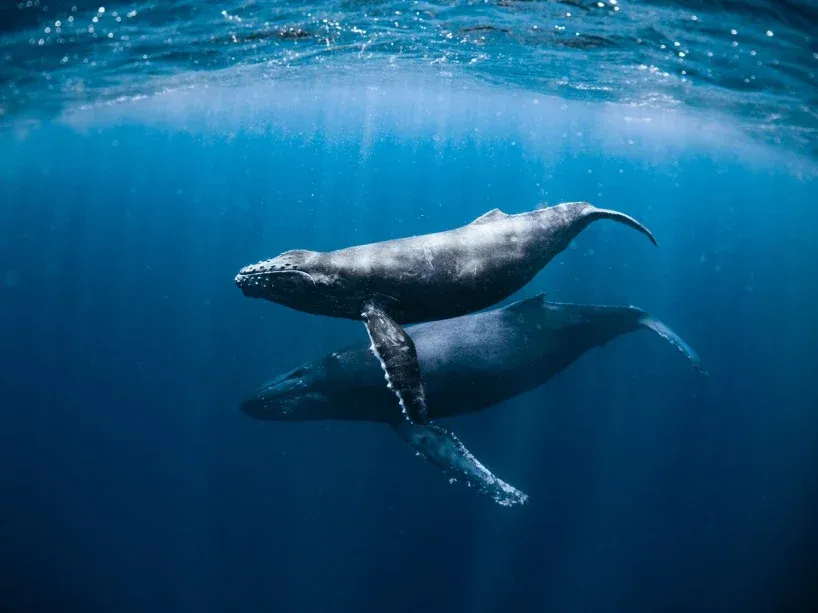
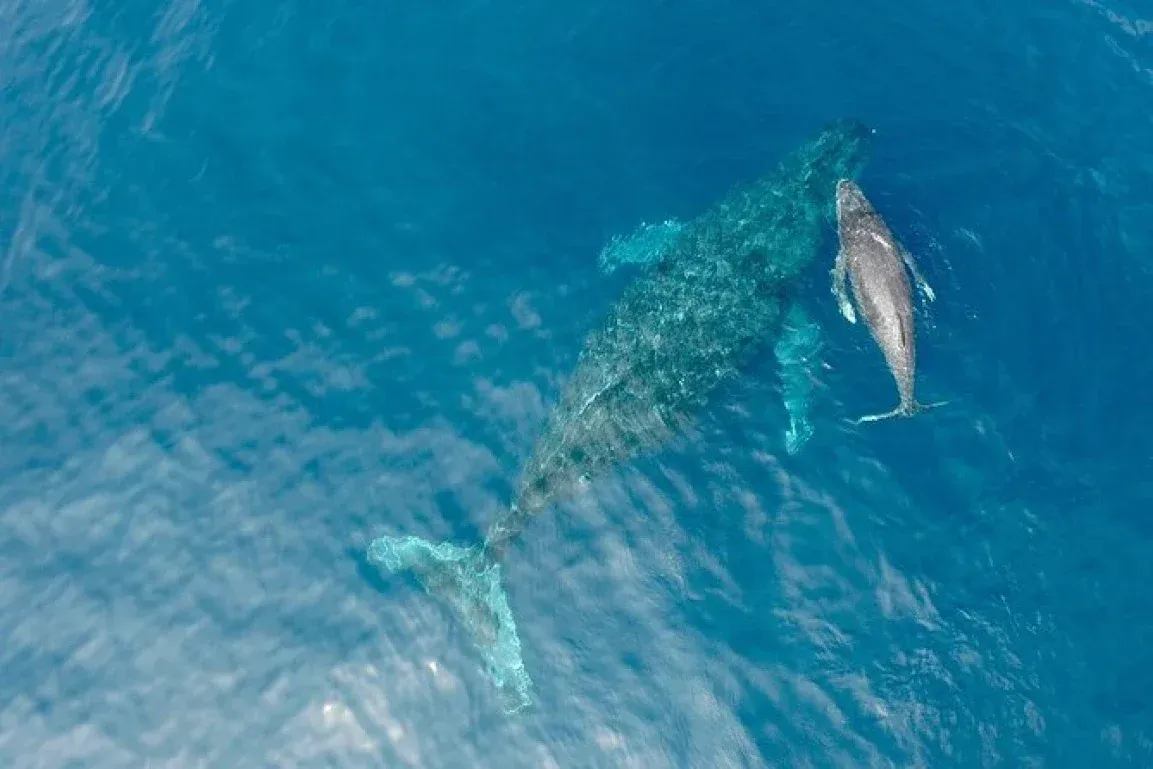
March is still worth it, especially early in the month. Whale numbers start declining by late March, but it's a great time for stunning whale sightings, especially mothers and calves swimming together, arguably the most moving sight of the entire season.
If you can only pick one window, aim for the first three weeks of February.
Where Tours Depart From ?
Naha City: The Main Hub
Naha is the main hub for whale watching in Okinawa. Most tour operators run from the ports near downtown Naha City, including Tomari Port and Miegusuku Port, making them very accessible from Naha Airport. A tour from Naha will typically head west toward the Kerama Islands, which is where the whales are most reliably spotted. Many operators catering to tourists offer hotel pickup, and some even have a multilingual audio guide available or an English guide on board, which takes the stress out of getting to the meeting point on time.
Arrive at the meeting point at least 15 minutes before departure, as most boats leave promptly. If you're departing from Naha, check whether your tour leaves from Tomari or Miegusuku Port, as they're on opposite sides of the port district.
Kerama Islands (Zamami, Tokashiki, Aka): Closest to the Whales
The Kerama Islands are even closer to where the whales are. Boats departing from Zamami Island spend less time cruising before reaching them, which can be a real advantage on choppy days. If you're planning to overnight on one of the islands anyway, joining a local boat there makes a lot of sense.
Motobu / Northern Okinawa:The Quieter Option
The Motobu Peninsula, not far from the Churaumi Aquarium, sees occasional humpback whales and is a quieter option for whale watching in Okinawa, though they are a bit farther from shore. There are also small operations in the waters off Ie Island and around the Yomitan and Onna Village area, though these are less common than tours departing from Naha or the Kerama Islands.
What You'll Actually See
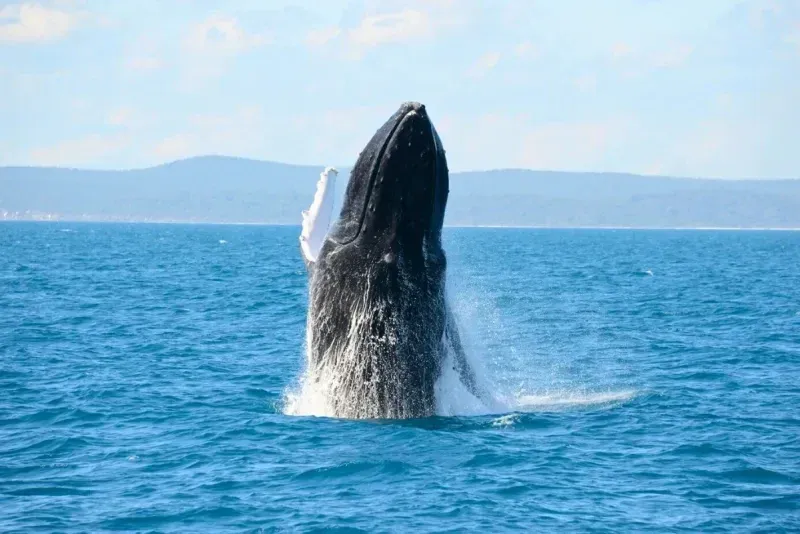
Okinawa's whale watching tours focus entirely on humpback whales, the largest mammals among the species visitors are likely to encounter in Japanese waters, and the ones famous for breaching and vocalizing. Here's what a typical morning and afternoon tour looks like and what activities you can experience on the water:
Blows (Spouts)
Usually the first sign. Humpback whales surface to breathe, releasing a spray up to three to five meters high, and guides are trained to spot these from far away. The moment someone on deck yells "blow!" and points, everything gets exciting.
Tail (Fluke) Displays
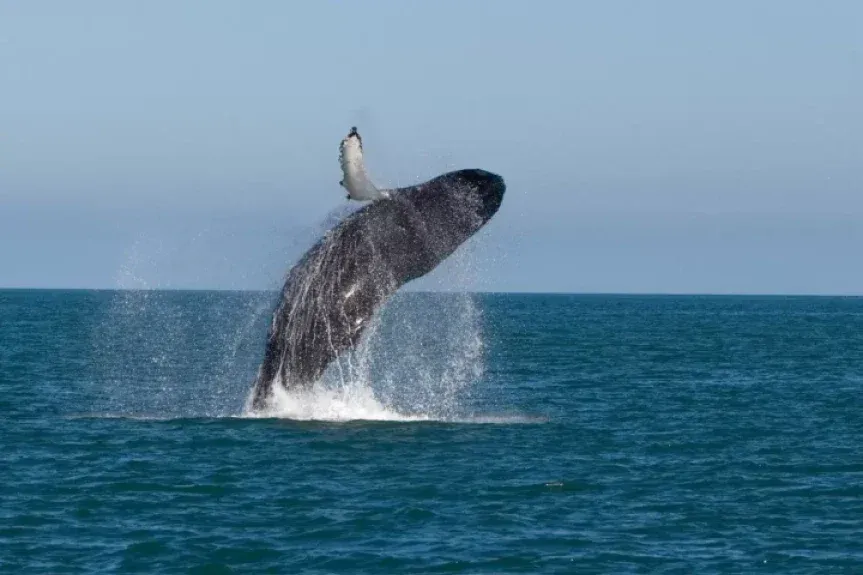
Common and ideal for spectacular whale photos. When a humpback dives, it arches its back and raises its tail fin clear of the water. The underside of the fluke has a distinctive black-and-white pattern, no two are exactly alike.
Breaching
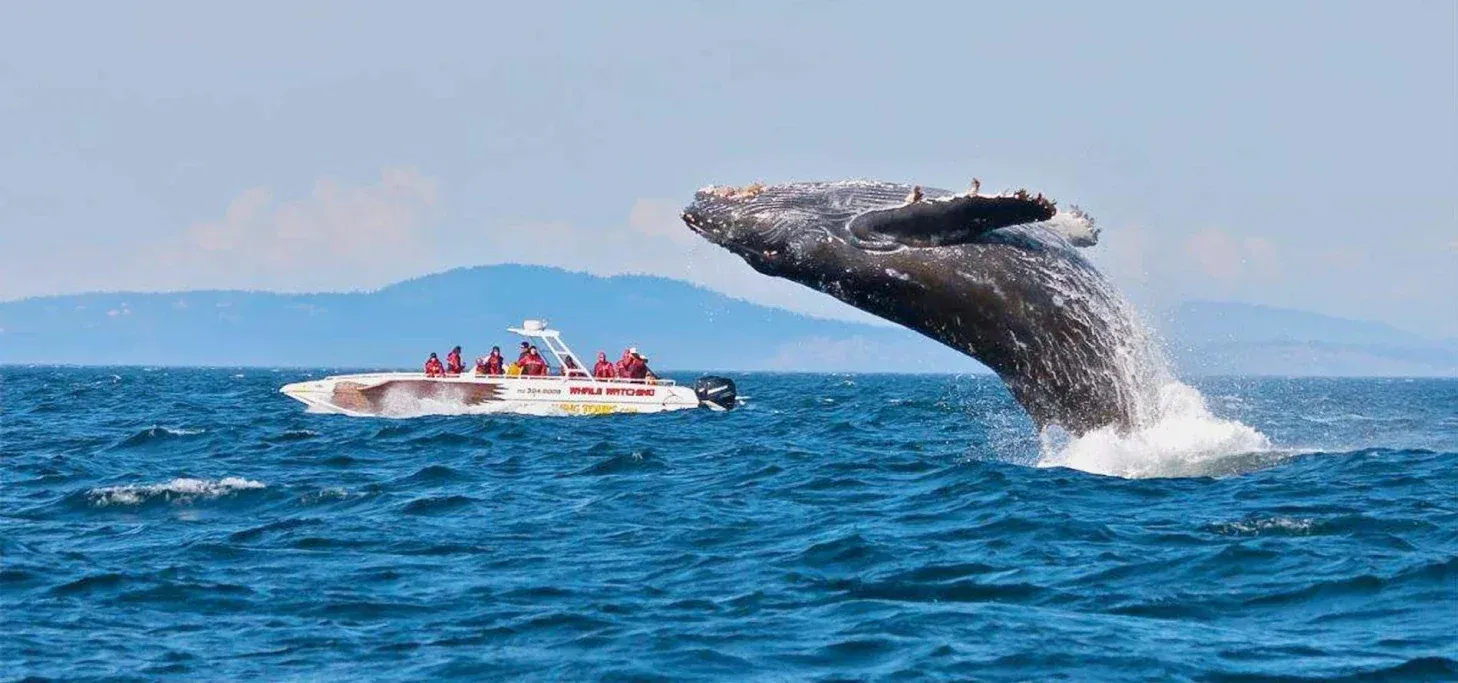
When a whale launches itself out of the water, the showstopper, but a full breach isn't guaranteed on every whale watching tour. Weather, time of year, and the whales' mood all play a role. Your best odds are in February.
Mother-and-Calf Pairs
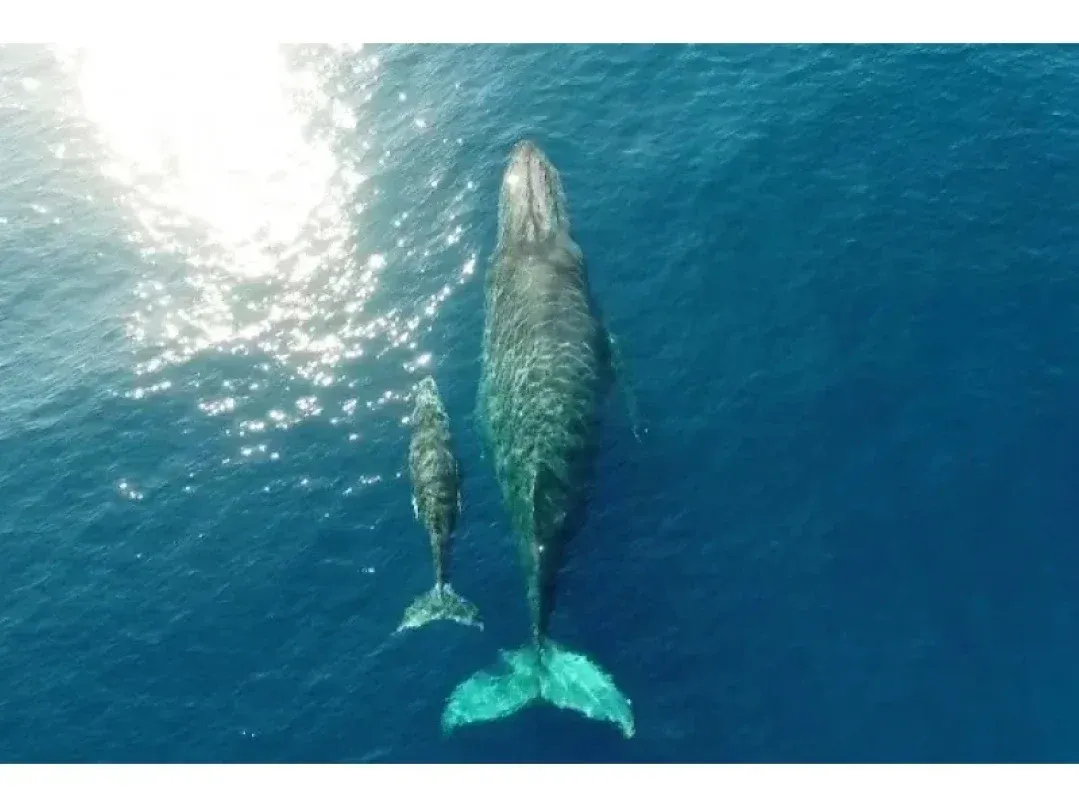
Especially common in February and March. Watching a small calf swim alongside its mother is the kind of thing that makes for a truly unforgettable experience.
Other Marine Life
Beyond the whales, you might also spot marine life including dolphins, sea turtles, and flying fish, though on a whale watching tour in Okinawa, everything else is very much a bonus.
Keep expectations realistic: Most whale watching tour operators limit observation to spending roughly one hour observing the whales to avoid disturbing them. You might see the whales breach dramatically, or you might simply see a spout and a disappearing tail, and honestly, even that tends to leave people grinning.
How to Avoid Seasickness (Seriously, Plan for This)
This is the part most guides gloss over, but it matters. Winter seas in Okinawa can be unpredictable, and even a relatively short boat ride can feel very rough when the wind picks up. Anyone prone to seasickness should take this seriously before their whale watching experience.
Take Medication Before You Board
Over-the-counter remedies like dimenhydrinate (Dramamine) or meclizine (Bonine) are commonly used, as is the prescription scopolamine patch. For best results, take medication at least one hour before boarding. Some people take a dose the night before an early-morning departure.
Choose Your Position on the Boat
Sit in the middle of the boat on the lower deck if possible, this area experiences the least motion. Face forward, not backward, and fix your eyes on the horizon if you start to feel motion sickness coming on.
Eat Smart
Drink plenty of water, avoid alcohol before the trip, and skip heavy or greasy food. Light, bland snacks work best, crackers or ginger biscuits are a reliable choice.
Stay on Deck
Fresh air is your friend. Going below to the cabin often makes seasickness worse. Bring a layer, the wind at sea is much colder than it looks from shore.
Pack a Seasickness Kit
Anti-nausea wristbands, extra motion-sickness pills, and ginger candy are all worth throwing in your bag. One Okinawa tour operator explicitly recommends that passengers bring both medication and acupressure bands. Even if you don't normally get seasickness on land, a boat trip in winter conditions is a different experience entirely.
Choosing the Right Tour
With so many operators to choose from, a few things are worth checking before you book a whale watching tour:
Boat Size
Large catamarans are more stable in rough water and generally better for anyone who is prone to seasickness. Smaller speedboats can get closer to the whales faster, but they rock more on choppy days.
Sighting Guarantees and Cancellation Policy
Many Okinawa operators offer a full refund or a free return trip during January through March if no whales are spotted. In a case of bad weather, reputable tour companies will typically cancel and allow you to get a refund or reschedule, always read the cancellation terms carefully. Cancellation due to weather is common in winter, so flexibility in your schedule helps.
Language
In tourist-heavy areas like Naha City and the Kerama Islands, many companies provide an English guide. If this matters to you, verify before booking. Some tours also offer a multilingual audio guide available for non-Japanese speakers.
Cost and Inclusions
Adult price : Approx. ¥5,000 to ¥6,500
Typically included : Boat ride, guide, life jacket, raincoat rental, drinks
Children : Discounted or free depending on age
Life jacket : Mandatory for all passengers
Book Early
February weekends sell out fast. If you're set on a specific date for your Okinawa whale watching tour, reserve at least a few weeks in advance.
What to Pack
Motion sickness medication : Take at least 1 hour before departure
Warm, windproof : layers Deck gets cold during winter in Okinawa
Waterproof outer layer / rain poncho : Spray is common
Non-slip shoes : Boat decks get wet
Sunscreen and sunglasses : Okinawa's sun is strong even in winter
Waterproof bag for phone / camera : Especially useful for whale photos
Light snacks Crackers, ginger candy, bland foods
Acupressure wristbands : Helpful if prone to seasickness
.webp)
A Note on the Experience
A successful whale watching experience in Okinawa tends to divide people into two camps before they go: those who expect something cinematic, and those who are just there to see what happens. The second group almost always has a better time.
Wild animals don't perform on cue. Some days the whales breach dramatically right next to the boat. Other days you see the whales at a distance, a spout on the horizon, a chance to see the fin and fluke as they disappear into the deep. Both of those are genuine encounters with one of the largest mammals on the planet in its natural habitat, which, when you stop and think about it, is remarkable.
Operators typically limit the chance to encounter the whales to around one hour of observation to avoid stressing the animals, and that time can pass in a blur. Have your camera ready for that chance of encountering a breach or tail slap, but also just look sometimes. The photos are great; the memory of actually being there is better.
FAQ: Whale Watching in Okinawa
When is the best time to go whale watching in Okinawa?
The season runs from late December through early April, but February is widely regarded as the peak month. Encounter rates are highest, sea conditions tend to be calmer, and whales are most active during this window. If you can only go once, aim for the first three weeks of February.
What kind of whales will I see?
Tours in Okinawa focus on humpback whales, which migrate into the warm subtropical waters each winter to breed and give birth. They are among the largest mammals on earth and are well known for dramatic surface behaviors like breaching, tail-slapping, and spouting.
Are whale sightings guaranteed?
No tour can offer a 100% guarantee, but encounter rates in Okinawa are among the highest in Japan, often 95 to 98% during peak season. Many operators offer a full refund or a free return trip if no whales are spotted, so it's worth asking about the cancellation and refund policy before you book.
What happens if the tour is cancelled due to bad weather?
Reputable tour companies will cancel departures when sea conditions are unsafe and will typically offer a refund or the option to reschedule. Always check the cancellation terms when booking, and try to build some flexibility into your schedule in case of bad weather.
Is there an English guide available?
Many operators in Naha City and the Kerama Islands offer English-speaking guides, and some also have a multilingual audio guide available. If language support is important to you, confirm this directly with the tour company before booking.
How do I avoid getting seasick?
Take motion sickness medication at least one hour before boarding. Sit in the middle of the boat on the lower deck, face forward, and keep your eyes on the horizon. Stay on deck for fresh air, eat light beforehand, and pack acupressure wristbands and ginger candy as backup. Winter seas can be unpredictable, so it's worth preparing even if you don't usually get seasick.
Is whale watching in Okinawa suitable for children?
Generally yes. Most family-friendly tours welcome young children, and many offer discounted or free tickets for kids depending on age. A life jacket is mandatory for all passengers regardless of age. Keep in mind that children can be more prone to seasickness, so pack accordingly and choose a larger, more stable boat if possible.
How much does a whale watching tour cost?
Most tours run between ¥5,000 and ¥6,500 for adults. This typically includes the boat ride, a guide, a life jacket, raincoat rental, and drinks. Children's rates vary by operator and age. Some tours also include hotel pickup in Naha City.
Where do tours depart from?
The main departure points are Naha City (from Tomari Port or Miegusuku Port), the Kerama Islands (including Zamami Island), and the Motobu area in northern Okinawa. Tours departing from Naha are the most accessible for most visitors, while Kerama-based tours tend to reach the whales more quickly due to proximity.
How long does a typical whale watching tour last?
Most tours run between three and four hours in total, including travel time to and from the whale watching area. Operators generally spend around one hour observing the whales before heading back to port to avoid disturbing the animals.
Evertrail Tours · April 19, 2026