Short on time?
- Best for snorkeling right off the shore
- Cape Maeda (Onna) – Famous Blue Cave tours
- Sesoko Beach (Motobu) – Clear shallow reef
- Best for families with kids
- Emerald Beach (Motobu, near Churaumi Aquarium) – Safe, net-protected, with showers, lifeguards, and nurses on duty
- Best for romantic sunsets
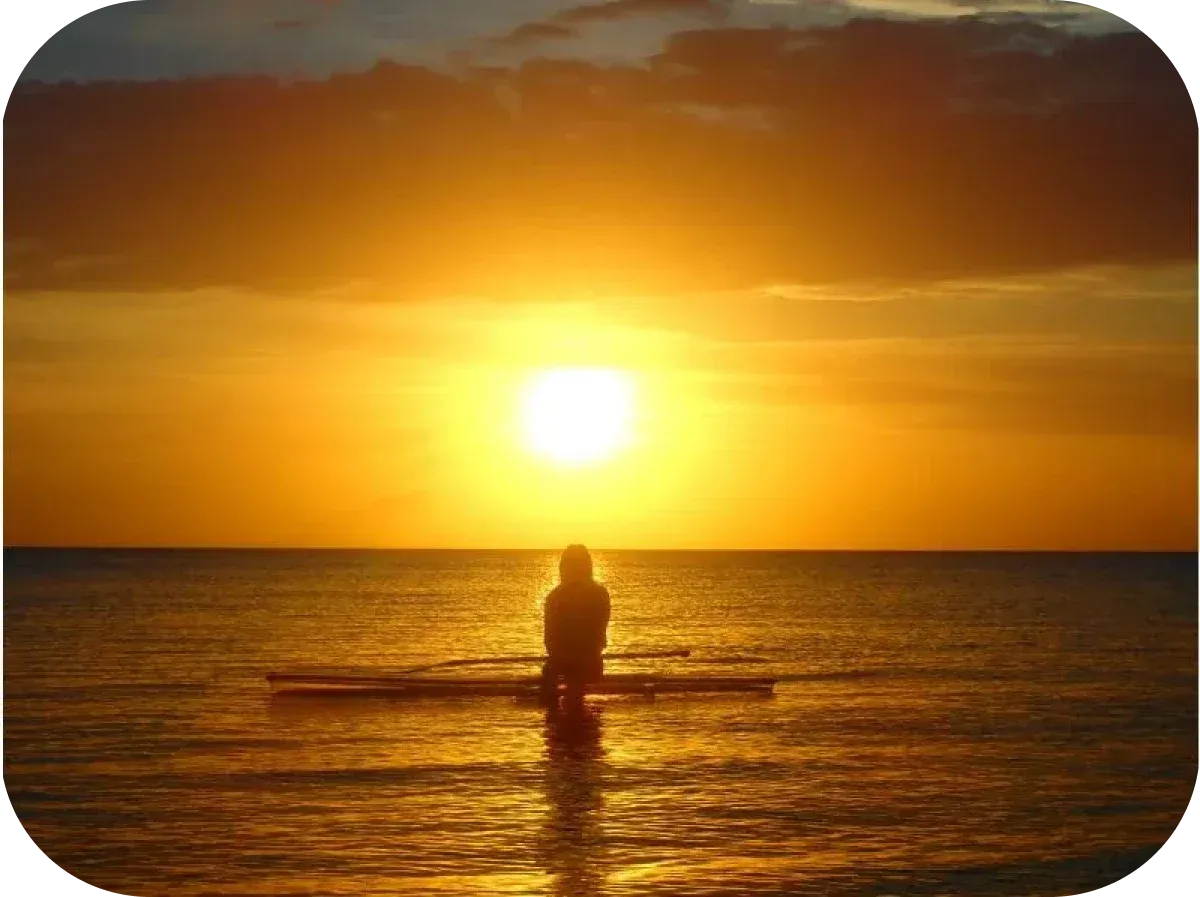
- Sunset Beach (Chatan) – Golden skies by American Village
- Sesoko Beach (west coast) – Orange sunset with Ie Island backdrop
- Best coral gardens
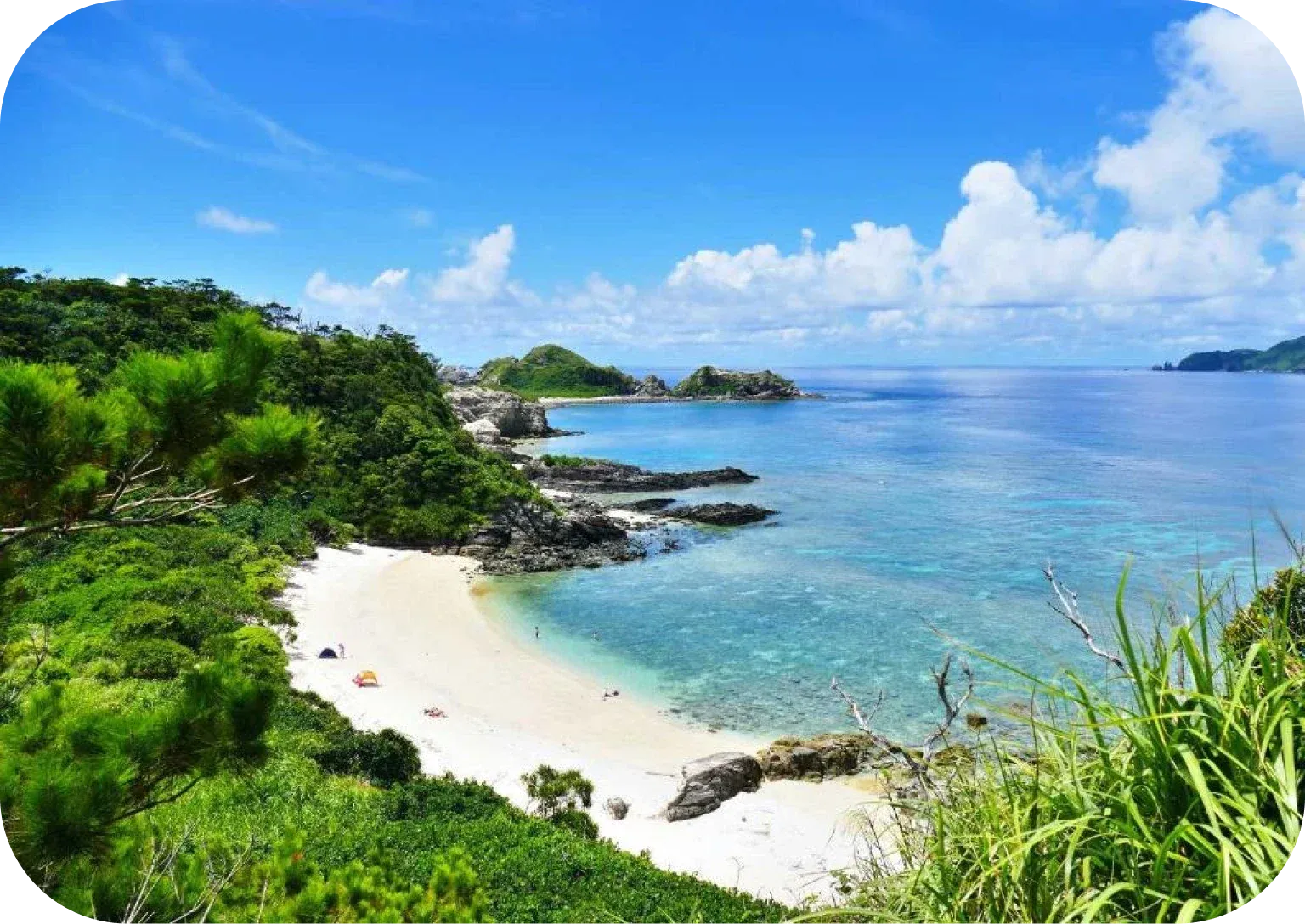
- Kerama Islands day trip – Tokashiki & Zamami Islands boast “Kerama Blue” waters teeming with tropical fish
Quick Picks
- Snorkeling (close-to-shore):
- Cape Maeda (Onna) – Blue Cave with guided snorkel tours
- John Man Beach (Odo) – Quiet southern cove for experienced snorkelers at high tide
- Honorable mention: Sesoko Beach (Motobu) – Walk to corals at low tide
- Families (facilities & calm waters):
- Emerald Beach (Motobu) – Lagoon with lifeguards, showers, & jellyfish nets
- Zanpa Beach (Yomitan) – Wide sandy beach with double-net swim area, free parking, and rentals
- Powder-sand lounging & scenery:
- Nirai Beach (Yomitan) – White sand and cobalt waters at Alivila resort
- Mission Beach (Onna) – Natural hideaway with sugar-white sand (closed in winter)
- Sunset & photo spots:
- Sunset Beach (Chatan) – Golden-hour skies next to American Village
- Sesoko Beach – Famous orange sunsets with Ie Island on the horizon
- Cape Zanpa Lighthouse – Panoramic sunset views (next to Zanpa Beach)
- Quiet, uncrowded coves:
- Okuma Beach (Kunigami) – Far-north getaway with tranquil sands
- Tokei & Peace Beaches (Kouri) – Natural snorkel spots off the tourist track
- Odo “John Man” Beach – Local secret for snorkeling (only swimmable at high tide)
- Day Trip Island Beaches (Keramas):
- Aharen Beach (Tokashiki) – Lively bay with rentals and offshore islet
- Tokashiku Beach (Tokashiki) – Secluded bay with sea turtles grazing in shallows
- Furuzamami Beach (Zamami) – Coral reefs right off shore (Michelin ★★)
- Ama Beach (Zamami) – Gentle waters, often turtles
Map & How to Use This Guide
This guide is organized by region and interest so you can plan efficient beach-hopping routes.
- Use the interactive Okinawa map with color-coded pins for snorkeling, family-friendly, and sunset spots.
- Toggle the wind/tide overlay:
- East wind → East-facing beaches = choppy, West coast = calm
- West wind → West-facing beaches = rough, East coast = calm
Driving times:
- Naha → Motobu/Yanbaru (far north): ~2 hours
- Naha → Onna: ~1 hour
- Naha → southern beaches: ~30–40 minutes
- Onna/Chatan → Motobu/Yomitan: ~45–60 minutes
Legend:
- Blue = snorkel spots
- Orange = sunset/photo spots
- Green = family-friendly beaches
- Purple = quiet coves
Safety, Seasons & Conditions
- Beach season: April–October (peak July–Sept).
- Water temps:
- Spring: 21–24°C (wetsuit recommended)
- Summer: 28–30°C (warmest, busiest, typhoon risk)
- Autumn: 26°C (fewer tourists, still warm)
- Typhoons: Common July–Oct, check forecasts, avoid ocean if storms near.
- Winds:
- East wind → go West coast (Onna/Motobu)
- West/North wind → go South/East coast (Nanjo, Uruma)
- Tides:
- Low tide = exposed flats (e.g., Miibaru), not good for snorkeling
- High/rising tide = best for snorkeling (clear water, depth)
- Jellyfish: Box jellyfish (May–Oct). Many beaches have nets + vinegar stations.
- Hazards: Sea urchins, stonefish, rip currents outside reefs.
- Emergency numbers: 118 (Coast Guard), 119 (Ambulance).
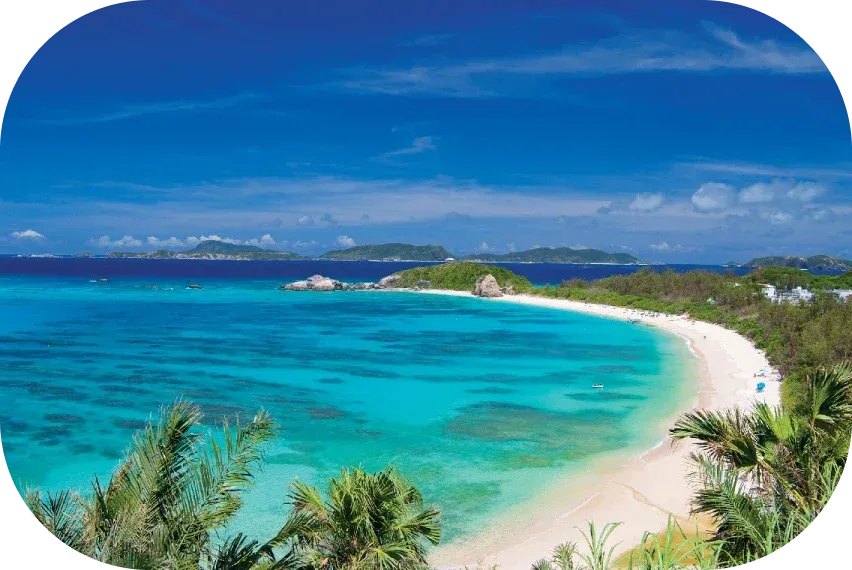
Best Beaches by Region (Main Island)
Okinawa’s main island (沖縄本島) stretches over 100 km with beaches across North (Yanbaru/Motobu), Central (Onna/Yomitan/Chatan), and South (Nanjo/Itoman).
Northern Okinawa (Yanbaru & Motobu Area)
Known for lush nature, uncrowded beaches, and stunning sunsets. From Naha: 90–120 min drive.
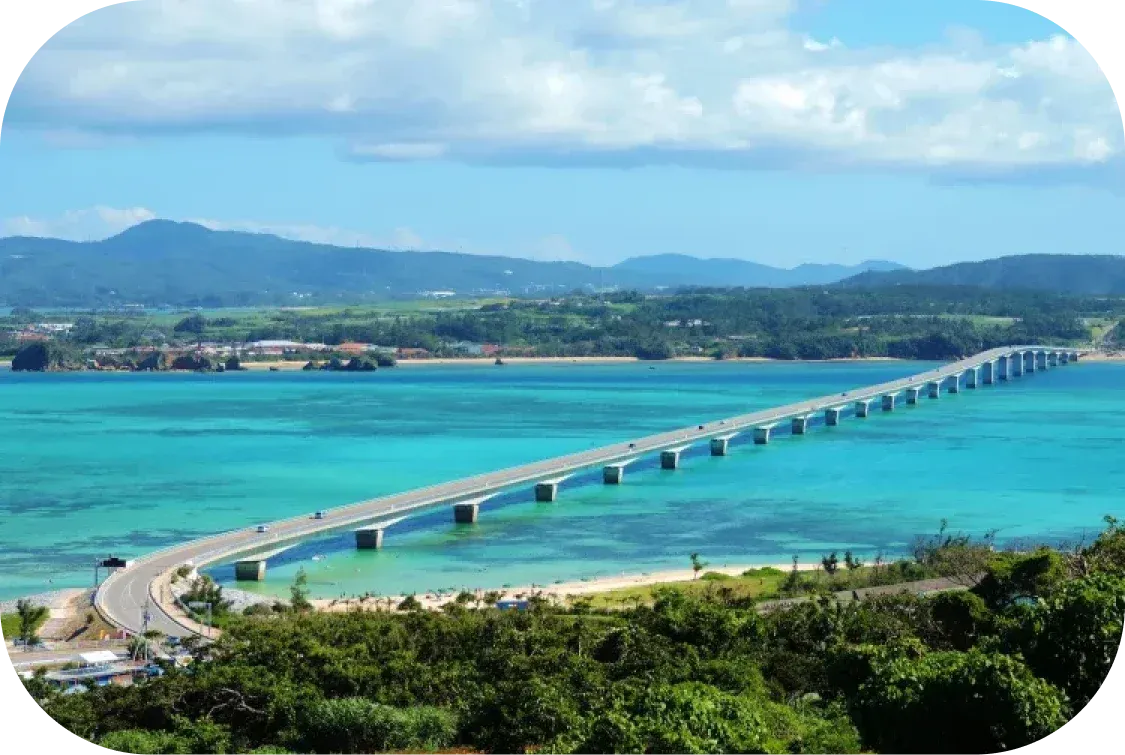
Beach 1: Kouri Beach (Kouri Island, Nakijin) — “Drive-up Island Paradise”
- Snapshot
- Region: Northern (bridge-connected islet)
- Sand: ★★★★☆ (powdery crushed-shell sand)
- Snorkel: ★★★☆☆ (decent fish inside nets, better beyond)
- Best for: Families, scenic drive, shallow play
- Facilities: Toilets, showers, rentals, shops
- Parking: Free (main park lot), overflow ¥300–¥500
- Lifeguard: Yes (in season)
- Best Months: April–October (nets in summer; turtles May–Aug)
- Why Go
- Just across the iconic Kouri Bridge, famous emerald waters + soft white sand.
- Shallow, calm lagoon ideal for kids/toddlers.
- Jellyfish nets & lifeguards in summer.
- Snorkeling Notes
- Fish inside nets, but reefs better beyond (not recommended unless experienced).
- Better snorkeling nearby: Tokei & Peace Beaches (no lifeguards).
- Marine sports available (banana boat, diving intro).
- Family Notes
- Covered picnic areas + Fureai Plaza eateries (soba, kebabs, Blue Seal ice cream).
- Crowded July–Aug weekends, arrive early.
- Logistics
- Hours: Swim area ~9:00–18:00 (in season).
- Facilities: Toilets, coin showers (~¥100), lockers, rentals.
- Accessibility: 1-min flat walk from car park.
- Getting there: From Naha → Expressway → Kyoda exit → Route 58/110 → Kouri Bridge (~1h45).
- Nearby
- Kouri Ocean Tower, Heart Rock, other secluded beaches.
- Photo tip: Sunset over Kouri Bridge with Yanbaru mountains = spectacular.
Beach 2: Sesoko Beach (Sesoko Island, Motobu) — “Crystal Clear Sunset Haven”
- Snapshot
- Region: Northern (island via bridge)
- Sand: ★★★★☆ (white coral sand)
- Snorkel: ★★★★☆ (reef 500m out)
- Best for: Snorkeling, sunsets, water sports
- Facilities: Showers (¥500), toilets, lockers, food stand
- Parking: ¥1000/day (on-site)
- Lifeguard: Yes (Apr–Oct)
- Best Months: June–Sept
- Why Go
- Legendary clarity + 800m white sand stretch.
- Sunset views of Ie Island & Minna Island.
- Mix of locals, families, and water sports groups.
- Snorkeling Notes
- Coral starts 100–200m offshore, reef ~500m out.
- Gear rental available.
- Stick to buoyed area unless experienced.
- Family Notes
- Lifeguarded swim zone.
- Shade limited – rent parasols.
- Sand gets hot – water shoes for kids.
- Logistics
- Hours: 9:00–17:00 (to 18:00 peak summer).
- Facilities: Showers, lockers, small changing room, snack shack.
- Parking: Large dirt lot, fills quickly in high season.
- Accessibility: Short walk down slope.
- Nearby
- Minna-jima ferry (amazing snorkeling).
- Sesoko north shore undeveloped beaches.
- Photo Tips
- Split-level GoPro shots (reef + islands).
- Sunset silhouettes on sand.
- Responsible Visiting
- Don’t touch coral, use reef-safe sunscreen.
- Locals often do mini cleanups – join in.
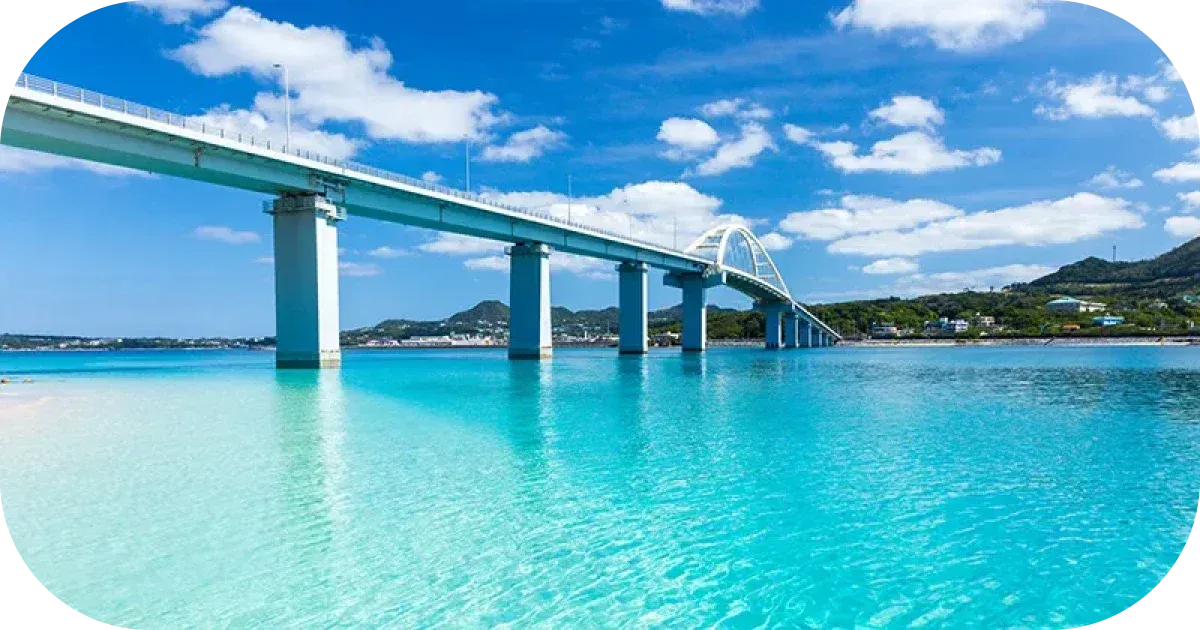
Onna Coast (West Coast Resorts & Reefs)
The Onna Coast is Okinawa’s resort strip, stretching from Cape Manzamo down to Yomitan.
- Known for upscale hotels, manicured beaches, and dramatic cliffs.
- Central location: ~1 hour from Naha.
- Offshore barrier reef = calm inner lagoons and accessible snorkeling.
- Expect more crowds, but also top-notch facilities.
Beach 3: Cape Maeda (Blue Cave), Onna — “Snorkel & Dive Mecca”
- Snapshot
- Region: Onna, Central West Coast
- Sand: N/A (rocky entry, not a lounging beach)
- Snorkel: ★★★★★ (marine life + famous cave)
- Best for: Adventurous snorkelers, beginners with guides, scuba divers
- Facilities: Parking, toilets, showers, rentals
- Parking: ¥100/hour (large lot)
- Lifeguard: No (rangers + tour guides only)
- Best Months: May–Oct
- Why Go
- Okinawa’s most popular snorkel site.
- Famous Blue Cave = glowing grotto with fish swarms.
- Easy entry steps into deep water.
- Reef walls teeming with clownfish, damselfish, turtles.
- Snorkeling Notes
- Swim zone in front of entry + cave around the corner.
- Most visitors use guided tours (life jackets, safety, photos).
- No fins allowed in cave (too crowded).
- Excellent for scuba diving (deep caves, 20m+ visibility).
- Family Notes
- Not suitable for small children (<8). data-preserve-html-node="true" data-preserve-html-node="true"
- Good for older kids with guides.
- Park area has scenic viewpoints + grass.
- Logistics
- Parking ~7:00–19:00.
- Facilities: Restrooms, lockers, showers (¥100), rental shops, snack stand.
- Accessibility: Long staircase down (not wheelchair accessible).
- Getting there: Off Route 6 in Onna (~1 hour from Naha).
- Nearby
- Cape Manzamo (cliff views).
- Ryukyu Mura cultural park.
- Photo Tips
- Cave interior glow at midday.
- Cliff lookouts for cobalt sea views.
- Responsible Visiting
- Reef-safe sunscreen only.
- No feeding/touching fish.
- Obey safety flags.
Beach 4: Manza Beach (Seragaki), Onna — “Resort Beauty with Activities”
- Snapshot
- Region: Onna (Cape Manzamo area)
- Sand: ★★★★☆ (groomed, soft)
- Snorkel: ★★★☆☆ (limited in swim zone, better on tours)
- Best for: Resort day, water sports, families
- Facilities: Full resort (showers, restaurants, rentals)
- Parking: ¥500/day (non-guests)
- Lifeguard: Yes (year-round)
- Best Months: Apr–Oct
- Why Go
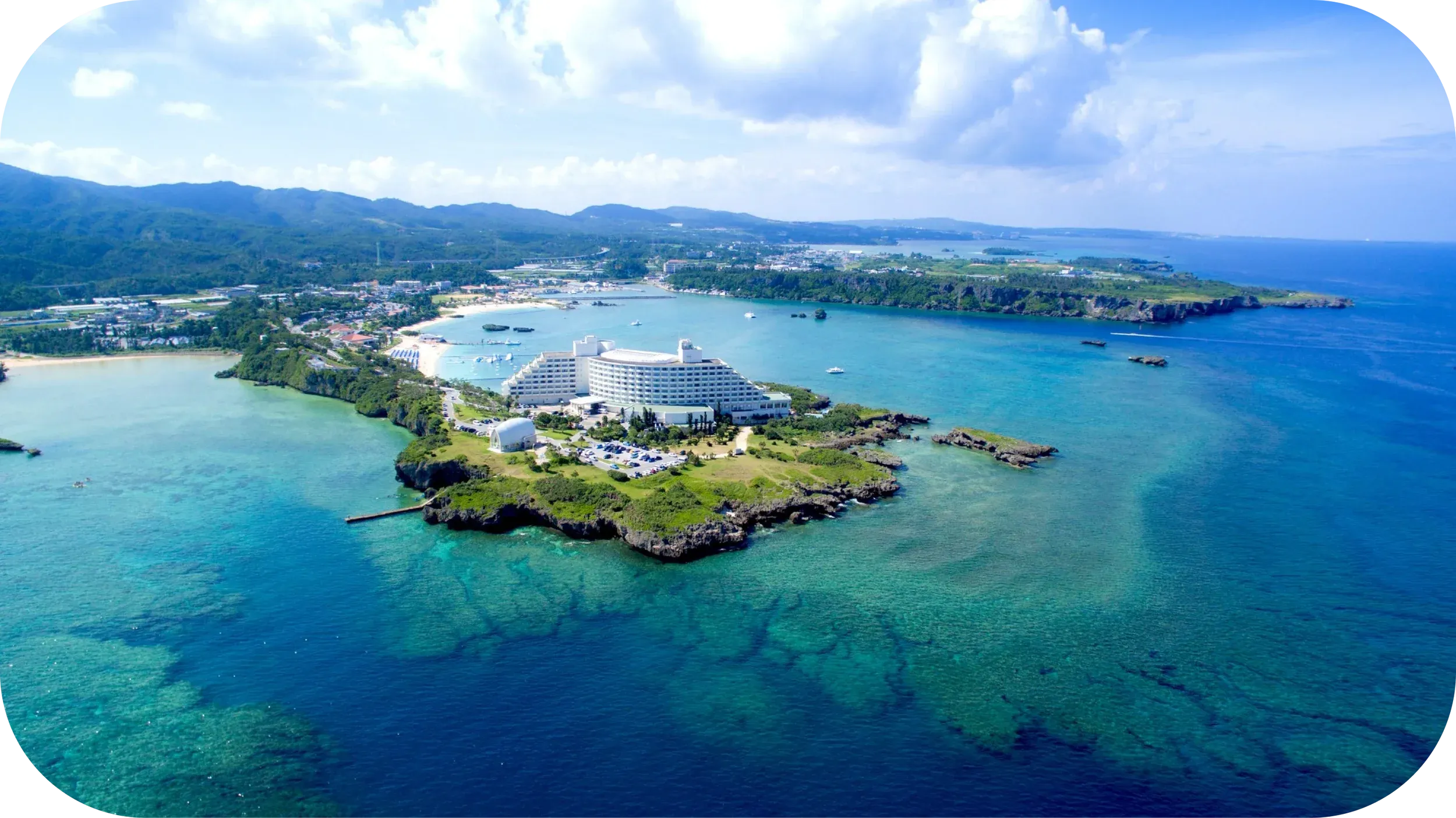
- ANA InterContinental resort beach, open to public.
- Scenic peninsula with Cape Manzamo cliffs backdrop.
- Double-net swim area, lifeguards, resort amenities.
- Activities: jet skis, parasailing, inflatable water park.
- Snorkeling Notes
- Coral limited inside swim area.
- Resort offers glass-bottom boats & boat snorkel tours.
- Family Notes
- Lifeguards on duty year-round.
- Kids’ ocean play park in summer.
- Sandy gentle slope + safe double nets.
- Outside food discouraged (use beach café).
- Logistics
- Open all year (lifeguards ~9:00–18:00 in summer).
- Parking: ¥500, large lot.
- Accessibility: Easy, paved resort paths.
- Getting there: On Seragaki Island (via causeway), ~60–70 min from Naha.
- Nearby
- Cape Manzamo (2 min drive).
- Nabee Beach (campground & public beach alternative).
- Responsible Visiting
- No glass, no littering.
- Respect resort’s conservation rules.
Central Okinawa (Chatan, Yomitan & Okinawa City Area)
Beaches here = urban & family-friendly, with lots of nearby food and entertainment.
- Calm waters, easy access.
- Great for quick beach days or sunsets after shopping.
Beach 5: Zanpa Beach, Yomitan — “Fun in the Sun + Lighthouse Views”
- Snapshot
- Region: Central-West (Yomitan)
- Sand: ★★★★☆ (golden-white, wide)
- Snorkel: ★★☆☆☆ (sparse coral inside nets)
- Best for: Families, swimming, water sports, sunsets
- Facilities: Showers, lockers, rentals, shop
- Parking: Free (large lot)
- Lifeguard: Yes (Apr–Oct)
- Best Months: Apr–Oct
- Why Go
- Broad public beach + dramatic Cape Zanpa cliffs next door.
- Double-net swim zone, lifeguards, BBQ area.
- Great sunsets with lighthouse silhouette.
- Snorkeling Notes
- Swim zone mostly sandy-bottom.
- Some fish near rocks, but not rich coral.
- Offshore dive tours available from nearby port.
- Family Notes
- Shallow safe swim area.
- Rentals (parasols, floats).
- Grassy park + giant Shisa statue nearby.
- Logistics
- Hours: Apr 1 – Oct 31, ~9:00–18:00.
- Fees: Free entry + parking.
- Facilities: Showers (paid), lockers, restrooms, BBQ area.
- Accessibility: Easy flat walk from lot.
- Getting there: ~45 min from Naha.
- Nearby
- Cape Zanpa Lighthouse (climb for views).
- Nirai Beach (Alivila resort).
- Yachimun pottery village.
- Photo Tips
- Sunset with lighthouse silhouette.
- Drone above crescent beach (if rules allow).
- Responsible Visiting
- Respect lifeguard zones.
- Pick up litter.
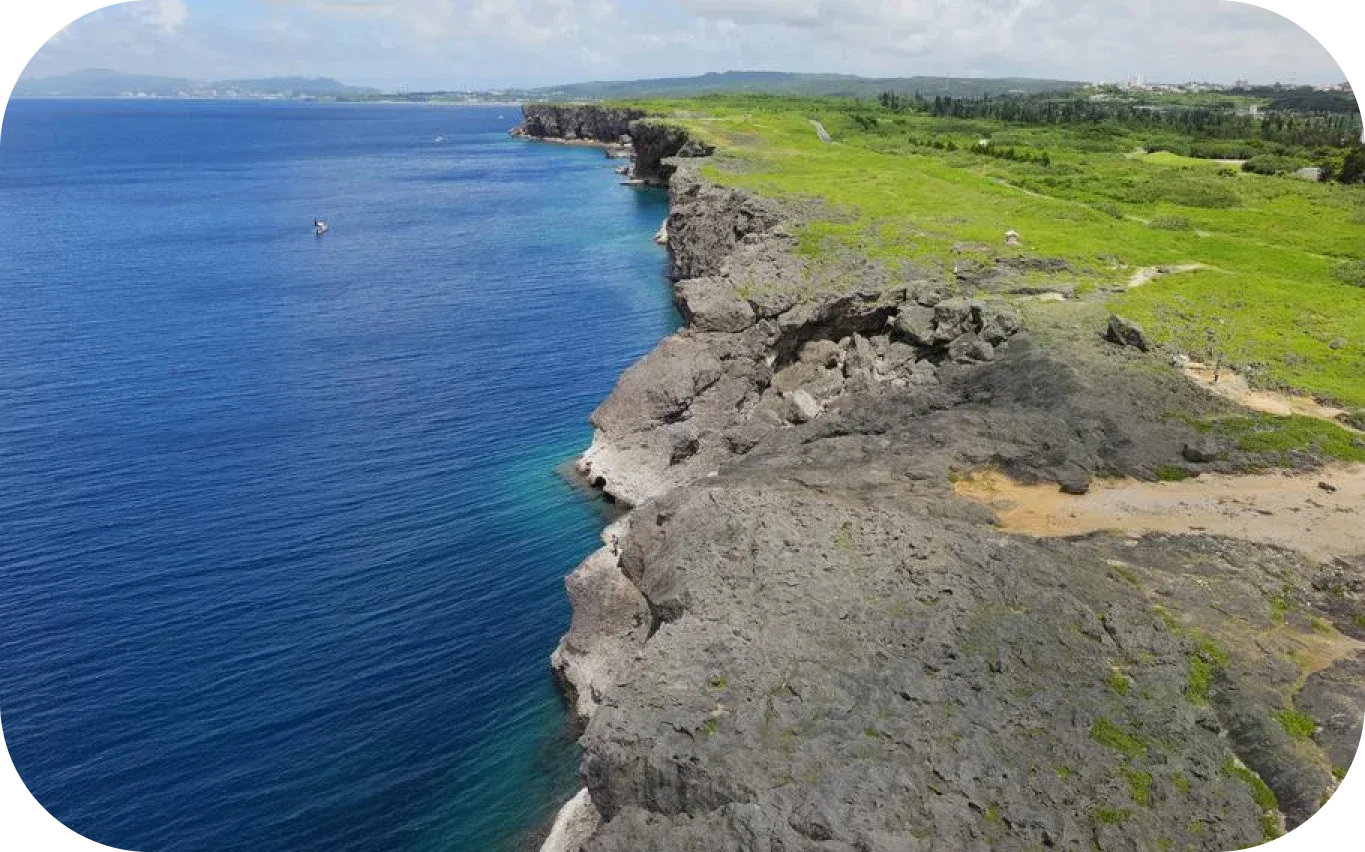
Southern Okinawa (Nanjo, Itoman & South Coast)
- Pacific side (Nanjo): Shallow tidal flats, sandbars.
- Itoman side (SW): Rugged coasts, hidden snorkel coves.
- Less crowded, more raw/natural.
- Few facilities — self-reliance needed.
Beach 6: Miibaru Beach (Nanjo) — “Tidal Shallows & Glass-Bottom Boats”
- Snapshot
- Region: Southeast (Nanjo City)
- Sand: ★★★☆☆ (coarse, long stretch)
- Snorkel: ★★☆☆☆ (too shallow for much coral)
- Best for: Walking at low tide, tide pools, glass-bottom boats
- Facilities: Showers, changing rooms, small eatery
- Parking: ¥500/day
- Lifeguard: No
- Best Months: May–Sept
- Why Go
- 2km of natural, undeveloped tidal flats.
- Walk hundreds of meters out at low tide.
- Kids love tide-pooling (crabs, starfish, baby fish).
- Glass-bottom boat tours (¥1800 adults).
- Snorkeling Notes
- Not great for snorkeling except at reef edge far offshore (not recommended).
- Best for tide walks or paddle/kayak.
- Family Notes
- Fun for tide pool exploring.
- Little shade, bring parasol or tent.
- No lifeguard, so caution required.
- Logistics
- Always open (no official hours).
- Parking: ¥500.
- Facilities: Changing rooms (¥300), coin lockers, toilets, small café.
- Accessibility: Park right on sand.
- Nearby
- Hyakuna Beach (quiet sacred beach).
- Sefa Utaki (holy site).
- Ojima Island (tempura stalls).
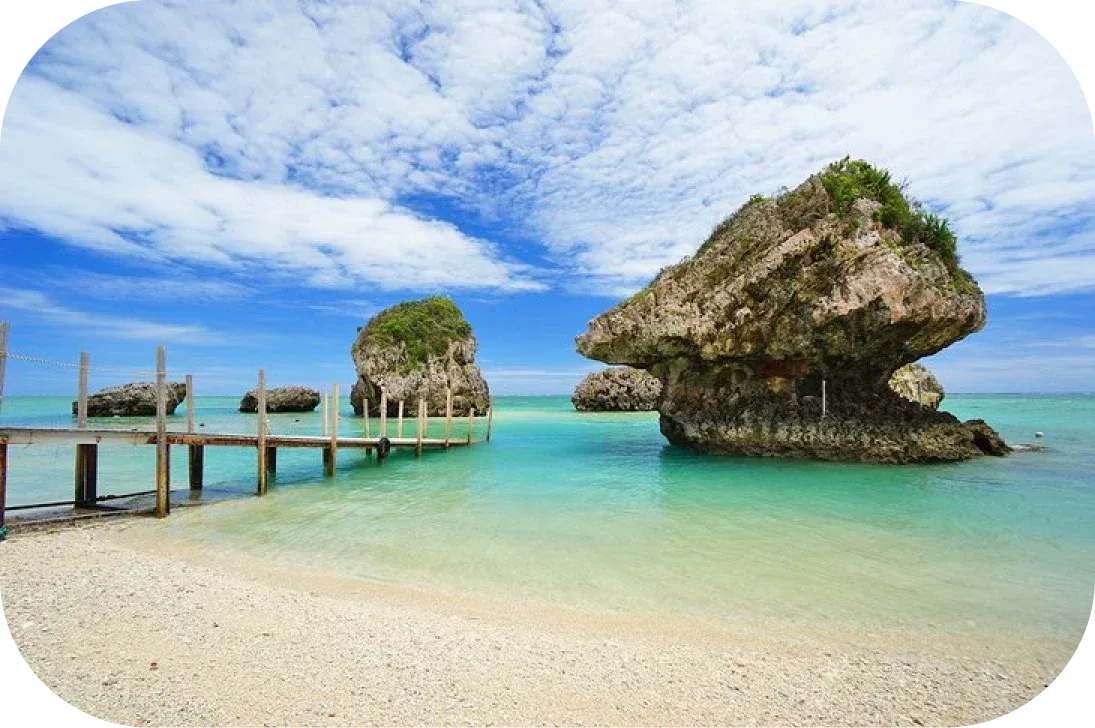
Beach 7: Odo “John Man” Beach (Itoman) — “Snorkelers’ Secret at the Southern Tip”
- Snapshot
- Region: Southwest (Itoman City)
- Sand: ★★★☆☆ (pale sand with coral rubble)
- Snorkel: ★★★★☆ (excellent coral at high tide)
- Best for: Confident snorkelers, solitude
- Facilities: Minimal (basic lot, sometimes porta-toilet)
- Parking: Free (small lot)
- Lifeguard: No
- Best Months: June–Sept
- Why Go
- Remote, raw cove with thriving coral reefs.
- Clear waters, fish schools, occasional turtles.
- Quiet — often empty on weekdays.
- Snorkeling Notes
- Only at high tide (reef exposed otherwise).
- Coral gardens 1–3m deep.
- Watch for rip currents near reef gaps.
- Reef shoes essential (sharp rocks, urchins).
- Family Notes
- Not for small kids (unsafe).
- At low tide: safe tide-pooling.
- No shops, bring water & food.
- Logistics
- Always open, daylight only.
- Facilities: Almost none.
- Parking: Small free gravel lot.
- Accessibility: Dirt trail, rocky steps to sand.
- Nearby
- Cape Kyan (WWII memorial cliffs).
- Bibi Beach Itoman (family-friendly alternative).
- Photo Tips
- Underwater reef shots.
- Cliff + snorkelers silhouette at sunset.
- Responsible Visiting
- Protected marine park area — no coral collecting.
- Pack out all trash.
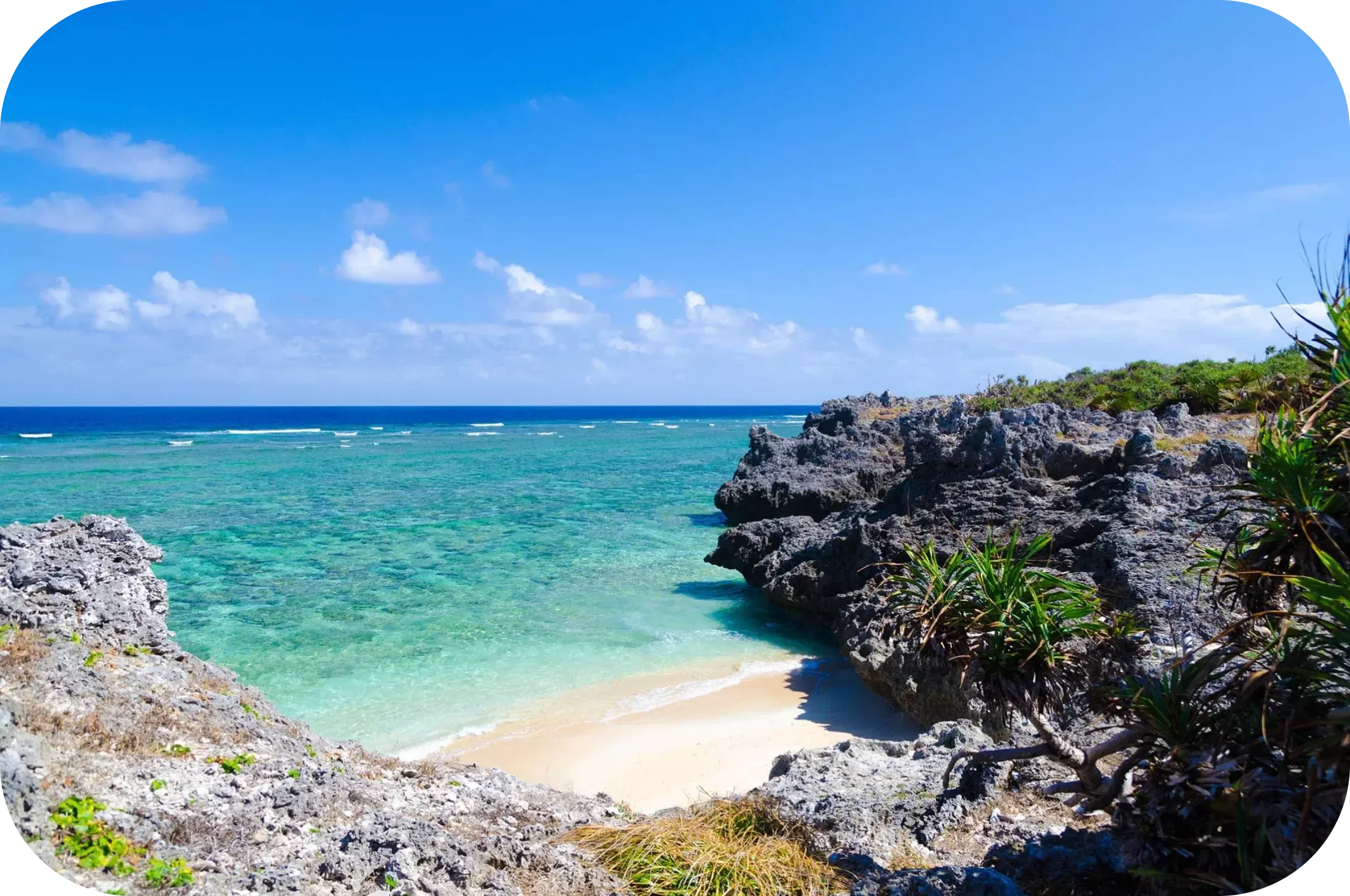
Southern Beaches Safety Note
Remote southern beaches like Odo are tranquil but lack lifeguards and facilities.
Always snorkel with a buddy.
Let someone know your plans.
Self-reliance = key to safety.
Day Trips to the Kerama Islands (Snorkeling Heaven)
The Kerama Islands = Okinawa’s crown jewel.
- 30–90 minutes by ferry from Naha.
- “Kerama Blue” = neon turquoise water, 30m+ clarity.
- Best coral and fish density in Japan.
Tokashiki Island
- Access:
- ~1 hr by slow ferry, 35 min by fast boat from Tomari Port (Naha).
- Main Beaches:
- Aharen Beach
- Hub of activity, white sand, shallow waters.
- Coral patches on bay edges.
- Hanari Island offshore (kayak/banana boat tours).
- Facilities: rentals, cafés, lifeguards in summer.
- Observation deck nearby for panoramic views.
- Tokashiku Beach
- Quiet, fewer people.
- Famous for sea turtles feeding in shallows.
- Facilities: small gear rental, showers.
- Magical sunsets, serene vibes.
Tip:
- Morning = Tokashiku (turtles).
- Afternoon = Aharen (activities).
- Book ferries early in high season.
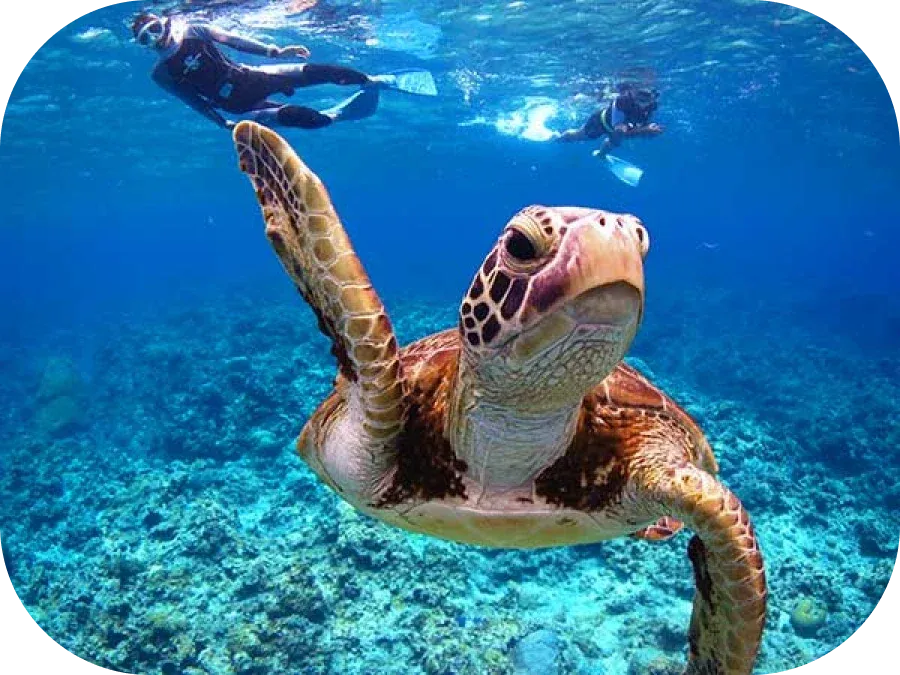
Zamami Island
- Access:
- 50–70 min by ferry from Naha.
- Main Beaches:
- Furuzamami Beach
- Top snorkeling site, coral right off shore.
- Two Michelin stars for beauty.
- Vibrant reef fish & occasional turtles.
- Facilities: rentals, eateries, lifeguards in summer.
- Ama Beach
- Calm, shallow seagrass bay.
- Famous for turtle grazing encounters.
- Camping site just behind beach.
- Volunteer turtle conservation group in nesting season.
Tip:
- Ferry: Queen Zamami III (50 min fast), large ferry (2 hrs, cheaper).
- Shuttle/walk to Furuzamami (20 min).
- Walk to Ama Beach (20 min opposite direction).
Kerama vs. Main Island
- Main Island = convenient, varied (Blue Cave, Sesoko, Odo).
- Kerama Islands = superior clarity, density of coral/fish.
- Verdict: If time allows, do Kerama once for unforgettable snorkeling.
Sample Beach-Hopping Itineraries (Car-Friendly)
Half-Day “Snorkel & Chill” (Onna Coast)
- Morning: Cape Maeda by 8am → Blue Cave snorkeling.
- Midday: Cape Manzamo cliffs.
- Afternoon: Swim + lunch at Manza Beach.
- Sunset: Sunset Beach (Chatan).
Family Fun Day (Motobu & Yanbaru)
- 8:00 – Drive to Kouri Bridge + Kouri Beach.
- 11:00 – Churaumi Aquarium (or Emerald Beach).
- Afternoon – Sesoko Beach (kids can snorkel/play).
- Evening – Treats: Blue Seal ice cream or Nago Pineapple Park.
South Coast Sunrise to Sunset
- Sunrise – Azama Beach (over Kudaka Island).
- Morning – Miibaru Beach (glass-bottom boat).
- Lunch – Oujima Island tempura stalls.
- Afternoon – Bibi Beach Itoman or Odo Beach (snorkel at high tide).
- Sunset – Cape Kyan cliffs.
Kerama Day-Trip Blueprint
- 9:00 – Ferry to Zamami.
- 10:00 – Snorkel Furuzamami Beach.
- 13:00 – Ama Beach for turtles.
- 15:30 – Return to Zamami village, shower.
- 16:00 – Ferry back to Naha.
- 18:00 – Dinner on Kokusai Dori.
Beach Day Packing List
- Snorkel set + defog solution.
- Rash guard or swim shirt.
- Reef-safe sunscreen.
- Water shoes.
- Hat + sunglasses.
- Beach mat/towel.
- Dry bag + floating strap.
- Cooler with water/snacks.
- Bug spray.
- First aid kit (vinegar for jellyfish).
- Cash (¥100, ¥500 coins).
Beach Etiquette
- Don’t touch or step on coral.
- Observe wildlife, don’t chase or feed.
- Obey lifeguard zones & red flags.
- No loud music or rowdy drinking.
- Camping/fire only if permitted.
- Follow drone rules (registration, permits, avoid crowds).
- Respect turtle nesting sites (no lights, no flash).
- Leave beaches cleaner than you found them.
Food, Showers & Conveniences
- Onna/Resorts: Beach cafés + Route 58 soba shops.
- Motobu/North: Emerald Beach facilities; Sesoko cafés; Michi-no-Eki stations.
- Central/City: Sunset Beach = American Village; Araha Beach = family restaurants.
- South: Miibaru’s soba café; Ojima Island’s fresh tempura; Itoman Fish Market.
- Showers: ¥100–¥300 coin showers at most major beaches; public onsens as alternative (e.g., Senagajima Onsen).
FAQs – Okinawa Beaches & Snorkeling
Q1: When is the best month for beaches and snorkeling in Okinawa?
- Best months: July & August (28–30°C water, vibrant marine life, all services open).
- Trade-offs: Peak crowds + typhoon risk.
- Great alternatives:
- June: warm, less crowded, some rain early.
- September: warm, fewer tourists, some typhoon risk.
- October: cooler, wetsuit needed, fewer crowds.
- Avoid: November–March unless wearing a wetsuit (water ~20–22°C).
Q2: Which beaches are safest for kids?
- Emerald Beach (Motobu): Lagoon-style, lifeguards, jellyfish nets.
- Kouri Beach: Very shallow + calm, summer nets.
- Zanpa Beach (Yomitan): Double-netted, lifeguards, wide sand.
- Sunset Beach (Chatan): Gentle waters, lifeguards, playgrounds nearby.
- Nirai Beach (Yomitan): Resort-managed, open year-round, even turtle hatchlings in summer.
- South Coast options: Bibi Beach Itoman, Toyosaki (Chura Sun) Beach – engineered with nets + breakwaters.
Q3: Do I need water shoes and a rash guard?
- Yes, highly recommended.
- Protects against sharp coral, urchins, rocks.
- Rash guards = sun protection + jellyfish defense.
- Many tours require rash guards or wetsuits.
Q4: Can I camp on the beach?
- Allowed in some spots:
- Ama Beach (Zamami) – designated campground.
- Zanpa Beach – has BBQ/camp zones.
- Miibaru Beach (Nanjo) – informal free camping under trees.
- Not allowed: Resorts & park beaches (Emerald, Manza, Sunset).
- Always: stay above high tide line, avoid fires, leave no trace.
Q5: Are there lifeguards at Okinawa beaches?
- Yes, April–October at major beaches (Zanpa, Emerald, Manza, Sunset, Araha).
- No at minor or remote beaches, and off-season.
- Keramas: Lifeguards present at popular beaches in summer.
- Tip: Check flags/signs; follow lifeguard whistles.
Q6: What about jellyfish and sea urchins?
- Jellyfish:
- Box jellyfish May–Oct.
- Swim in netted areas.
- Wear rash guards/leggings.
- Treatment = vinegar, not fresh water.
- Sea urchins:
- Hide in rocks.
- Prevention = water shoes.
- If spined: don’t dig deep, seek medical care.
- General rule: “Look, don’t touch” – applies to all marine life.
Q7: Is shore snorkeling good on the main island, or should I do Kerama instead?
- Main island:
- Great shore spots: Cape Maeda, Sesoko, Odo, Gorilla Chop, Minna-jima.
- Convenient and varied (reefs, caves, drop-offs).
- Keramas:
- National park reefs, denser coral, 30m+ clarity.
- Worth it for serious snorkelers/divers.
- Verdict:
- Casual snorkelers: main island fine.
- Enthusiasts: Kerama is a must.
Q8: What’s the etiquette around reefs and sea turtles?
- Don’t step on coral, don’t touch or take shells.
- Observe turtles from a distance.
- Float calmly → turtles may approach on their own.
- On nesting beaches: no lights, no flash photography, no handling hatchlings.
- Never feed fish or marine animals.
Q9: Are there showers, toilets, and rentals at beaches?
- Major beaches: Yes (showers = coin-operated, lockers, rentals).
- Examples:
- Emerald Beach: free showers + lockers.
- Zanpa: showers (paid), lockers.
- Manza/Sesoko: full rentals (snorkel, SUP, kayaks).
- Remote beaches: Usually none – bring your own gear.
- Clue: Paid parking = likely has facilities.
Q10: Can I fly a drone at the beach?
- Rules:
- Drones >100g must be registered in Japan.
- Max altitude 120m, line of sight only.
- No flying over crowds or near airports/military bases.
- National parks (Keramas, Cape Hedo) may require permits.
- Tips:
- Fly at sunrise/uncrowded times.
- Don’t disturb wildlife.
- Always check for local signage before launching.
Final Tips
- Start early – mornings = calm water + fewer people.
- Check tides & winds daily (apps or local boards).
- Stay flexible – switch coasts if windy.
- Support locals – buy snacks, juice, or soba nearby.
- Respect nature – Okinawa’s beauty depends on it.
Whether you’re snorkeling “Kerama Blue,” chasing sunsets in Motobu, or enjoying family playtime in Yomitan, Okinawa’s beaches guarantee memories of salt, sun, and serenity.
Tanoshinde ne!
Evertrail · August 28, 2025